The home of architecture and design in the Asia-Pacific
Get the latest design news direct to your inbox!

Get the latest design news direct to your inbox!
Ad agencies have come a long way since the days depicted on Mad Men. Buzzing, energetic and always looking for the next big idea, it only follows that the workplace design for them should help spark inspiration. J. Walter Thompson’s (JWT) new Bangkok office by Orbit Design does exactly that.


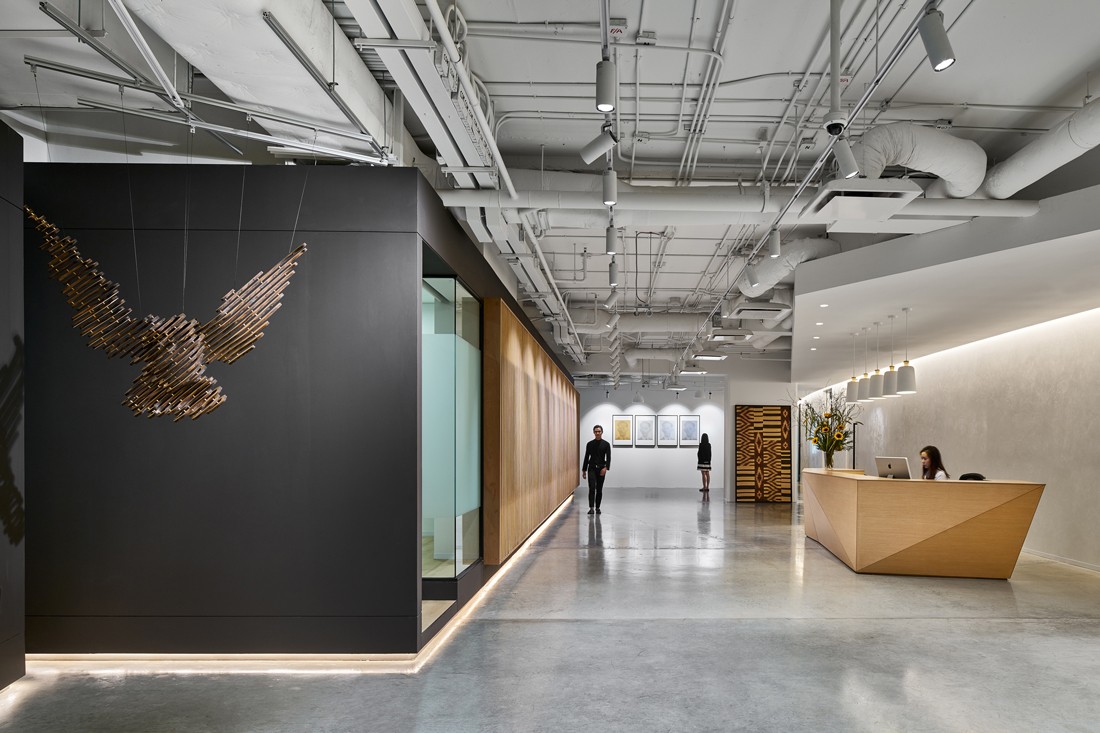

When worldwide marketing and communications giant J. Walter Thompson – founded in 1896 as a U.S. advertising agency – went looking for a firm to design its new Thailand headquarters, it turned to Orbit Design Studio, itself a global company with a big Bangkok presence. Looking to encourage creativity, connectivity and future proofing, the design was developed to become a springboard for ideas, where a clean, clear aesthetic was favoured over gimmicky design. The result creates a sense of space, potential and possibility.
As you might expect from an advertising agency, the design process was very co-creative, explains Christopher Redpath, founder and managing director of Orbit. “A fundamental objective of ours was to make the space an ideas generator. Very early on we agreed on the blank canvas principle – that it is more beneficial for the creative mind to have a space not cluttered by too much design or gimmicks.”
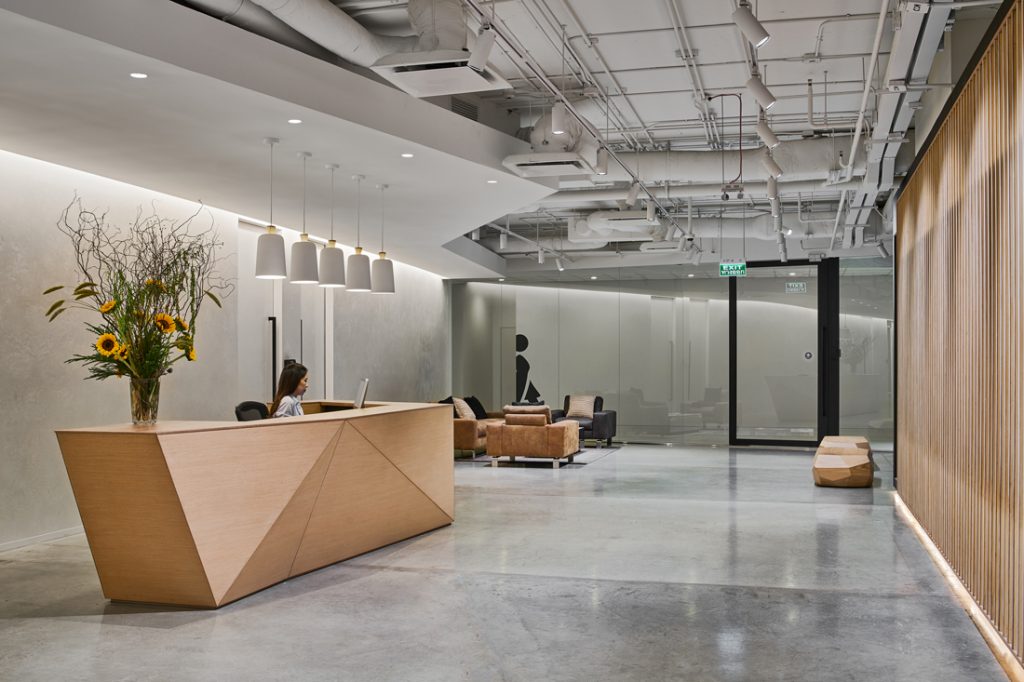
The choice of building was conducive to this approach. “The FYI Center is unusual as it’s a low-rise office development with large floor plates and high ceilings,” explains Redpath, remarking on the flexibility it allowed for their design. “The changing heights, spaces and zones make working together easy and pleasurable.”
As part of a turn-key project, custom desks were designed that allow for multipurpose use so the space can easily change and adapt to the ever-shifting needs of the media world. The use of a clean palette of black, white and wood supports this. Indeed, the only elements that were dictated were functional; several smaller agencies share the space with J. Walter Thompson – it’s part of multinational advertising and public relations company WPP – so it was important to co-locate them correctly.
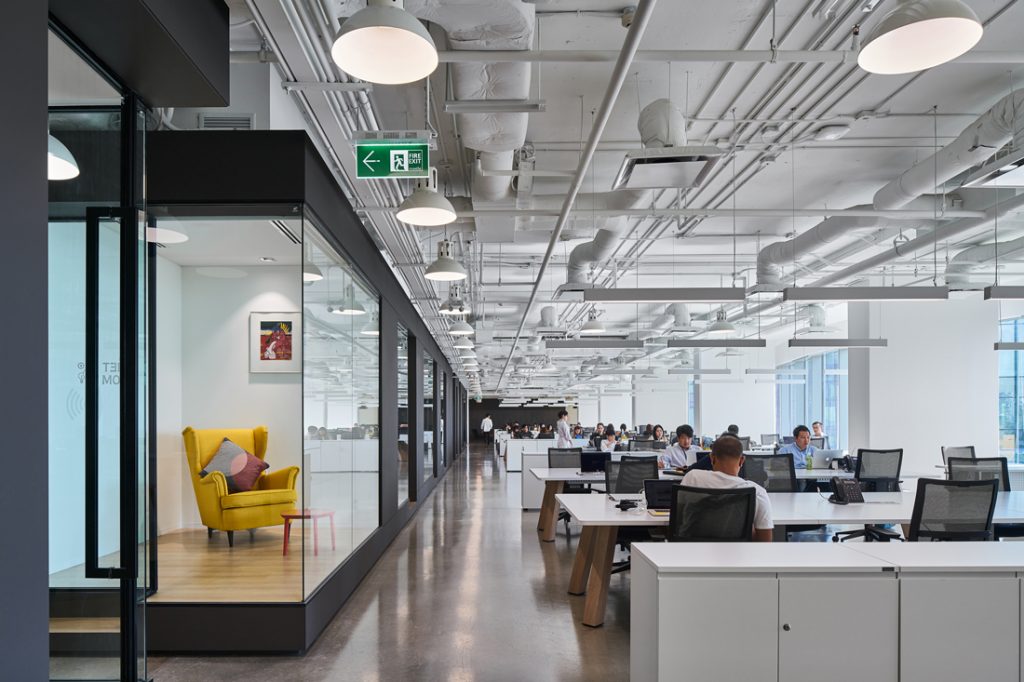
“The challenge with ‘group’ design is that one can easily end up with a bland design,” says Redpath. “However, going with the blank canvas principle allowed us to create an internal structure that was powerful and distinctive yet not dominated by any one company. Each entity could shine within the space.”
A central core of black-box meeting rooms forms the spine that links the various companies within the WPP group. Looking ahead, this also ensures flexibility – an essential component for a dynamic and changeable organisation.
“Ad agencies are more open than most to change and they are often the first to pick up on trends,” points out Redpath. “The move to ever-more relaxed working environments continues along with the merging of work and lifestyle. However, the ever-present drive for efficiency and cost-cutting means that there is a limit to how far this can be implemented.”
Take a dive into our workplace design archives over here.
–
Get inspired by the best design projects across the Indo-Pacific. Join our newsletter.
INDESIGN is on instagram
Follow @indesignlive
A searchable and comprehensive guide for specifying leading products and their suppliers
Keep up to date with the latest and greatest from our industry BFF's!
The internet never sleeps! Here's the stuff you might have missed