QLD
27 August 2026
Living outside the box
At Northshore Hamilton, Plus Studio’s Danny Juric is looking beyond the apartment tower as an isolated object, drawing on mature trees, Brisbane’s subtropical climate and the rituals of outdoor living to shape Duet.
View Article
News
26 August 2026
Powerhouse Parramatta prepares to open its doors
From Es Devlin and aerospace innovation to First Nations-led stories of Water Country, Powerhouse Parramatta has unveiled the five exhibitions that will launch the new museum this November.
View Article
Events
26 August 2026
One city, four precincts: Saturday Indesign 2026 is almost here
With more than 35 showroom locations, 40-plus exhibitors and a city-wide program of talks, installations, workshops and launches, Saturday Indesign returns to Sydney in September with participation firmly at the centre of the day.
View Article
Project
25 August 2026
A civic gateway for Pakenham
Genton’s Pakenham Station transforms a utilitarian transport interchange into an open civic landmark, reconnecting the town through landscape, public space and infrastructure designed around Country.
View Article
Events
25 August 2026
Getting hands-on with Savage Design’s Ministry of Metals
Ahead of Saturday Indesign, Savage Design put its new Ministry of Metals experience through a test run, turning material education into something tactile, practical and genuinely interactive.
View Article
Events
24 August 2026
A rollicking good story with Richards Stanisich and Royal Oak Floors
Jonathan Richards and Kirsten Stanisich discussed practice, design process and the business of running a studio at a live audience event hosted by Royal Oak Floors in Sydney.
View Article
1 / 0
The Latest
Stay informed in Asia Pacific's commercial architecture, design, and people.
News
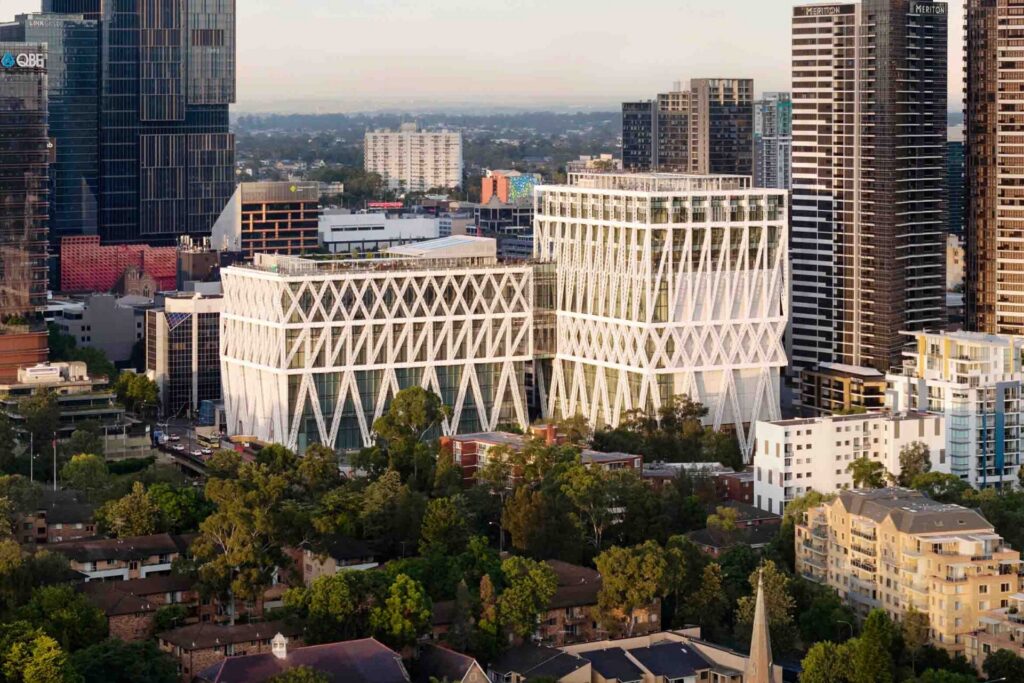
Powerhouse Parramatta prepares to open its doors
From Es Devlin and aerospace innovation to First Nations-led stories of Water Country, Powerhouse Parramatta has unveiled the five exhibitions that will launch the new museum this November.
Articles
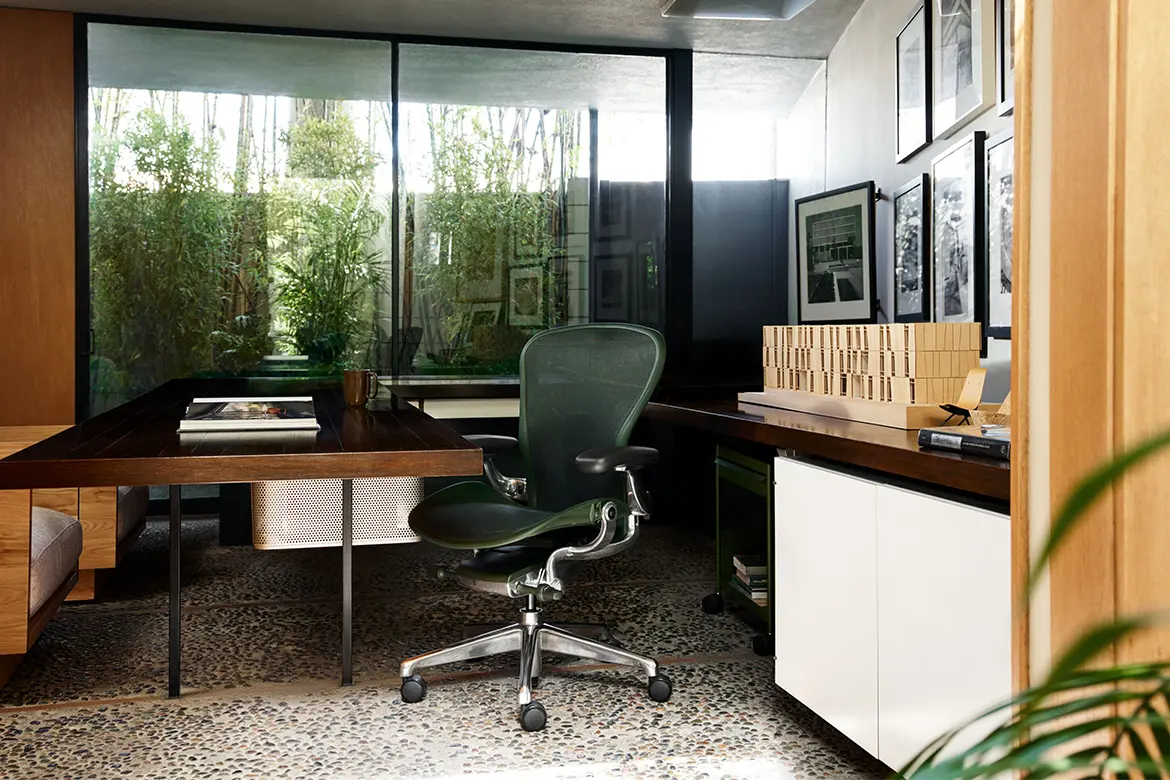
Dipped in integrity: The profound depth of Aeron Chair’s extended palette
Aeron Chair’s new shades, Nightfall and Jasper, arrive with a sense of quiet cohesion – no bells and whistles, no loud technicolour; just two timeless, perfectly versatile near-neutrals. But the new hues aren’t just about colour – and their significance is much more profound than their surface-level subtlety might suggest.
Articles
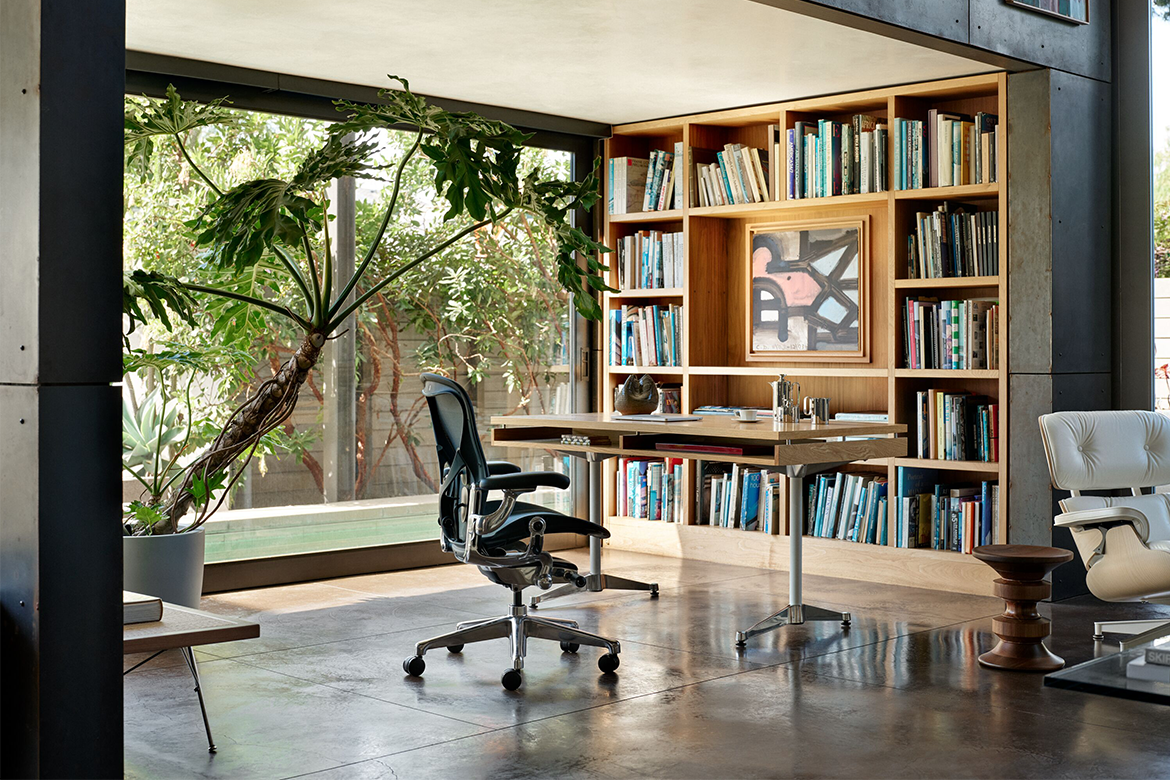
Creating synergies of form, hue and space
When considered from the perspective of the human experience, a chair is not merely an object. It is a human vantage point within a space, it is the focal point for energies and activities, and it is a visual anchor that guides activities and emotions.
Events
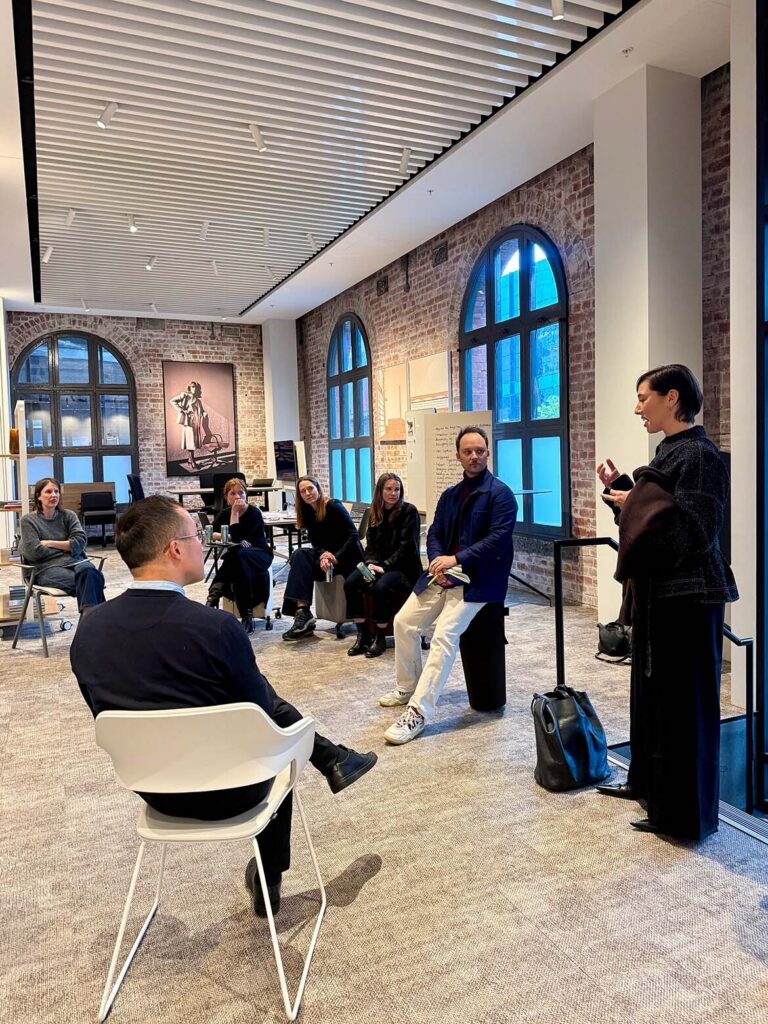
Indesign x Wilkhahn: Melbourne, where are you working?
Our latest collaboration saw a range of designers come together at Wilkhahn’s Melbourne showroom for a discussion on the workplace dynamics specific to the Victorian capital.
Events
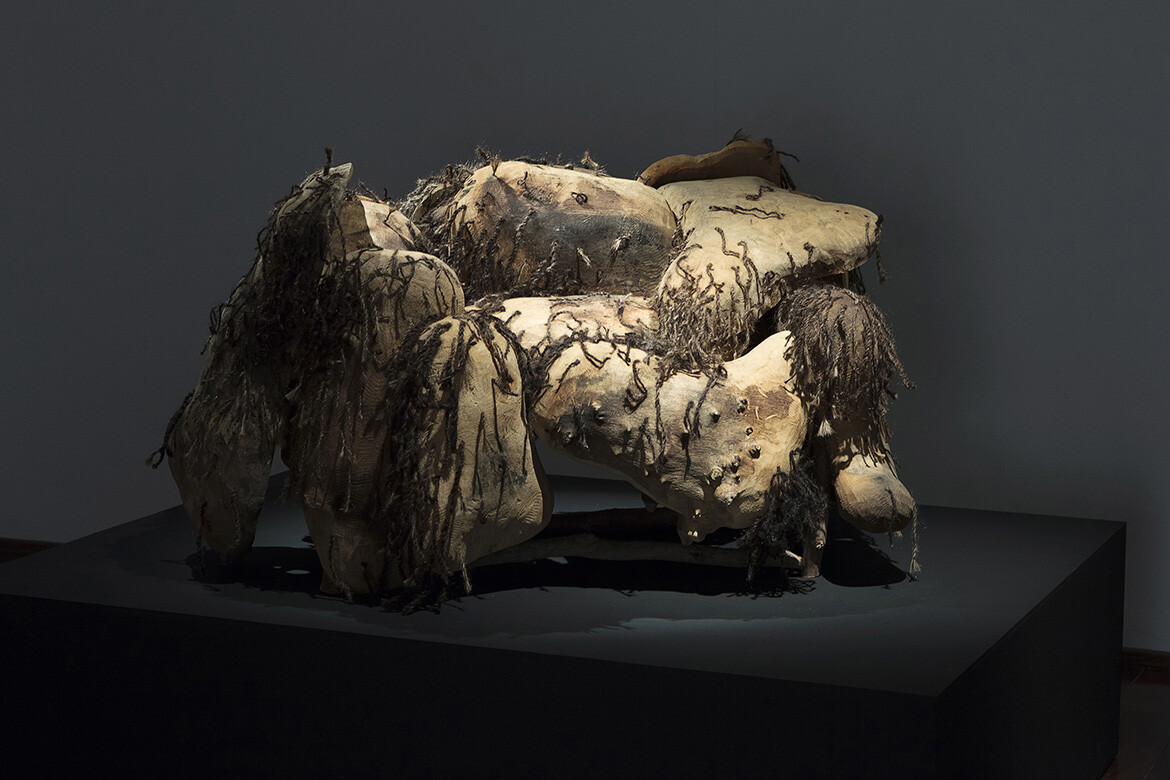
“A journey into a whole new material world”: Plant Life at the NGV
Curator Ewan McEoin tells us about the NGV’s new exhibition on plant-based materials as alternatives to plastics, synthetic materials and other non-renewable resources.
Ideas
Beyond the panel: What makes a design event worth attending?
Ahead of Saturday Indesign, architects reflect on why smaller gatherings, unexpected voices, candid discussion and meaningful follow-up can make meeting in person genuinely worthwhile.
See more articles
View MoreFrom Our Partners
Keep Up to Date with the Latest and Greatest from Our Industry Partners
Articles
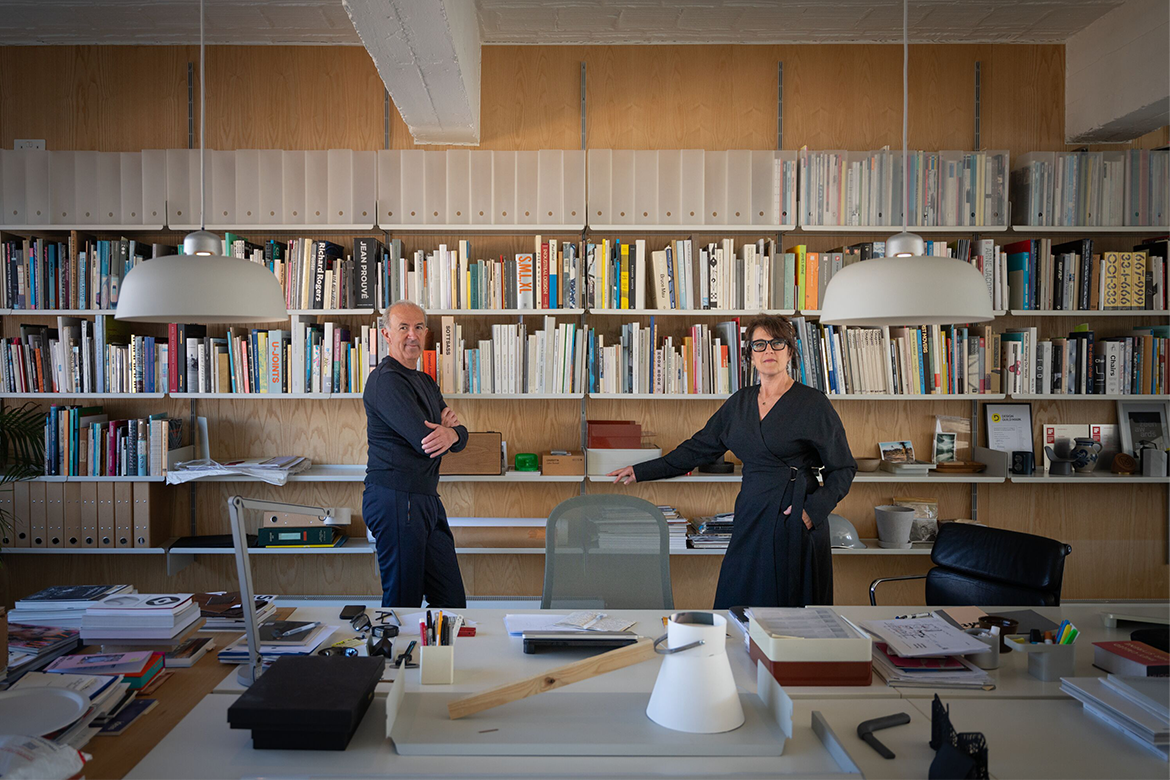
A new chapter of Herman Miller’s design continuum: Kim Colin and Sam Hecht named Global Creative Directors
After two decades of creative partnership, Kim Colin and Sam Hecht of Industrial Facility step into a joint role as Herman Miller’s Global Creative Directors – a reminder that the brand’s ethos isn’t defined solely by their products, but also by the quiet thread of thought that shapes the space in-between, crafting a purposeful, human-centric and enduring trajectory.
Articles
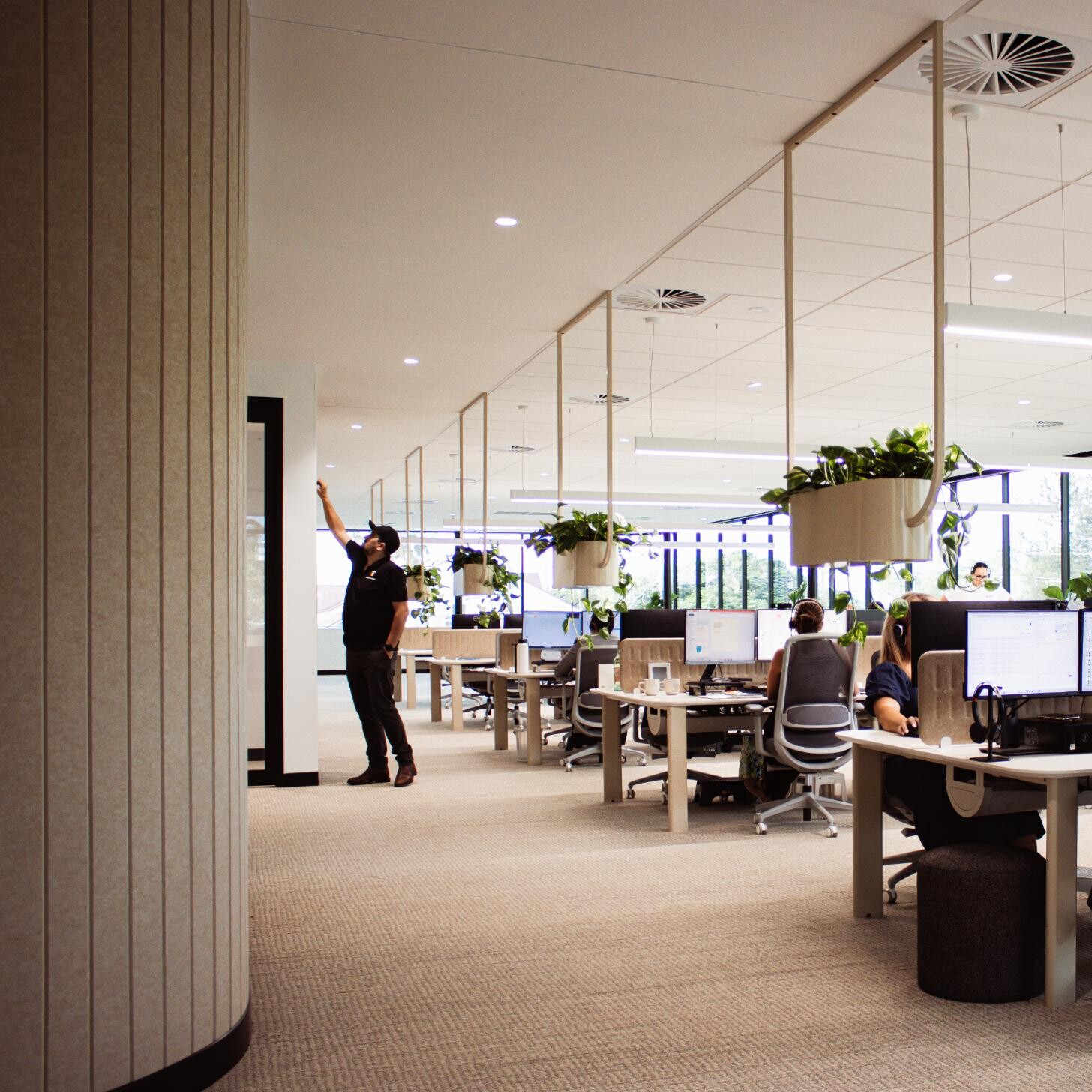
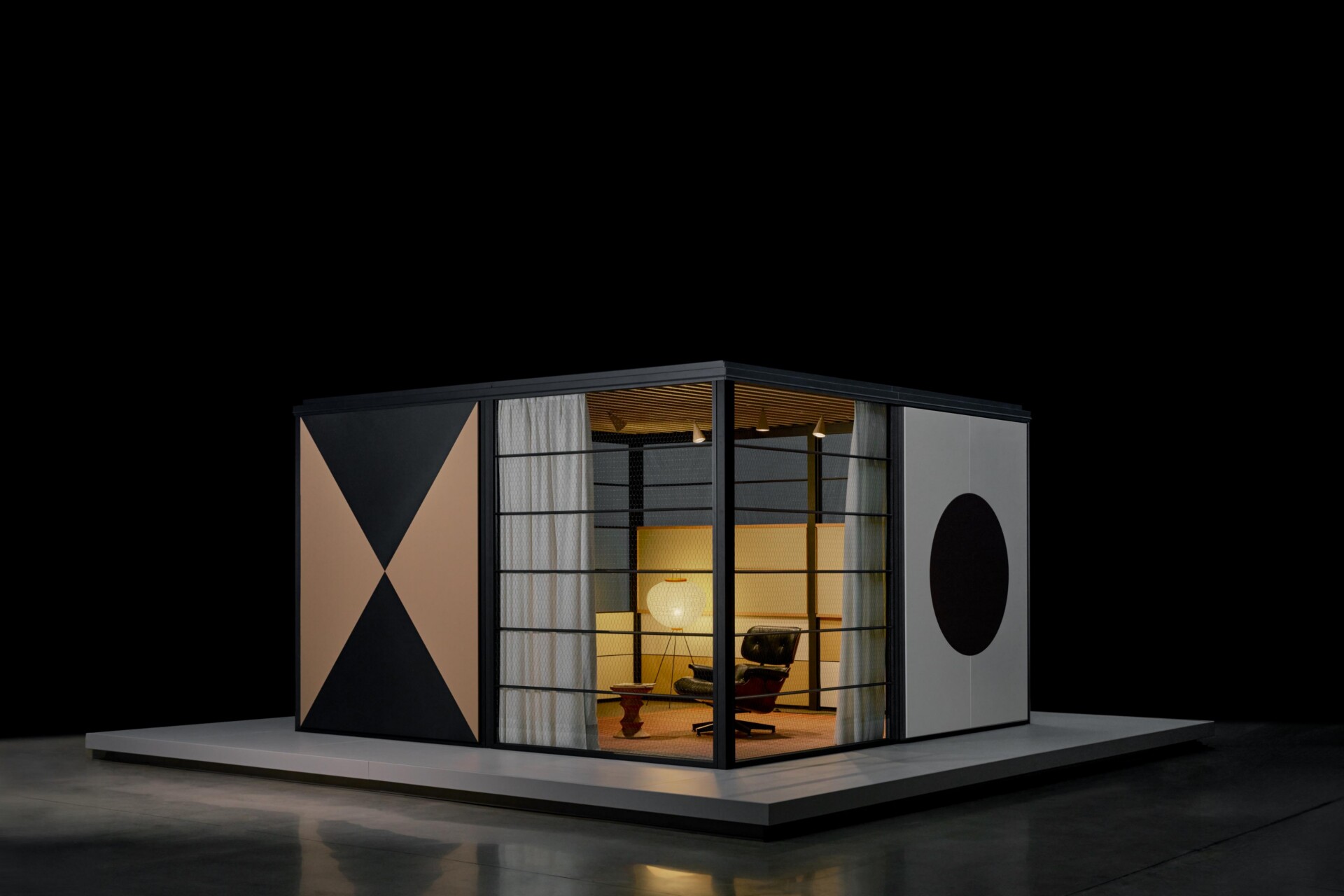
Made with intent
Sydney’s Klaro Industrial Design treats manufacturing as the place where design intent is protected – offering commercial designers a responsive, original and considered way to specify.
Articles
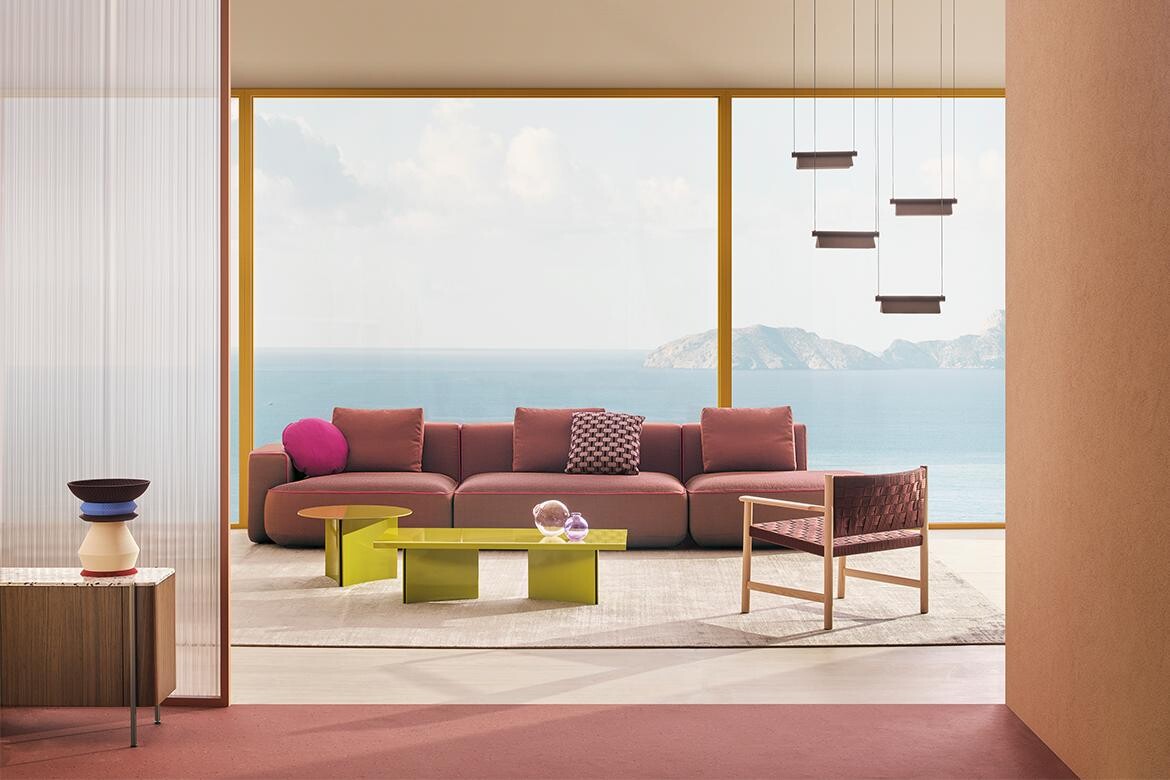
Injecting identity into adaptable workplaces: the brand harnessing the visual treasure trove of cross-sector design culture
The magnetic pull of certain spaces comes down to how seamlessly they work and, more importantly, how they feel. Recognising this, Kettal Workplace draws on the uplifting codes of other sectors to deliver contemporary workplace design.
Articles
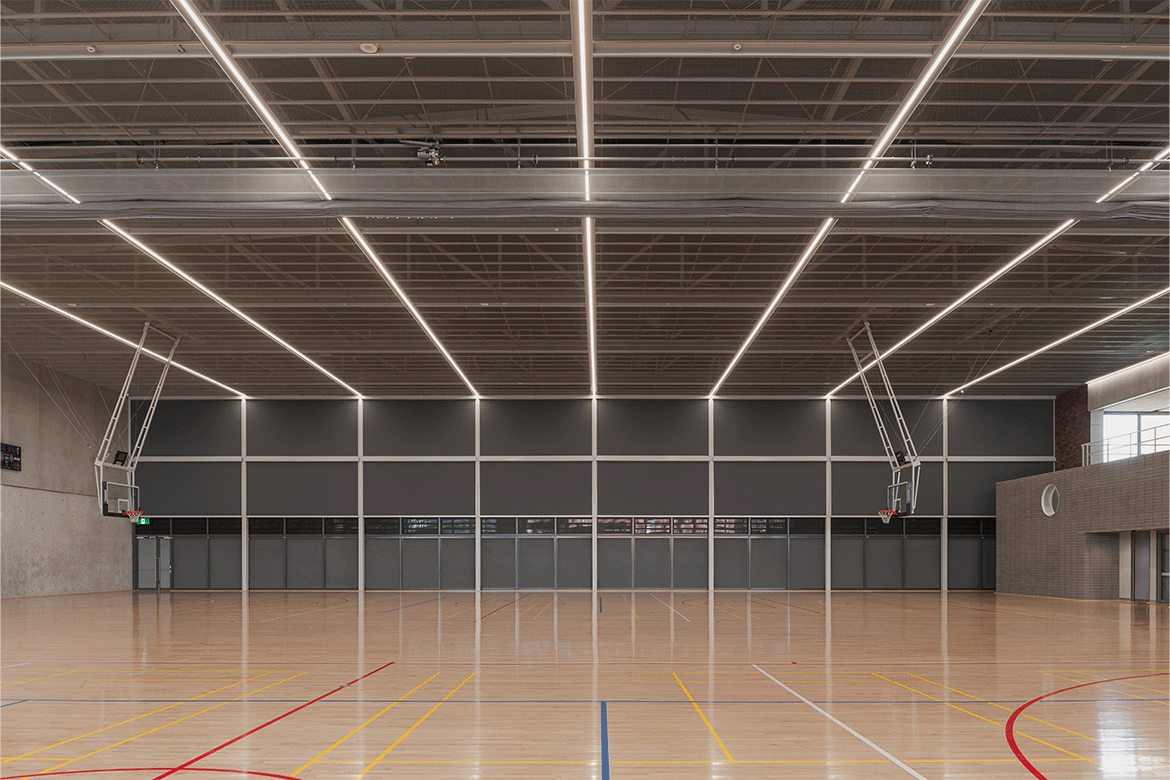
Metallic magnificence revealed at Milan
When Italian furniture maker, Pedrali partnered with design studio, Formafantasma, the collaboration was always going to result in something both elevated and imbued with impeccable detail and flair.
Articles
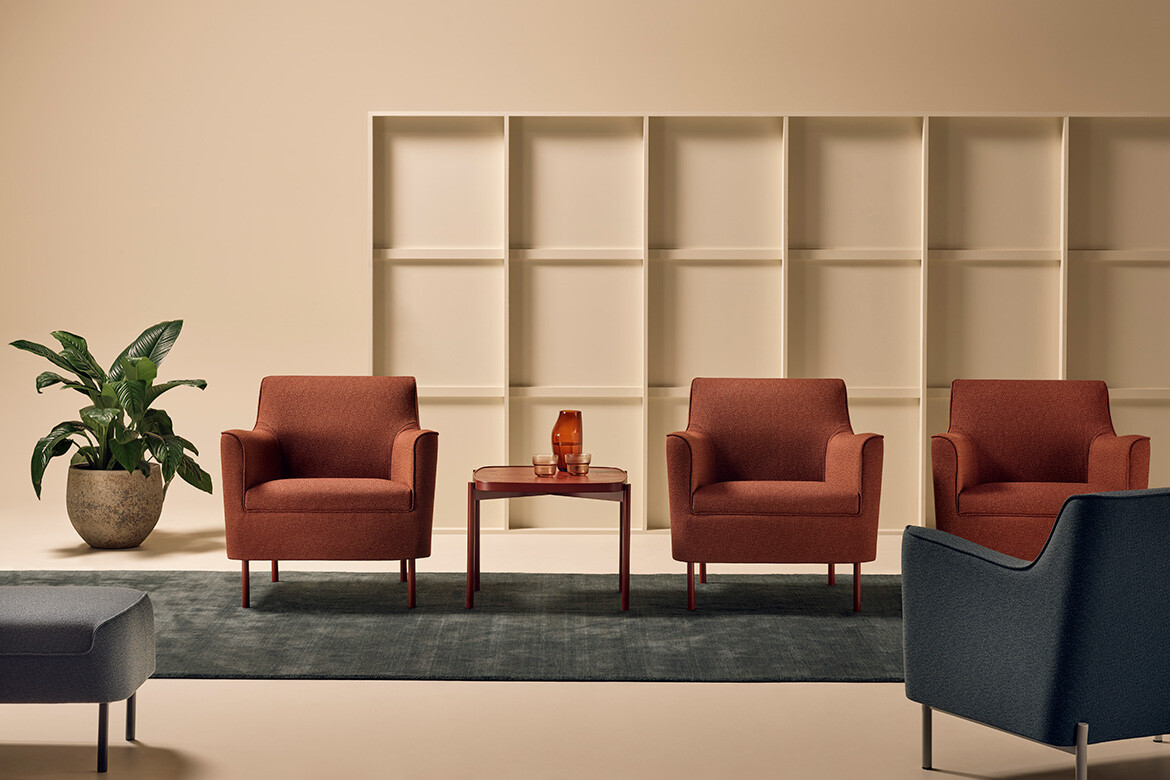
In a different light: The Geelong College’s Belerren Centre designed by Wardle
The Geelong College’s Sport and Wellbeing Centre ‘Belerren’ designed by Wardle is designed around bringing in natural light. But Shade Factor’s job was to help modulate and precisely control it for the most important competitive moments.
Articles
Designed to endure
Developed by bangdesign for Stylecraft, Kinn is an Australian-made collection of seating and occasional tables, shaped by modest proportions, practical detail and the changing demands of shared interiors.
Articles
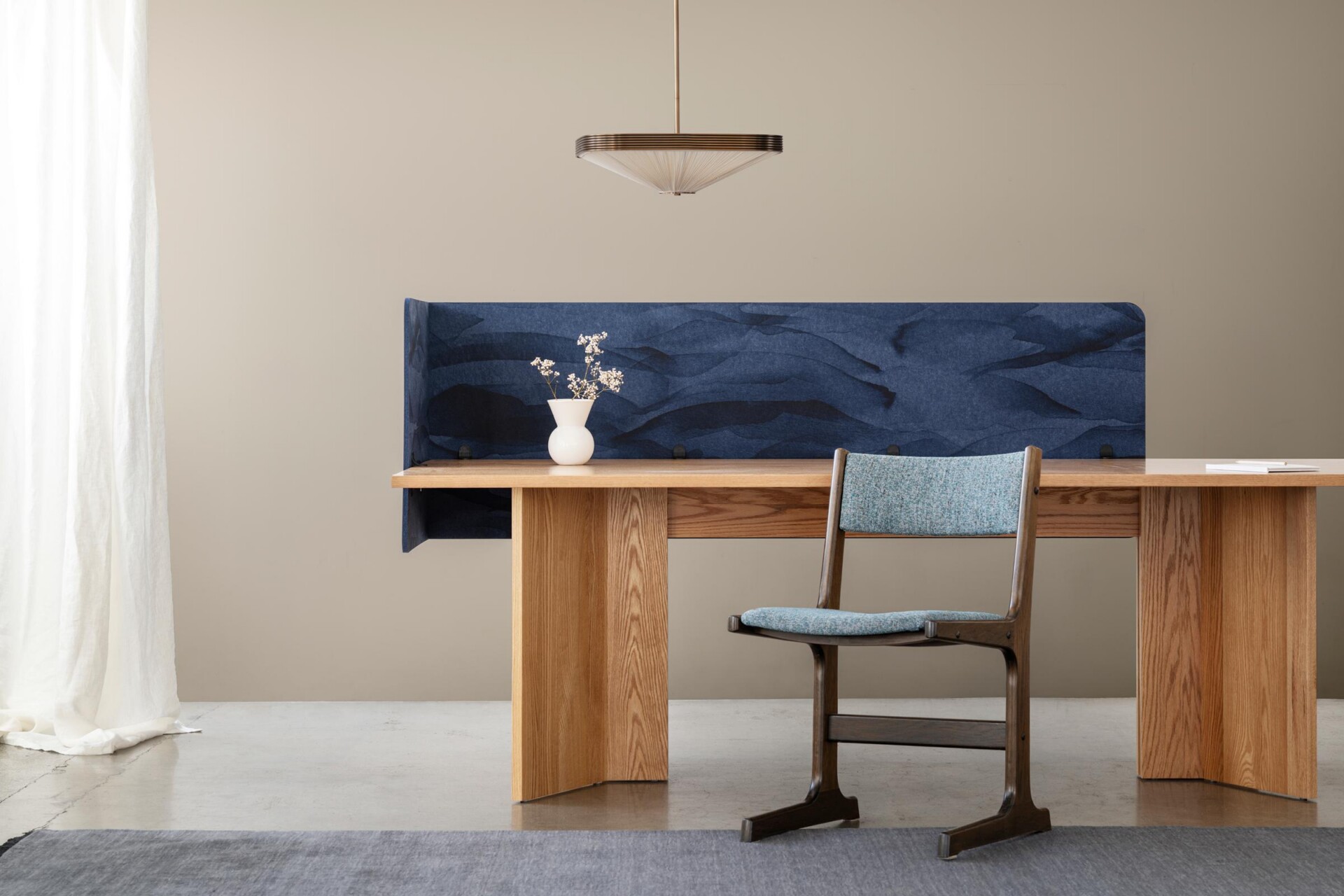
Tame clamour and harmonise hum
Interior architecture needs to shape a balance between the energy of collaboration and the facility for focused concentration.
Articles
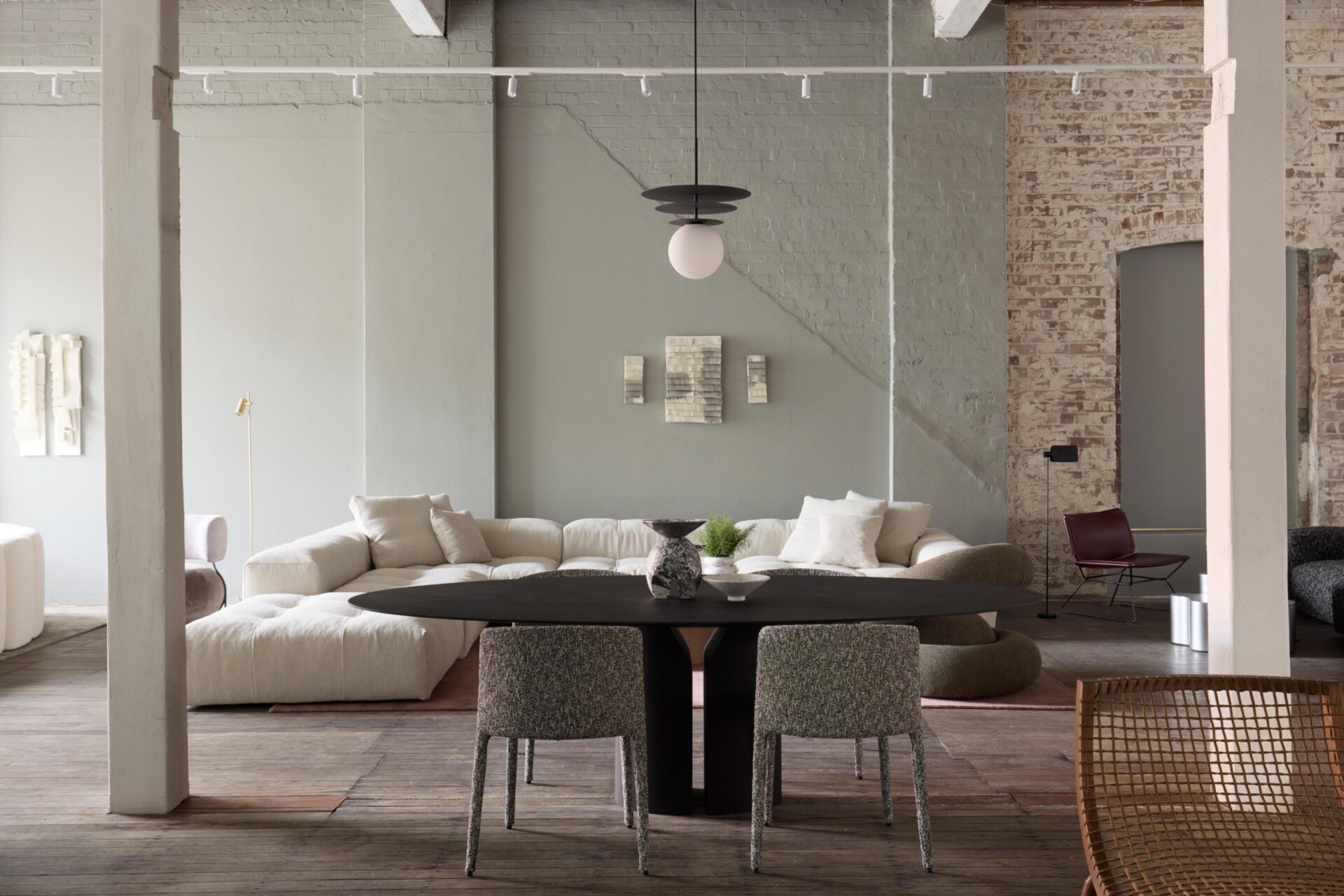
The brand spotlighting furnishings crafted with purpose and the skilled design minds behind them
A wander around a BACHLI showroom reveals a tapestry of captivating furniture designs, curated precisely and craft-led. Thanks to its longstanding partnerships with iconic designers, BACHLI has become a go-to for discovering the most exciting established and emerging Australian and international brands. Initially based in Melbourne, BACHLI have recently expanded into Sydney with their Surry Hills showroom, increasing their presence and opening their invitation to the design-savvy and curious nationwide.
Explore more advertorials written by us
View More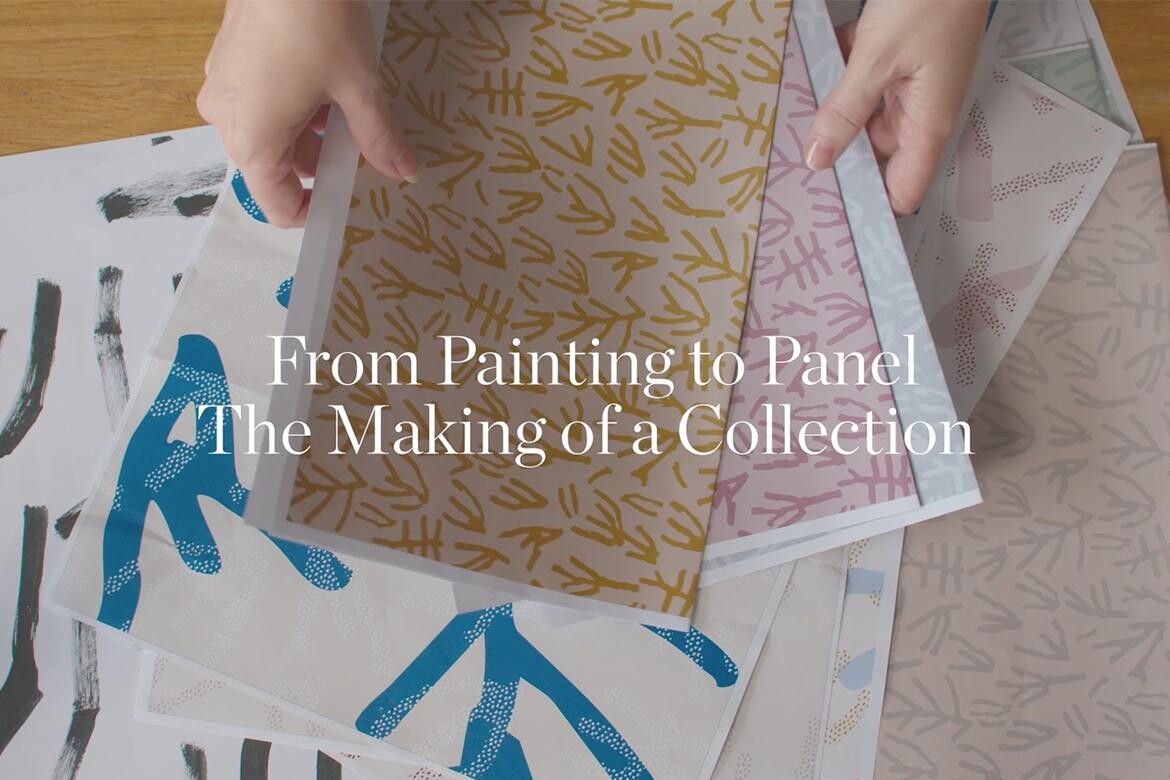
Articles
From canvas to commercial interiors: Woven Image collaborates with Ben Goss
As Woven Image celebrates 40 years, it introduces a new collection developed in collaboration with Australian artist Ben Goss, inspired by his original artwork Where the Kookaburra Sits into a vibrant collection of digitally printed EchoPanel® murals and patterns.
View Article
Latest Projects
New Developments highlighting cutting-edge designs and diverse solutions.
QLD
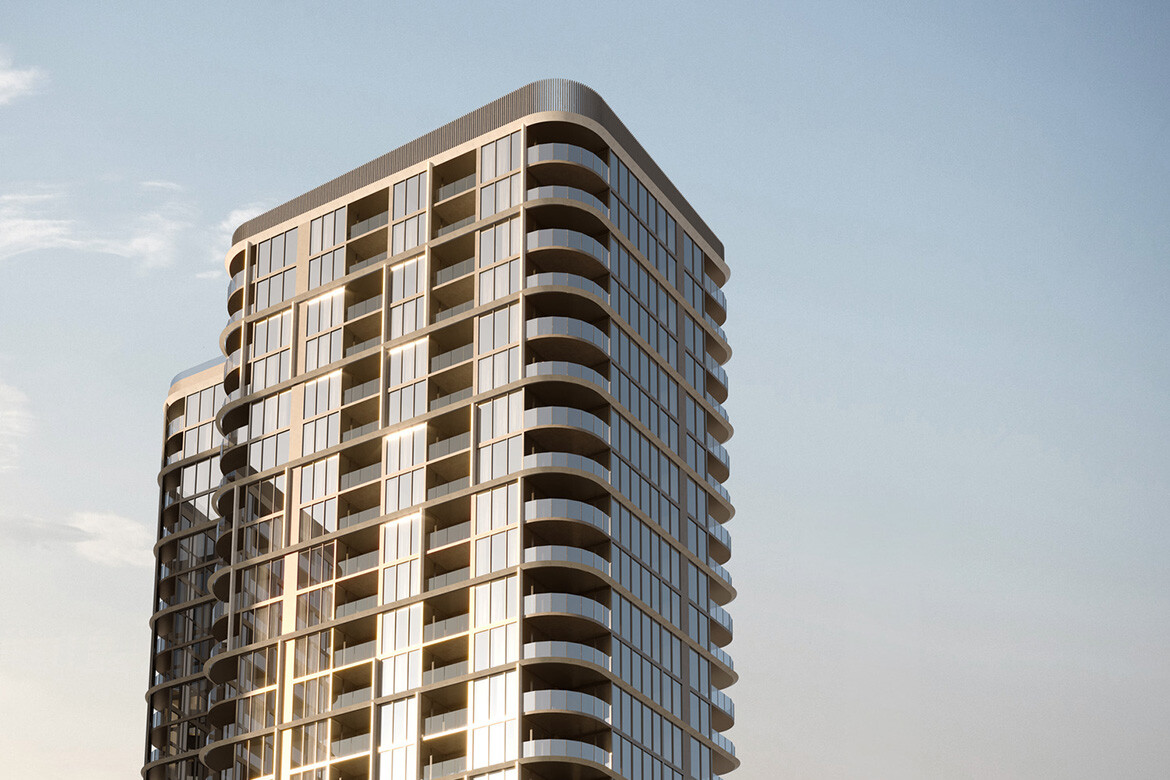
Living outside the box
At Northshore Hamilton, Plus Studio’s Danny Juric is looking beyond the apartment tower as an isolated object, drawing on mature trees, Brisbane’s subtropical climate and the rituals of outdoor living to shape Duet.
Project
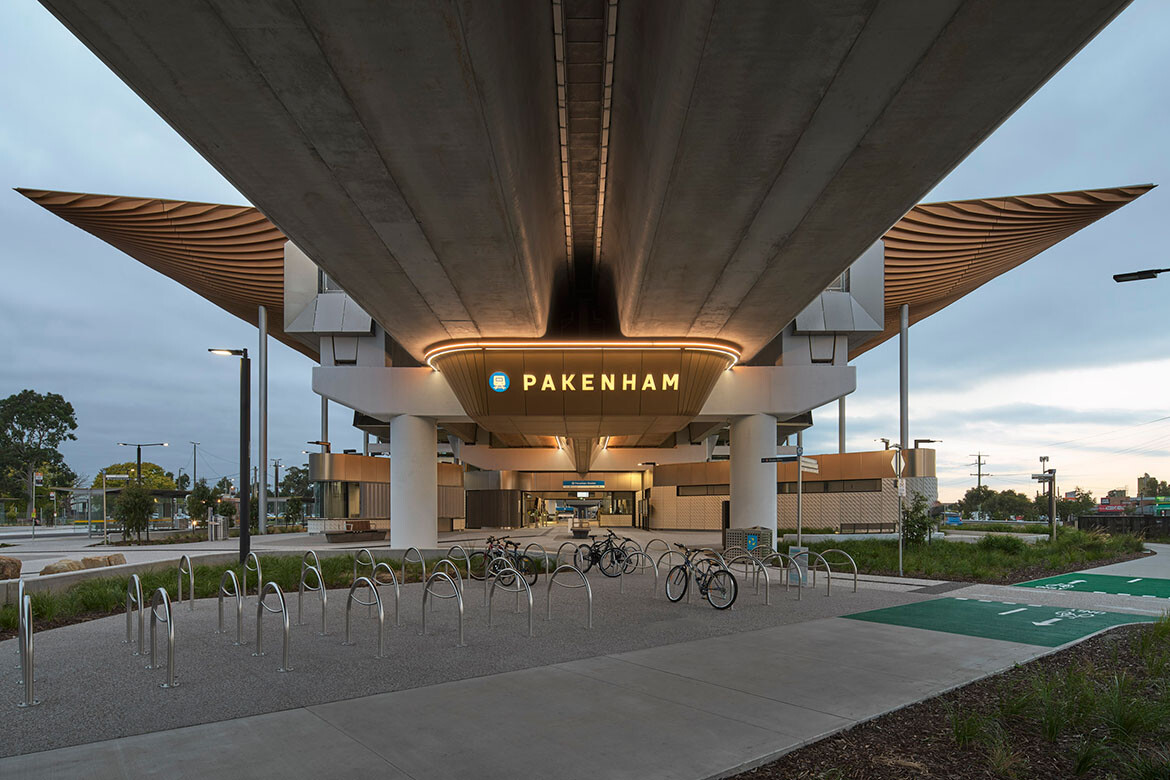
A civic gateway for Pakenham
Genton’s Pakenham Station transforms a utilitarian transport interchange into an open civic landmark, reconnecting the town through landscape, public space and infrastructure designed around Country.
Workplace
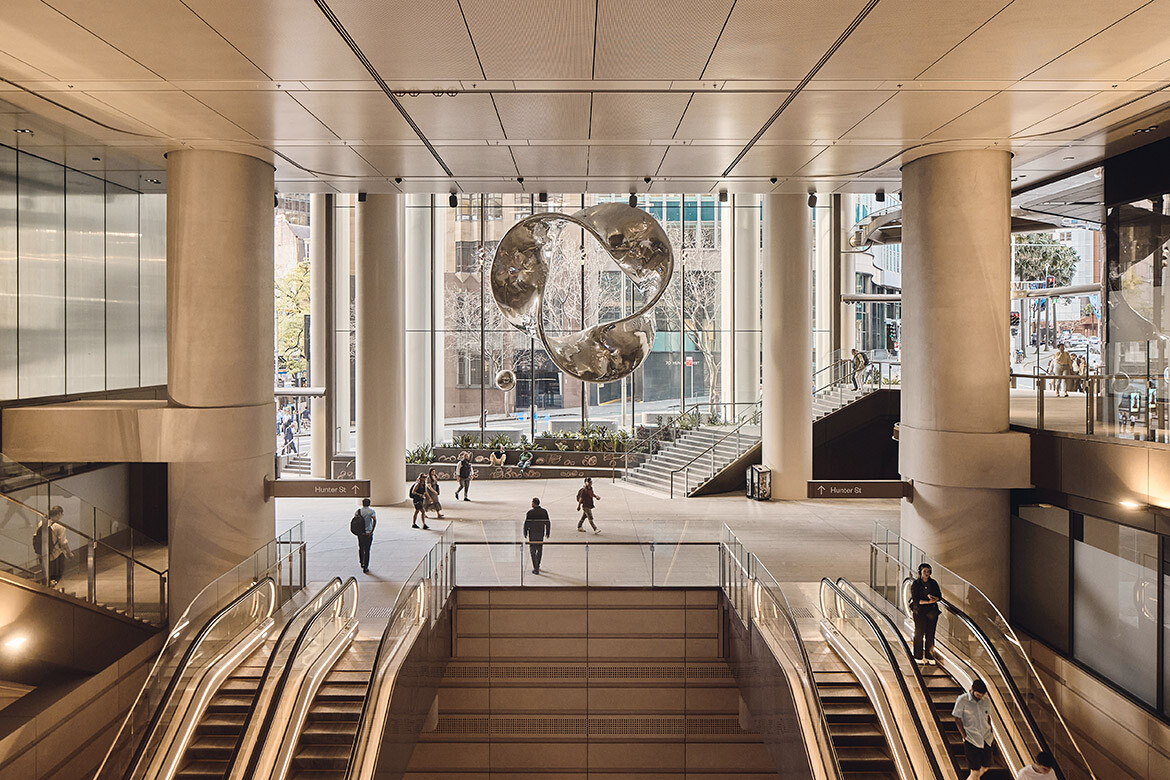
Per atria ad astra
In the very heart of Sydney’s CBD, 1 Elizabeth is a vast civic-scale project that integrates workplace design, transport infrastructure, event spaces, and hospitality around some dramatic void spaces.
Workplace
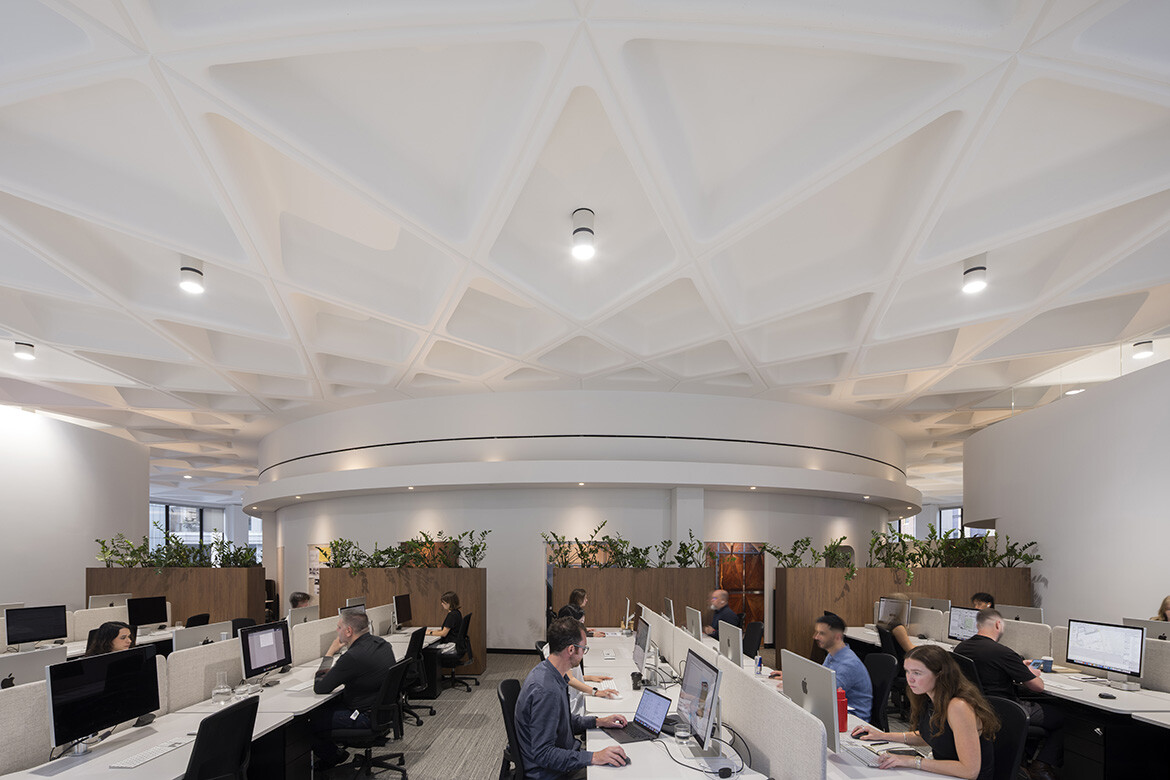
Seidler, Nervi and fjcstudio walk into an office tower
Set within hallowed architectural surroundings amidst the ghosts of Harry Seidler and Pier Luigi Nervi, fjcstudio’s new Sydney home brings geometric clarity and a spirit of creative exchange to a challenging workplace fit-out.
Workplace
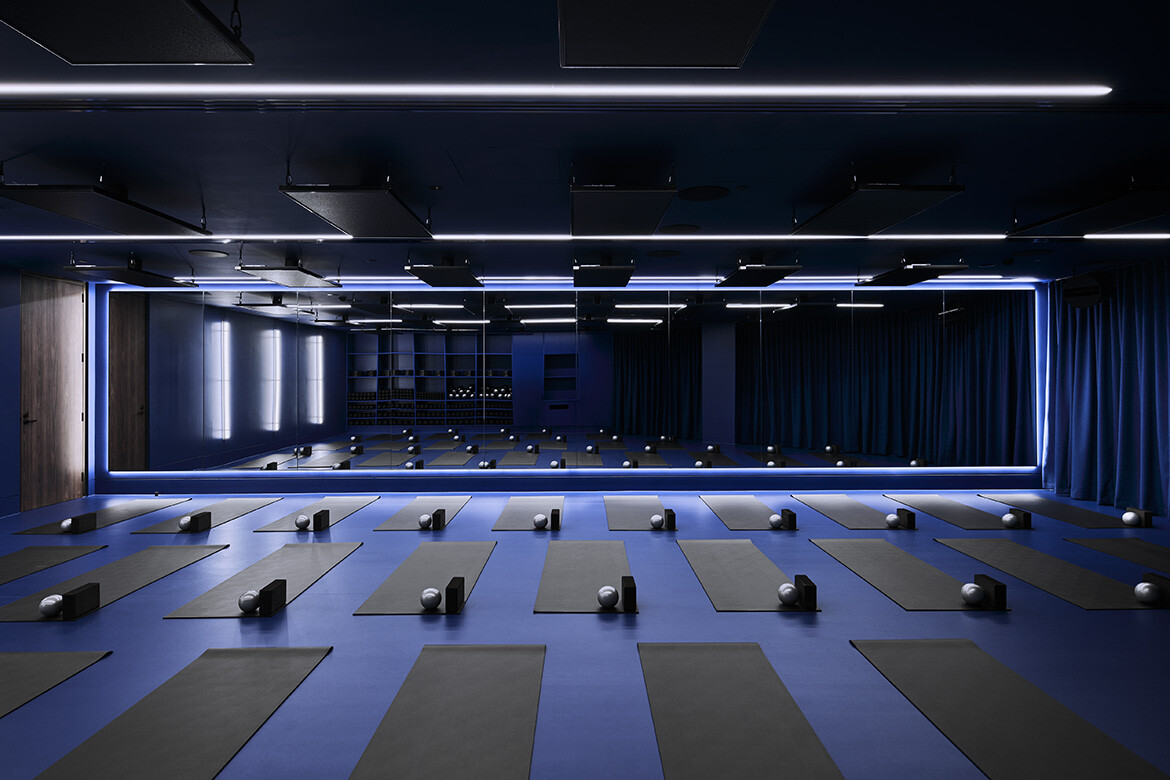
Softness balanced with boldness in Technē’s lobby fitness fit-out
The very first SFIDI fitness and wellness centre is a cutting-edge interior architecture fit-out designed to add impactful new life to the lobby of Melbourne’s Rialto Towers.
Explore more published projects
View MoreCPD Live
Secure your CPD points with our on-demand sessions
CPD
Custom Architectural Products – Balancing Creativity with Caution
Presented by Shade Factor
CPD
Why Bio-Based & Rapidly Renewable Building Materials Matter
Presented by Woven Image
CPD
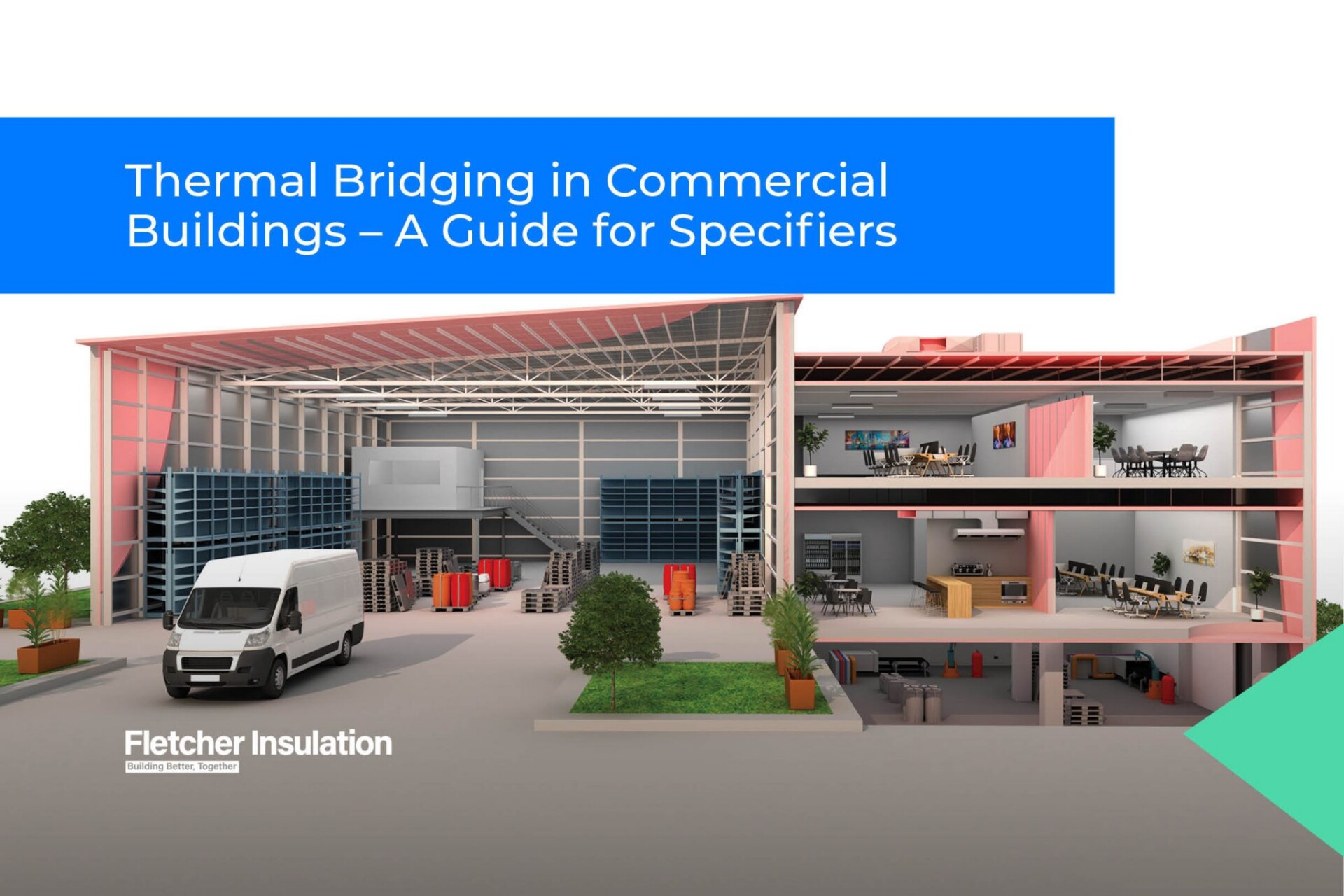
Thermal Bridging in Commercial Buildings – A Guide for Specifiers
Presented by Fletcher Insulation
CPD
Reigniting Regenerative Architecture
Presented by Havwoods
See more articles
View More
Indesign latest magazine
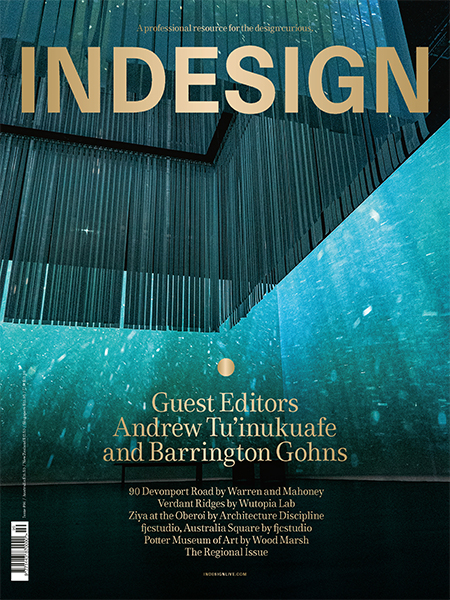
Issue #95
Welcome to the ‘Regions’ issue and the considered and attuned minds of Guest Editors Andrew Tu’inukuafe & Barrington Gohns, Principals of Warren and Mahoney. In this issue, the INDE.Awards are celebrated, along with fabulous projects from across the region, brilliant profiles of those shaping our world, and considered thought, all making this an exceptional issue.
Articles
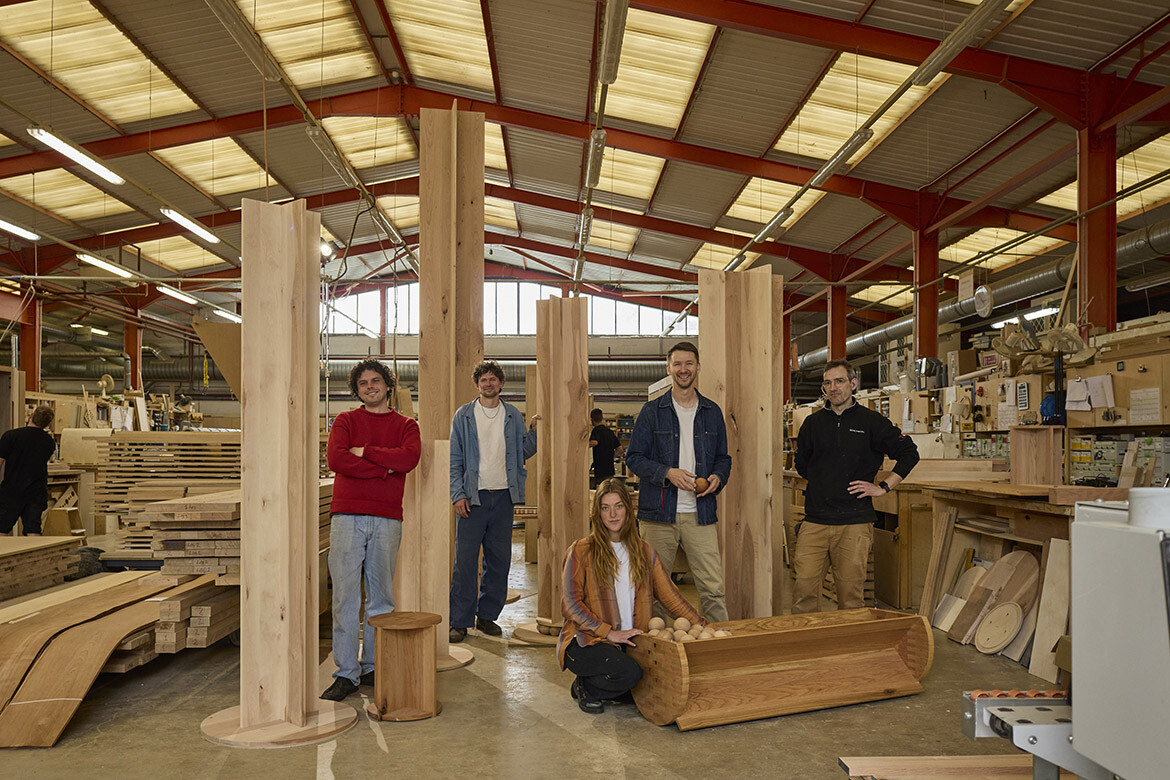
What AHEC’s Wood for the Trees Reveals About the Future of Sustainable Design
At 3daysofdesign 2026, AHEC’s immersive exhibition traced the journey of American hardwood from forest to finished product.
View Article
Product News
Up-to-the-minute innovations in design

Events
Academy Tiles create spectacular new home in the heart of Sydney’s architecture and design community
Following a packed August event attended by architects, designers, overseas product suppliers and many more, the stunning new 600-square-metre showroom in Redfern is officially open to the public.

Events
Crossing hemispheres with hardware
New York design studio, CIVILIAN, has teamed up with Bankston Architectural to create the new collection, Hemispheres.

Events
3days of dreaming: Reporting from Copenhagen’s design festival
We round up the eight projects at Copenhagen’s 3daysofdesign that best reflected this year’s theme: Dare to Dream.
View more product news
View MoreProduct LISTING
Latest Products recently Added to OUR DIRECTORY


Explore more Products
View MoreFeatured Brands
Leading Brands that contribute to excellence in the design industry



See more Brands on Indesign Live
View MorePeople
Interviews and stories from the people shaping design
Events
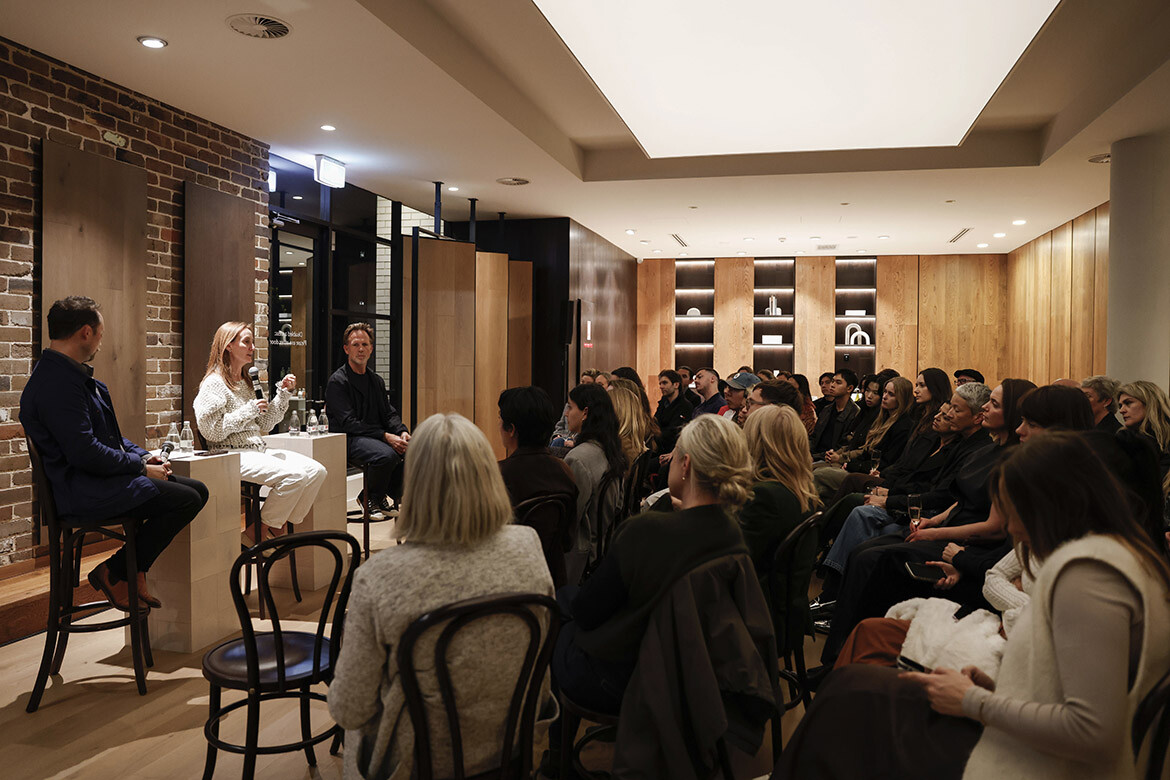
A rollicking good story with Richards Stanisich and Royal Oak Floors
Jonathan Richards and Kirsten Stanisich discussed practice, design process and the business of running a studio at a live audience event hosted by Royal Oak Floors in Sydney.
Events
Indesign x Wilkhahn: Melbourne, where are you working?
Our latest collaboration saw a range of designers come together at Wilkhahn’s Melbourne showroom for a discussion on the workplace dynamics specific to the Victorian capital.
Events
“A journey into a whole new material world”: Plant Life at the NGV
Curator Ewan McEoin tells us about the NGV’s new exhibition on plant-based materials as alternatives to plastics, synthetic materials and other non-renewable resources.

Events
The inaugural Coastal Design Assembly is about to make landfall in Sydney
Sophie Lanigan, organiser of a new event centring on Sydney’s relationship to water, tells us what the event’s all about, who it’s for and why it matters today.
Events
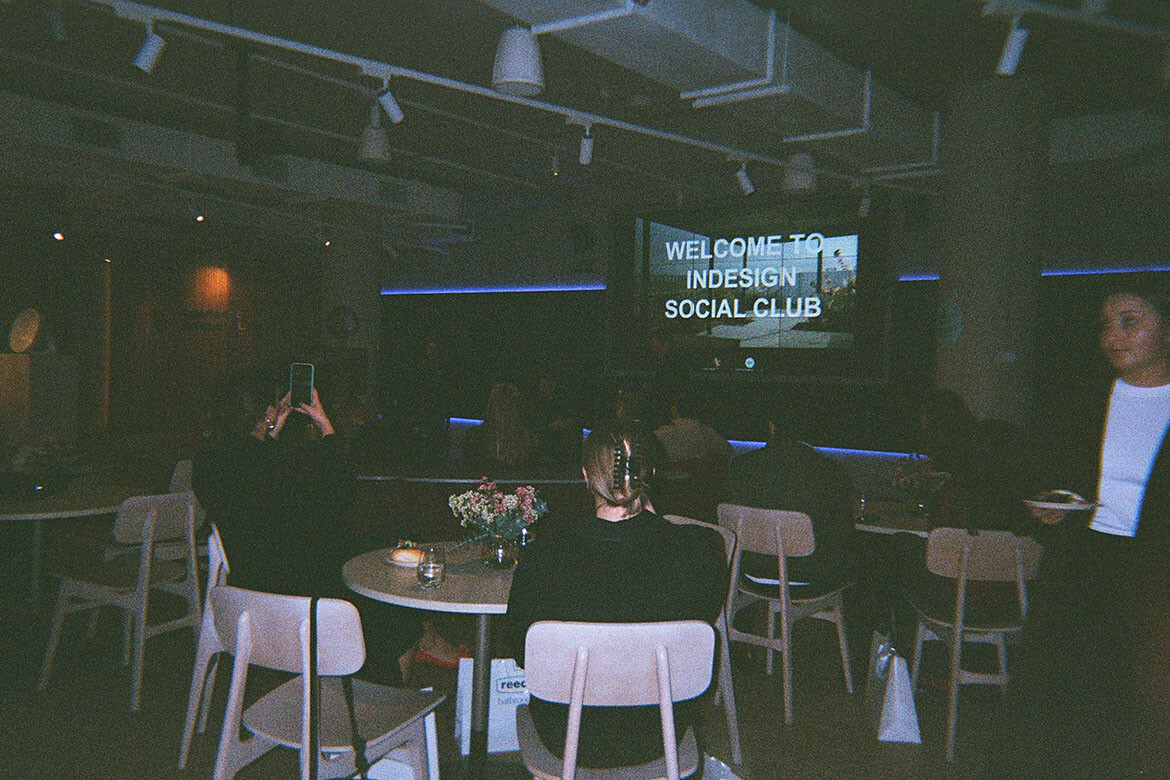
Indesign Social Club kicks on in Melbourne with Reece
Born out of Saturday Indesign research, our new Social Club is a space for younger, junior designers to meet and discuss the issues of the day — and it just hit Melbourne for the first time.
Events
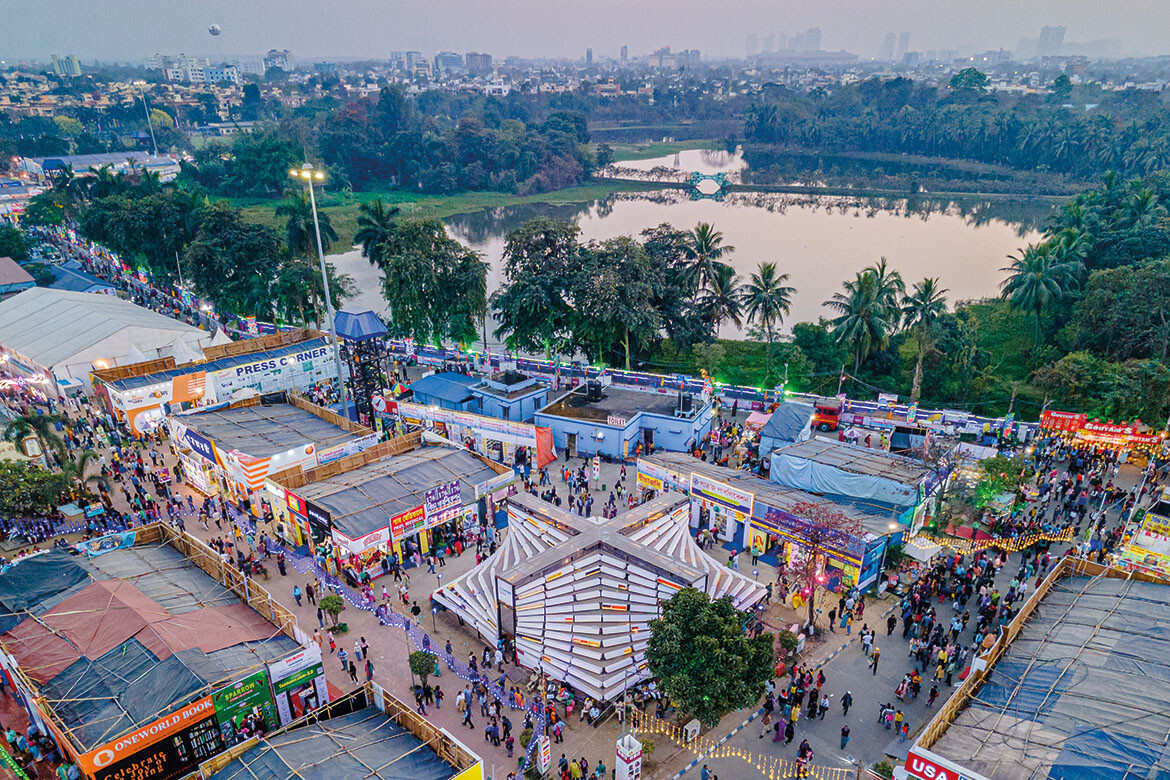
We talk to Anupama Kundoo ahead of Living Cities Forum 2026
As the Living Cities Forum returns to Sydney and Melbourne this August, Kundoo — appearing alongside international speakers such as Finn Williams and Ludwig Engel — tells us about time, abundance and care in her work.
View more people stories
View MoreLatest Podcast
Listen in on unscripted, thoughtful conversations within the design community
Podcast
We talk to Anupama Kundoo ahead of Living Cities Forum 2026
As the Living Cities Forum returns to Sydney and Melbourne this August, Kundoo — appearing alongside international speakers such as Finn Williams and Ludwig Engel — tells us about time, abundance and care in her work.
Listen Now
Podcast
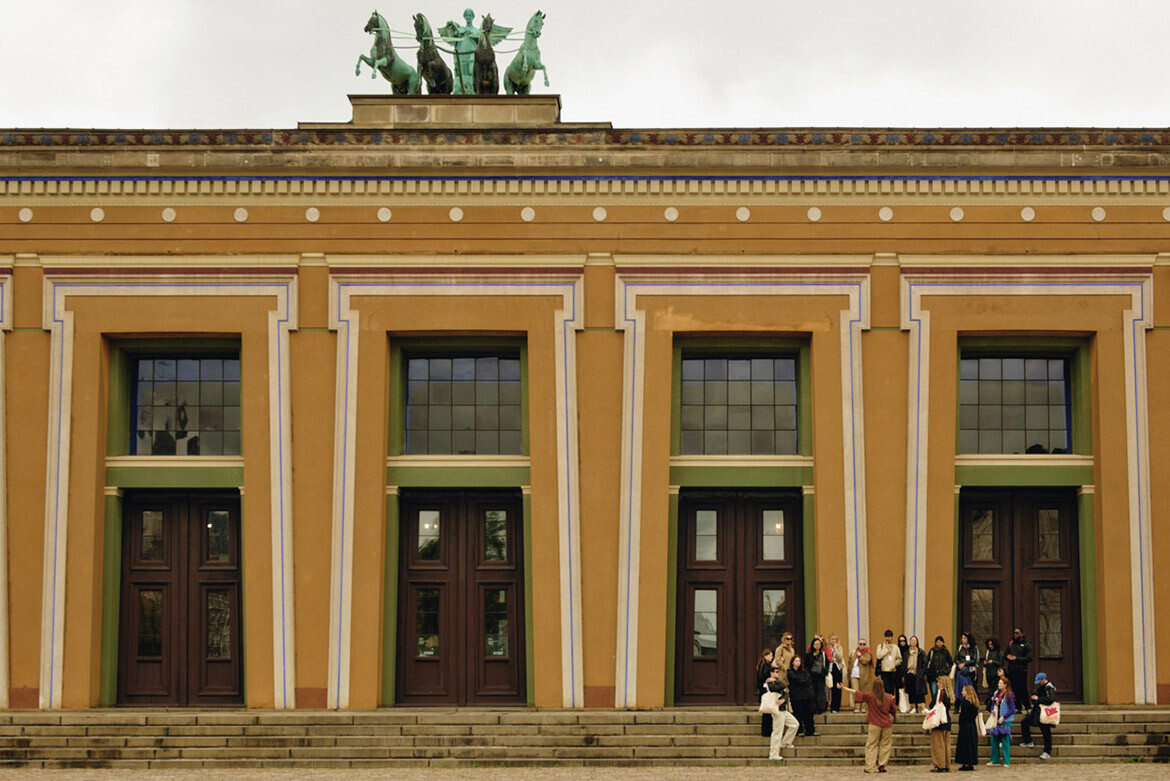
Copenhagen special: 3daysofdesign roundtable podcast is here!
Claire Delmar, Eva-Marie Prineas, Jason Gibney and Anton Assaad join STORIESINDESIGN to discuss the charm of Denmark’s capital city and their takes on 3daysofdesign 2026.
Listen Now
Podcast
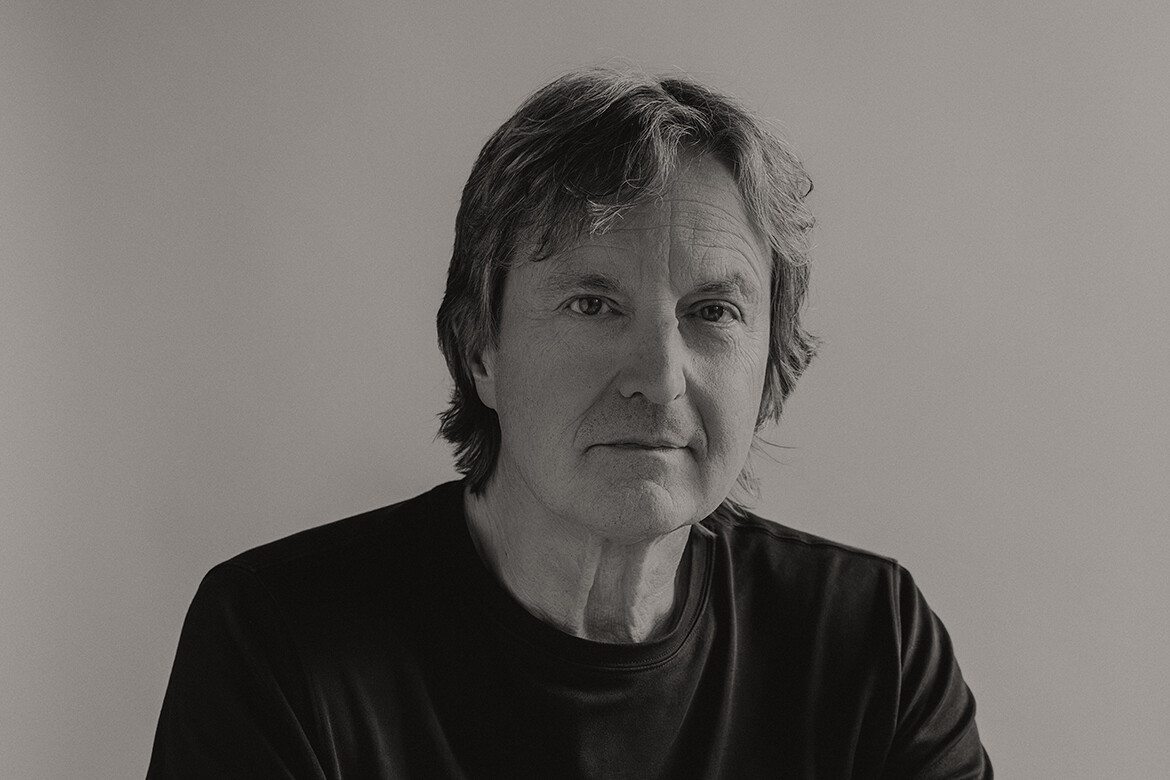
Tom Kundig joins the podcast in Sydney
The renowned American architect stopped by to record a STORIESINDESIGN episode with Timothy Alouani-Roby, delving into his philosophies of design and the landscapes that inspire his work.
Listen Now
Podcast
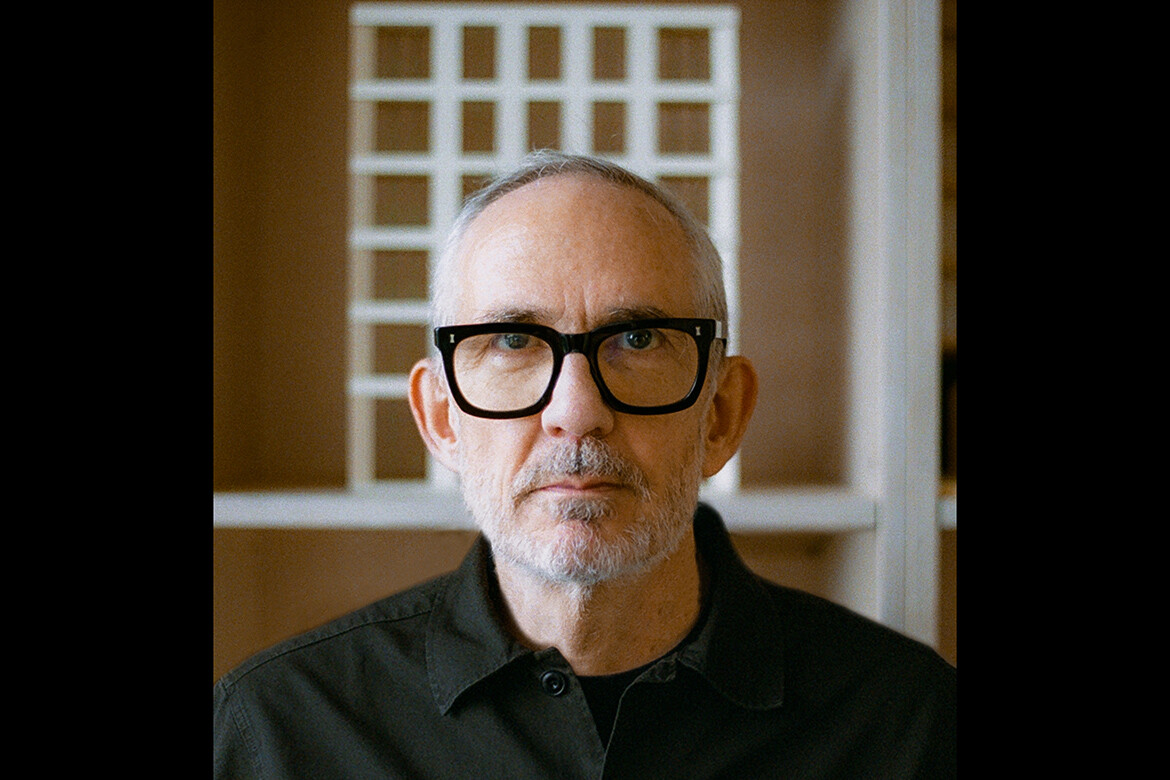
STORIESINDESIGN with RIBA Royal Gold Medallist, Níall McLaughlin
Recently in Australia as plans for the first new cathedral in over a century in Sydney were announced, Níall McLaughlin met Timothy Alouani-Roby during his visit to discuss community, tradition, inspiration and the history of architecture.
Listen Now
Explore podcast episodes from us
View More