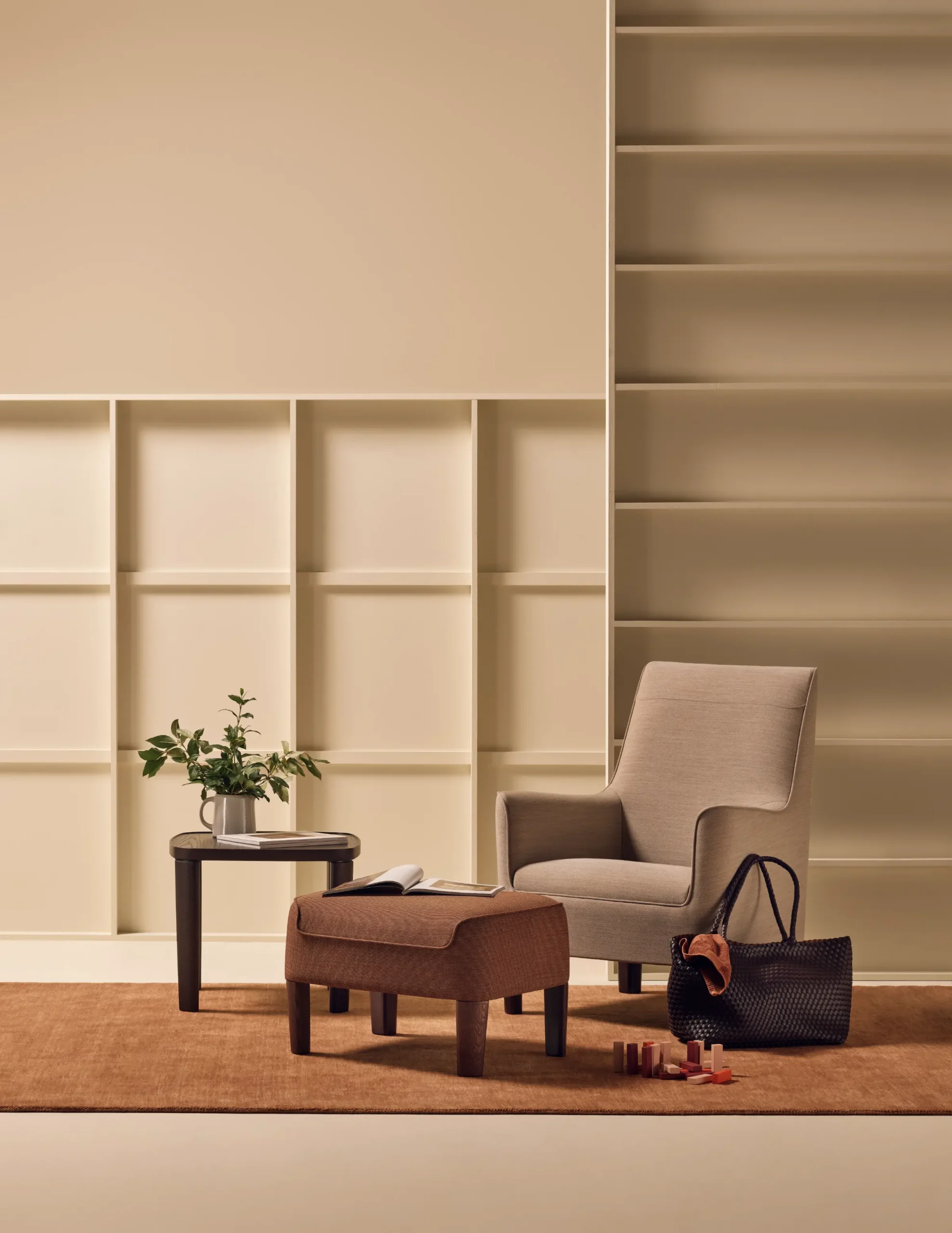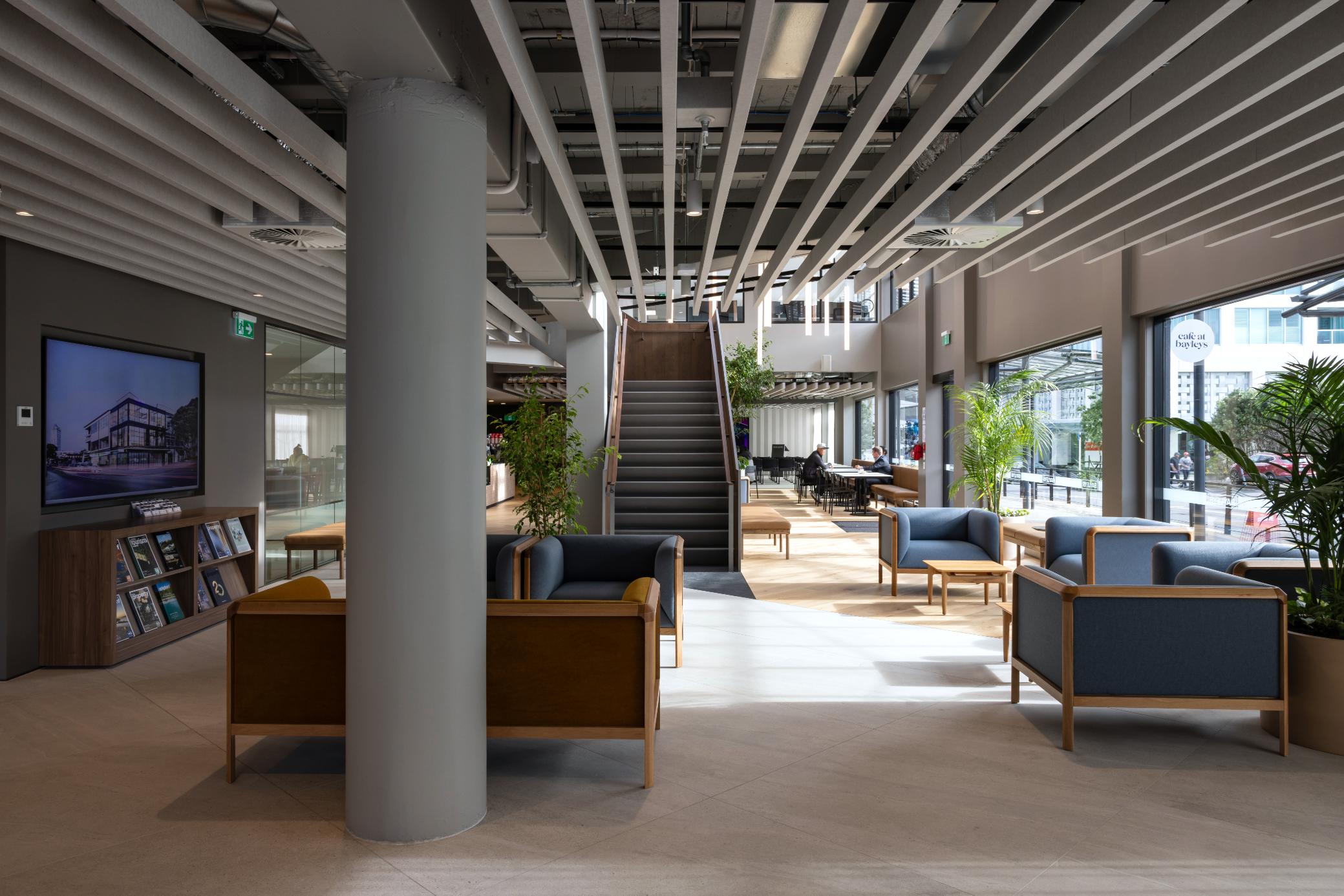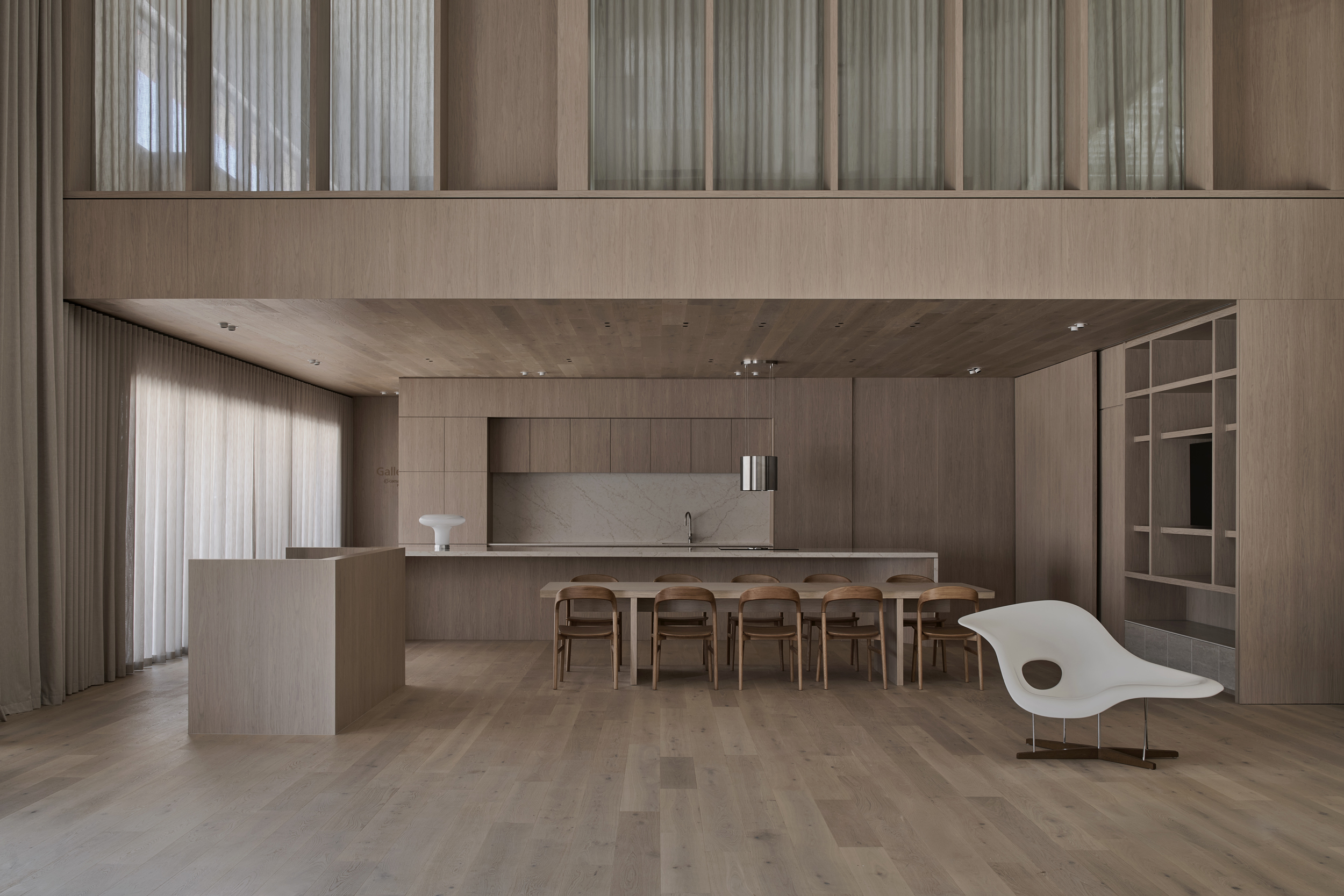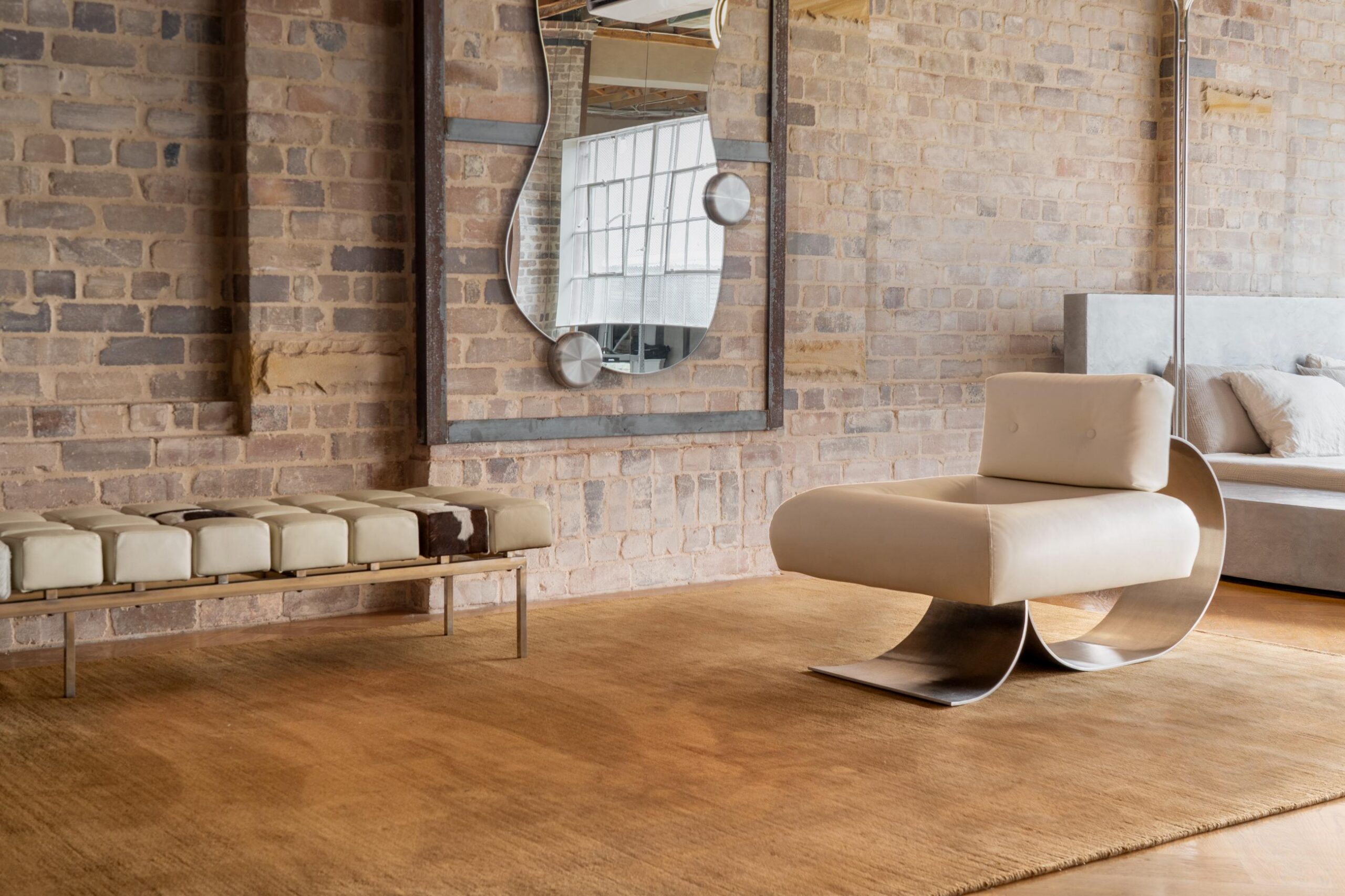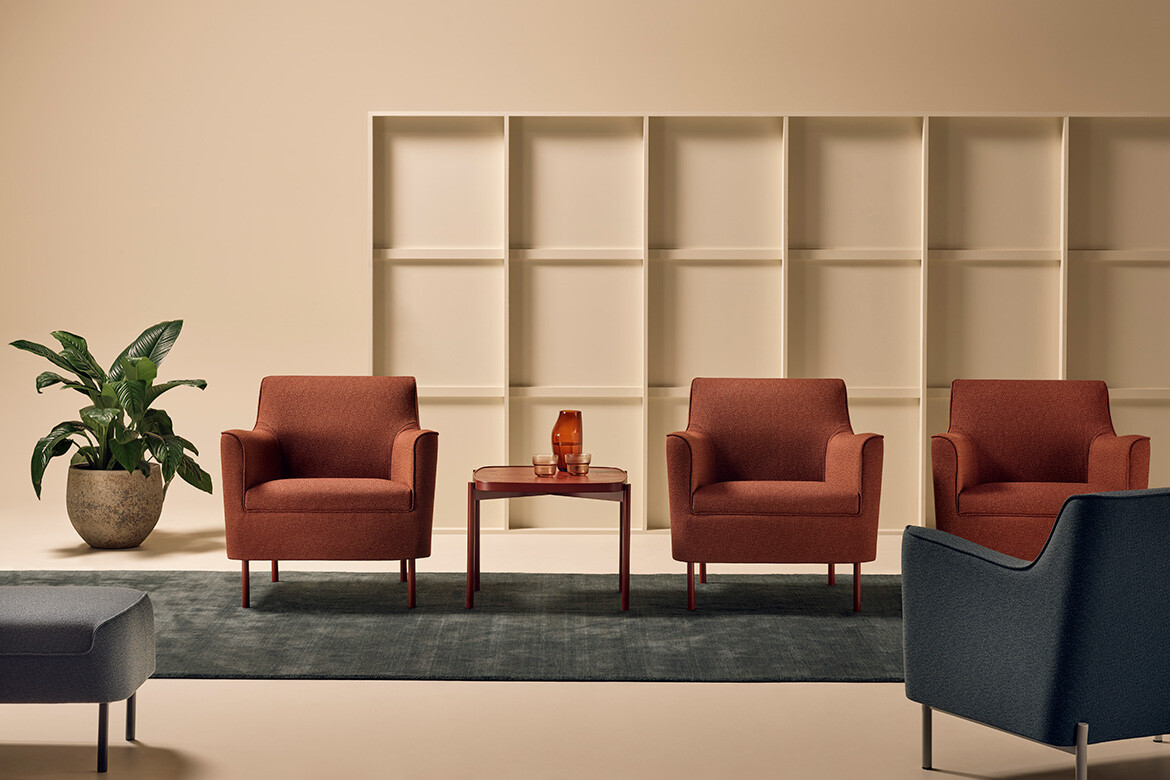
Designed by bangdesign for Stylecraft, the new Australian-made collection Kinn was developed to sit comfortably across workplaces, healthcare, aged care, education and public interiors. Its job is to accommodate different people and remain useful long after the mood of the moment has passed.
“This isn’t trying to hit a trend,” says bangdesign co-founder David Granger. “It’s trying to work under that radar and be just as topical five or ten years down the track.”
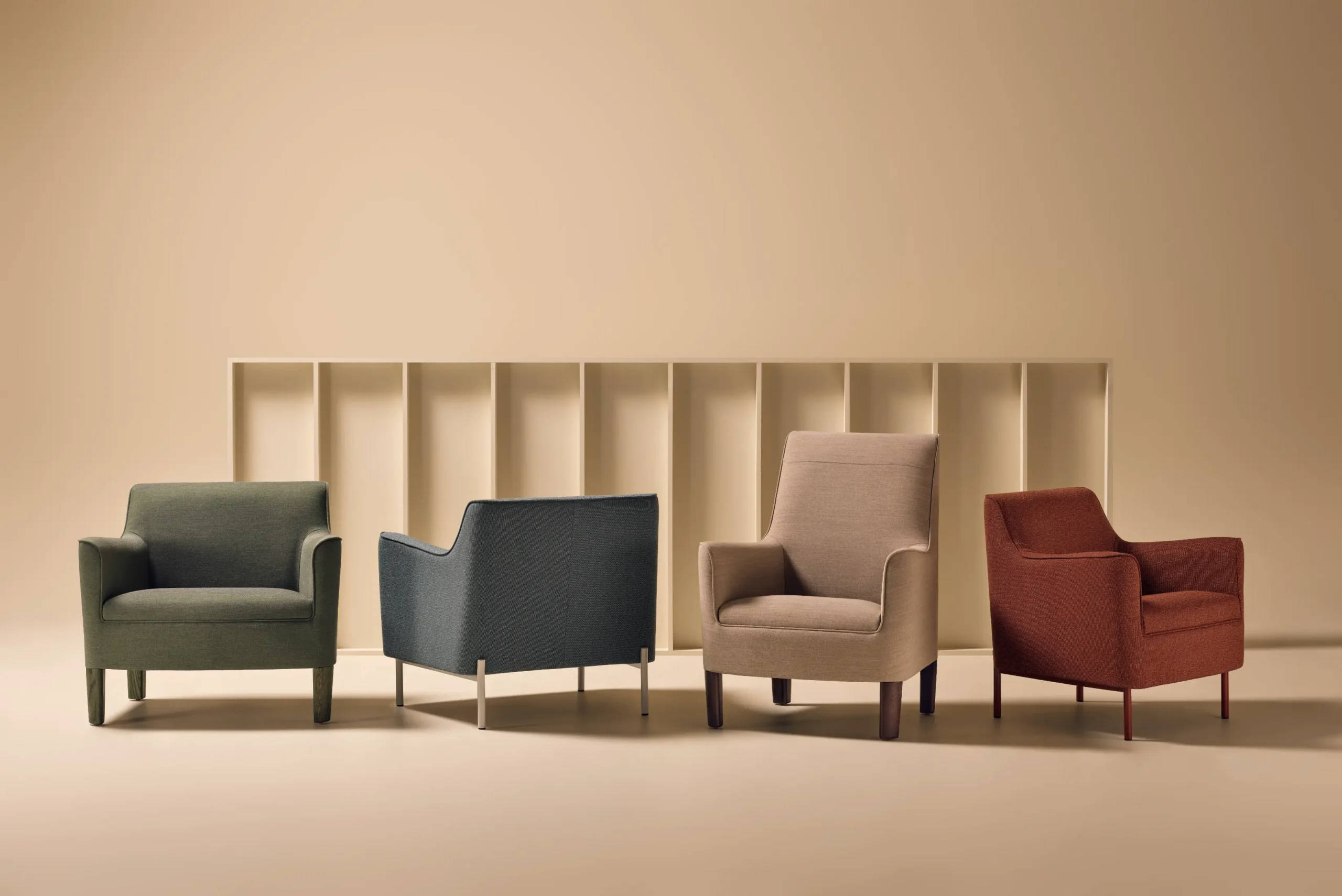
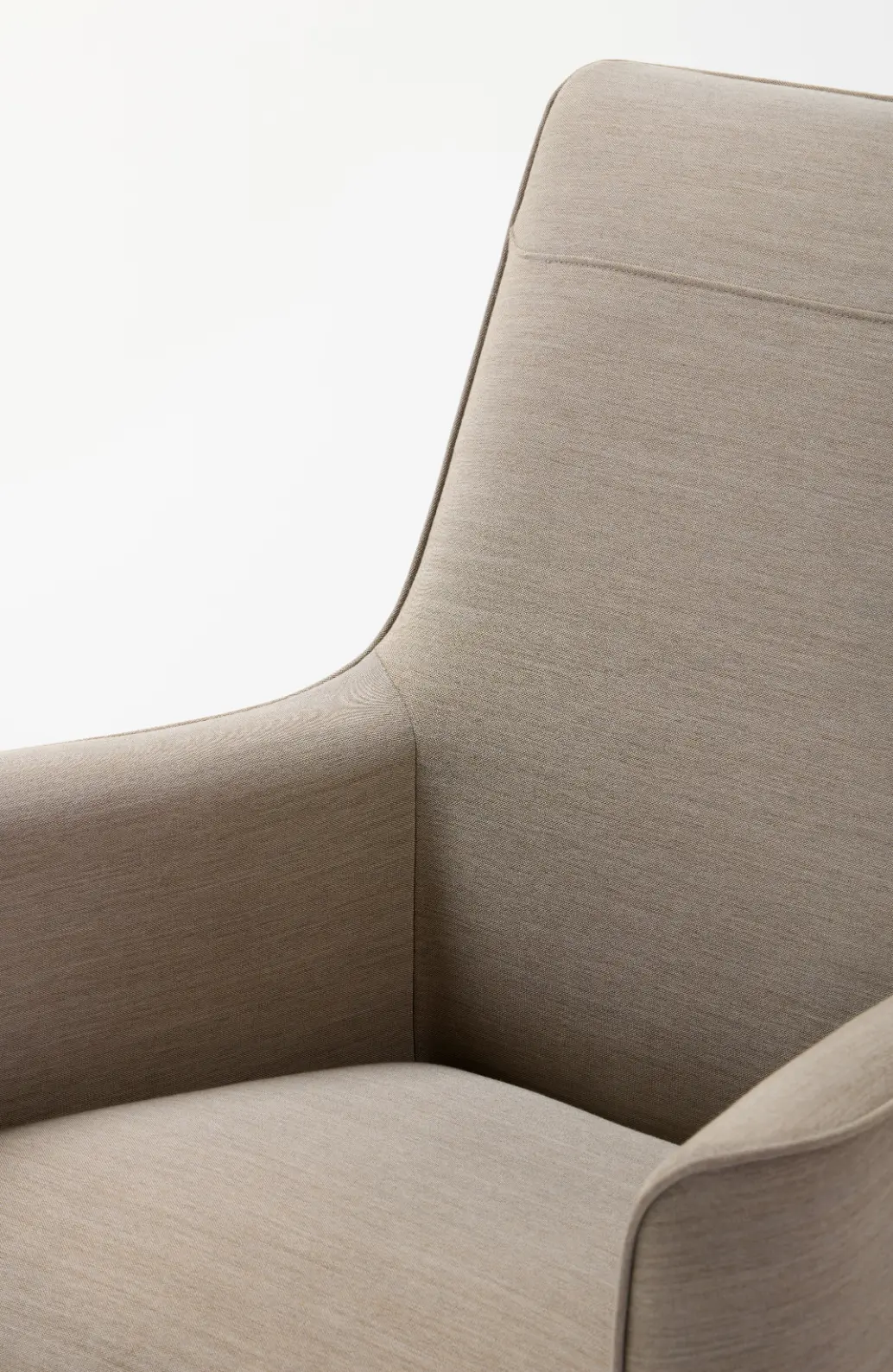
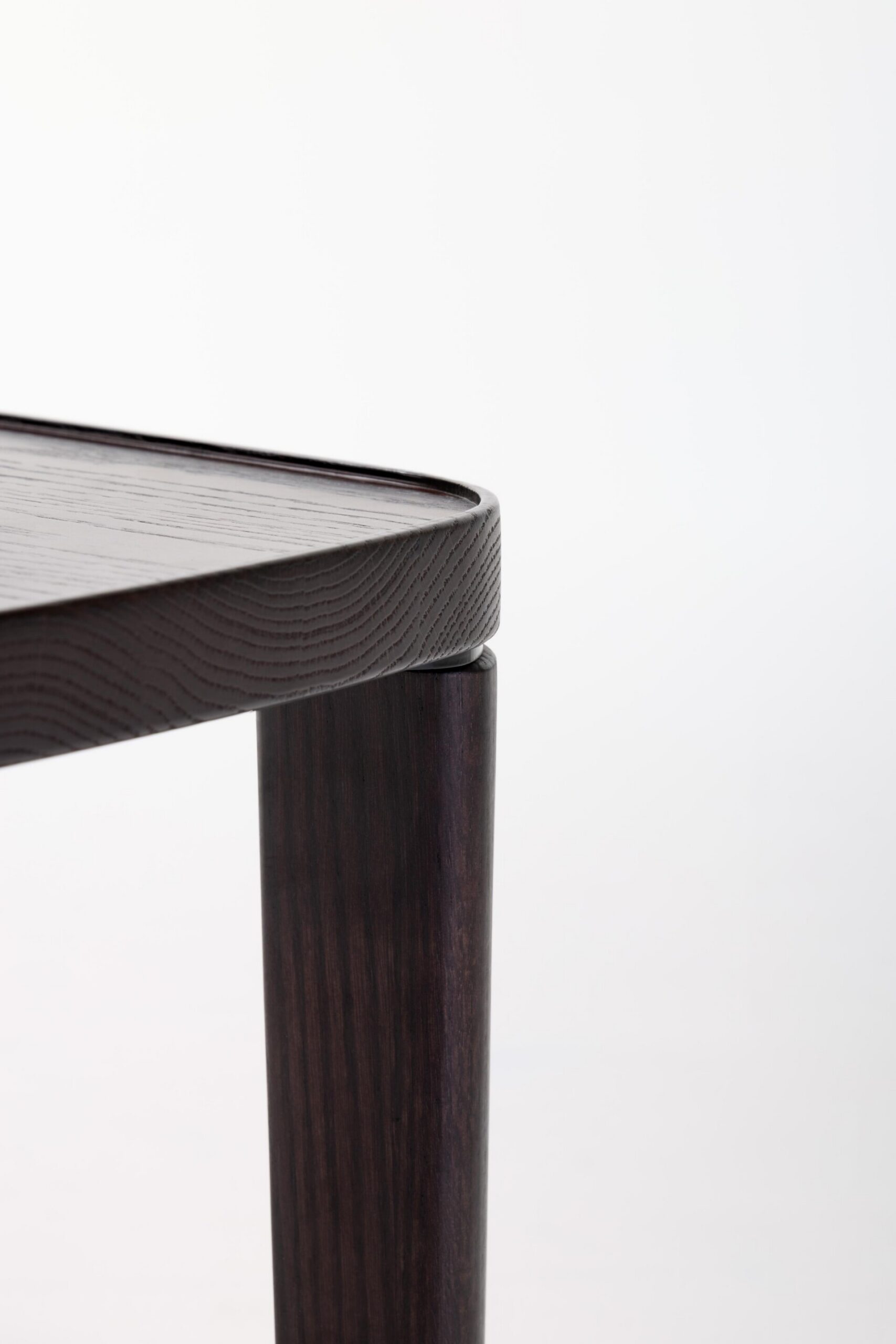
The collection includes armchairs, lounges, ottomans and occasional tables, all built around a restrained language of clean lines, elevated frames and compact dimensions. Granger describes it as furniture that should complement an interior rather than place its own stamp on it.
Scale was central to the design. In tighter commercial environments, an oversized chair can limit how many people a room accommodates or make circulation more difficult. Kinn’s deliberately modest footprint gives designers more freedom, while a compact armchair, wider armchair, high-back option and several lounge configurations allow the collection to respond to different settings.
That range matters because commercial interiors no longer fall into clear categories. “There’s an awful lot of crossover,” says Granger. “Hospitality venues are looking a little more work-like, higher education has a lot more user-based spaces in it and healthcare facilities are so much more user-friendly.”
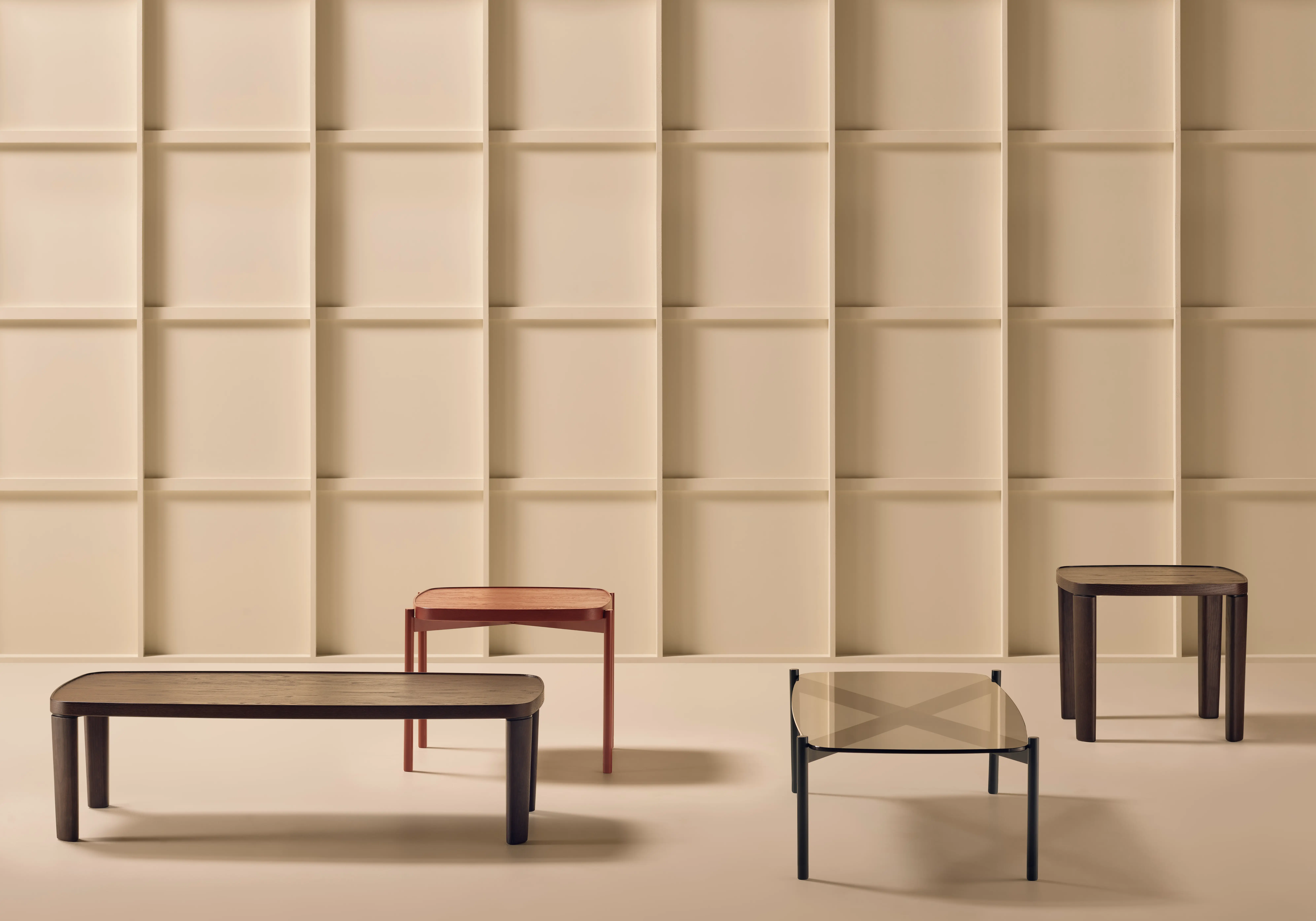
Kinn’s quieter details come from observing how these spaces operate. The elevated frame allows light to pass beneath the furniture, makes cleaning easier and creates space for a handbag, backpack or personal belongings. Seat height, depth and back support were also developed to make the chairs easier to enter and leave, particularly in healthcare, aged care and waiting environments.
“You don’t want it to feel like a struggle to get up and out of the chair,” says Granger.
The collection can also be adjusted through material and upholstery choices. Timber or powder-coated steel legs shift its character, while contrast piping, two-tone upholstery and high- or low-back options allow variation within a consistent family. The intention is not endless customisation, but enough flexibility for designers to create cohesion without repetition.
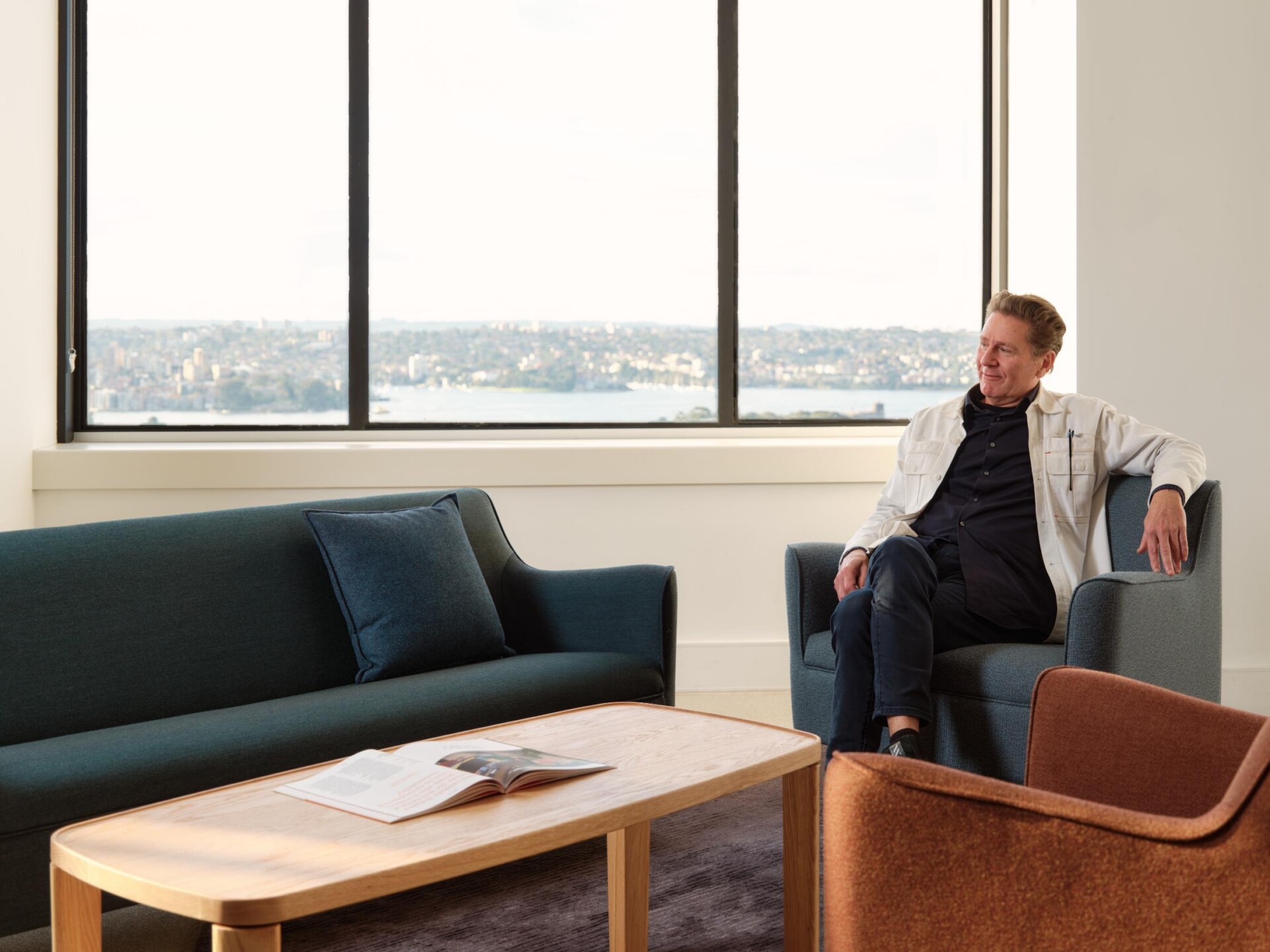
For Tony Russell, Brand Director at Stylecraft, this breadth was important from the beginning. Kinn could not be tied to one market segment. It needed to work in a workplace, library, healthcare project or public setting without feeling displaced.
That versatility also reflects the value of local manufacturing. Stylecraft has produced furniture in Australia for more than 70 years, and Russell says close contact with specifiers, clients and end users often shapes the development of new ranges.
“There’s a constant dialogue,” he says. “People are always asking, ‘Can we do this? Can we do that?’ You have those conversations often enough and you start to gather the core of what is really needed.”
Sometimes a custom request becomes a standard option. At other times, feedback from an architect, designer or client using the furniture finds its way into a later product. For Granger, these exchanges are often more useful than a purely technical design process.
“The product has to respond to people,” he says. “Some of the nicest conversations are with the people who are just trying to live and work in the space. There’s nothing necessarily technical about it. It’s just people being people.”
Efficiency was designed into Kinn as well. Careful fabric use and straightforward manufacturing help keep the collection accessible across larger projects. But that work is largely invisible, which is exactly the point. The person sitting in Kinn does not need to understand its fabric yield, production logic or cleaning access. They only need the space to feel comfortable.
“If the furniture quietly does its job and people enjoy being there,” says Granger, “then it’s doing what it was designed to do.”
Photography
Haydn Cattach