The home of architecture and design in the Asia-Pacific
Get the latest design news direct to your inbox!

Get the latest design news direct to your inbox!
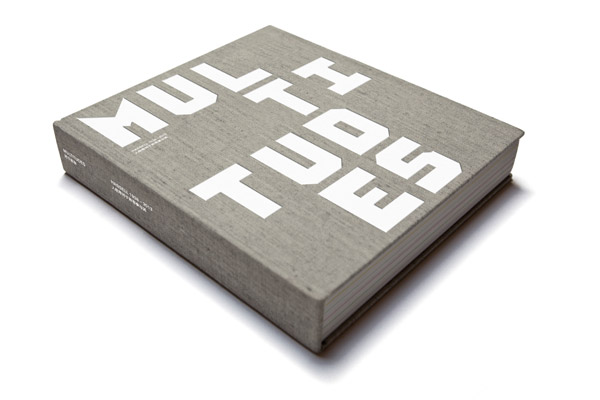
Hassell celebrates 75 years with the launch of MULTITUDES, a “non-monograph” which explores contemporary topics around architecture while also presenting some of its most outstanding projects to date. Alice Blackwood reports.
November 8th, 2013
In producing a book to mark its 75 years in practice and reflect on its achievements thus far, Hassell had a clear mandate: “It’s about the issues and concerns [of contemporary cities, architecture and working culture], and how we think we’re responding to them,” says Hassell’s managing director, Rob Backhouse.
“We called it a non-monograph,” Backhouse comments with humour. Because despite the volume and breadth of Hassell’s work, the firm didn’t want to re-produce a hardcover catalogue of projects.
As such MULTITUDES tackles five areas of discussion that have “shaped our practice, our work and our culture, and are relevant and important moving forward,” says Backhouse.
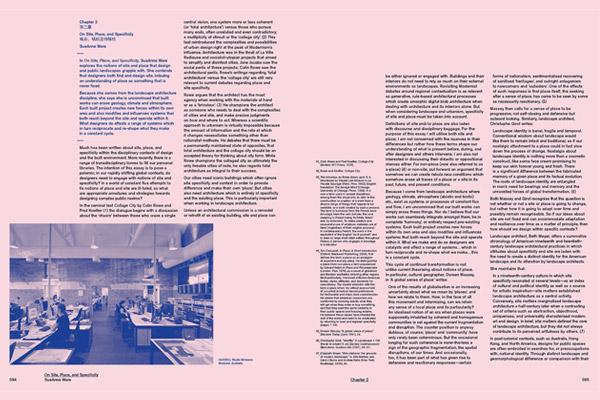
This reflective undertaking, tempered by a clear focus to the future, has resulted in a series of substantial essays and articles that explore Hassell’s unique trans-disciplinary working environment, and tackle topics of design agenda, the impact of built projects on site and place, and the Chinese city in the Asian century – to mention a few.
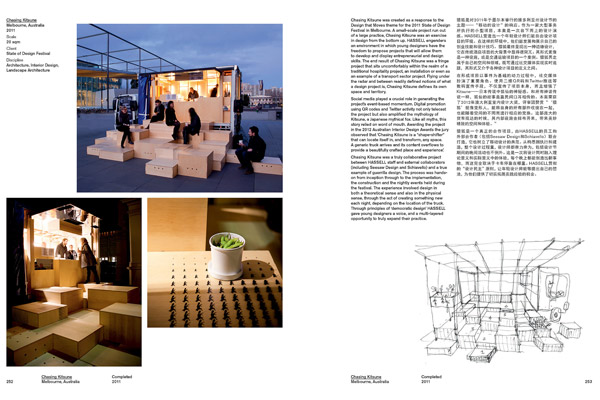
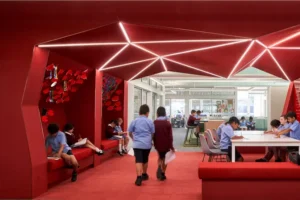
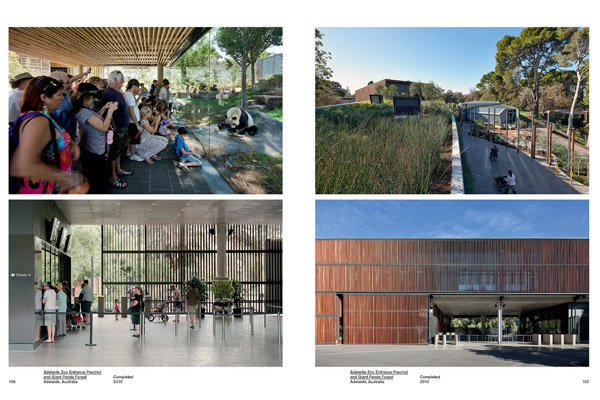
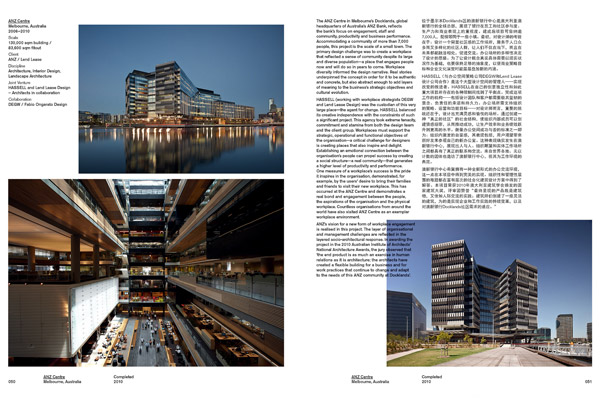
With so many outstanding projects to their name and new major projects currently underway, deciding on a final, edited selection of projects was no easy task. The resulting publication is more than 300 pages in length, and the projects presented span a carefully balanced spectrum of sectors, sites and locations.
“At some level [the book] is never complete; it’s the nature of our practice as well,” says Backhouse. “There could have been many more projects included. We had to reach a point where we could say, ‘This collection [of selected projects] represents the issues we feel are important.’”
A major project in itself, MULTITUDES represents a standard of quality and achievement against which Hassell might continue to measure its future projects and outcomes.
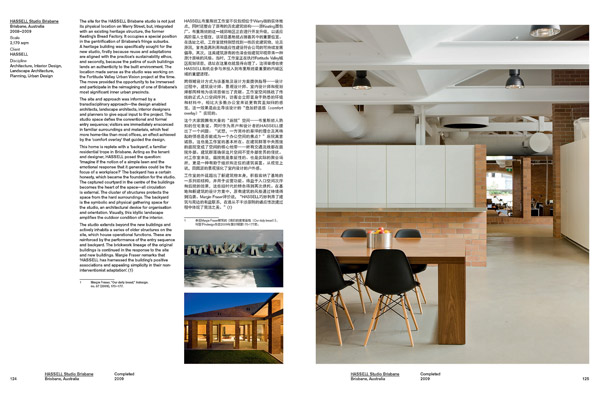
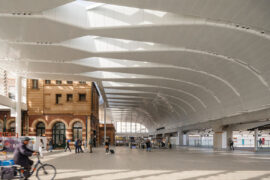
One particular achievement that didn’t make it into print was Hassell’s competition-winning Flinders Street Station redevelopment concept, undertaken with Herzog & de Meuron.
But MULTITUDES’ online component, a digital newsletter entitled MULTITUDES – how design helps shape the world, provides the perfect forum for continuing the discussions and stories contained within the book.
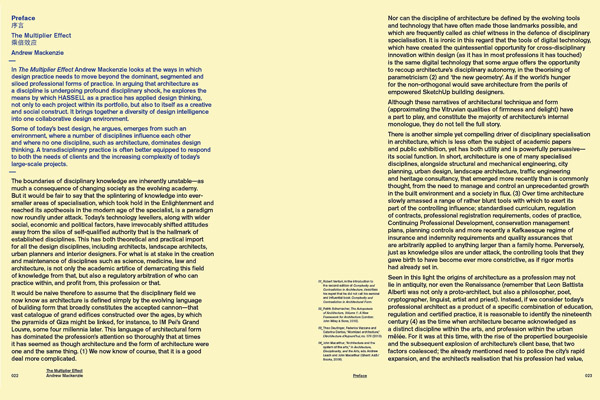
MULTITUDES is published by Uro Media, and available for sale online via the Uro Media website.
MULTITUDES by Hassell
INDESIGN is on instagram
Follow @indesignlive
A searchable and comprehensive guide for specifying leading products and their suppliers
Keep up to date with the latest and greatest from our industry BFF's!
The internet never sleeps! Here's the stuff you might have missed