Olafur Eliasson is known for creating moving experiences of light, and he shaped OE Quasi Light with concern for the emotional and physical effects of our surroundings.
December 6th, 2019
The purity of mathematical forms may not be the most obvious source of inspiration for beauty, but Louis Poulsen is no ordinary design house. It was this appreciation for splendorous mathematical forms that led to the creation of the new OE Quasi Light.
Designed in collaboration with the revered Danish-Icelandic artist, Olafur Eliasson, OE Quasi Light was unveiled at the 2019 Salone del Mobile and is a masterful realisation of the interplay between form and function, and art and design.

“Light has been central to my artistic practice for over 25 years,” says Eliasson of the creative partnership with Louis Poulsen. “Light shapes everything; it determines what we do and how we do it. Quality lighting is essential to our lives. A concern for the emotional and physical effects of lighting is at the core of the lamp that I have conceived for Louis Poulsen. It is my hope that this geometric sculpture will bring new light to your daily life.”
In the design of OE Quasi Light, contrasting geometric shapes nest inside one another to form the light’s most basic composition. The complex shape of a rigid aluminium icosahedron – a form possessing 20 faces and 12 vertices – forms the outer layer of the luminaire. The inner layer reveals the mathematically reversed shape of a dodecahedron (composed of 12 faces and 20 vertices) which seemingly floats inside.

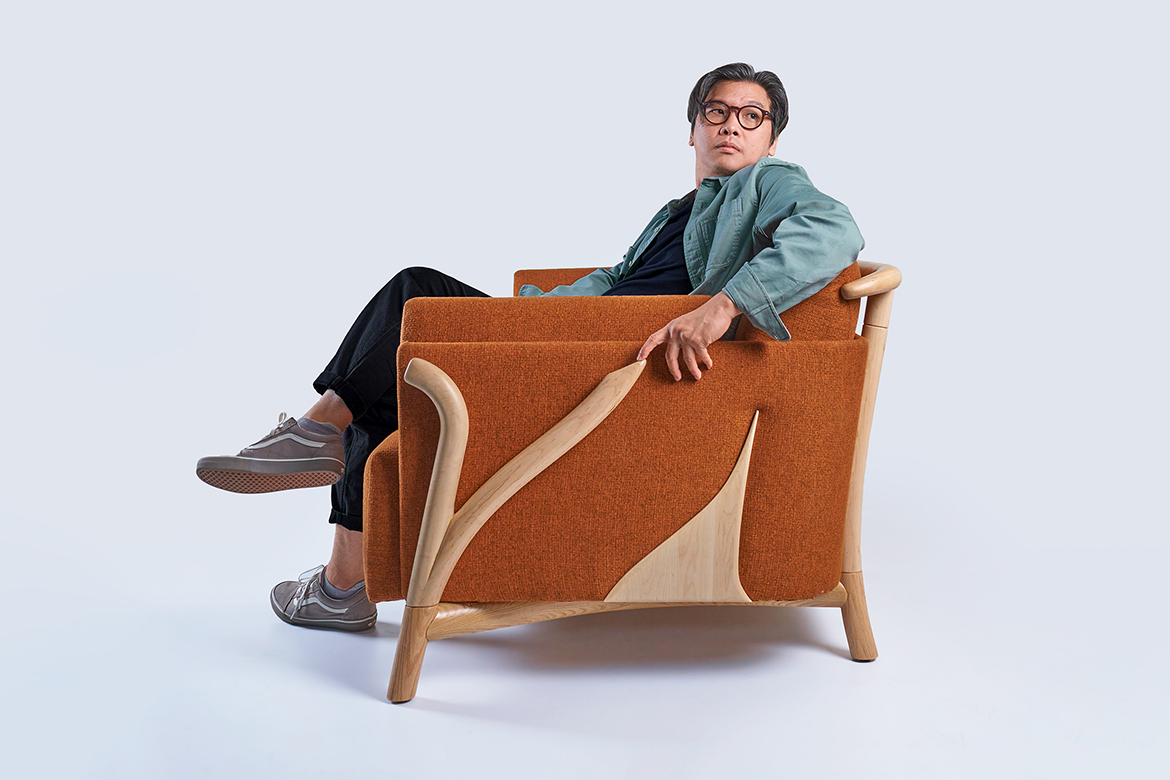
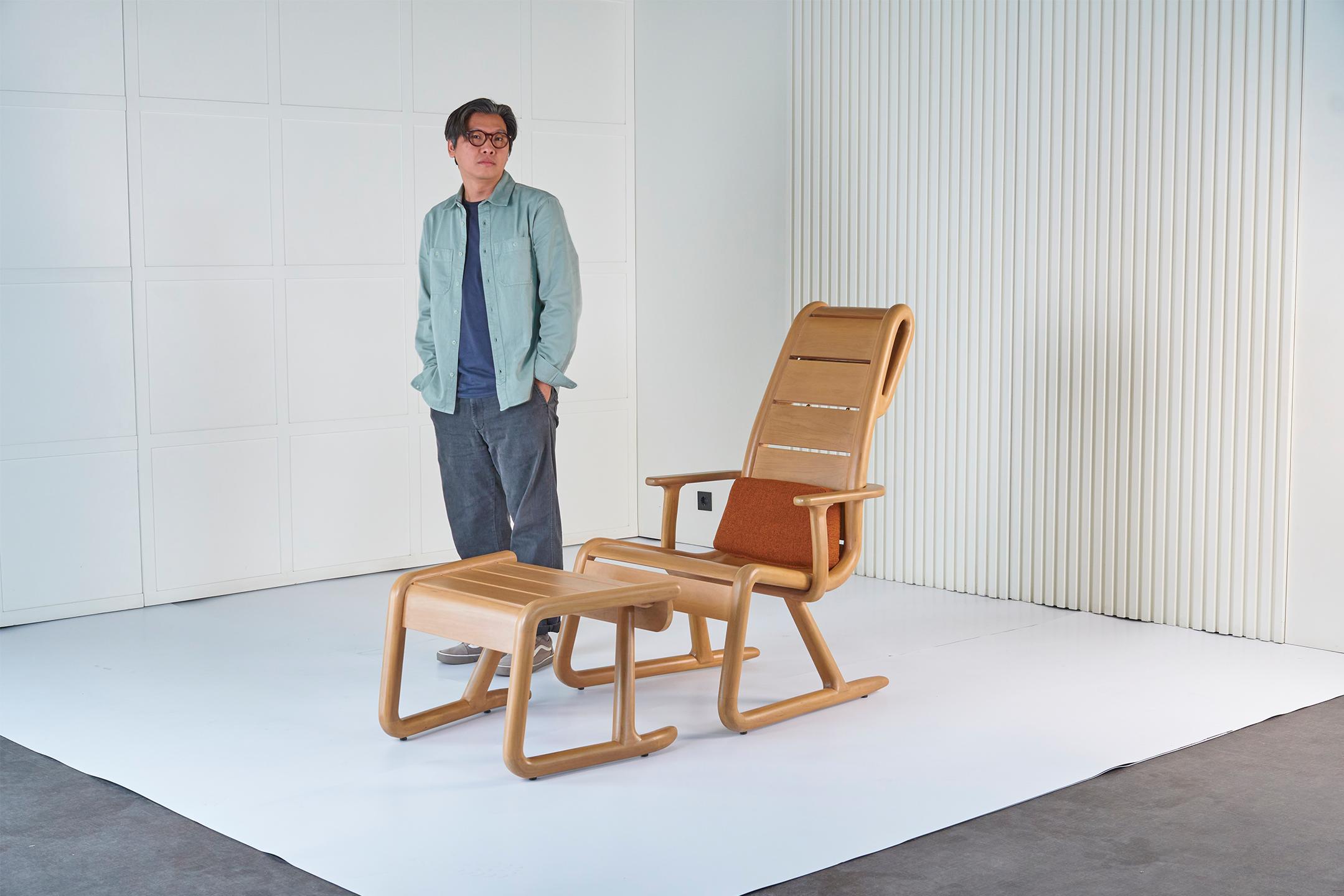
Olafur Eliasson with the OE Quasi Light. Photo by Marie Louise Munkegaard.
The vertices of the exterior shell are embedded with bright LEDs to direct the light towards the lamp’s core, which reflects the illumination with a spherical distribution. The light’s complex geometric shape is perceived differently depending on where the observer stands, creating endless interpretations and perspectives that will inspire as well as illuminate.
Sustainability is more important to design than ever before, and Louis Poulsen is at the forefront of this. The aluminium of the OE Quasi Light is composed of 90-per-cent recycled material, and other materials used are also entirely recyclable and reusable. With the design enabling future disassembly to replace and recycle parts, OE Quasi Light was created with longevity in mind.


Olafur Eliasson. Photo by Marie Louise Munkegaard.
INDESIGN is on instagram
Follow @indesignlive
A searchable and comprehensive guide for specifying leading products and their suppliers
Keep up to date with the latest and greatest from our industry BFF's!
Natural stone shapes the interiors of Billyard Avenue, a luxury apartment development in Sydney’s Elizabeth Bay designed by architecture and design practice SJB. Here, a curated selection of stone from Anterior XL sets the backdrop for the project’s material language.
The difference between music and noise is partly how we feel when we hear it. Similarly, the way people respond to an indoor space is based on sensory qualities such as colour, texture, shapes, scents and sound.
True luxury strikes a balance between glamorous aesthetics and tactile pleasure, creating spaces rich in sensory delights to enhance the experience of daily life.
In the last instalment of our three-part performance seating series, Alex Bain from Architectus explains why sitting well shouldn’t feel like sitting at all and explores an unexpected success metric of the hybrid workplace: the grounding power of emotional support.
At r.a.g.e Hot Glass Studio, the glass artist and furniture designer will trace the making of two sculptural wall sconces through live glassblowing, discussion and process-led collaboration.
Joyce Wang Studio transforms Sha Tin Racecourse into Genso, a retrofuturist dining and entertainment world with a cinematic atmosphere.
From indoor-outdoor furniture systems and archival reissues to experimental lighting, circular materials and collectible surfaces, these launches captured Milan Design Week’s broader conversation around comfort, craft, longevity and atmosphere.
The internet never sleeps! Here's the stuff you might have missed
At Materia, Maurie Novak tests Passivhaus against an expressive architectural brief, using his own St Kilda home to question what high-performance housing can look like.
AFK Studios’ Earle Arney joined STORIESINDESIGN podcast last year to speak about SyLon. Here, we reproduce a summary on a recent report with NLA that builds on research into housing as infrastructure amidst a landscape of housing crisis.
In the last instalment of our three-part performance seating series, Alex Bain from Architectus explains why sitting well shouldn’t feel like sitting at all and explores an unexpected success metric of the hybrid workplace: the grounding power of emotional support.