With metal knockers and an array of silver bolts, the dungeon-like entrance doors of the Wolf Studio office look more like they belong in a movie set than in its industrial estate setting. It’s an appropriate introduction to the Singapore-based firm that seeks to differentiate itself from the sea of corporate design firms.
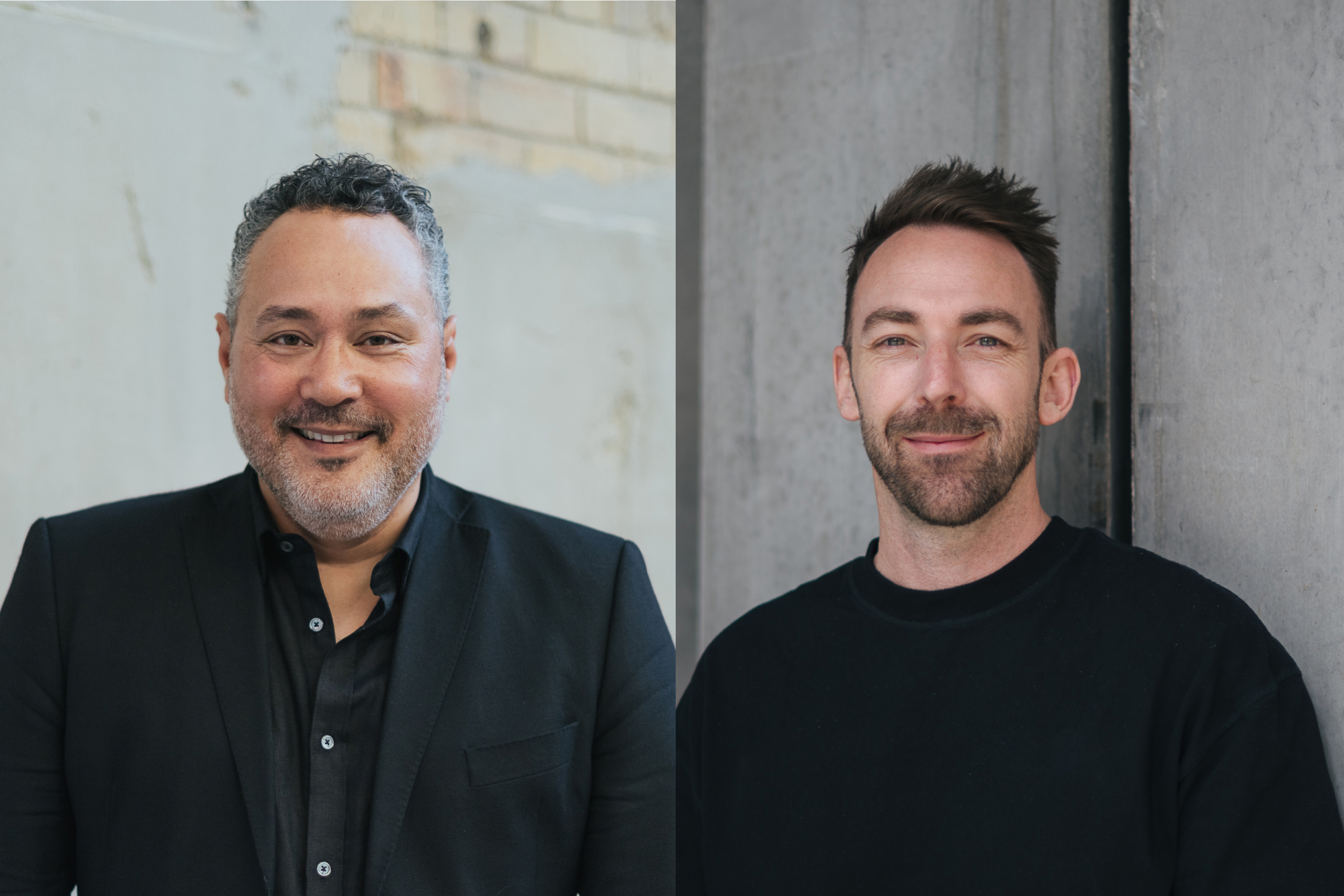
Although only two years old, the mid-sized firm counts among its clients reputable names such as UOB Bank, Uber, Bosch and Dell. It also has a global presence, outfitting offices from India to London. The firm is headed by Chrisandra Heng and Brandon Liu, who and worked together for ten years in another firm before coming out on their own.

Homeaway
Back then they were already working on groundbreaking projects, such as Unilever’s award-winning office design. Workplace design was going through a metamorphosis, with the open plan becoming commonplace and companies opening up to the idea of bolder spatial identities. “It was not just about making [an office] look pretty. Companies realised that space can shape culture so they started investing more time and money to develop their offices properly,” says Liu.

Homeaway
This direction has evolved over the years alongside technological advancement and increasing focus on employee wellbeing and mobility. “Technology has changed the way businesses operate because companies realise they can empower employees [who perform just as well working from home] where previously, you had to be at your computer in your office to be productive,” observes Liu.

Goodpack
The Building and Construction Authority (BCA) has responded by adjusting its Green Mark scheme criteria. Beyond encouraging green offices, it now considers how employees actually gain from benefits like flexible work practices and fitness programs. The newly revised certification requirements will be activated in a few months but Wolf Studio has partnered with BCA ahead of that with the design of the new Raffles Quay Asset Management (RQAM) office as an exemplar of Platinum status.

Raffles Quay Asset Management (RQAM)
The project is also progressive in other ways. For instance, a pantry upfront replaces the conventional reception desk. This enables flexible space usage – booths suit both short client meetings and staff lunches. Along with with open plans and increasing workplace mobility, the unconventional pantry reflects the dissolution of the barriers of time, communication and space.

Raffles Quay Asset Management (RQAM)
It is liberating but also means more work for the designer. No longer does a sofa equate to a collaborative corner. Now, aspects such as acoustic functions, ergonomics and usage adaptability are considered from the beginning. “Clients are demanding a lot more even from furniture nowadays, which is good; suppliers have responded, designing around ergonomics, around an activity, et cetera,” says Liu on the expanding options.
Bold, perceptive and free-spirited, the firm’s name is certainly apt. A common thread links Wolf Studio’s projects, be they for conservative or more creative clients. That is the focus on people – the client, end user and even their own staff.

Uber
“We build that very close relationship with clients, who come to us because of our people and service rather than our brand name. We have a lot of projects recommended from client to client. That’s how we’ve built our portfolio in these two short years,” says Heng.

Uber
The animal persona also reflects their leadership style – “leading from behind to make sure no one gets left behind,” as in wolf pack. Like the offices they design, the Directors believe productivity comes naturally with a more democratic approach.