The home of architecture and design in the Asia-Pacific
Get the latest design news direct to your inbox!

Get the latest design news direct to your inbox!
A project of M&O Paris and DesignChain, M&O 2019’s Rising Talent Awards China showcased the work of five emerging designers that represent the country’s evolving design scene.

Frank Chou's collection at Rising Talent Awards
January 23rd, 2019
“China has, for many years now, been the world’s industry supply chain leader and is fast turning into a hotbed for design opportunity for both local and global designers,”said Italian designer Luca Nichetto. He added, “Chinese designers are realising the power of their own proximity to an established manufacturing base, and are taking full advantage of it.” Nichetto was one of the jurors of Maison & Objet (M&O)’s latest edition of Rising Talents Awards.
Rising Talent Awards is the French trade fair’s platform to showcase the work of emerging furniture and product designers from around the world. The recent editions of Rising Talent Awards picked a specific country to seek talents from. For its first 2019 edition, M&O turned its gaze east to China and partnered with Chinese design platform DesignChain to organise the programme.
Joining Nichetto on the jury panel were Chairman of China National Interior Decoration Association Liu Xu, former Chief Architect of Shanghai Xian Dai Architectural Design Group Xing Tong-He, sculptor and artist Qu Guangci, Lyndon Neri and Rossana Hu, and Tom Dixon.
Displayed from 18 to 22 January at M&O Paris January edition, the Rising Talents Awards China showcased the work of six Chinese young talents, five of whom were selected by the jury and one was selected from the open call submissions.
“With the rapid growth of the Chinese economy and the need for cultural expression of its own, we see a large number of emerging designers that have started to create their own voice that deals with the issue of heritage and identity,” said Neri of the talents.”
Nichetto shared more observation: “Currently, the Chinese middle class is very much interpreting design as art, but as it shifts to more design as function. It will be exciting to see how it will impact both Chinese design and what we from the West will learn from it.”
Here are the six designers, their products and their thoughts on their practice, process and design in China.
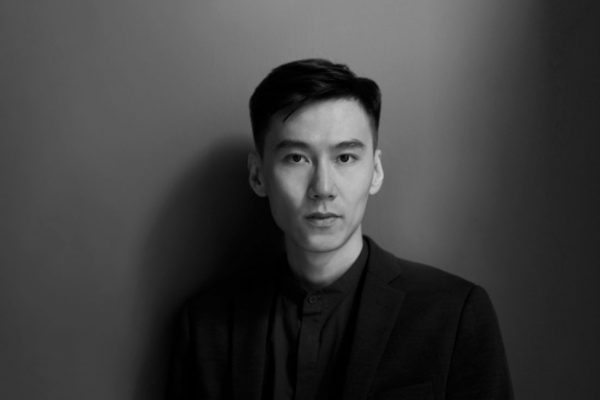
Frank Chou graduated from Beijing Forest University, where he majored in Materials Science and Engineering with a focus on wood science and technology. He accumulated industry experience in furniture design, engineering and trade work across China and Europe before establishing his design practice, Frank Chou Design Studio, in 2012.
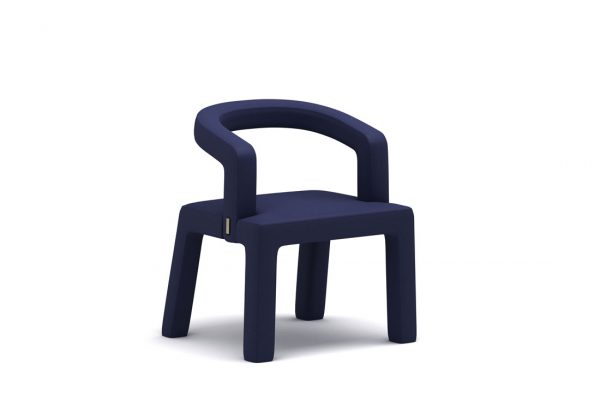
Middle Chair, inspired by traditional Chinese bamboo chair
On some of the biggest challenges faced by Chinese designers today, Chou shared: “A design concept cannot be isolated and implemented independently. We need design commerce, design manufacturing, design management, brand consumption as well as design business values and ecological platforms behind us.”
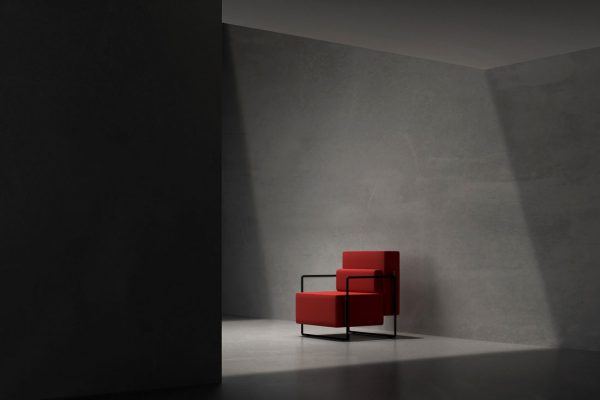
Suit single sofa
He added, “The design scene in China is just beginning, yet perhaps this may be the best period for designers. Every industry in China, including the furniture industry, is rapidly entering a stage of transformation which will lead to many design requirements. This will provide many opportunities for designers in every field.”
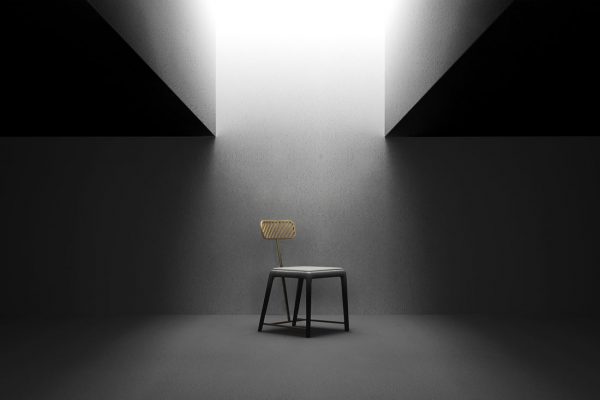
Fan chair
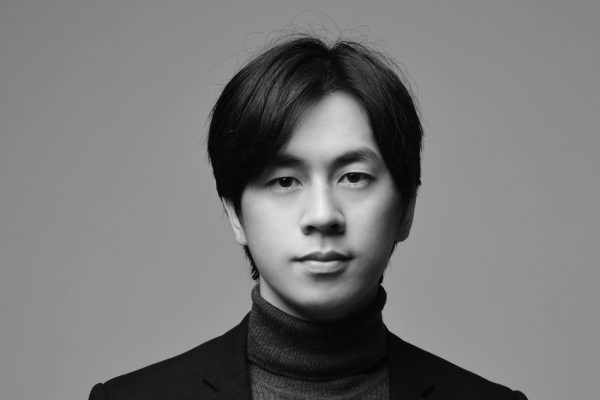
Founder of lighting, furniture and accessories brand Wuu Chen Furong studied at the Shanghai Institute of Visual Arts, majoring in Integrated Design. After graduation in 2012, he travelled with friends across China in a van, interviewing local creatives for an exhibition that led to the establishment of Wuu in 2014. He worked closely with local craft artists in Fuzhou, combining technology with traditional crafts.
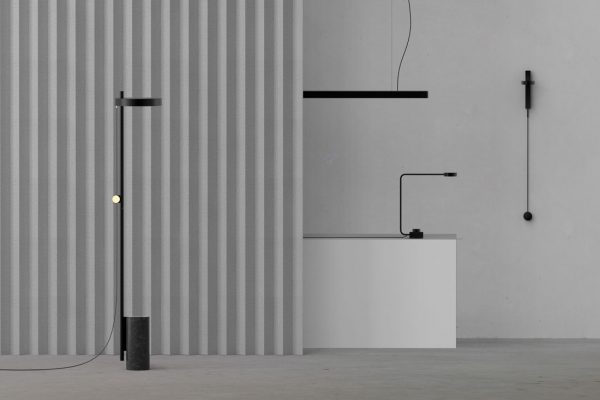
T Series Lighting
On why timelessness matter in his practice, Chen shared: “Through design we want to return an object to its original essence, allowing it to endure both in terms of aesthetics and usefulness.”
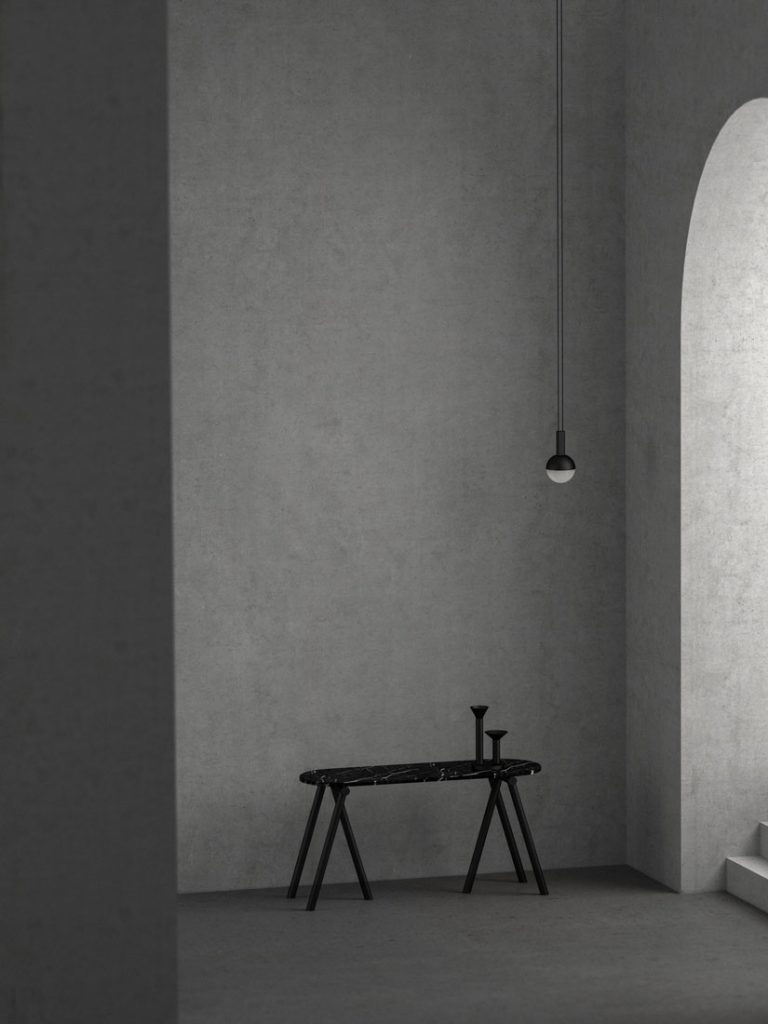
Axis Table
On what makes Chinese design special, he shared: “We have many fascinating crafts, from simple to exquisite, and all reveal Oriental characteristics and thinking. However, because of rapid economic development, craftsmanship has become less important. When the pace slows down, and we have more time to explore our feelings about life, then Chinese craftsmanship will develop further in contemporary society.”
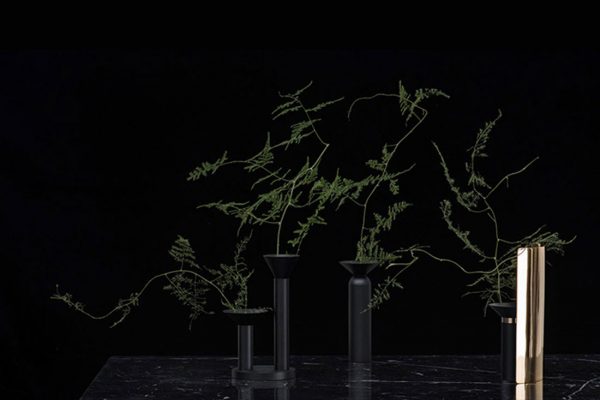
Morandi vases collection
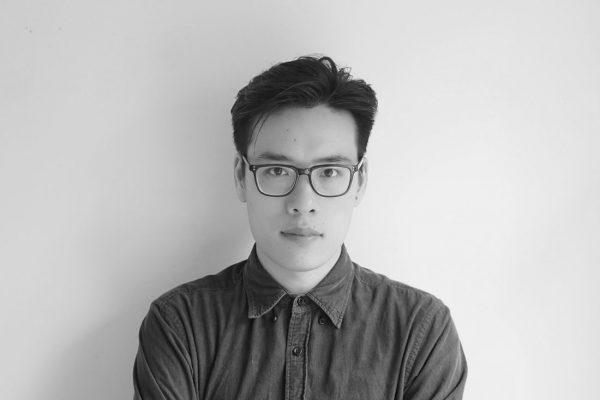
After graduating from Beijing Forest University where he majored in Furniture Design and Manufacturing, Mario Tsai travelled around China and Nepal. He opened a shop in Hangzhou in 2013, and set up the Mario Tsai Studio the following year.
He has since worked with clients from around the world and has participated in furniture fairs globally. Through his work, Tsai is committed to reducing excess material usage and improving both society and the environment.
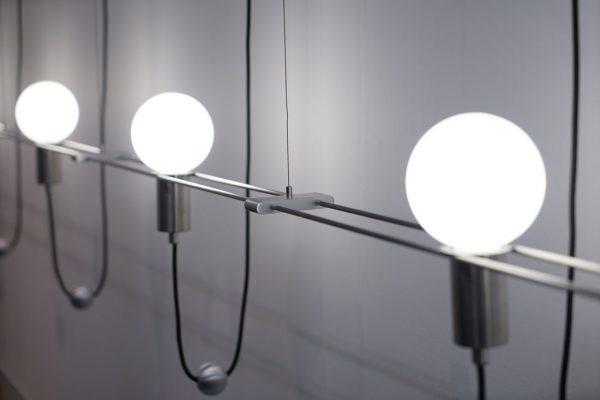
Lift light for MX Object
“I always try to use less materials and production processes to create better designs. This not only reduces the cost to my clients but also saves resources and helps protect the environment,” he shared about his design approach.
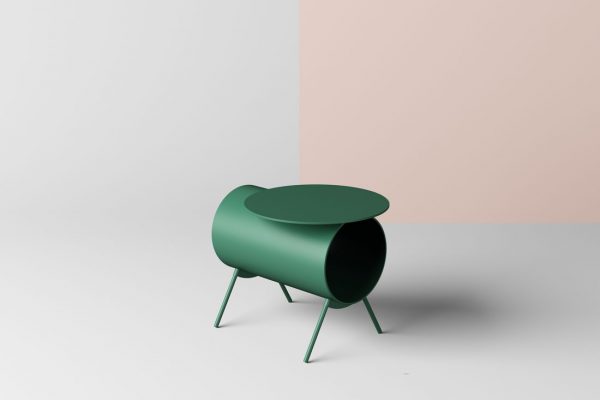
Pig side table for MX Object
He added, “For example, I designed a table system that needs only a singular leg design, to be used with different sized tables. The leg can also be replaced if it breaks. This not only reduces unnecessary program and management costs during the production process, but the replaceable parts mean the product can last longer.”
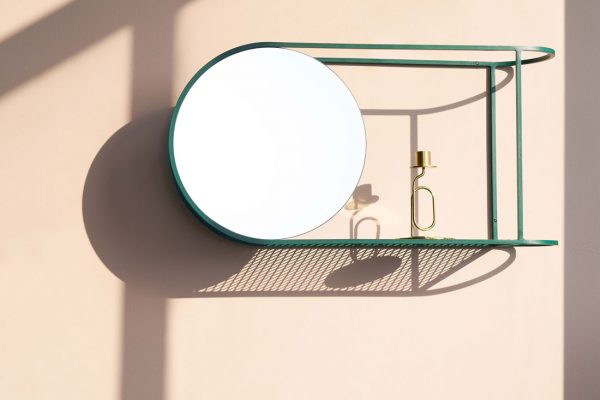
Two Halves Mirror for Grado

Shanghai-based Ximi Li holds a Bachelor of Industrial Design from the China Academy of Art, Shanghai, and a Master’s Degree in Furniture Design from the Polytechnic University of Milan.
Li’s resume includes a stint under Andrea Branzi and Luca Trazzi in Italy and six years as Neri&Hu’s chief designer in Shanghai. He launched his eponymous design practice Ximi Li Design and furniture brand Urbancraft in 2016, which produces timeless pieces inspired by global cultural fusion.
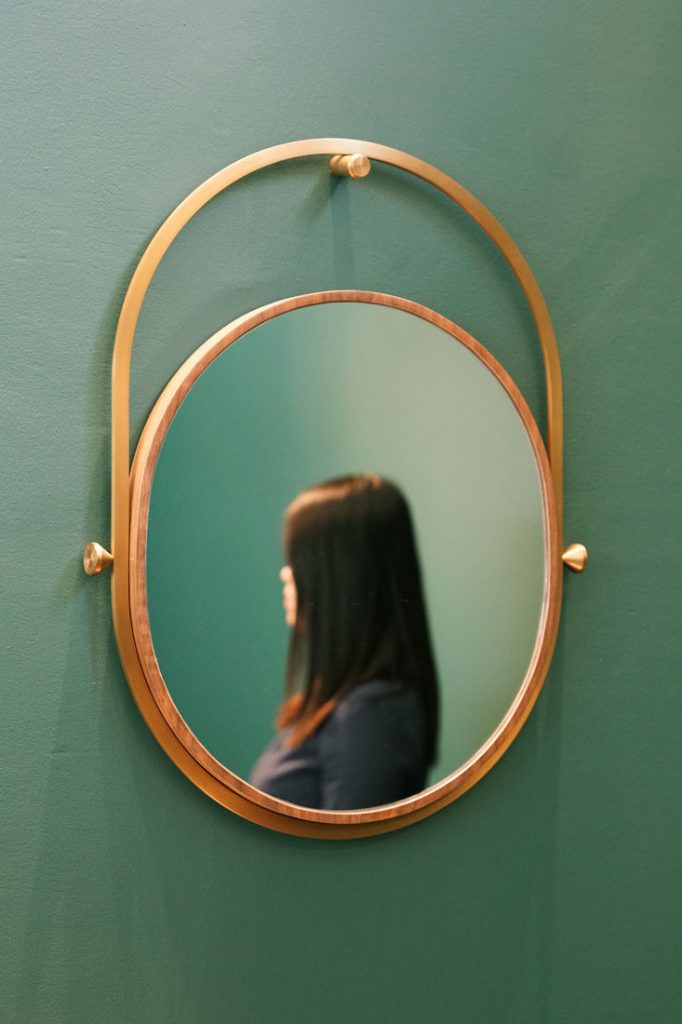
Yuan collection
“From north to south, east to west, the history, painting, liberal arts, crafts, details, and architectures of all the places I have lived and worked have left marks in my life and shaped my way of thinking,” he said on the forces that shape his design approach.
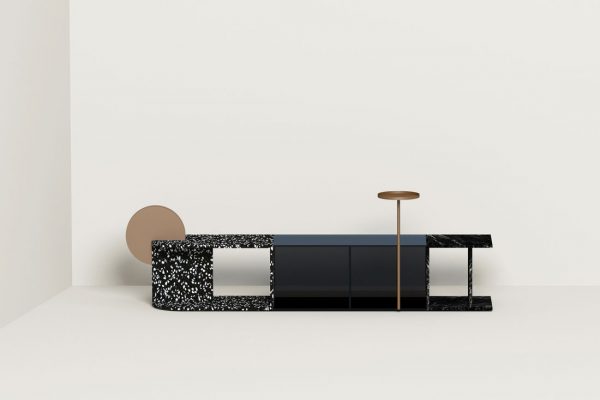
BY3 Collection
On integrating different cultural elements into his work, he said: “With my experiences in China and Italy, I ask myself if my designs can be understood by Europeans and if Chinese will resonate with my designs. I hope my works can be accepted and recognised by people from different regions and cultures.”
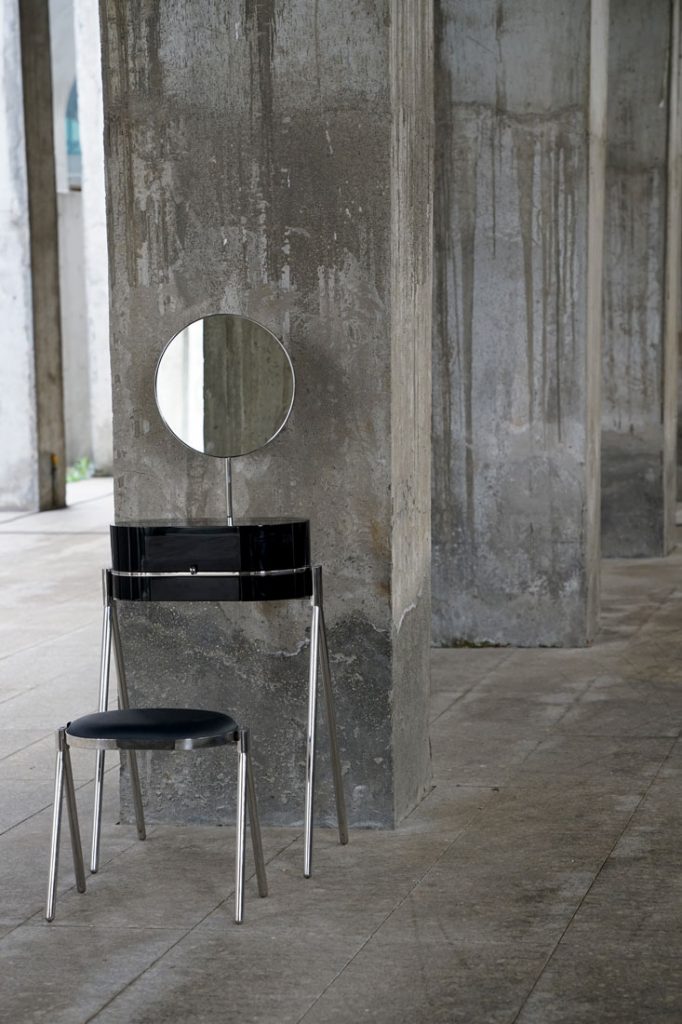
Jiazhuang dressing table
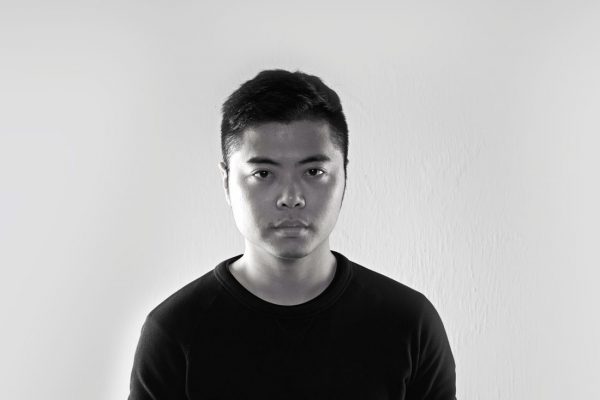
Bentu is a design brand founded by design director Chen Xingyu with designers Xu Gang, Peng Zeng and Chen Xingguang in 2011. A graduate of Industrial Design programme at Guangzhou University, Chen works with the byproducts of the rapidly developing society – like coal cinder, construction waste and bone ash – and transforming them into desirable design objects.
Bentu’s latest Terrazzo Collection recycles ceramic waste from the city of Foshan, the world’s largest ceramic industry hub.
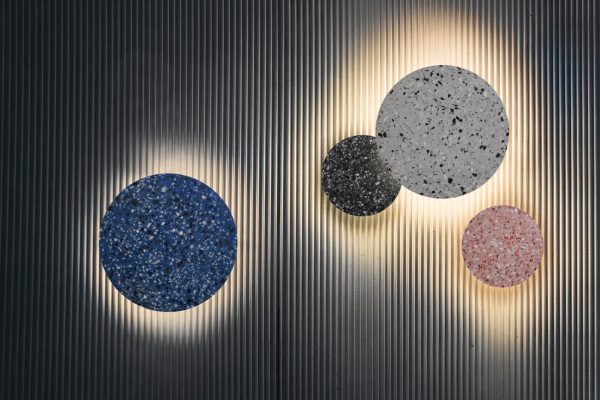
Pin terazzo wall light
On the impetus of using waste materials, he shared: “Nowadays, design has become an excuse for the emergence of a large number of new products, an important means of marketing and promotion. The speed of replacement between new and old materials is so quick that it is too late to even think about whether it is necessary for our society and environment.”
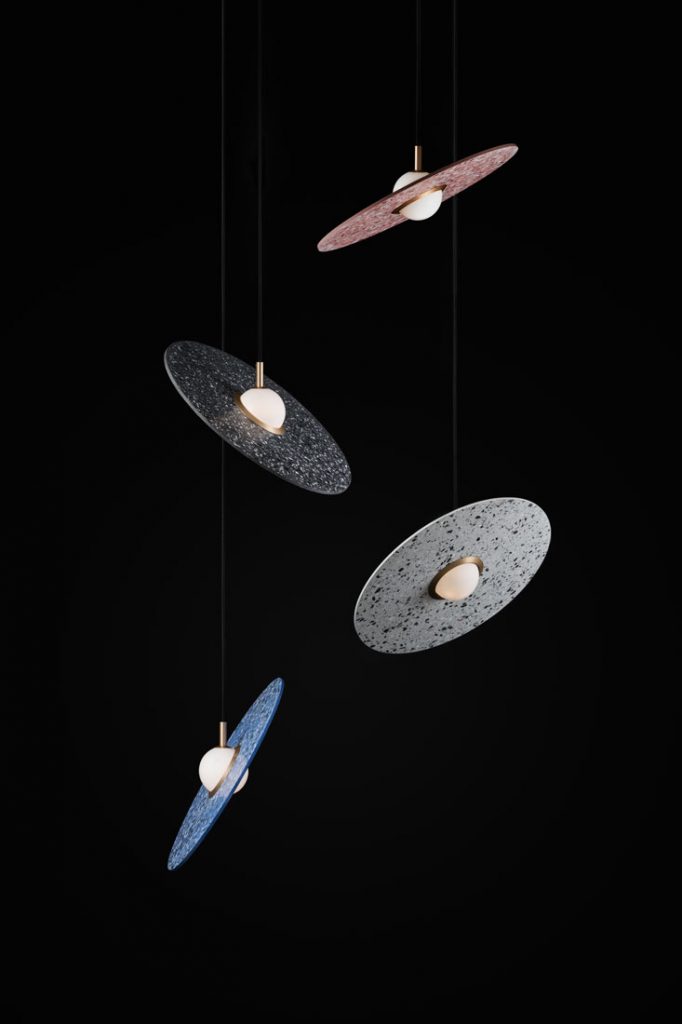
Planet pendant light
On what he thinks the role of designers in China in the future should be, he shared: “I think the knowledge acquisition ability of Chinese designers is strong now, but their awareness of their position in society is vague. Today, design value is often used and recognised commercially. It leads designers and their audience into a cycle that believes this is what design really is.”
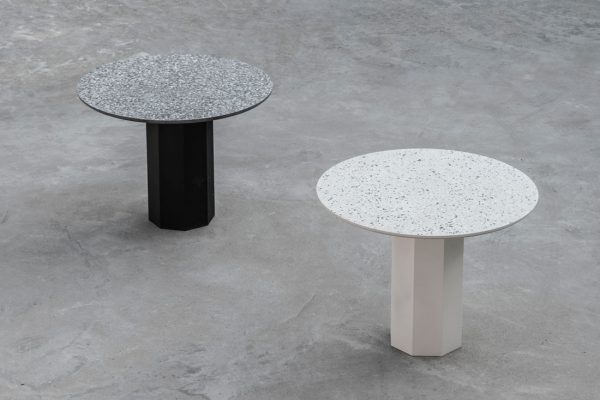
I series tables
“But the truth is more than that. There are many complicated problems in Chinese society that need to be solved. What we have to do is to face the world in good faith, to find problems and to solve them. This is the simplest, but also the most difficult thing, to insist on.”
INDESIGN is on instagram
Follow @indesignlive
A searchable and comprehensive guide for specifying leading products and their suppliers
Keep up to date with the latest and greatest from our industry BFF's!
The internet never sleeps! Here's the stuff you might have missed