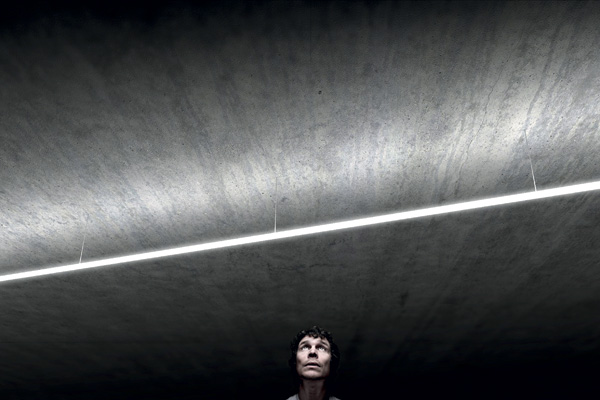
Conceived by Bjarke Ingels Group (BIG) in partnership with Artemide, the Alphabet of Light is a system of linear and curved lighting modules that enable users to form their own words and shapes.
June 23rd, 2016
How do we create a flexible light that can be installed and used by everyone? How do we create a light that fits any space – small or large? These were questions Danish architectural firm Bjarke Ingels Group (BIG) asked themselves when they embarked on their collaboration with design-oriented Italian lighting manufacturer, Artemide.
The end result of the collaboration is a series of lighting modules that grant users free-play when it comes to composing words or messages with lighting. It is aptly titled Alphabet of Light.
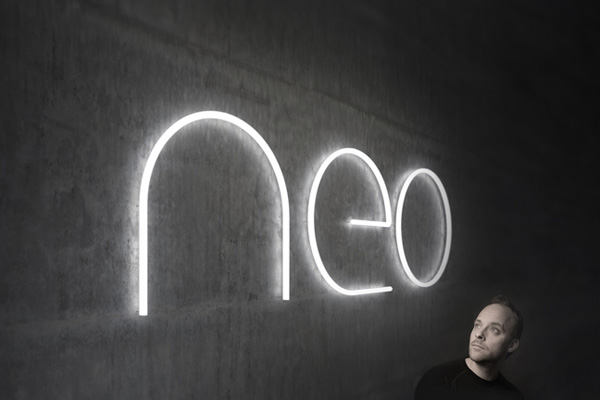
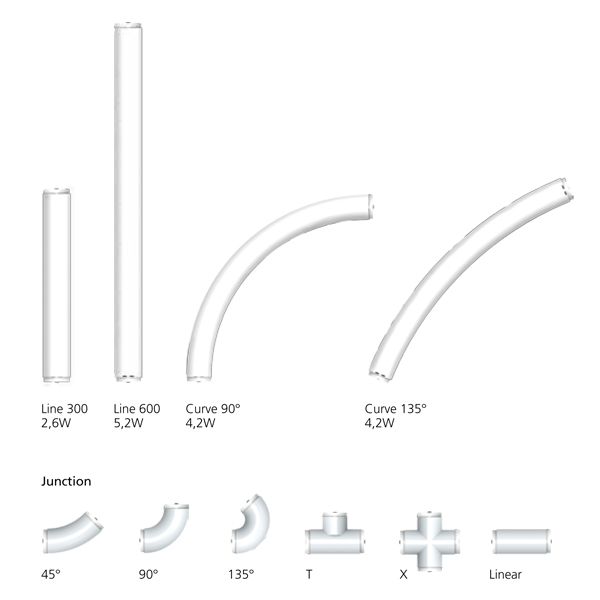
Developed based on the idea of using light as a language to communicate simply and express freely, BIG explored geometrical forms to create a new font that could be translated into lighting components. The anatomy of the new font was broken down into four main modules, straight and curved, alongside six joineries. Precise proportions enable users to mix and match the various components to generate their own content. The simple forms also ensure that users are not limited to alphabets, and may also create straight lines and smooth curves.
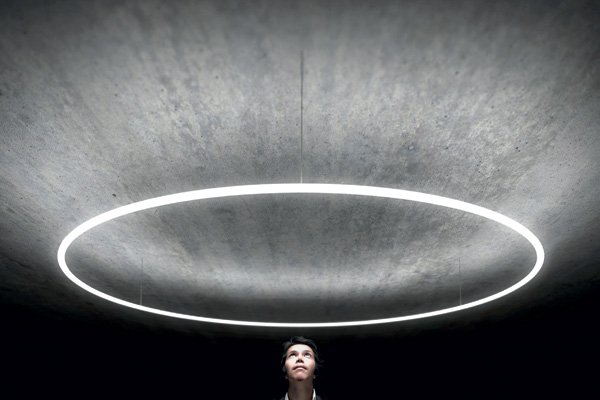
Allowing composition freedom, Artemide has made the connection of components seamless. Each part is linked with a concealed electromagnetic joint that does not cause discontinuities or unsightly shadows. The components illuminate strong lighting, maximised in each geometrical body where two LED Strips emit light from opposite ends. Material absorption is minimised, while retaining a comfortable and functional illumination.
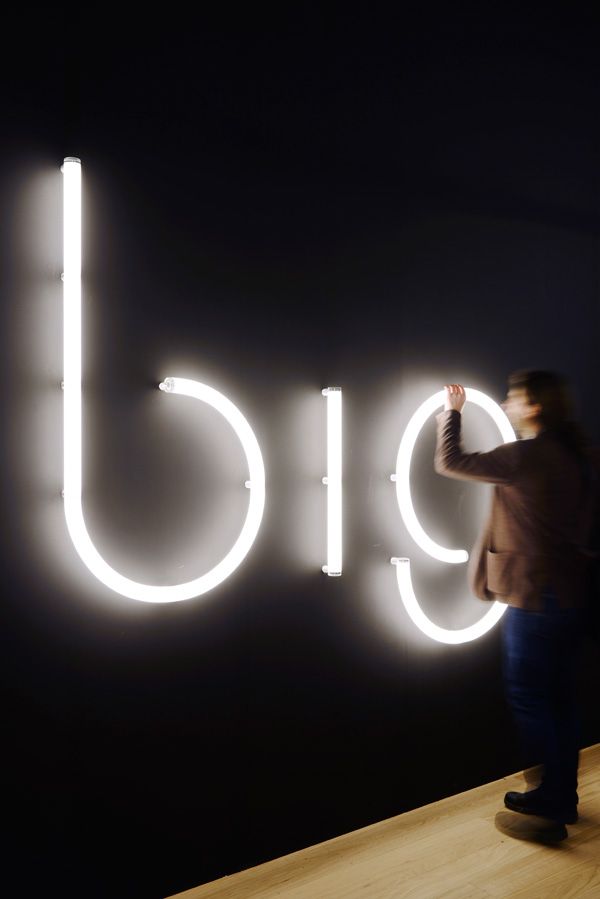
Alphabet of Light was first presented at Milan Design Week 2016, as part of an initiative by Artemide to highlight new relations between light, space, man, and the environment.
Artemide is carried in Singapore by Million Lighting.
BIG
big.dk
INDESIGN is on instagram
Follow @indesignlive
A searchable and comprehensive guide for specifying leading products and their suppliers
Keep up to date with the latest and greatest from our industry BFF's!
In a tightly held heritage pocket of Woollahra, a reworked Neo-Georgian house reveals the power of restraint. Designed by Tobias Partners, this compact home demonstrates how a reduced material palette, thoughtful appliance selection and enduring craftsmanship can create a space designed for generations to come.
True luxury strikes a balance between glamorous aesthetics and tactile pleasure, creating spaces rich in sensory delights to enhance the experience of daily life.
In the first instalment of our three-part series exploring what it means to sit your best, we pose the question to Gray Puksand’s Dale O’Brien, who discusses the importance of ease and majority rule when it comes to sitting and reveals why specifying a task chair is not unlike choosing a Volvo.
Stepping into Intuit’s Sydney workplace certainly doesn’t feel like walking into an office. Why? In this film, we discover that, when joy takes precedence as a design driver, even a high-performing commercial CBD headquarters can feel like an intuitive wonderland that invites employees to choose their own adventure.
Milan Design Week means more than lounging in luxury and the latest in bathroom beauty. We pull out a handful of exciting commercial furniture highlights.
From sculptural basins and wellness-led bathrooms to kitchens and professional-grade appliances, these Milan Design Week releases reframed the home’s most functional spaces as places of ritual and care.
From indoor-outdoor furniture systems and archival reissues to experimental lighting, circular materials and collectible surfaces, these launches captured Milan Design Week’s broader conversation around comfort, craft, longevity and atmosphere.
The internet never sleeps! Here's the stuff you might have missed
Joyce Wang Studio transforms Sha Tin Racecourse into Genso, a retrofuturist dining and entertainment world with a cinematic atmosphere.
In the crucible of design, the fire of inspiration transforms pragmatic elements into the burnished objects that add a flourish to places and spaces. This is the art of Buster + Punch.