The home of architecture and design in the Asia-Pacific
Get the latest design news direct to your inbox!

Get the latest design news direct to your inbox!
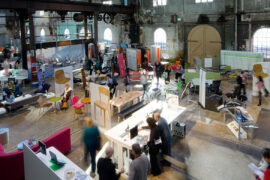
Running from 6 November 2021 to 16 January 2022 at National Design Centre, the exhibition features 20 international and local creators designing with waste as the starting point.

November 18th, 2021
As the world becomes more advanced and connected than ever before, it’s disheartening to observe the throw-away culture – no thanks to consumerism. To put it into perspective, over two billion tonnes of municipal waste were generated in 2016 and this figure is set to increase by 70 per cent over the next 30 years, according to a report by the World Bank.
But what if waste could be reframed, thought of as abundant resource rather than an unwanted material? What if we design with waste as the starting point, and as an end in itself? What if waste could be made useful and beautiful, re-birthed and given worth? These questions form the premise of The Waste Refinery, a Singapore exhibition that spotlights 20 local and international creators who tackle this critical global issue through design.
“One of the most pressing issues when it comes to sustainability is what can we do with the ‘monster’ – mountains of waste – that we created. The exhibits here go beyond aesthetics. They demonstrate a utilitarian and functional angle to show that waste can be a truly valuable resource,” says exhibition curator and creative director of Kinetic Singapore, Pann Lim.
The exhibits are varied yet created with circularity in mind. Of the 20 exhibits that occupy the atrium of National Design Centre from 6 November 2021 to 16 January 2022, here are some of the highlights not to be missed.
Indonesia-based Space Available turns plastic waste into circular products. The Peggy Chair, designed in collaboration with South Korean DJ Peggy Gou is made with over 20kg of plastic salvaged from landfills, rivers and the ocean.

To break the wasteful cycle of discarding outgrown children’s clothes, Petit Pli creates garments that grow with the child – up to seven times the original size. Made with 100 per cent recycled polyester derived from plastic bottles and using monofibre construction, these clothes can be easily recycled at the end of their use. The range has since grown to include adaptive garments for adults too.

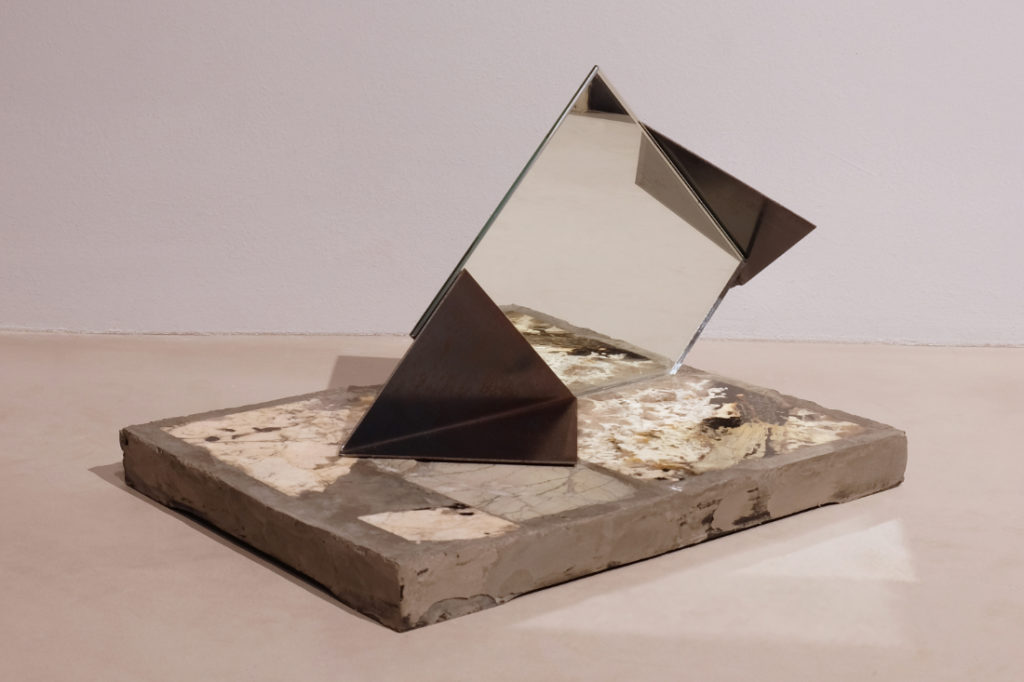
LAAT repurposes European marble offcuts, unused mild steel and panels of mirrors into abstract geometric homeware finished with raw concrete. These pieces are not only an exercise in upcycling, they hold a mirror up to the excessive and careless ways in which we produce and discard materials and items.
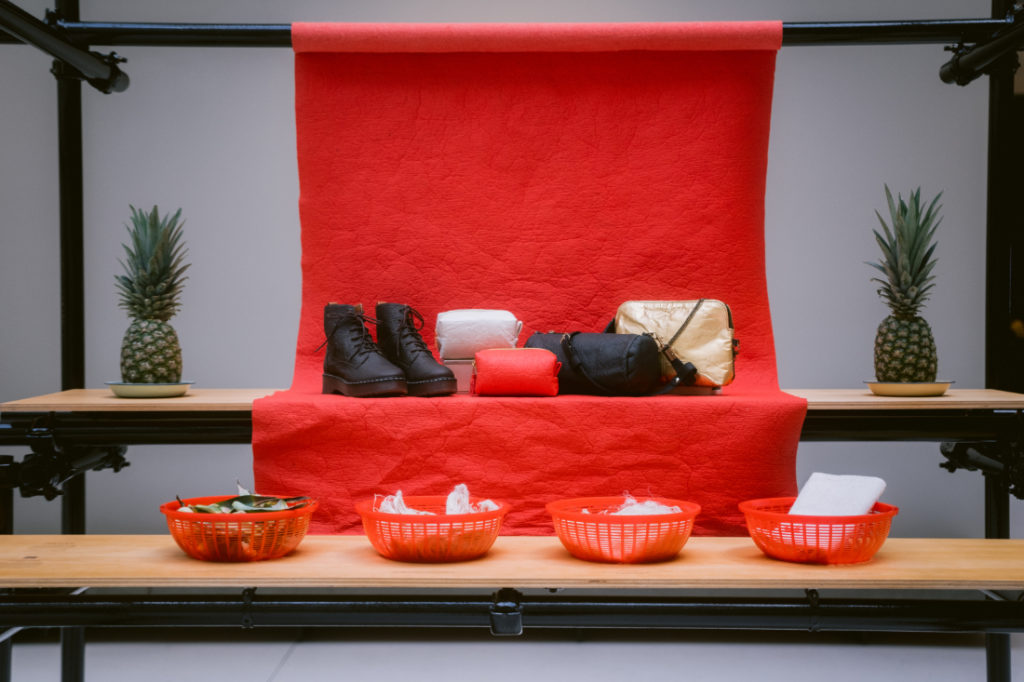
Ananas Anam turns pineapple leaves from farming cooperatives in Philippines into Piñatex, a sustainable vegan leather for use in fashion, accessories, upholstery and more. The studio not only gives new life to this agricultural by-product that would otherwise be discarded, but also create an additional stream of income for pineapple farmers.
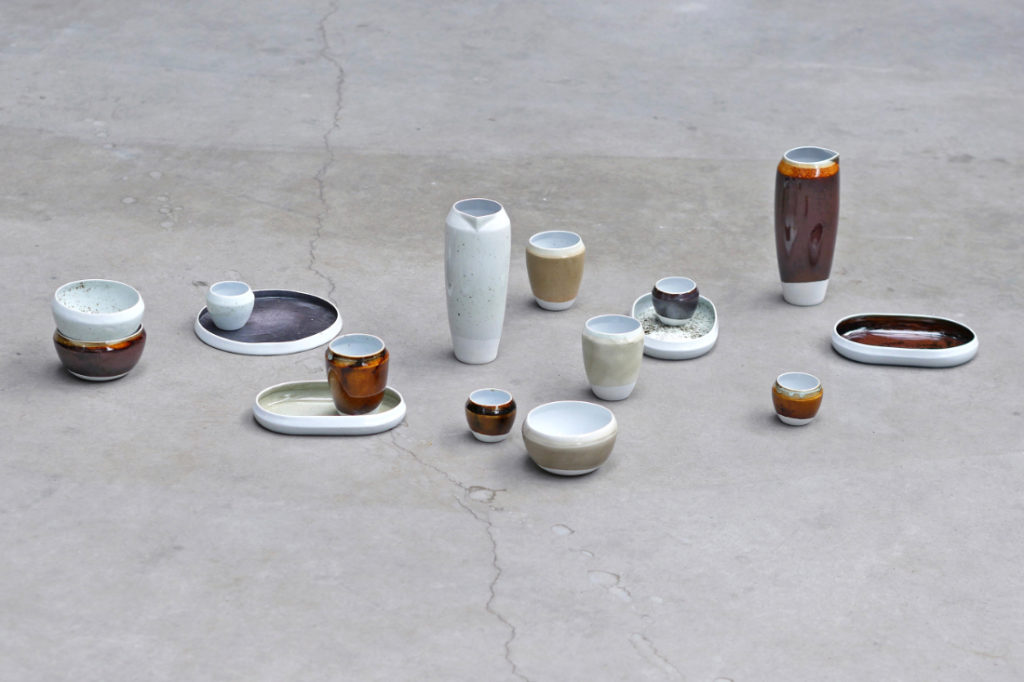
Netherland-based material designer, Agne Kucerenkaite glazes his collection of ceramic vessels with coloured pigments derived from metal mining residue.
Reusable bags are nothing new. But SONNET155 by fashion designer Johanna Hehemeyer-Cürte and textile designer Lobke Beckfeld is sustainable in every sense of the word. Made from fruit peels left over from juice production and cellulose waste from the textile industry, the biodegradable bag can be put to rest in the soil or dissolved in water at the end of its life.
Fascinated with the unique beauty of broken glass, Kazuhiro Yamanaka artfully mends them with coloured resin, purposefully emphasising the cracked edges that follow the providence of nature.

Admission to The Waste Refinery is free from 9am to 9pm daily.
INDESIGN is on instagram
Follow @indesignlive
A searchable and comprehensive guide for specifying leading products and their suppliers
Keep up to date with the latest and greatest from our industry BFF's!
The internet never sleeps! Here's the stuff you might have missed