The home of architecture and design in the Asia-Pacific
Get the latest design news direct to your inbox!

Get the latest design news direct to your inbox!
The newly opened Singapore Kohler Experience Centre presents the brand’s full offering in an immersive set up that combines technology, hospitality and art. We find out more from Kohler’s President and CEO David Kohler.

October 27th, 2017
As the global retail industry continues to suffer the might of e-commerce, world-leading brands have adopted a set of strategies to attract and retain consumers. Retail is no longer just about transaction; it needs to provide something one cannot get simply by clicking the ‘add to cart’ button on screen – experiences.
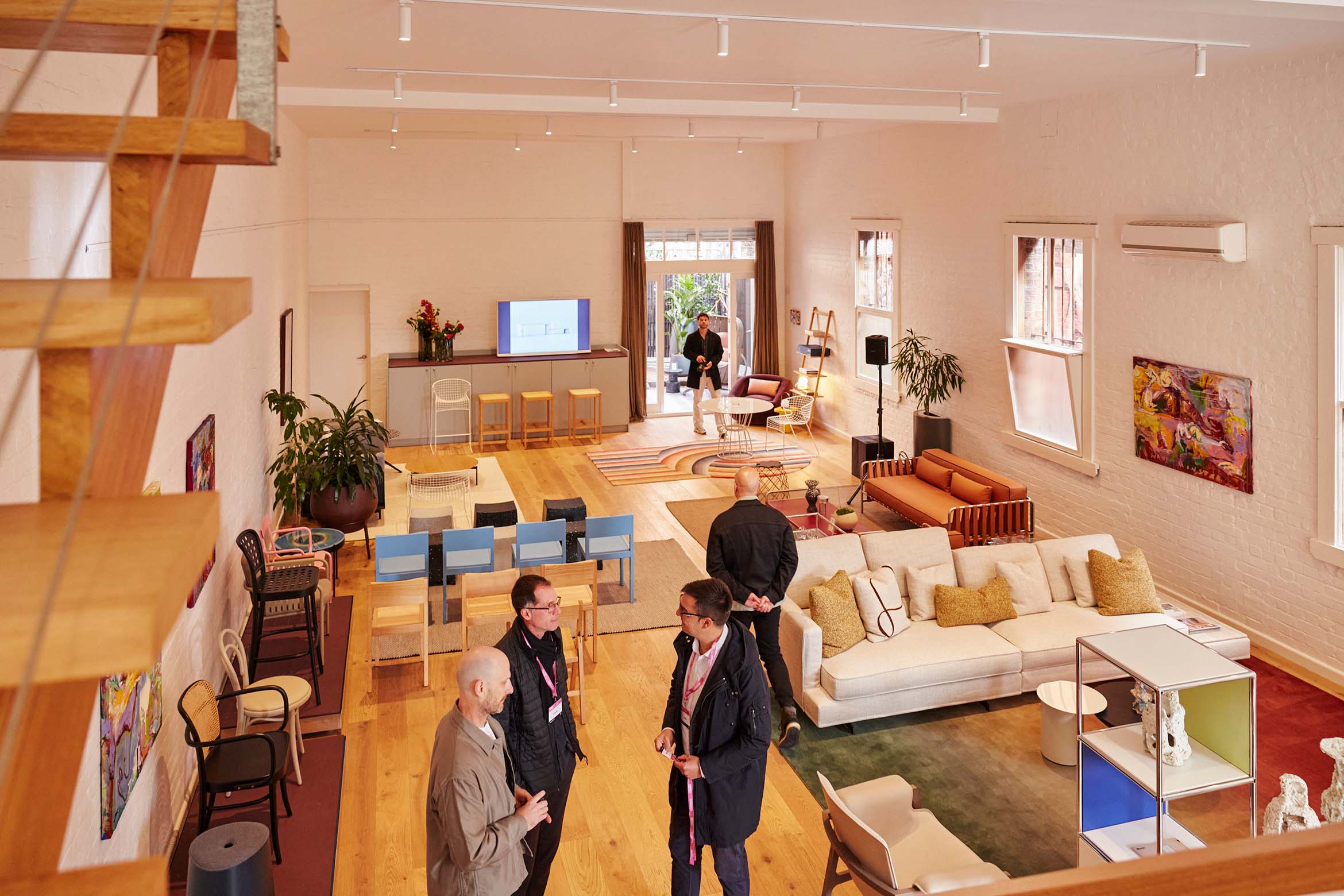
And when it comes to providing experiences in the bathroom, Kohler has left nothing on the table with the new Kohler Experience Centre (KEC). Designed by luxury hospitality interior specialist LTW Designworks, the KEC occupies a three-storey conservation shophouse on Peck Seah Street.
The KEC offers a global specification service, which allows architects and designers working on international projects to have access to all products across Kohler’s entire global portfolio. Video conferencing with Kohler product experts around the world is also available by appointment.
The space is presented as a series of themed display suites (Fashion, Hi-Tech, Family, Classic and Black), each showcasing comprehensive suit of Kohler products. The centre also features a spa, a live kitchen, consultation areas, and flexible seats that can be adapted to suit various events and exhibitions. Additionally, it is an exhibition space for Kohler’s art initiative, the Bold Art.
We hear more from Kohler President and CEO David Kohler:

Would you say that the KEC epitomises Kohler’s strategy for adapting to the changing retail market?
We don’t really consider ourselves to be in retail per se. Purchasing kitchen and bath products or specifying them for a project – whether it’s high-rise, residential or hotel – is purchasing technical products that have to be selected, configured and installed correctly. You need the advice of an expert, which is one of the benefits of this experience centre.
We also think it’s critical to provide an immersive environment where you can see all the possibilities that you could do with the full range of products that we have. You can see all the options and colours, materials and finishes. We also have different areas where you can really see how the technology behind a product actually works. We think really this centre is not like anything that’s out there in terms of providing all these different elements that you can understand.

The KEC Singapore is the third centre to open in Asia after Taipei and Bangkok. How do you position this one compared to the others?
We want it to be a home base for architects and designers to come and relax and work and create and see ‘what’s possible’. I think one of the inherent unique points of this region is the vastness of it – you cover a lot of countries, cultures, just big geography. Working across those different cultures and geographies is not easy for any team or any firm but Singapore has really developed into this hub that’s known for its concentration of architects and designers.
This is where projects from all over the region and all over the world are being worked on. So I think the challenge here is making sure that we can support the amount of work that is being done in this market for the rest of the world. Asia is our second largest market in the world outside of the United States. It’s been the fastest growing market in the last 20 years.
How did the collaboration with LTW Designworks come about?
We have a team here who knows the local design scene and we have a high level of respect for the type of work that Su [Teo Su Seam of LTW Designworks] does, which is primarily hotels and other experiences. We thought the experiences would be great for us and she thought it would be fun to her – it was a mutual interest. We gave her creative license. She’s been able to create a space that’s really unique.

What are your thoughts on the infiltration of smart technology into the bathroom and kitchen?
I think it’s really good from the standpoint of how technology can bring or enhance a consumer experience, the user experience that you can’t get without it. So it’s not technology for the sake of technology; it’s all about the consumer experience. Technology is an enabler, it’s not the end and that’s how we treat it.
Tell me more about Kohler’s commitment to sustainability.
We’ve always been a company that cares a great deal about the environment – and that goes all the way back to the 1920s and ’30s. In 2008 we started really looking ahead and understanding what the world would look like with resource scarcity and climate change. That was when we really reset our strategy to be more aggressive. We made a commitment to reduce our carbon footprint per year, with the end goal of being net zero by 2025.
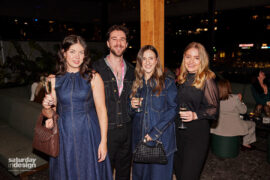
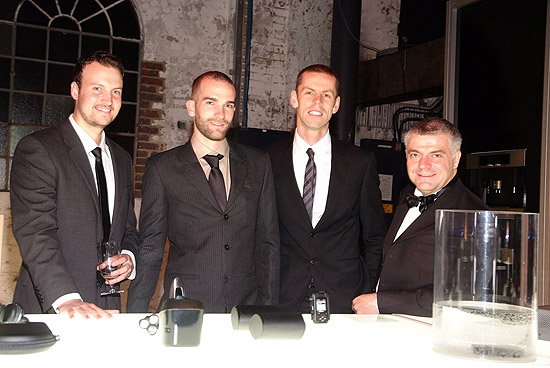
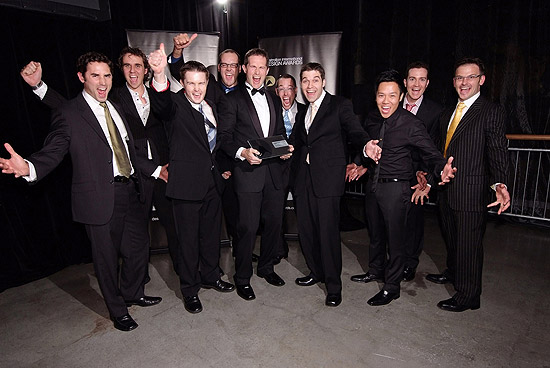
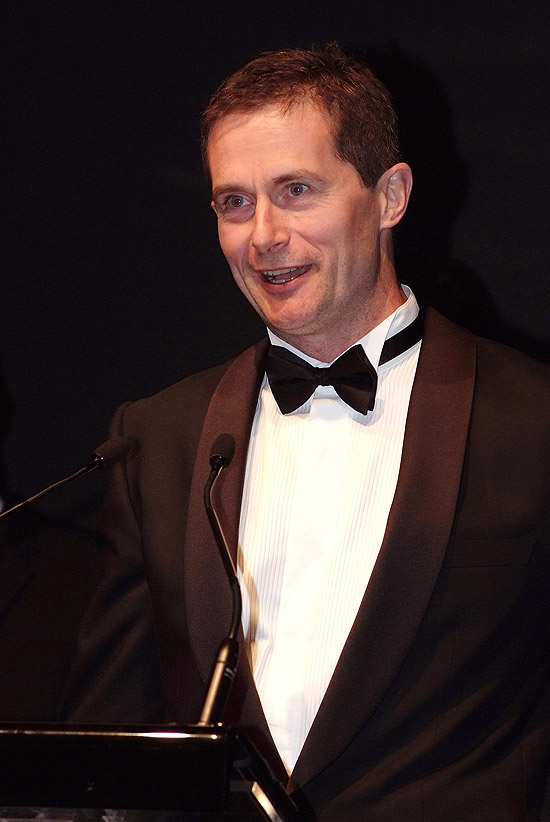
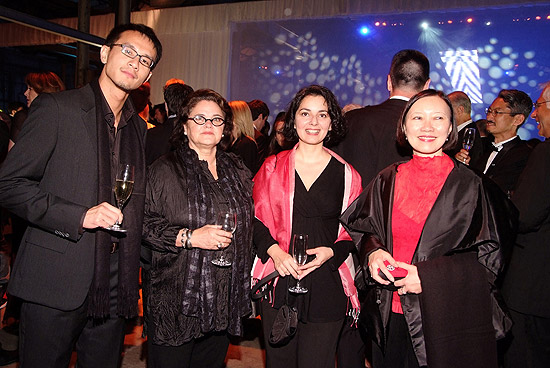
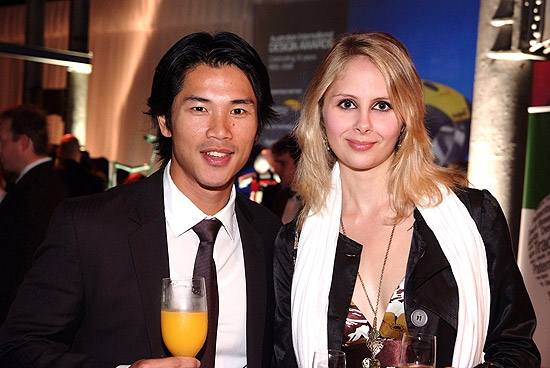
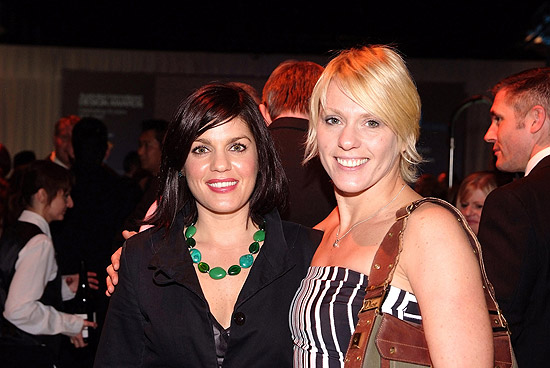
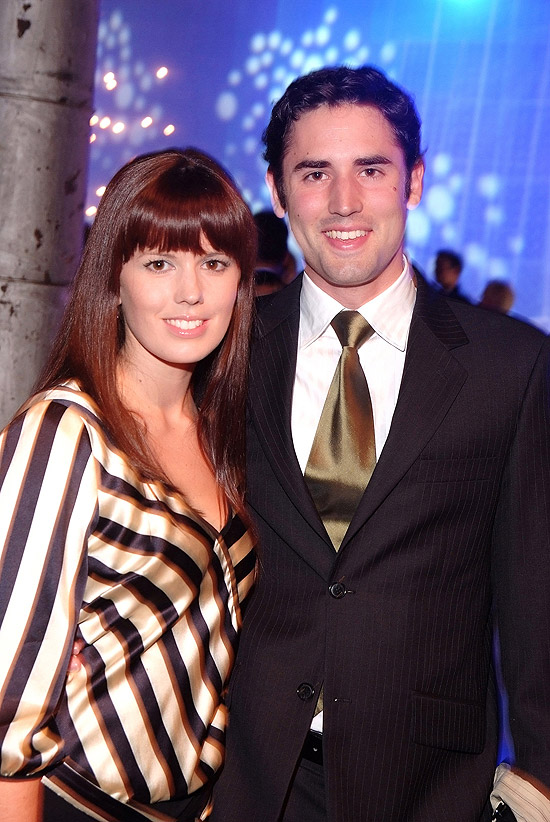
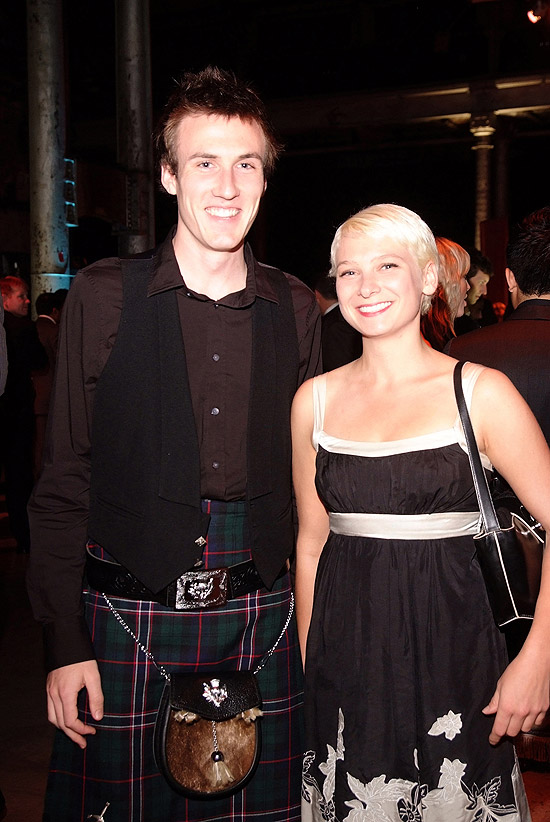
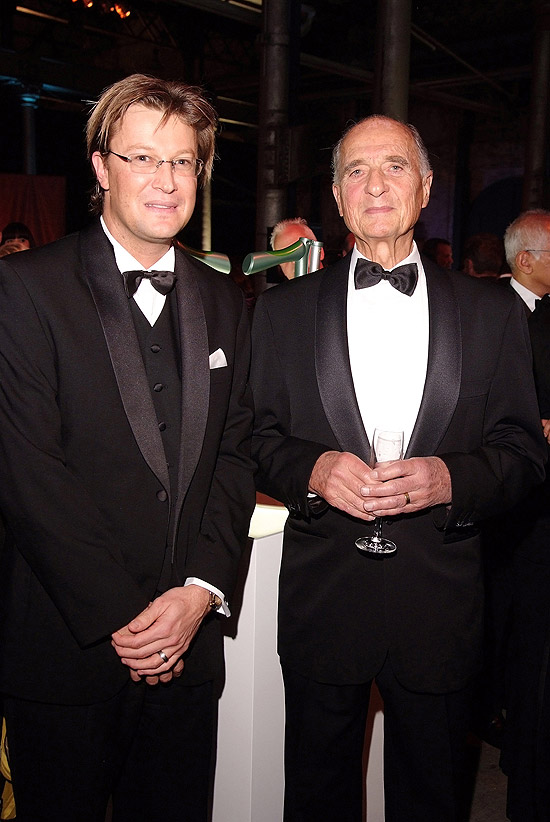
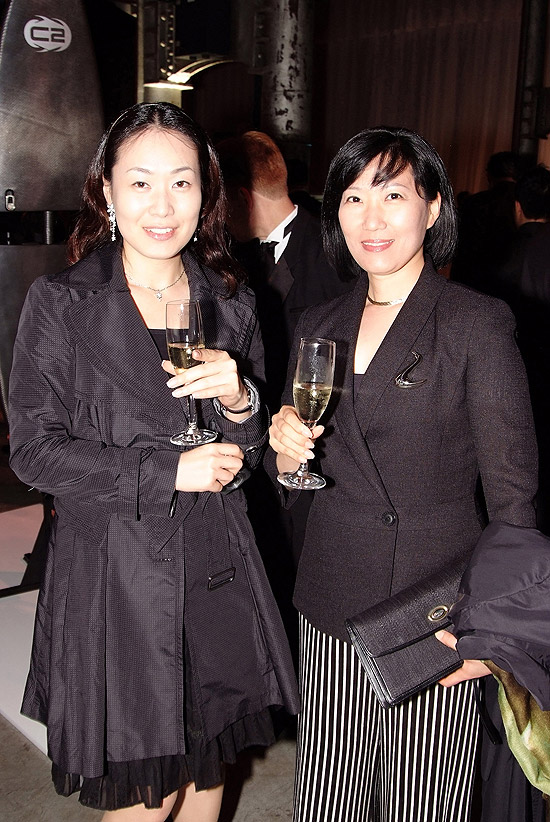
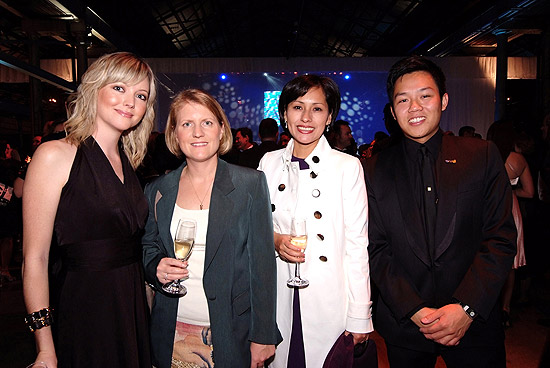
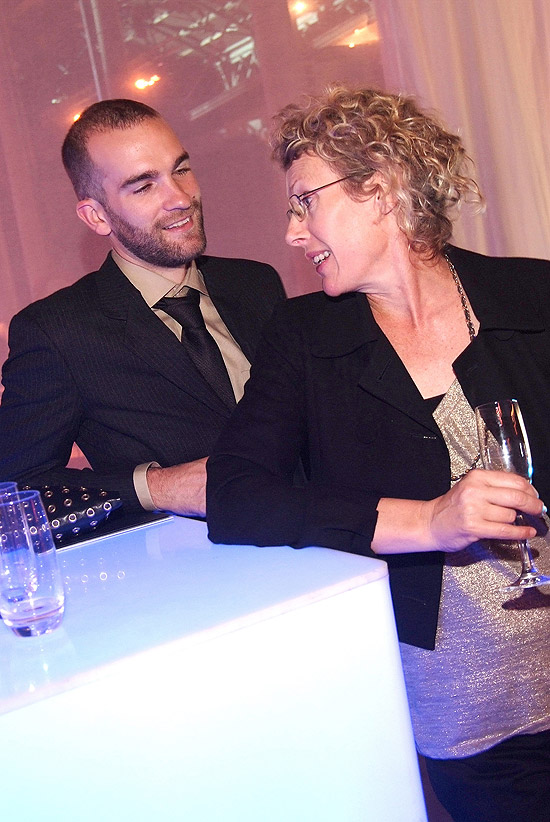
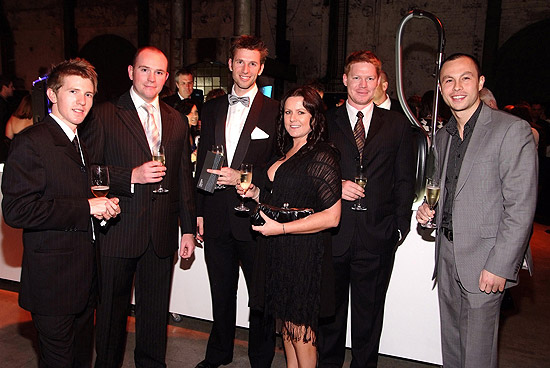
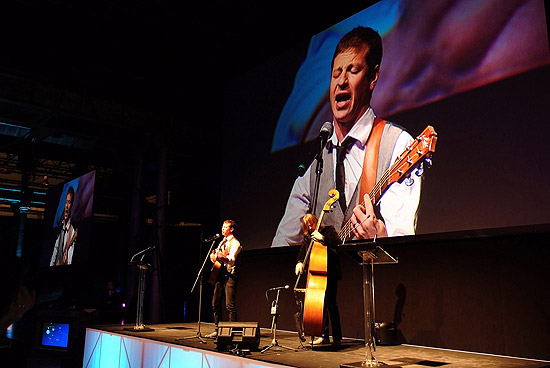
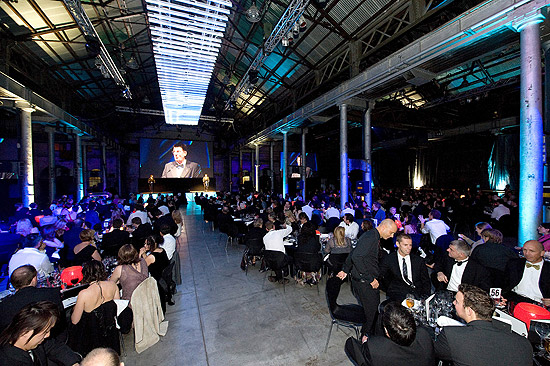
View images from the opening of the KEC Singapore in the gallery below.





INDESIGN is on instagram
Follow @indesignlive
A searchable and comprehensive guide for specifying leading products and their suppliers
Keep up to date with the latest and greatest from our industry BFF's!
The internet never sleeps! Here's the stuff you might have missed