The home of architecture and design in the Asia-Pacific
Get the latest design news direct to your inbox!

Get the latest design news direct to your inbox!
How can A&D innovate in APAC? Work with certainty and confidence, and do things our way! We share the insights of returning INDE.Awards judge Chan Ee Mun of WOHA – including what he’ll be looking for in this year’s entries.

January 26th, 2018
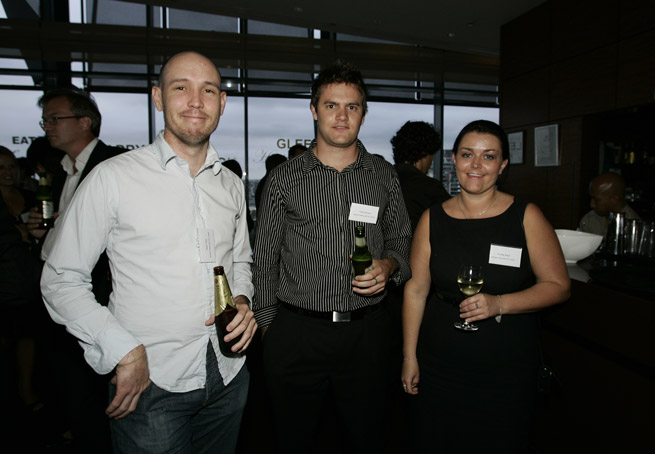
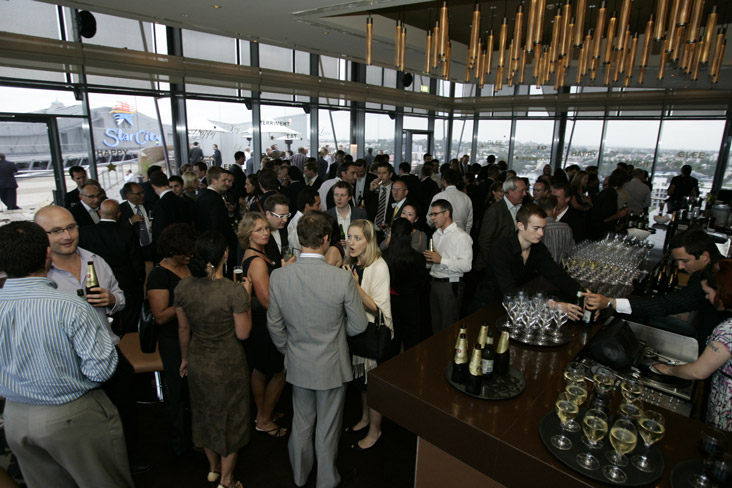
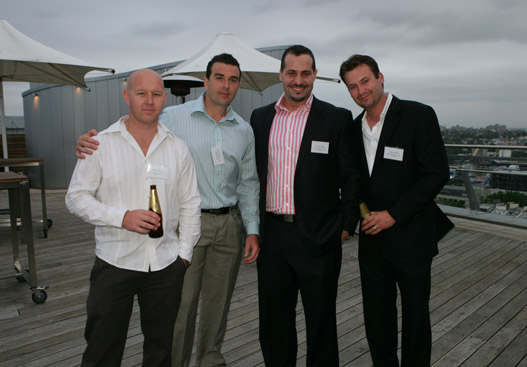
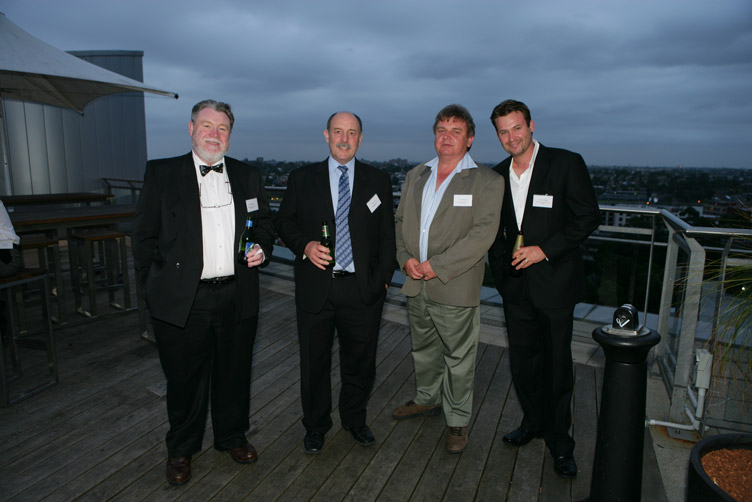
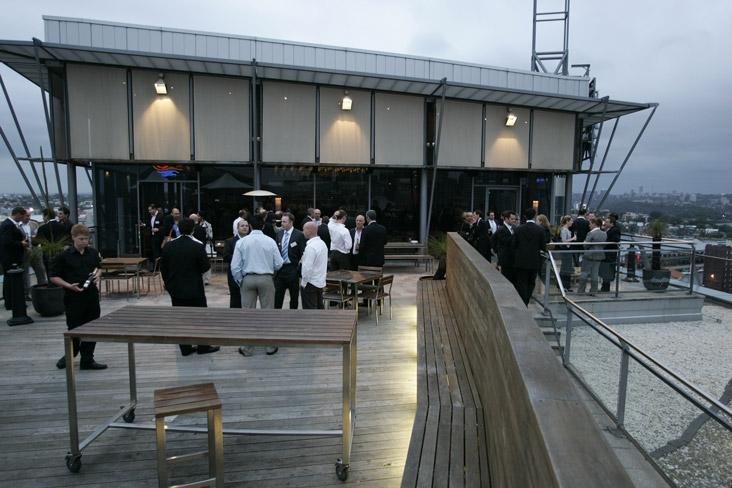
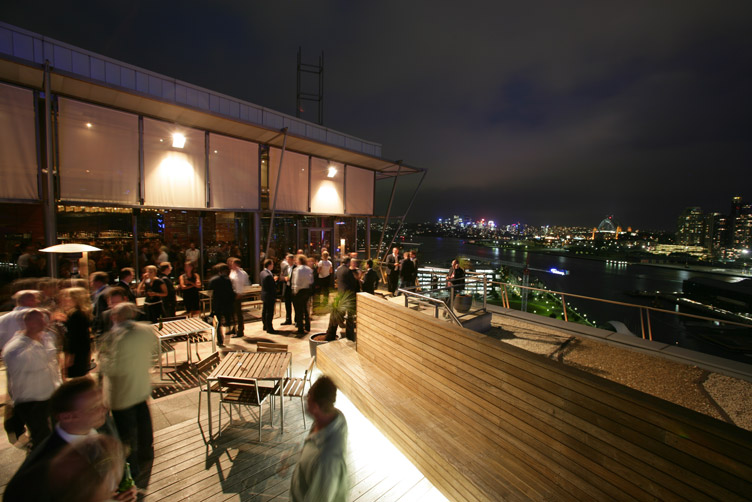
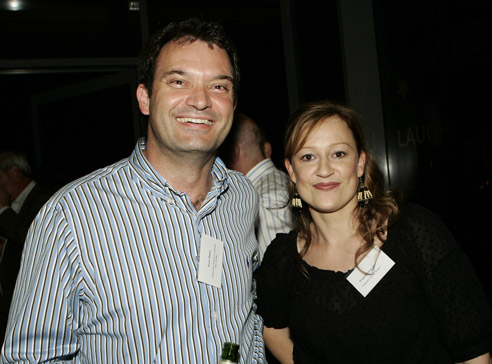
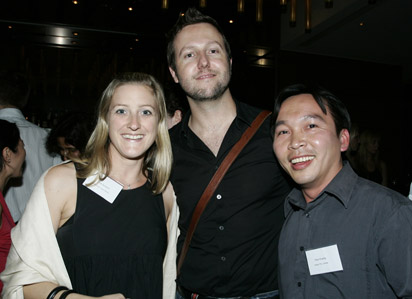
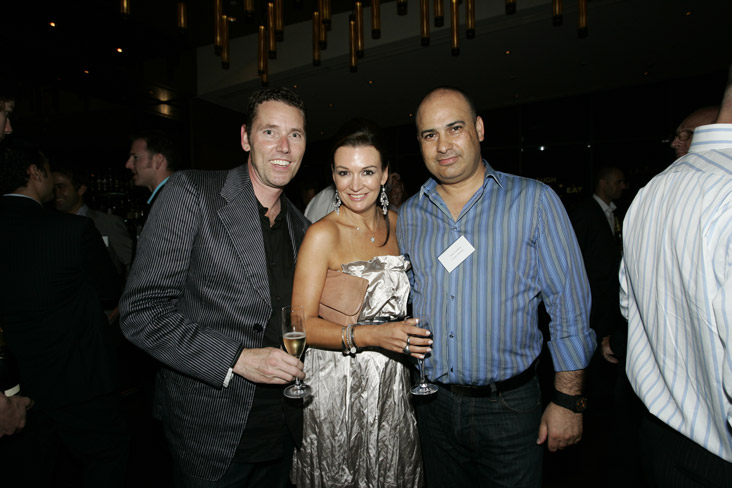
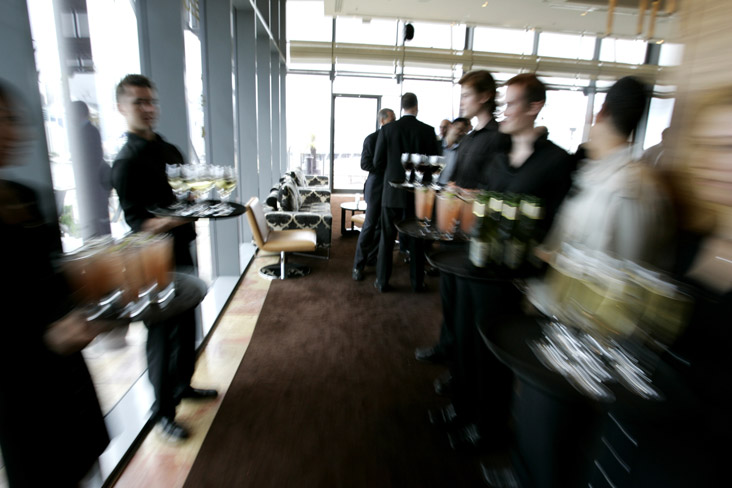
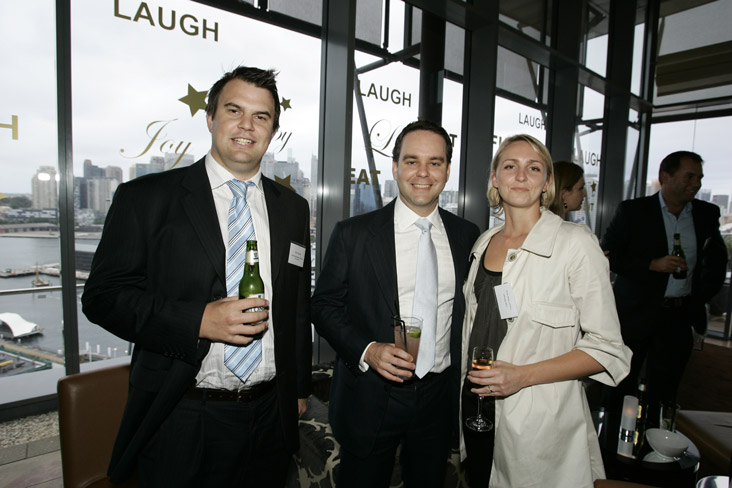
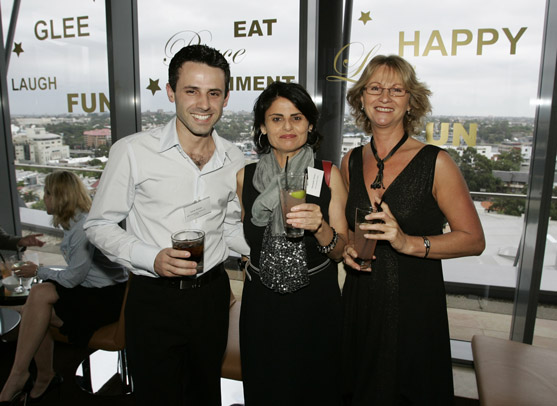
Members of Singapore’s A&D community gathered at the Wilkhahn Singapore showroom this week for a special INDE.Awards sharing session with an important guest: INDE.Awards judge Chan Ee Mun.
Chan (a Senior Associate at WOHA, Singapore) returns to the INDEs jury this year after serving in 2017, and very generously shared his views on the awards, on practicing in APAC, and on what he’ll be looking out for in the submitted projects this year.
The audience was first led through some key facts about the INDE.Awards by Program Manager and Indesign Media Asia Editor Narelle Yabuka. She spoke about the INDEs vision of examining, documenting and celebrating the best of Asia Pacific – not from afar, but from within – before recapping the successful inaugural year in 2017 and explaining the awards categories.
These include the four new categories – The Multi-Residential Building, The Wellness Space, The Learning Space and The Shopping Space. One other change to the categories this year is the tightening of the parameters for The Social Space category to hospitality and F&B projects – other social spaces being catered to by the new categories.
“Throughout the entire range [of entries], you get to see a very diverse portfolio of work that’s going on in this part of the world,” said Chan. “The diversity reflects the scene we have in the APAC region,” he added. And that diversity of contexts around APAC means that for practitioners who work across the region, there’s a real need to be adaptable, he suggested. “I think it’s about certainty – having a clear intention… It’s about being adaptable and moving along with the shifting grounds we find in this part of the world. It’s changing so fast; you have to keep up.”




































Said Chan, “The thing about design is that with challenges you’re forced to innovate and grow with it. A lot of good work comes from the fact that we have to adapt and innovate, and come up with interesting novel solutions to a particular problem that’s unique to that case or country.”
So what sorts of strategies can architects and designers in APAC adopt to deliver the most progressive and contextually appropriate work possible?
“It’s about having confidence in what you do,” he said. “We’ve got bright talents [in APAC]. We’ve got people who understand the lay of the land. We’ve got people who have grown up here and been living here and are very familiar with this region – through want and need. It would be great if we all had the confidence – designers, clients, even the people in charge of regulations – to say ‘Hey, let’s do it our way. We can learn from everybody else around the world, but let’s do it our way.’”
“What’s exciting is how quickly things are moving [in APAC]. We have the advantage because we are right in the middle of it. We’re part of the growth and the exploratory movement that’s going on in this part of the world. I think it’s always going to be exciting. I hope to see a lot of interesting works in the INDE.Awards.”
What does he hope to see in this year’s entries? Definitely a diverse range of works – from areas outside the major cities too. “Asia Pacific has a larger story than [urban] development. We have a longer history. It would be nice to see some more culturally contextual entries as well. It would be nice to see us say, ‘This is where we belong, where we originated from,’ and see a lot of that influence in the works as well.”
Special thanks to Wilkhahn for hosting this special INDE.Awards 2018 sharing session.
INDESIGN is on instagram
Follow @indesignlive
A searchable and comprehensive guide for specifying leading products and their suppliers
Keep up to date with the latest and greatest from our industry BFF's!
The internet never sleeps! Here's the stuff you might have missed