The home of architecture and design in the Asia-Pacific
Get the latest design news direct to your inbox!

Get the latest design news direct to your inbox!
Where are the strongest Asian markets for hospitality development now? How are designers responding to today’s brand ecosystem and consumer desires? Insights were shared at REDS Asia this month in Bangkok.

December 5th, 2019
After a day dedicated to the latest intelligence on real estate market performance around Asia on day 1, on day two the focus at the Real Estate Development Summit (REDS) Asia 2019 turned to hospitality and design. A hospitality sector update was followed by presentations from some of the region’s leading designers and architects, a number of whom specialise in hotel design.
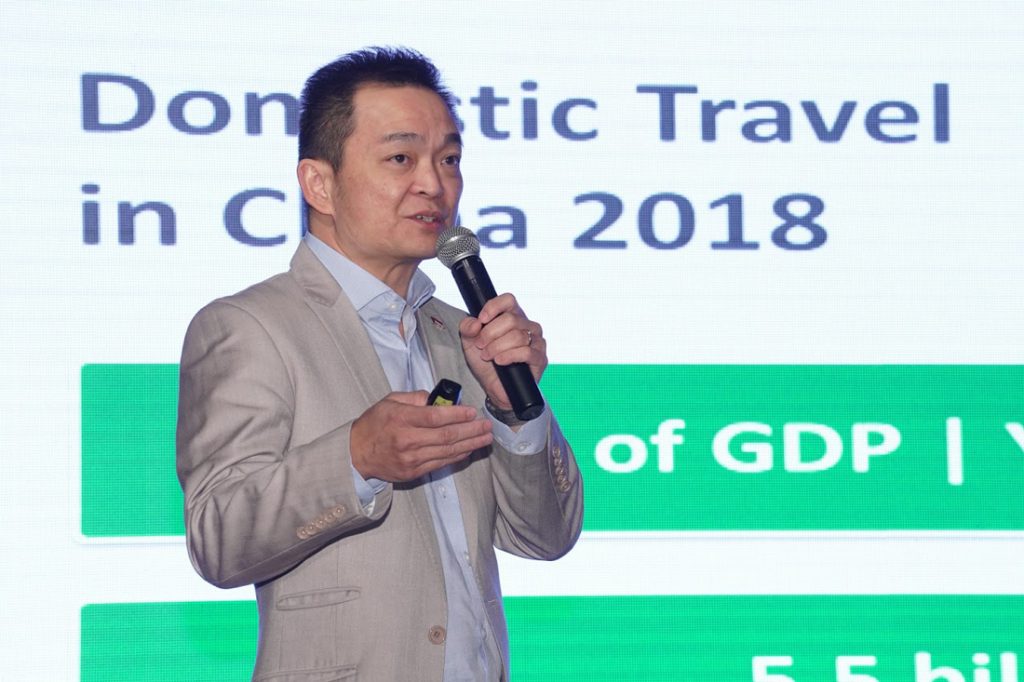
The morning began with Bernard Kee, Regional Manager, Southeast Asia at research and data company STR (Singapore), discussing the slowing growth in demand in the hospitality sector in 2019.
South Korea, Malaysia and India are benefitting from Southeast Asian tourism as Chinese tourism turns toward domestic destinations. Hotel brands are showing great confidence in the APAC region, he said, but markets are fragmented and different strategies are needed in different locations.
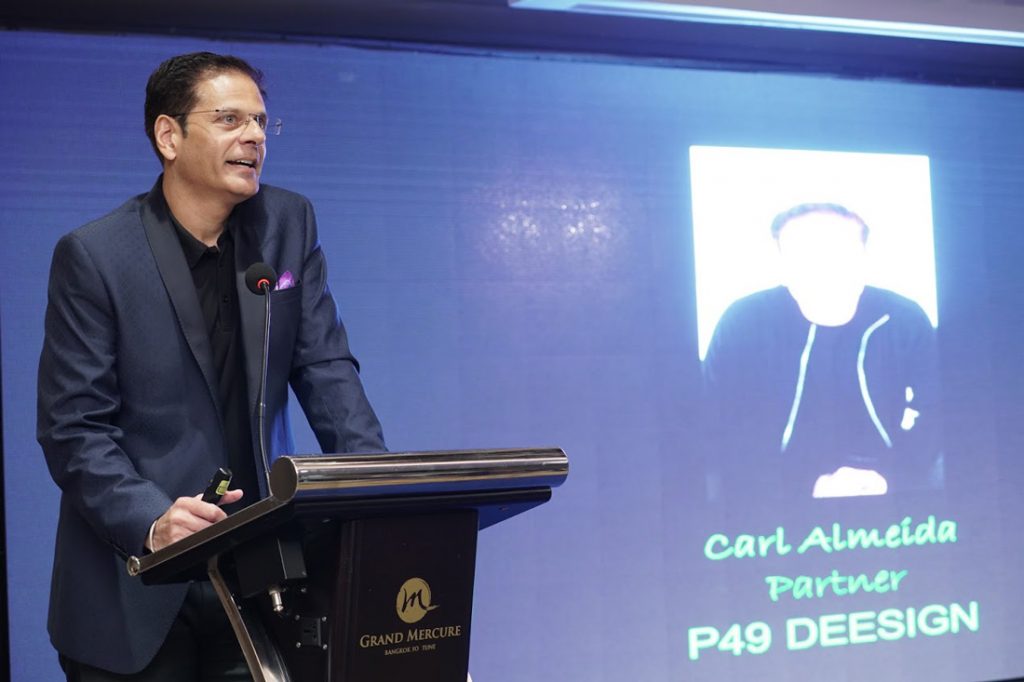
Carl Almeida, Partner at P49 DEESIGN (Bangkok), spoke about his firm’s work in the ‘lifestyle hotel’ segment – a segment that appeals to multiple age groups by offering the personal touches of a boutique hotel but the reliability of a big chain. Almeida’s response to the culmination of brands competing for the same guests, but all saying they’re unique, is to focus on contextually derived narrative in design.
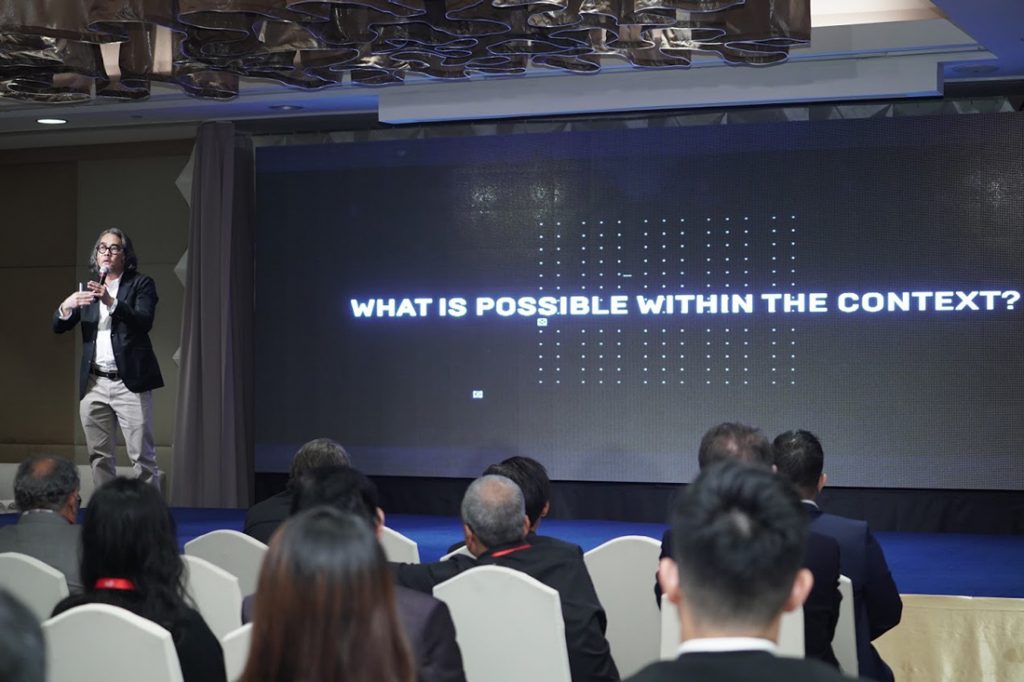
Duangrit Bunnag, Founding Director of Duangrit Bunnag Architect (Bangkok), changed the tempo somewhat, essentially challenging the audience to think alternately to the model of unending potential growth. We should recognise that monopoly is temporary, he said, and look honestly to context and reality to drive creativity – which is the real driver of wealth.
Bunnag spoke of the “silent knowledge” of city life – the intuitive perspectives that are needed to give meaning to big data and AI. Don’t discount emotion and human intelligence, he said. Artificial intelligence is only part of the equation of successful creative solutions.
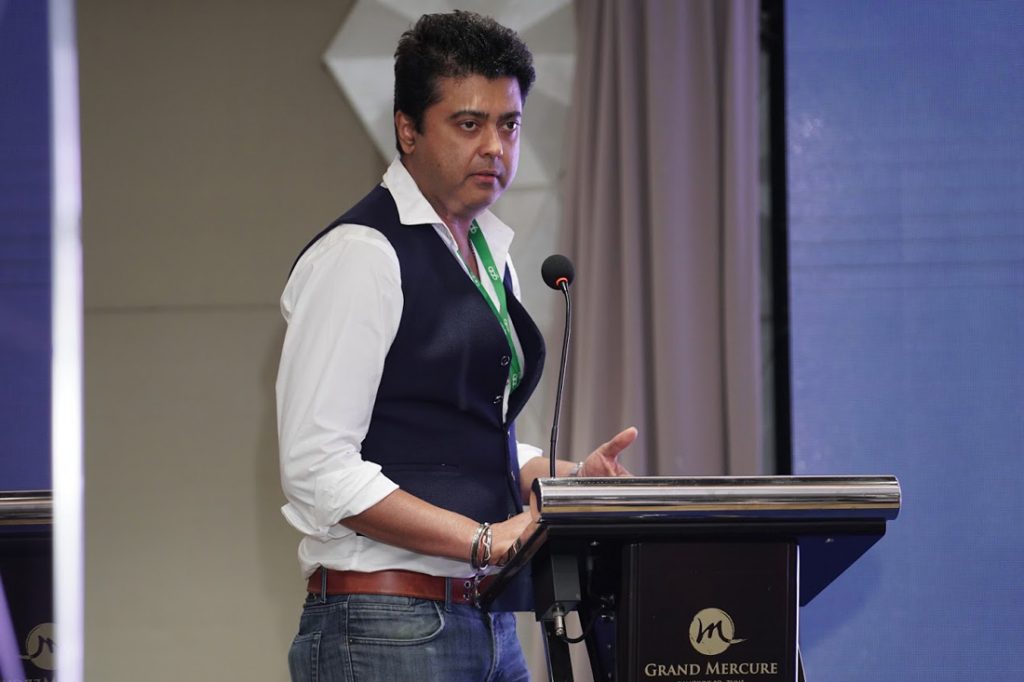
Bobby Mukherjee, Principal Architect at Bobby Mukherjee Architects (Mumbai), shared a diverse range of hotel projects embodying both heritage-inspired design and more contemporary expressions.
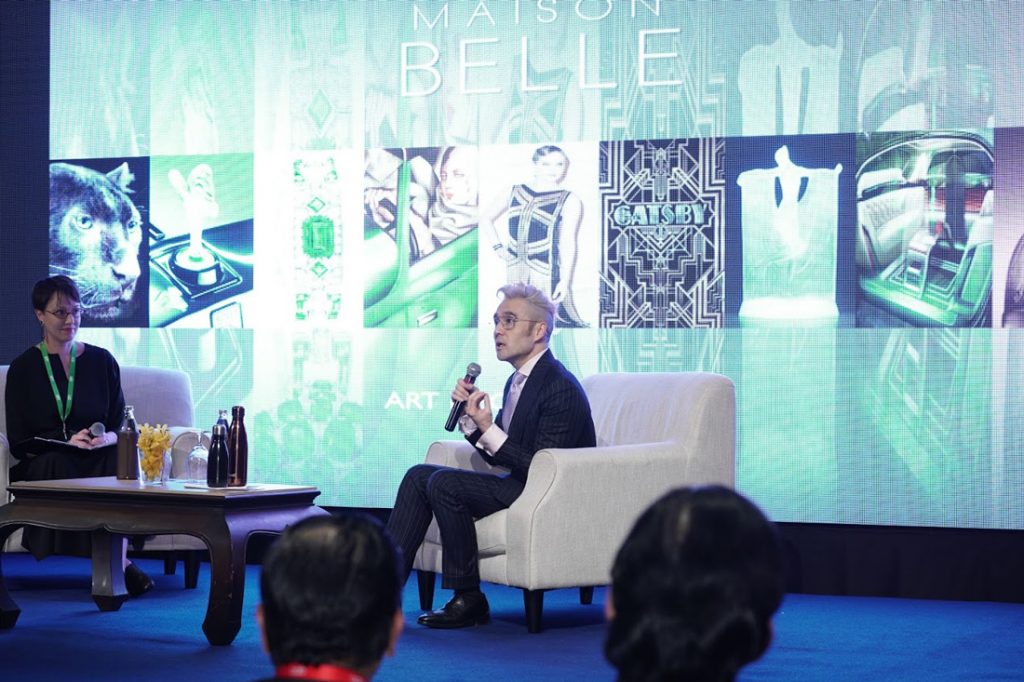
And Alexander Wong, Director and Founder of Alexander Wong Architects (Hong Kong), took the audience on a tour de force – to Mars (the next market) and back – in a discussion with me about innovating in design with consideration of culture.
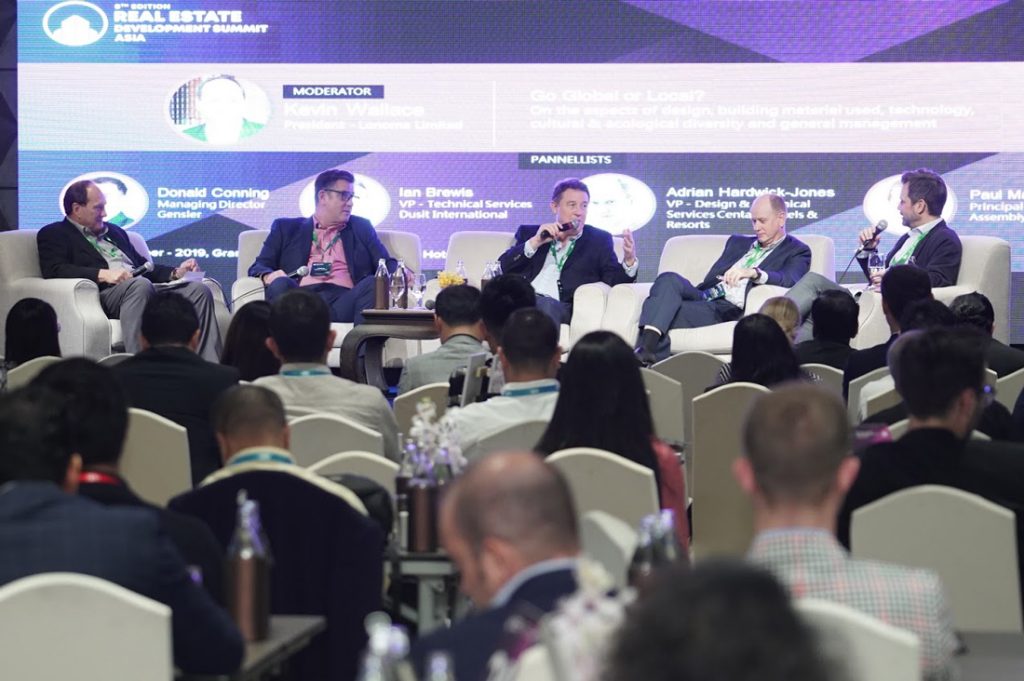
The summit’s final panel discussion was led by Kevin Wallace, President of Lonoma (Bangkok) and explored the global and local considerations that factor into the design, construction and management of hospitality properties. The panel consisted of Donald Conning, Managing Director of Gensler (Singapore and Bangkok); Ian Brewis, the Vice-President – Technical Services at Dusit International (Bangkok); Adrian Hardwick-Jones, the Vice-Presidents – Design & Technical Services at Centara Hotels & Resorts (Bangkok); and Paul Matthew Wiste, Principal at Design Assembly (Singapore).
The panel noted that the ‘global’ tends to relate to the bringing of international standards to local markets, but the question of how easy and fast it is to replace something that’s broken lends itself to local sourcing. That said, local maintenance standards need to be at a high level. Local procurement was also discussed as a response to the need for sustainability and resilience.
Also discussed was the increasing proliferation of ‘white label’ collections from big brands – is it their compromise to the problem of local markets not accepting global brand standards? It may be, allowing more flexibility with the product yet maintaining the backing of the brand’s global system. It may also be a response to the market – to the effect of Airbnb for example.
See more from day 2 below, and read the market insights from day 1 here.
INDESIGN is on instagram
Follow @indesignlive
A searchable and comprehensive guide for specifying leading products and their suppliers
Keep up to date with the latest and greatest from our industry BFF's!
The internet never sleeps! Here's the stuff you might have missed