Brisbane really does have some of the best pubs in the country and The Boundary Hotel is one of them. Situated in the city’s West End, this much-loved watering hole was established in 1864 and has served many a local and out-of-towner well over the years. So when KP Architects was enlisted for the iconic institution’s renovation, the Brisbane-based practice approached the task with sensitivity, respectfully reimaging the existing structure to ensure both old and new are celebrated in equal measure.

As KP Architects’ Director Kon Panagopoulos explains, “The hotel was tired and in need of a refurbishment to better reflect current trends in hospitality design. And we achieved this by peeling away the layers that had been applied to the original building over the decades to reveal its original fabric.” Leaving this robust palette of brick, concrete, timber and steel exposed, Panagopoulos and his team inserted a series of external spaces and a beer garden at ground level alongside a new first-level addition that incorporates more indoor and outdoor areas for drinking and dining.
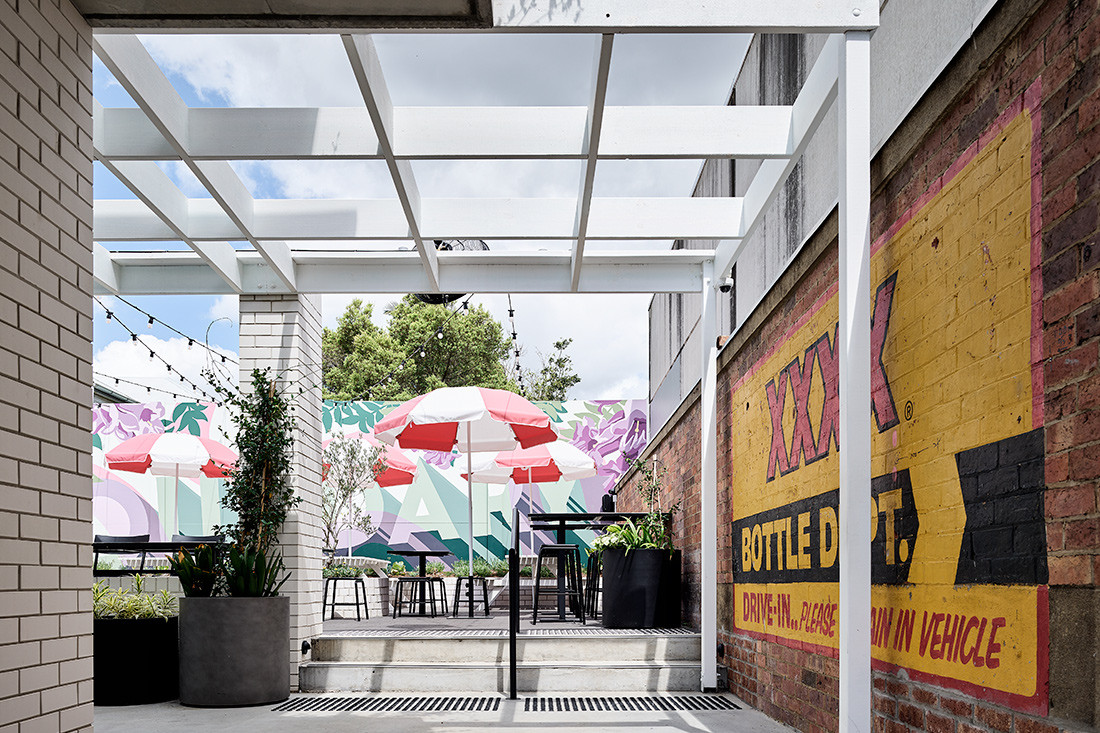
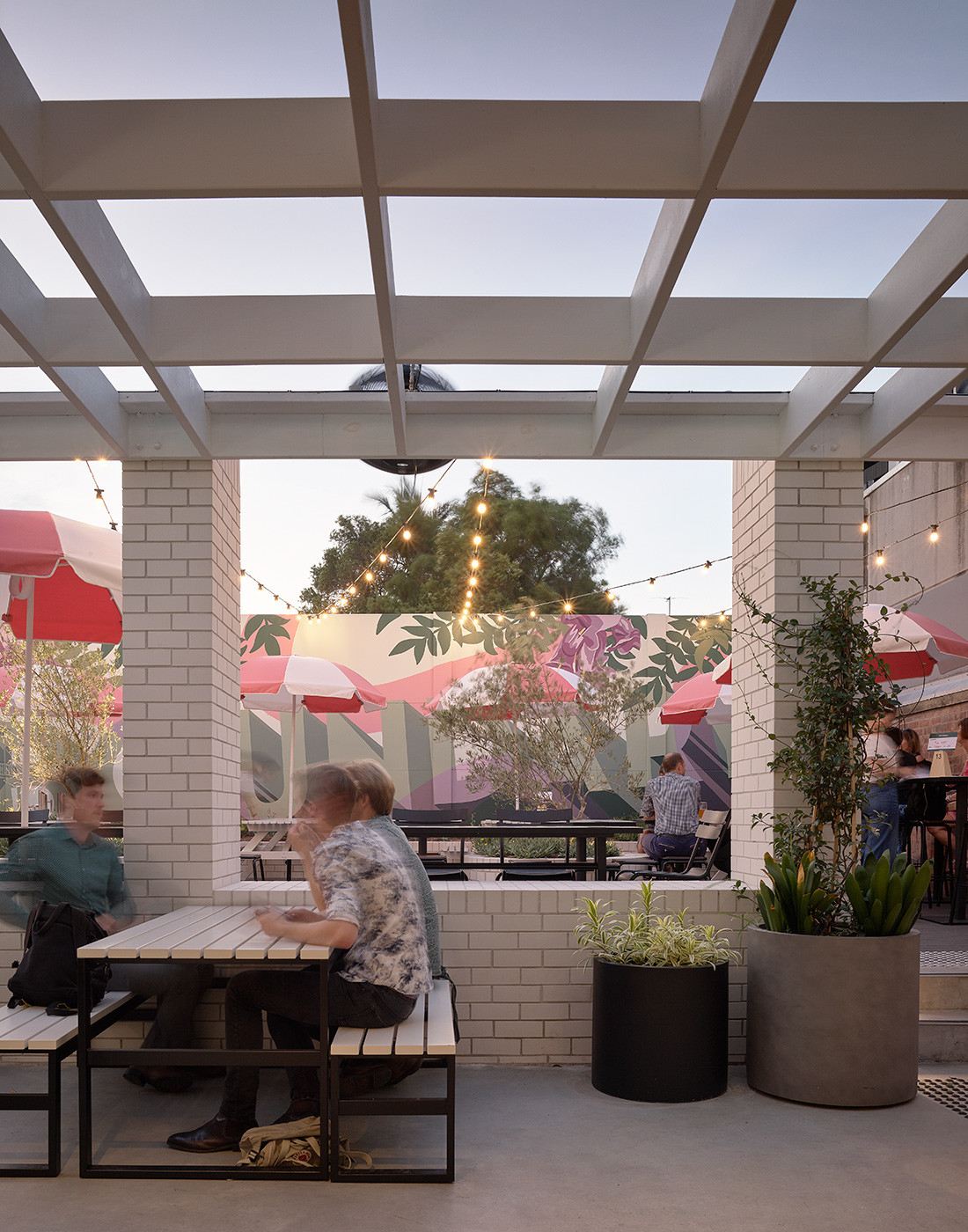
The new is demarcated by the use of PGH Bricks’ Blanco Morada, a crisp, white brick that not only accentuates the old, but brings a renewed sense of freshness and vibrancy to the overall project. By lightening the interiors and blurring the lines between inside and outside, the architects also celebrate the Queensland climate by firmly embedding the building within its bright, sunny context. Playful vignettes dispersed throughout – the beer garden’s colourful wall mural, an opening in an existing brick wall to which a neon sign reading ‘Just Another Brick in the Wall’ has been added – all further enliven the pub, giving it a wonderfully warm and informal ambience perfect for socialising.
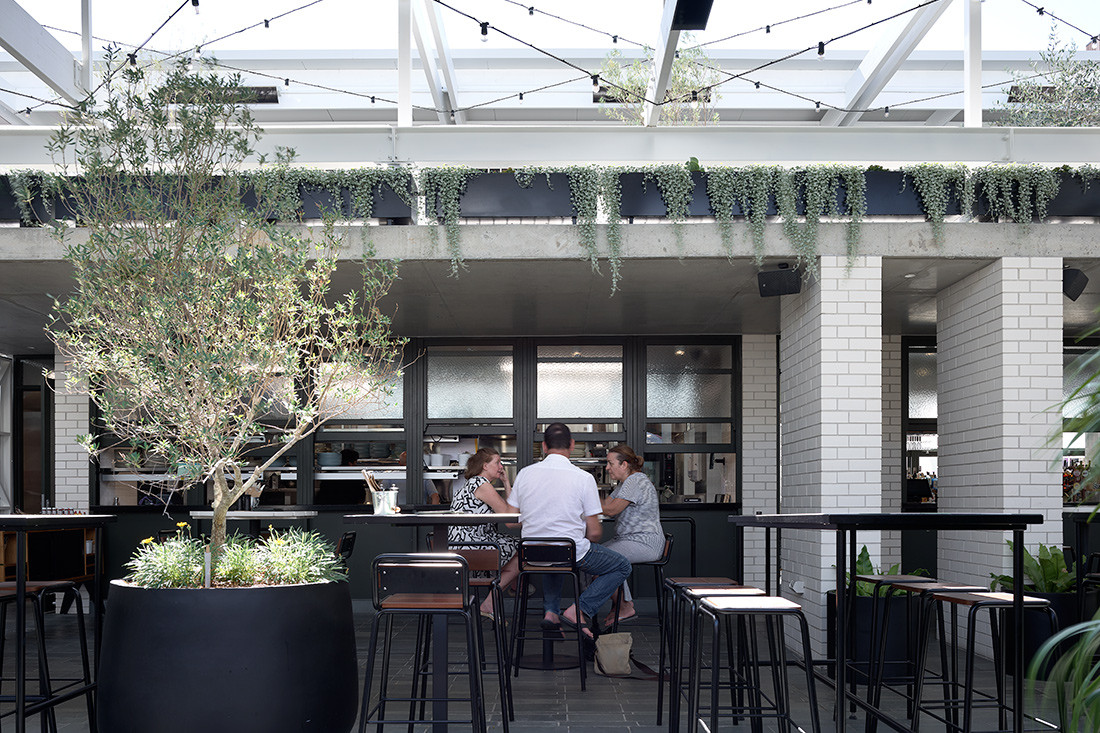

However, it’s the design’s spatial planning that warrants more attention. Each space, whether old or new, creates an immersive customer experience that’s completely memorable. While these zones are somewhat self-contained, they’ve been cleverly connected via a network of internal ‘streets’, making the overall layout appear fluid, logical and easy to access. A laneway with stairs running the length of the building’s northern elevation further connects the street with the interior as well.

For Panagopoulos, the most important thing was to restore The Boundary Hotel to its former glory and he’s succeeded in doing so. “We wanted to create an environment where customers felt like they were stepping back to a time when a pub was a pub and functioned as a social incubator that encouraged communication and celebrated the outdoors,” he says. This is a renovation imbued with just the right amount of nostalgia, but which ultimately brings the building well and truly into the 21st century.

Photography by Scott Burrows.
For another refreshing Brisbane project, take a look at The Calile Hotel by Richards & Spence. For all the latest design news, join our mailing list.