In the heart of Queenstown, Warren and Mahoney has delivered a sports performance facility that fundamentally reimagines what a gym can be. The Mill isn’t hidden behind warehouse walls or enclosed in a concrete box—instead, it’s a transparent, sculptural building that celebrates movement, recovery and the dramatic alpine landscape that surrounds it.
“The client requested that we create an environment that prioritises physical performance, recovery and wellbeing,” explains Ian Adamson, the Warren and Mahoney architect who led the project. “It was very much a human-centric building, with a holistic approach that aligns sustainability with health.”
Unlike the typical industrial gym aesthetic, The Mill engages directly with its context. The building features carefully calibrated transparency—opening strategically to frame views of the Remarkables while closing down on the westerly facade for thermal control and privacy from neighboring industrial buildings. “It’s really interesting to be in the training space, stretching on the turf and you’re looking at the changing scene across the face of the Remarkables range,” Adamson describes. “It’s quite a dramatic, athletic space to actually go and train and work out in.”
This connection to landscape extends to the second level mezzanine, where early morning training sessions are accompanied by sunrise views over the Crown Terrace. The building doesn’t just sit in Queenstown—it immerses users in it.
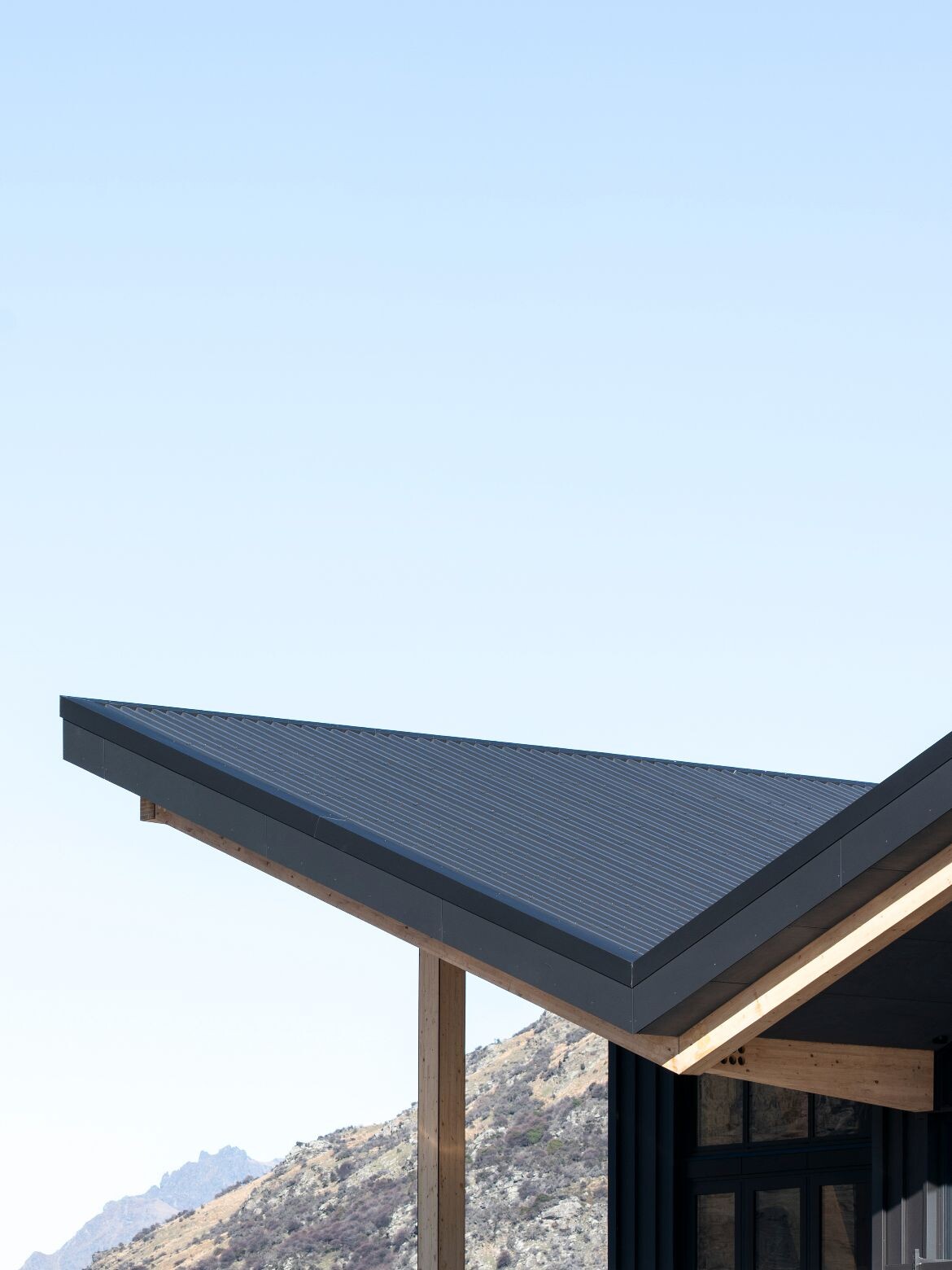
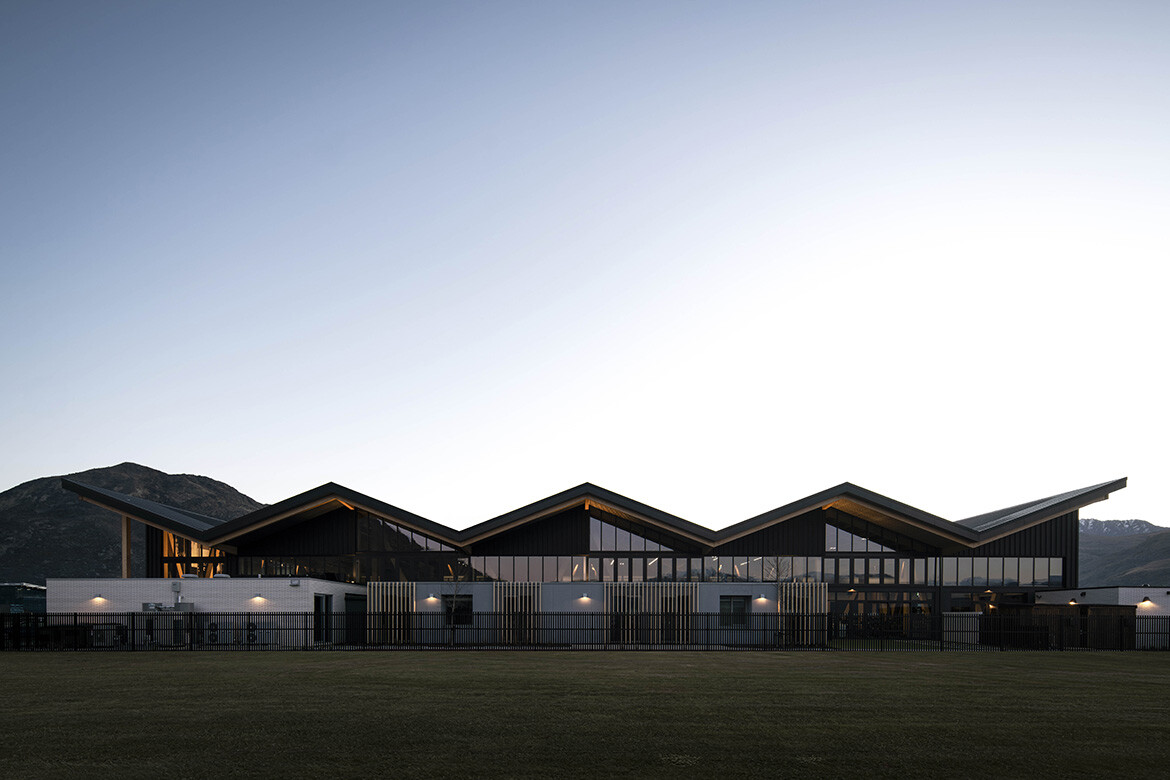
The most striking architectural gesture is the folded roof and wall cladding that wraps the building. While this sculptural form acknowledges the surrounding mountain topography, Adamson is quick to point out that it’s equally driven by interior considerations. “That folded roof aligns with the movement of the body and the experience we were trying to create—both internal and external,” he notes. “We haven’t left anything to chance in terms of the design process, because everything’s on show. It’s a very well-crafted and shaped building.”
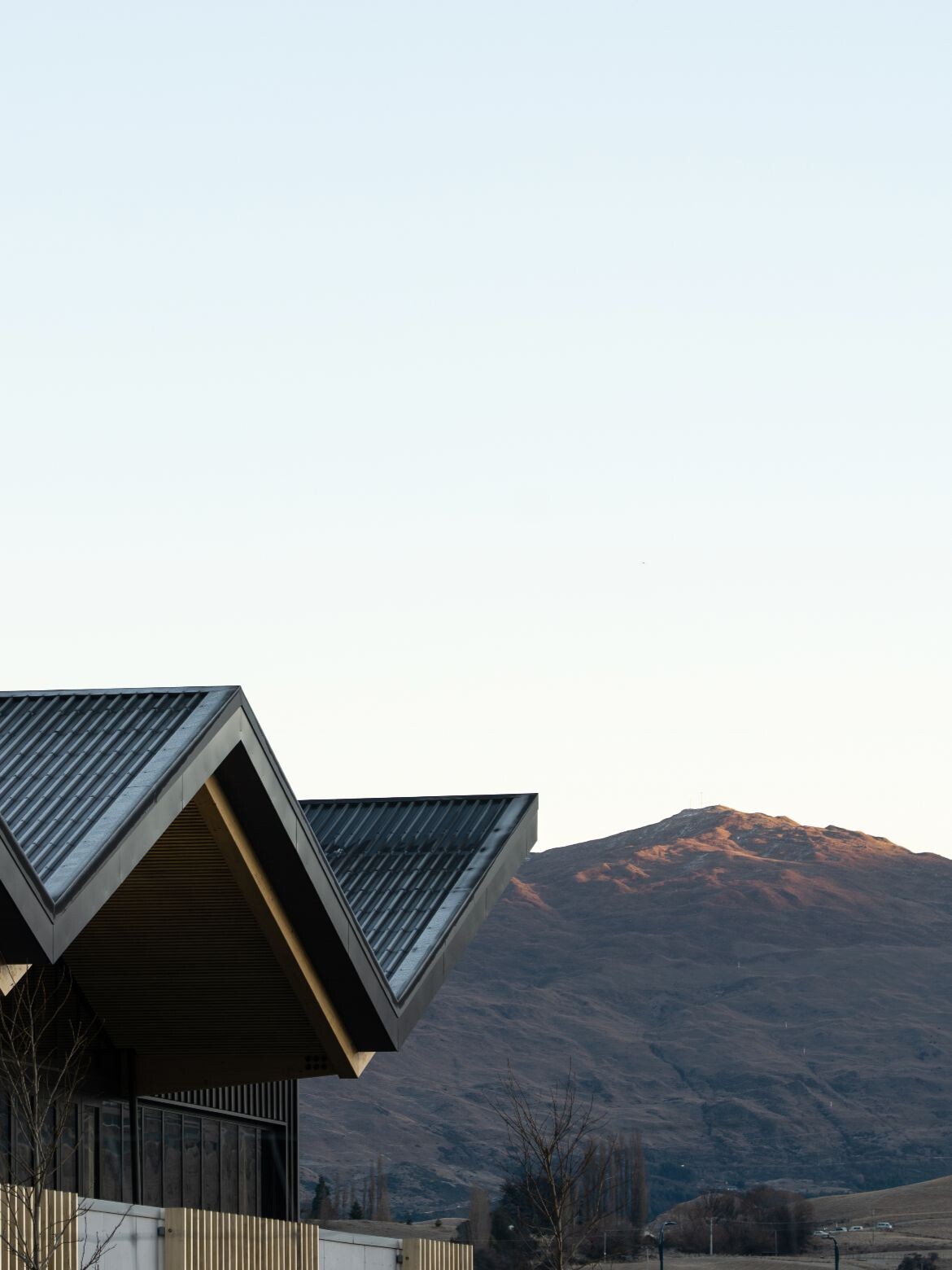
Underneath this dynamic canopy, a more rectilinear block—described by Adamson as “almost container-like”—houses the clinical functions: physiotherapy, sports medicine and health treatment rooms. This programmatic clarity makes the building’s purpose immediately legible, in stark contrast to the anonymous warehouse aesthetic of the neighboring facilities.
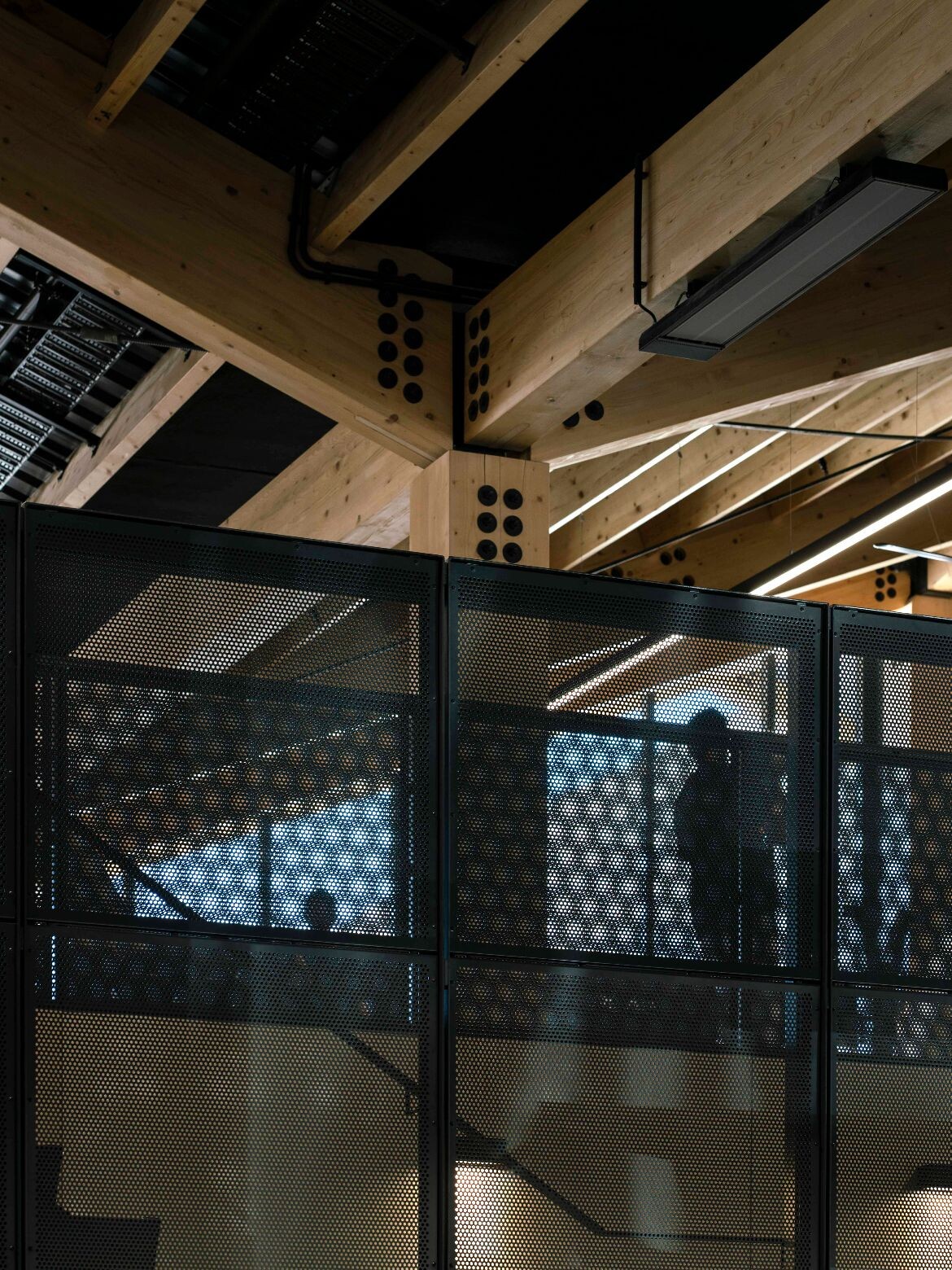
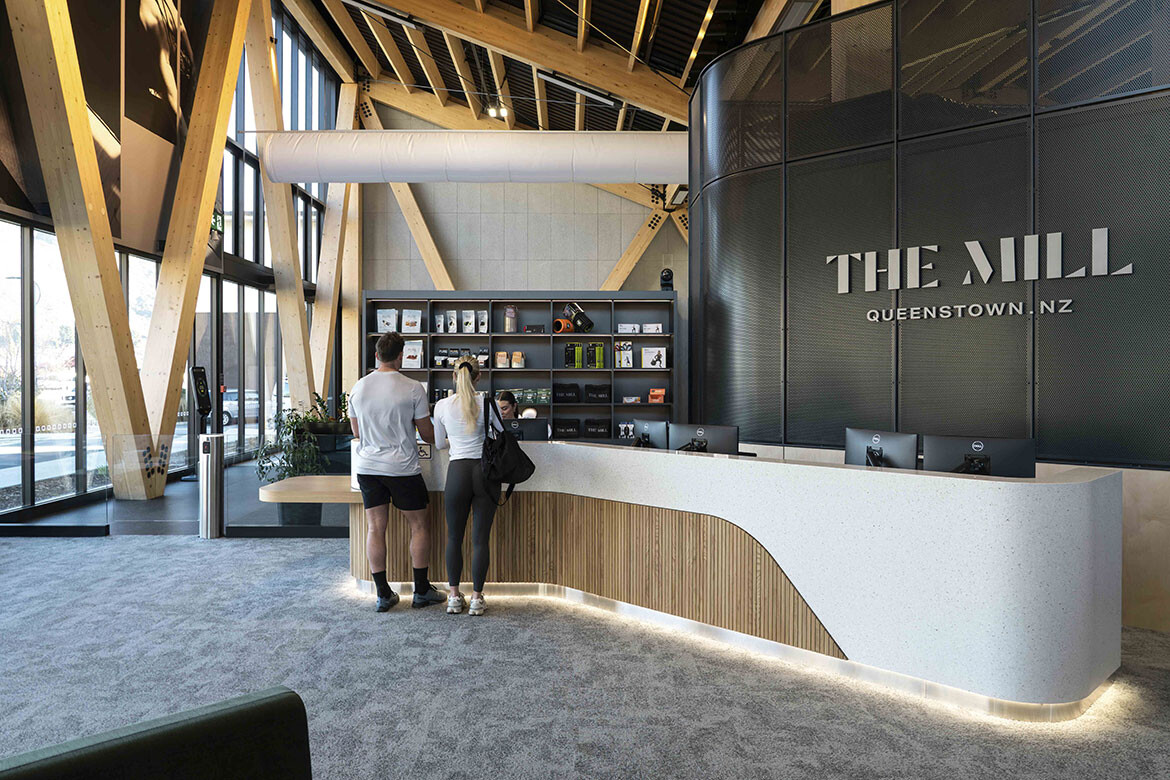
The project’s material story centres on mass timber—a decision driven by both sustainability goals and experiential quality. The exposed timber structure creates what Adamson calls a surprisingly calm atmosphere for a high-energy training facility. “The timber almost grounds the building,” he explains. “It’s not like a really heavy, noisy space, as you often find with a lot of gyms. The acoustics are good and people are constantly touching the timber—it’s quite a remarkable, sculptural space to work out in.”
Related: Sydney Children’s Hospital Randwick opens with integrated care and research by BLP

From a sustainability perspective, the mass timber delivers a low-carbon response, complemented by materials with high recycled content throughout. The building features passive ventilation and, remarkably, the installed radiant heating wasn’t needed even through the winter months—evidence of strong thermal performance.
The client, Pete Forch—a physiotherapist himself—brought a nuanced understanding of how training, treatment and recovery spaces should flow together. This resulted in what Adamson describes as “blurring the boundaries” between different functions. “You could be training in the gym alongside a national or international athlete, or a sports team on a training camp,” he notes. “The facility is very much about not hiding things away—there’s a level of transparency in how the various components work together.”
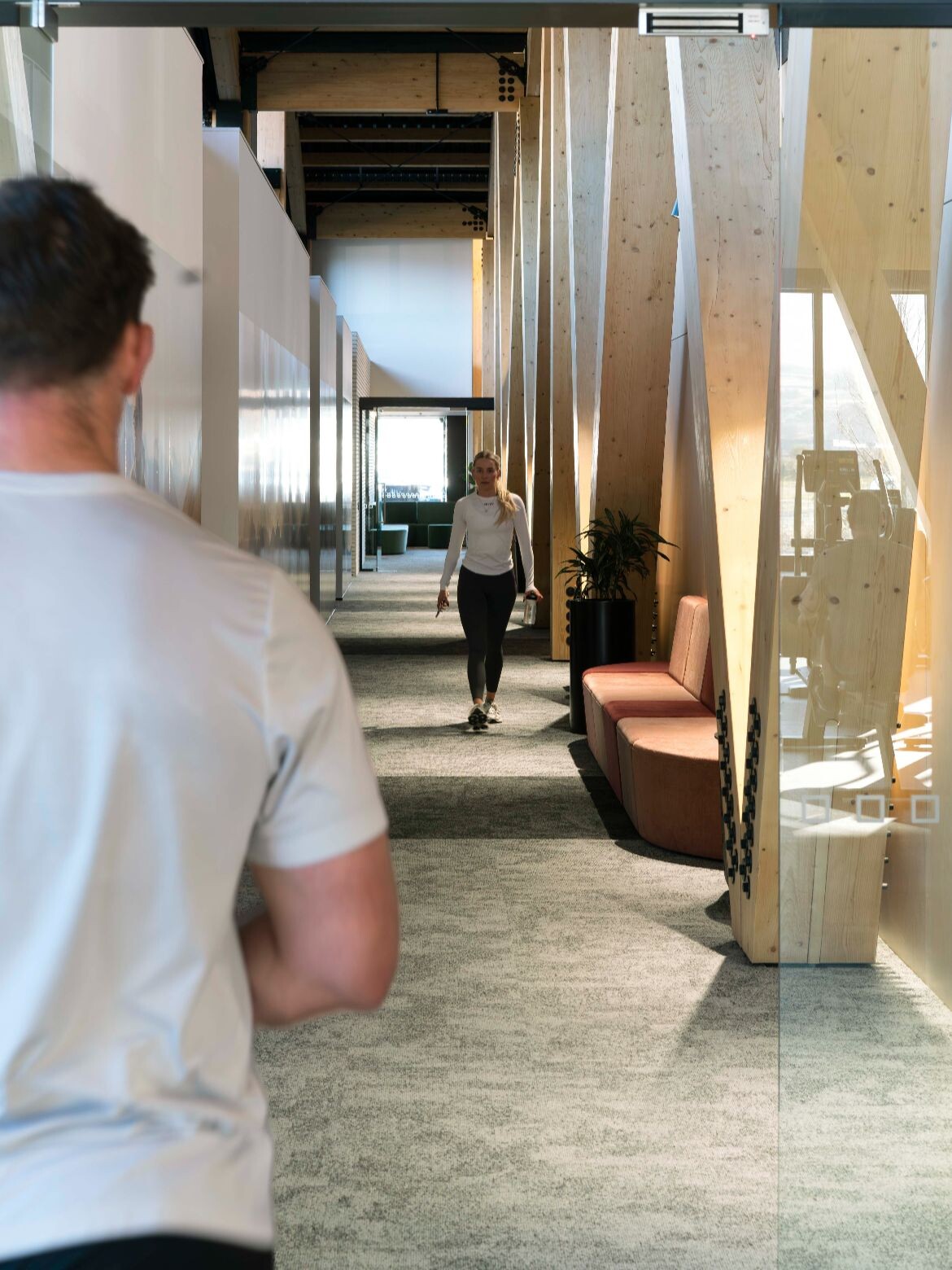
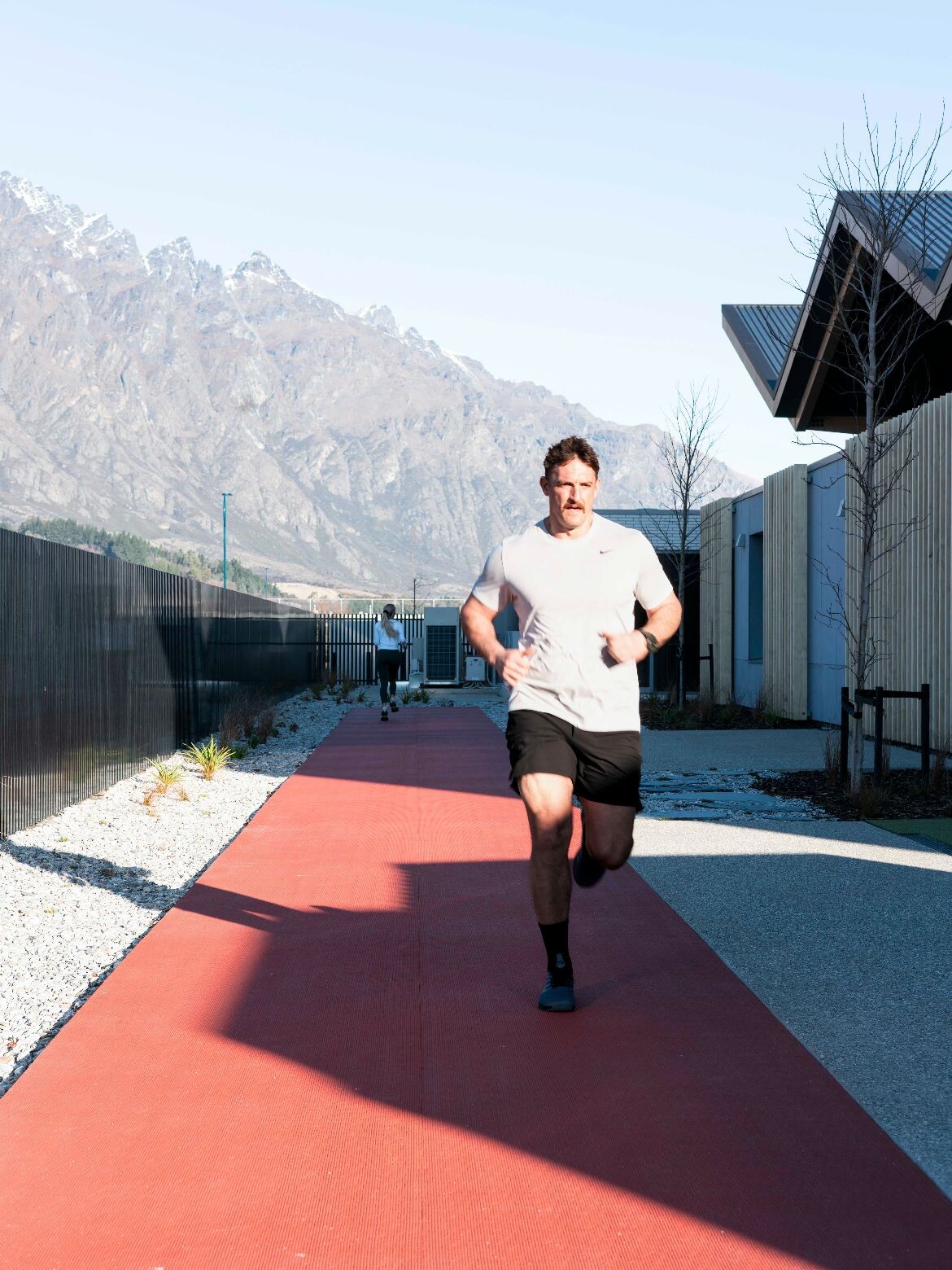
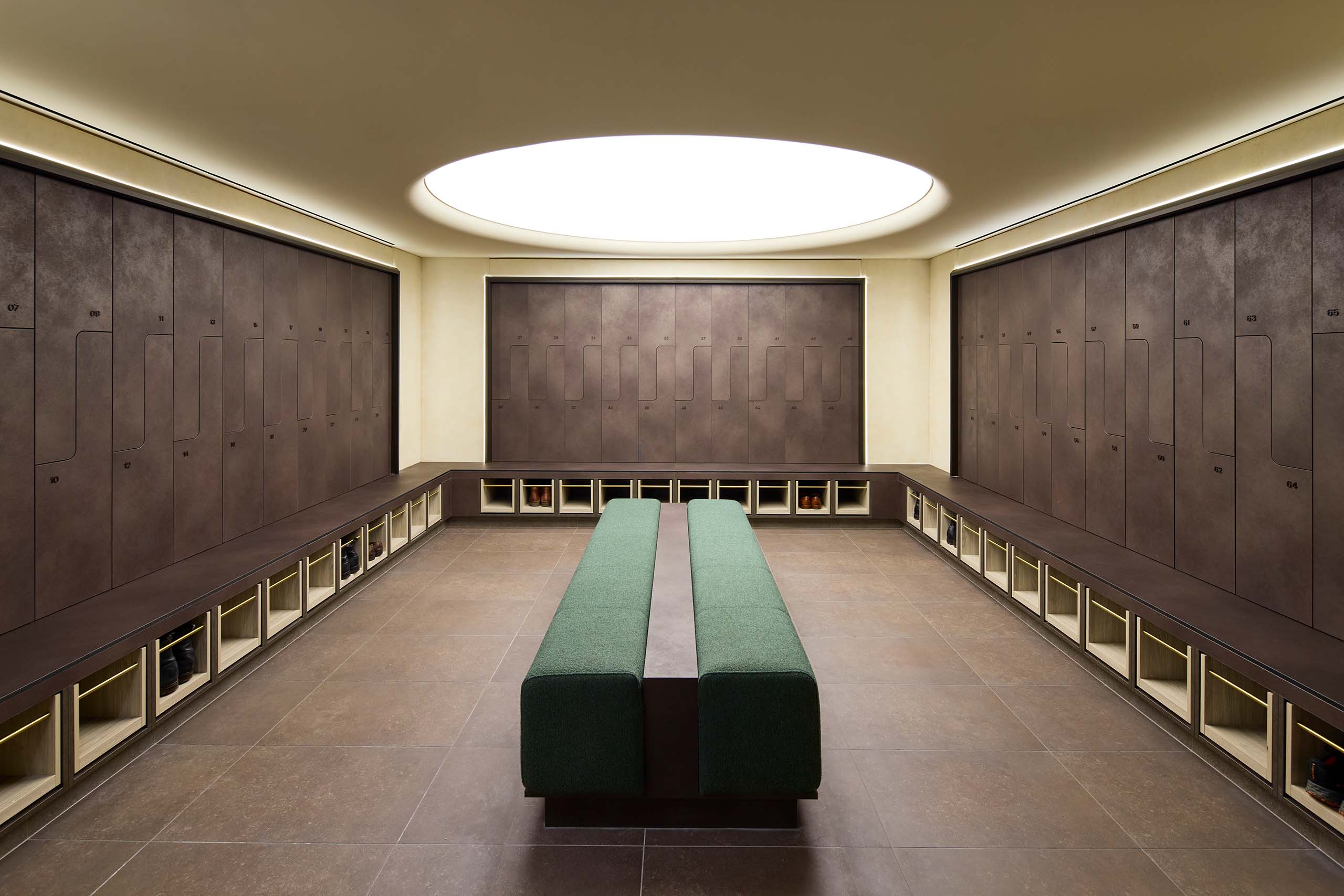
This openness extends to the building’s community role. Within the 2,200-square-metre overall footprint, the 1,200-square-metre gym includes a spin studio, group workout spaces, treatment rooms and recovery facilities (including hyperbaric chambers and hot–cold therapy zones). Together, these spaces serve everyone from serious athletes to local residents and visiting tourists.
Since opening in April, The Mill has exceeded expectations in both performance and patronage. What some initially questioned as possibly too ambitious for Queenstown has proven to be exactly what the community needed. “Any time of day, the numbers of people in there—it’s fantastic to see,” Adamson observes. “I’ve heard it described by some members and teams as world-class.”
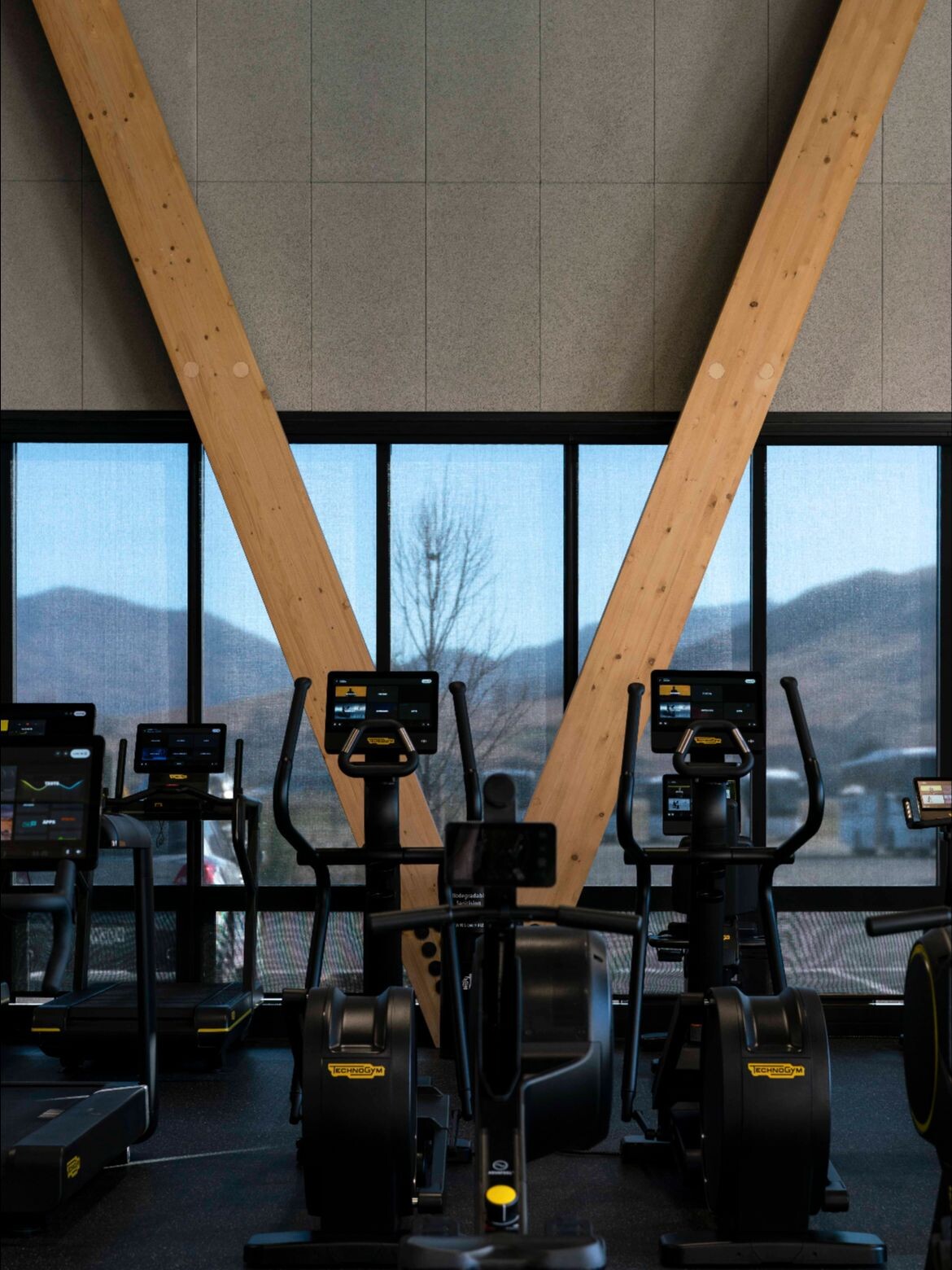

For Warren and Mahoney, the project represents a careful consideration of what Adamson calls the “nature of the primary and secondary structure”—every element visible, every detail considered. But beyond the architectural craft, it’s the human-centric approach that defines The Mill’s success. “There’s a large diversity of age and whether you’d say sporting or wellbeing needs,” Adamson reflects. “The building needs to work for all of them—everyone needs to be comfortable and have their needs met.”
In achieving that goal, Warren and Mahoney has created more than a high-performance training facility. They’ve delivered a building that connects users to landscape and proves that sustainability and wellbeing aren’t just compatible—they’re inseparable.
Warren and Mahoney
wam.studio
Photography
Ian Hutchinson