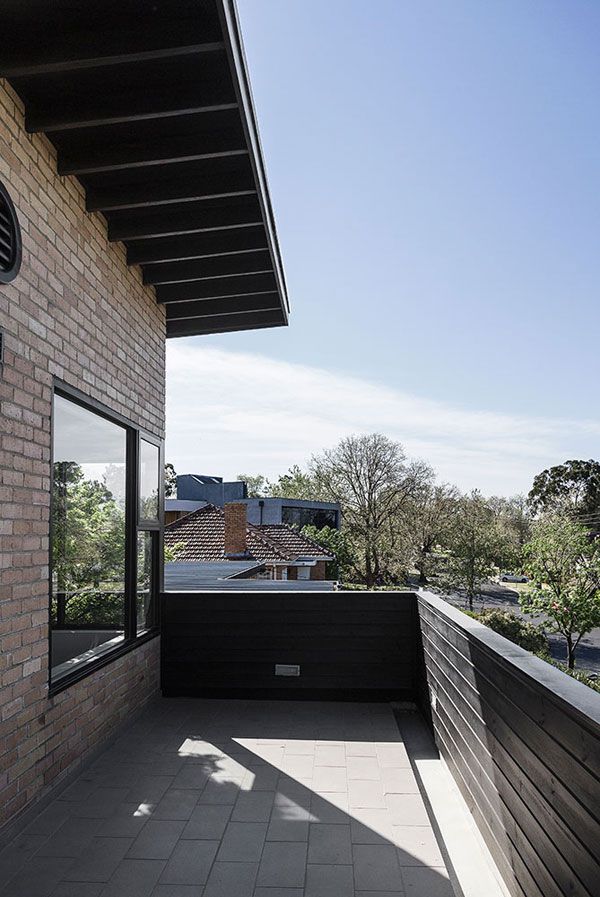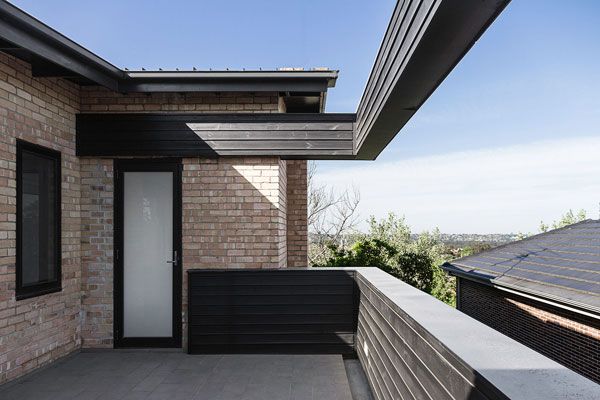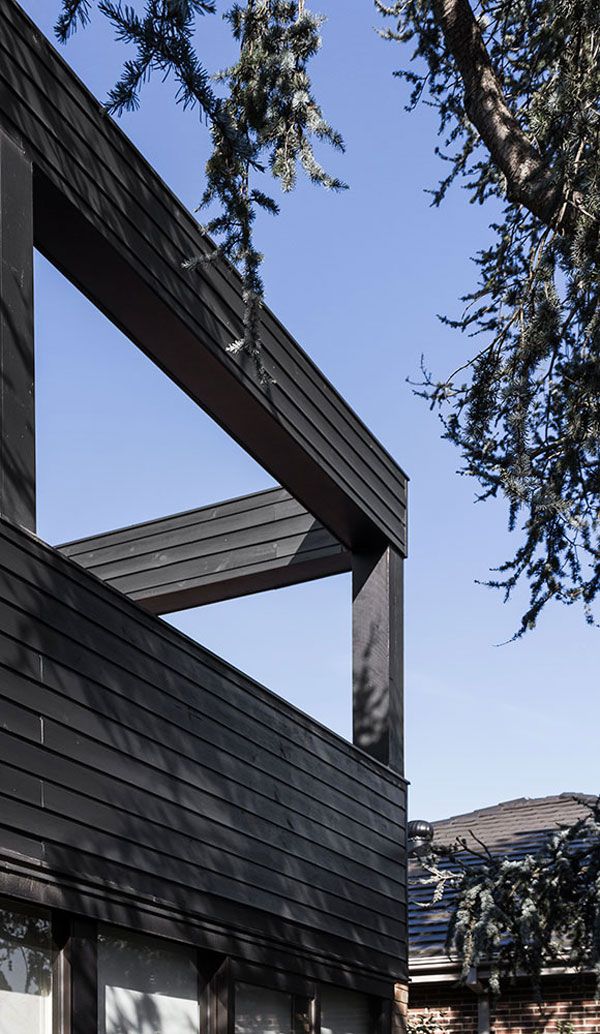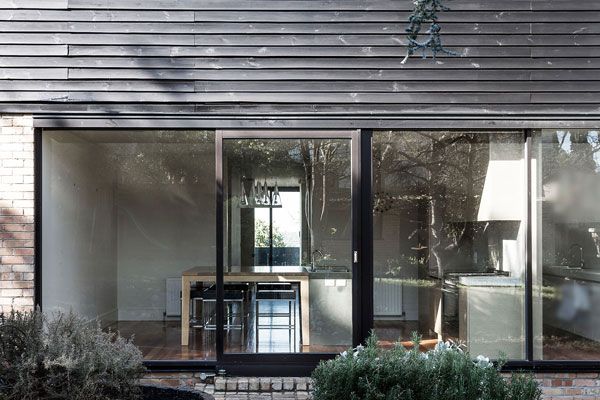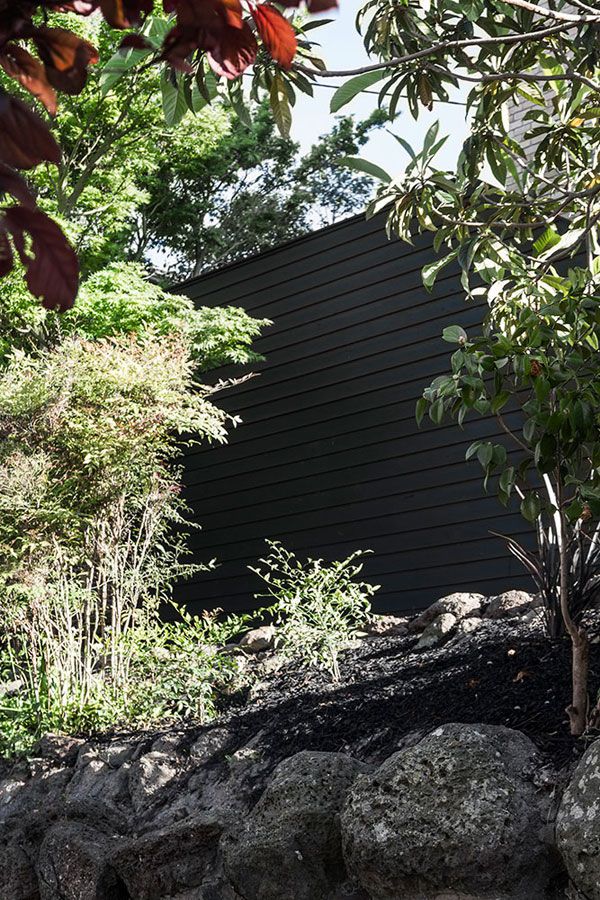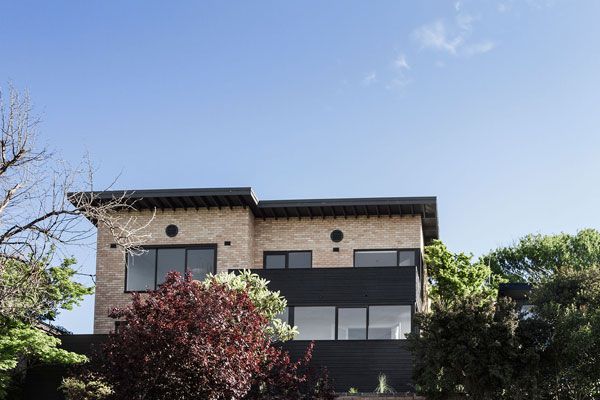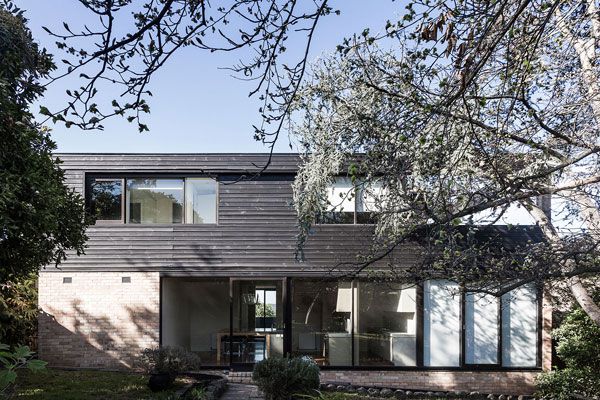
The Eyrie Residence combines a new and old to form an engaging home that sits proudly within its urban landscape. The original building was a classic example of the post-modernist houses that make up the identity of the surrounding area of Eaglemont and Ivanhoe. Rather than hiding the older building, b.e architecture’s redesign embraces the lines and materiality of the existing brick exterior and creates a new language in dark timber that clearly articulates the difference between existing and addition. While respecting the qualities of the older style, it is now an entirely new type of building suited for modern living.
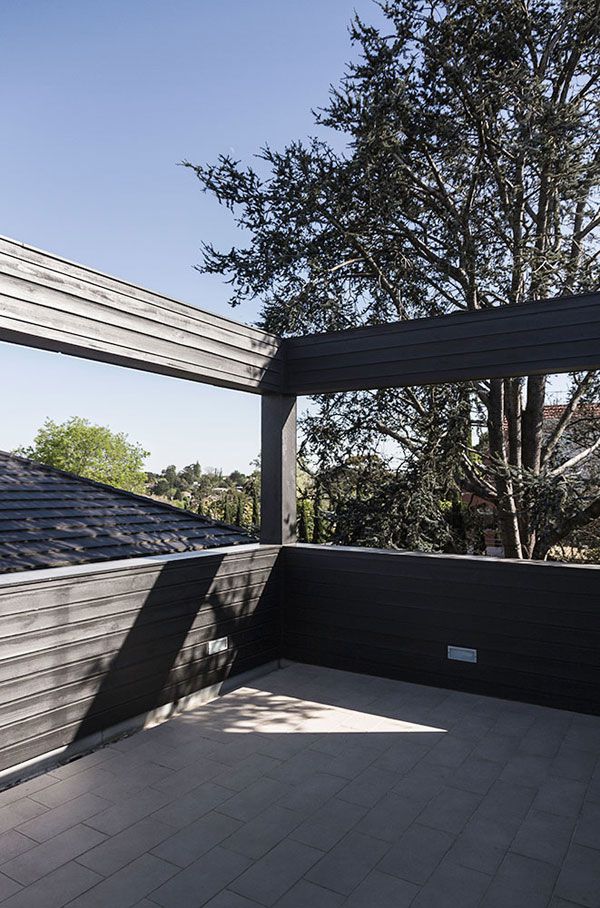
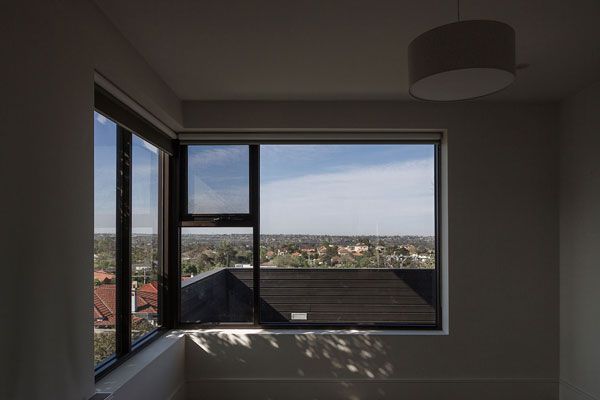
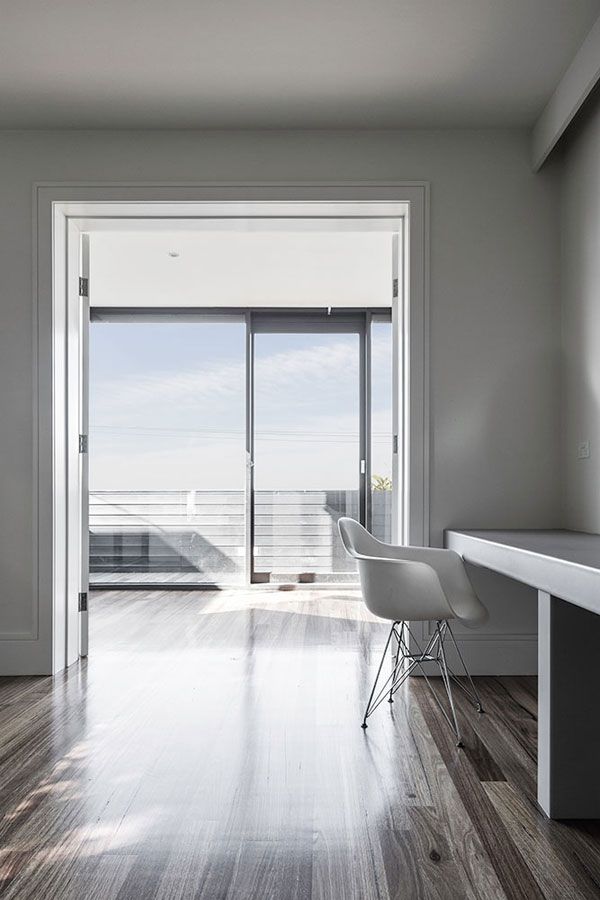
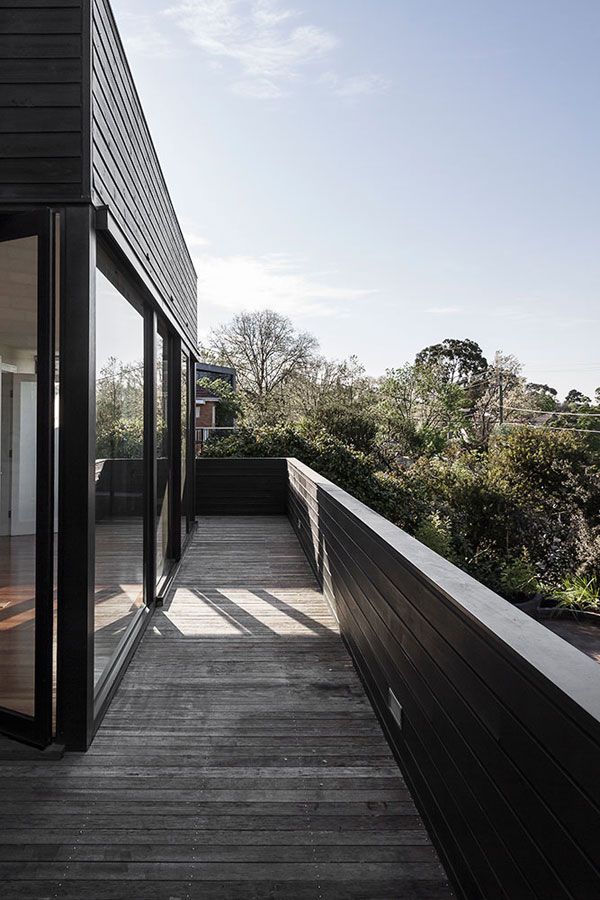
Perched on a hill, the positioning of the dwelling gives it a quality of light and uplifting nature. High above the street and tucked behind high timber handrails, the commercial grade floor to ceiling windows are open and outward looking, but still offer a sense of seclusion and privacy. The new timber additions wrap around the structure forming three large balconies making use of the commanding view towards the city skyline that can be seen throughout the house.
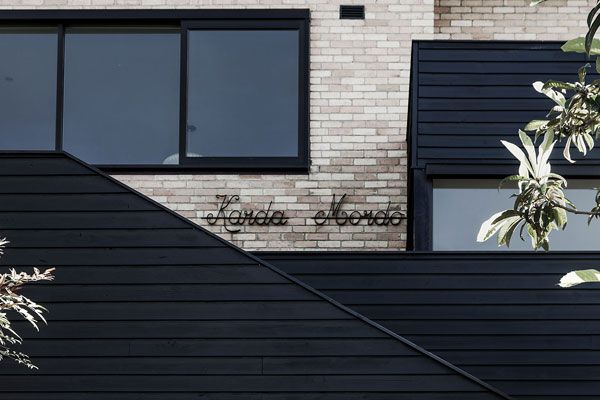
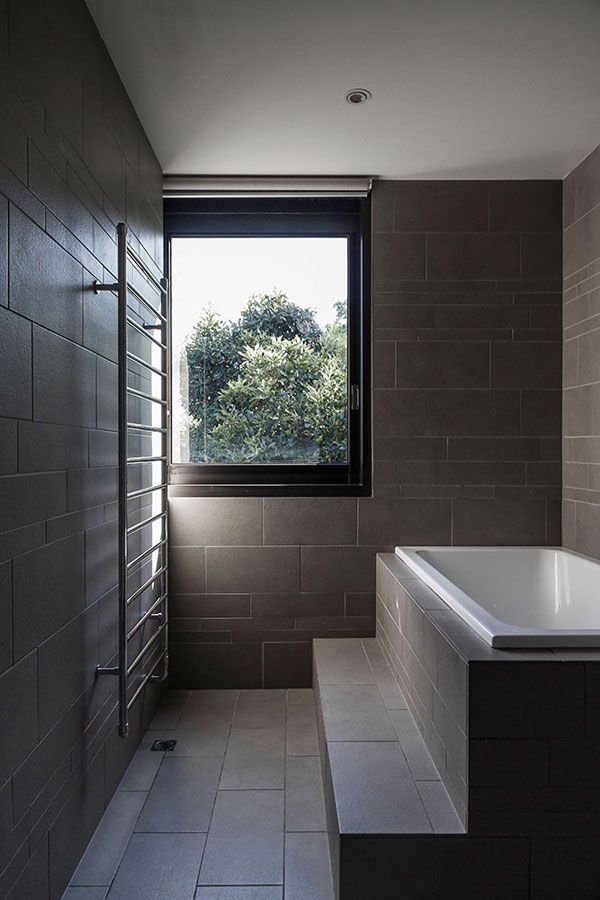
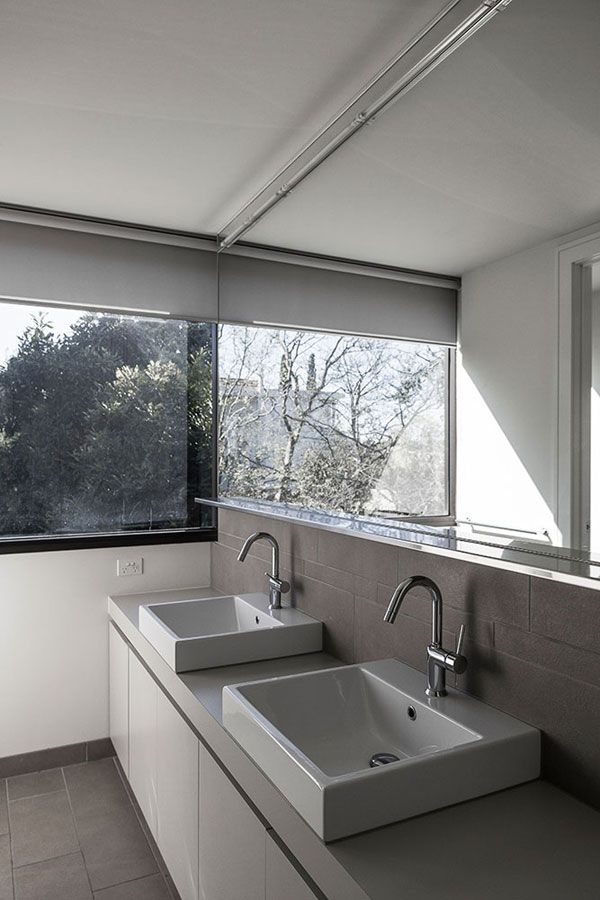
Greenery is celebrated throughout the Eyrie Residence. The new configuration has a sequence of experiences beginning with a meandering landscaped path that brings you to the glazed, veranda-style entry. Upon entering, you can see all the way through the kitchen to the rear garden. Sightlines create relationships between the spaces and unexpected places including the bathrooms have open windows with private planted outlooks.
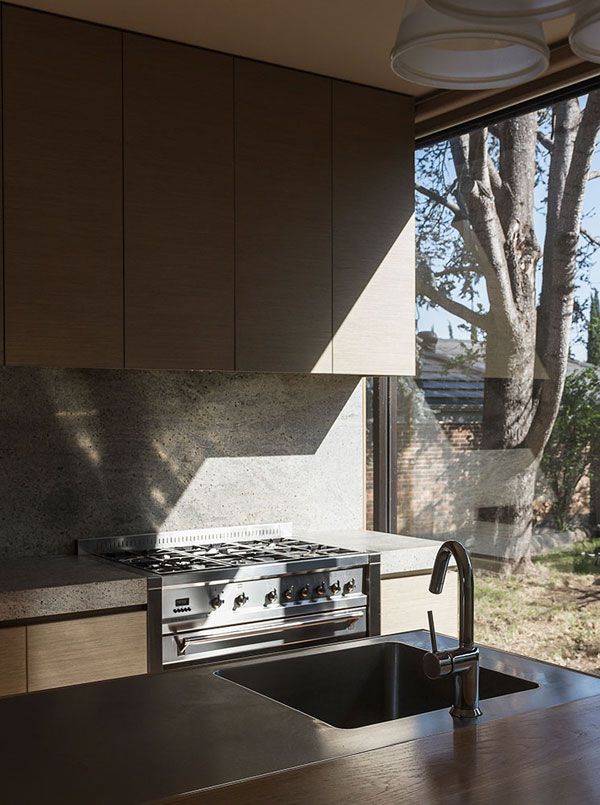
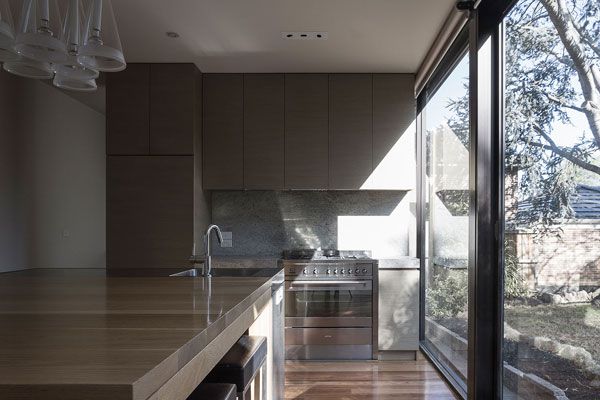
As is often the case with older style homes, the layout was completely re-rationalised to create order and upgrades to ensure function that was not previously there. The new open plan area has a large, casual style kitchen that is designed to be the heart of the house. With the large timber table off the island bench, it is a social place where people can come together. Opening onto the gardens at the back of the house it is a functional indoor/outdoor space at the same time.
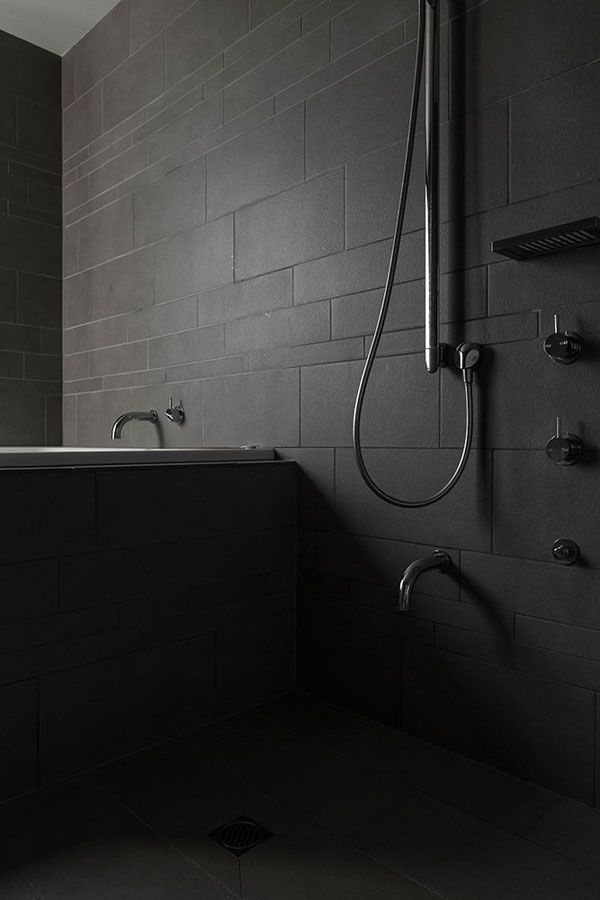
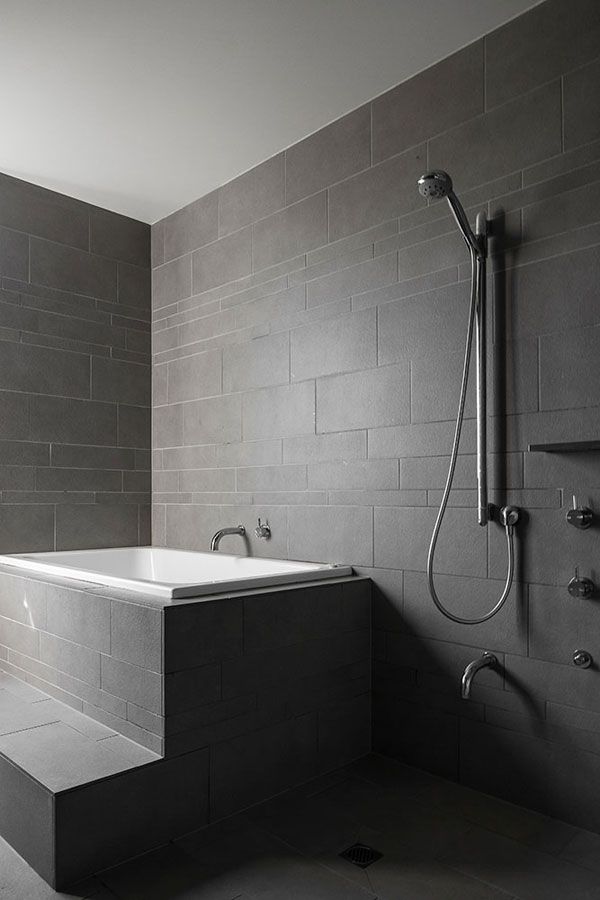
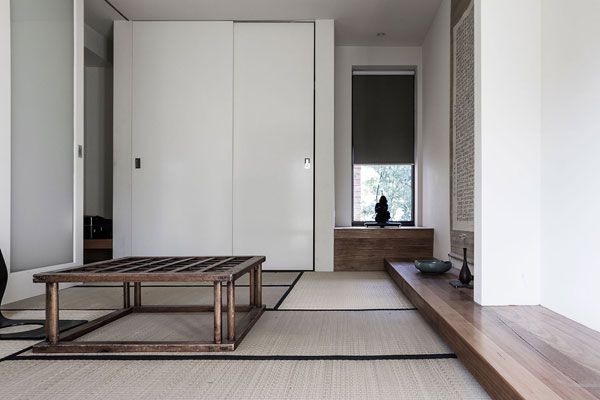
The Tatami room and large, traditional onsen style bathroom, were purpose-built in response to the Japanese heritage of the client, however the specific design details were developed to be interesting, contemplative rooms with many potential uses. The distinct elements throughout are memorable and contribute to the unexpected journey through the home.
b.e architecture
bearchitecture.com