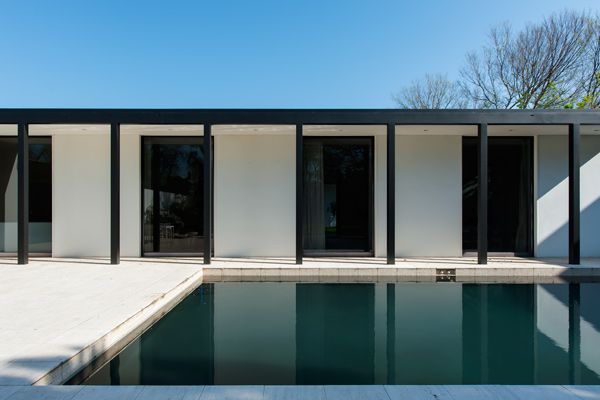
There are few architectural buffs like Martin Hiscock who have lived in, and, on occasion, restored, some of Melbourne’s most significant homes.
March 22nd, 2016
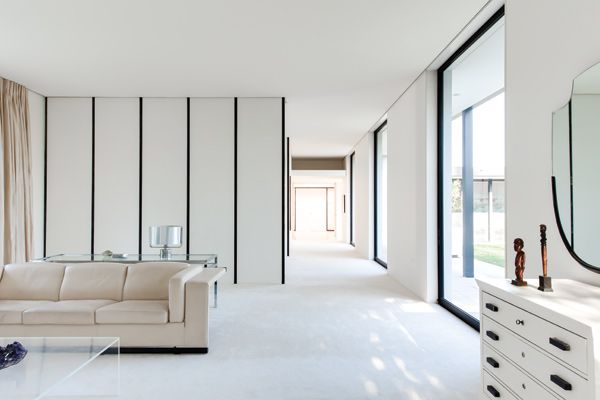
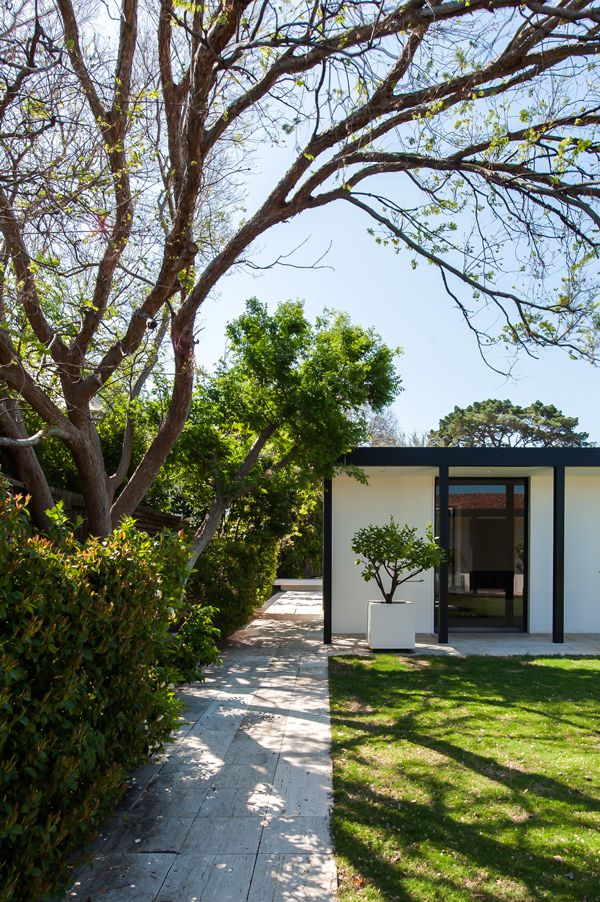
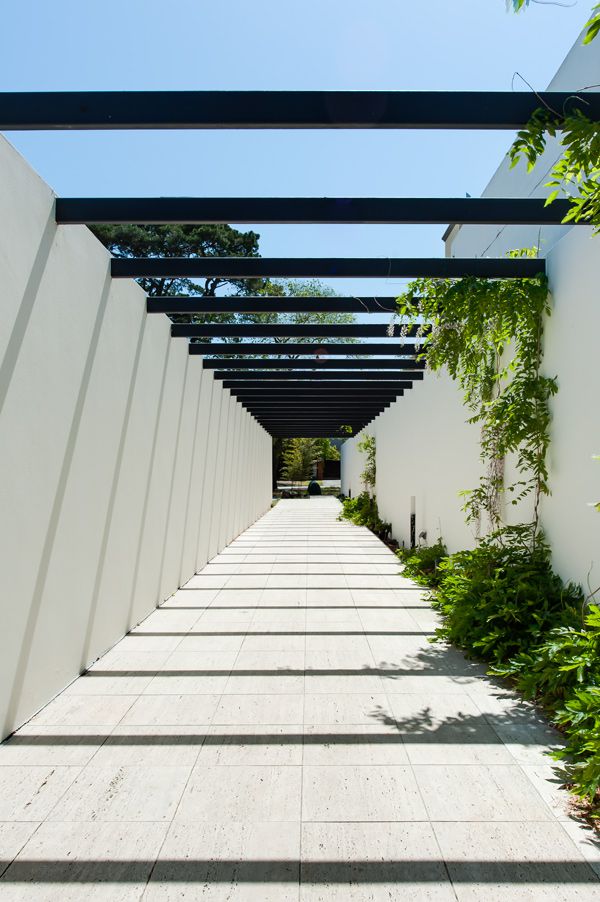
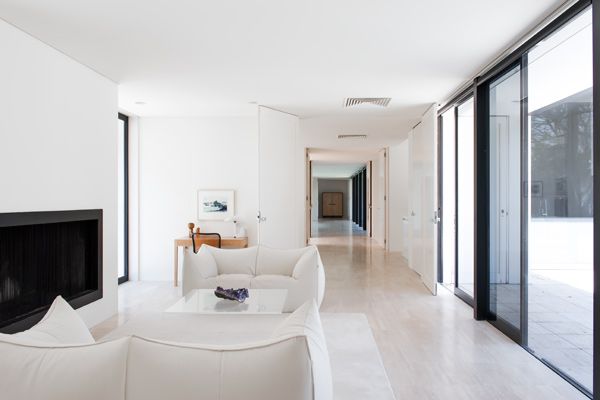
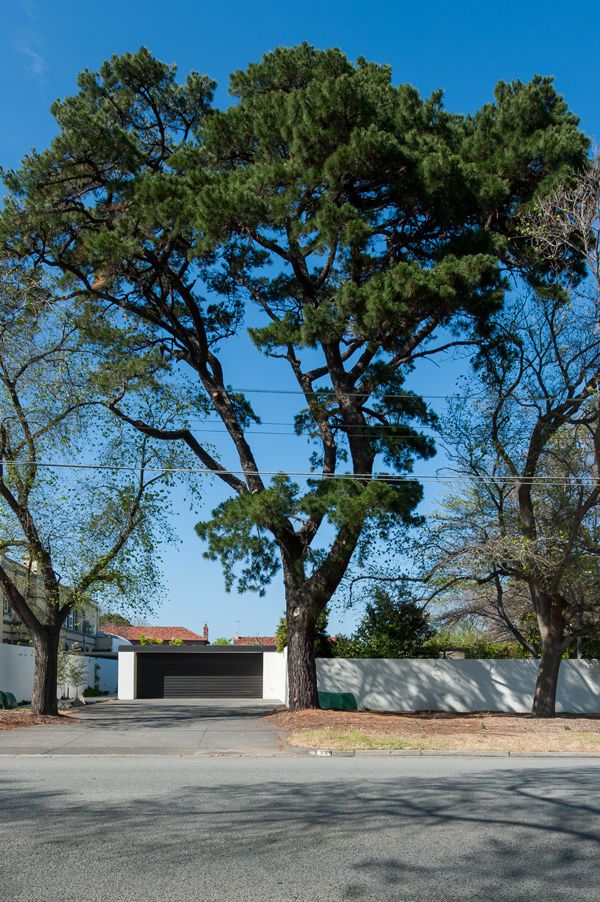
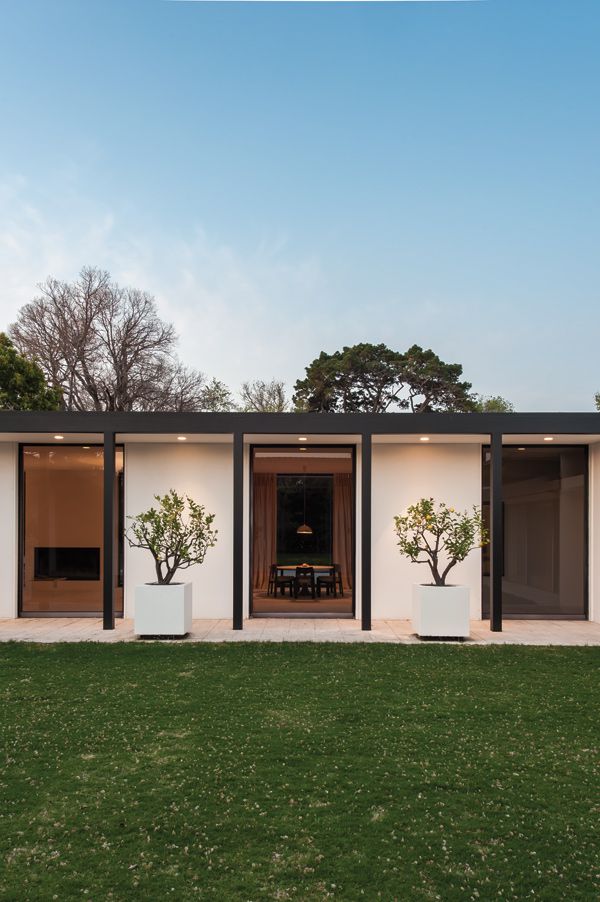
Cardiologist Martin Hiscock had no intention of buying architect Guilford Bell’s Seccull House in bayside Brighton when an agent offered to show him through. But after inspecting the spacious home (approximately 500 square metres) nestled on over 2,000 square metres of manicured gardens, there was only one option: moving house yet again. “I’m a serial mover, particularly when great architecture is presented to me,” says Hiscock.
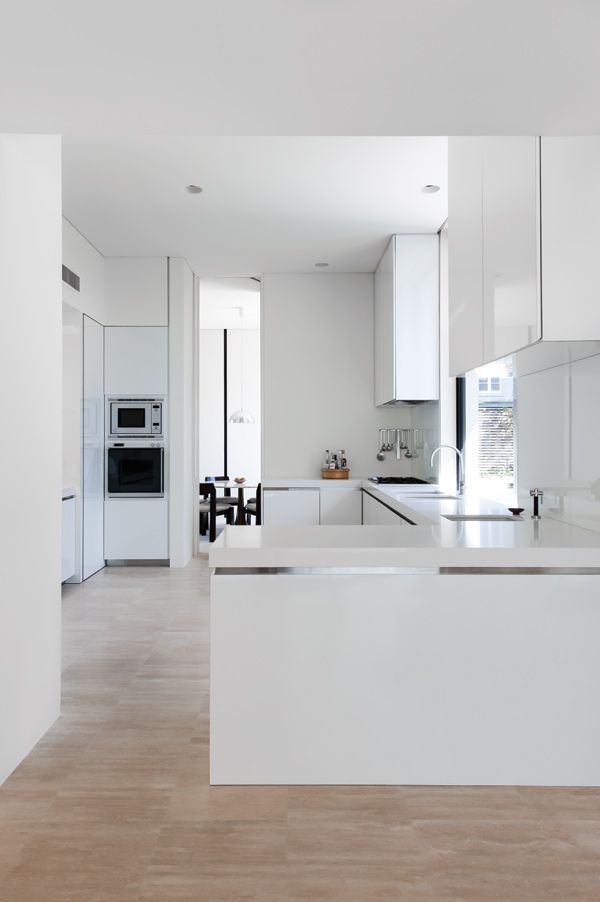
Fortunately the Seccull House had only been altered in parts since it was designed in 1972. The original kitchen had been replaced in the 1990s and some of the finishes, such as the plush white carpet and silk drapes, were slightly worn. Steel gutters and detailing also needed attention.
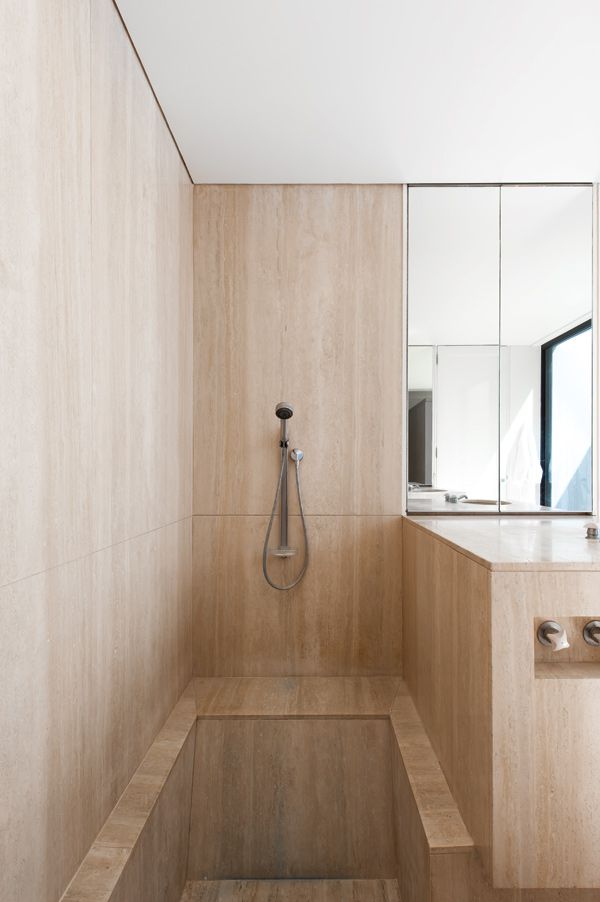
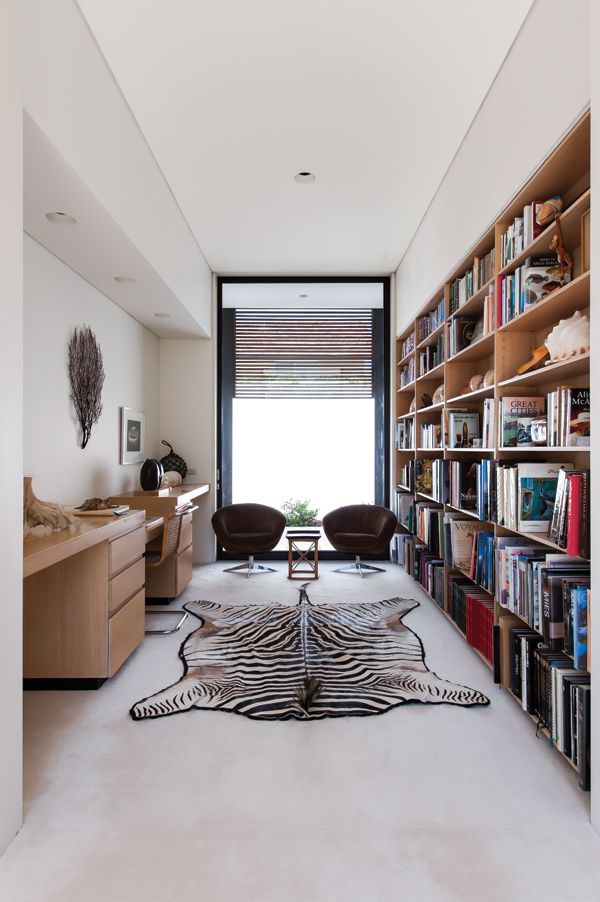
Working with architect Graham Fisher, Guilford Bell’s younger business partner, the Seccull house now presents as Bell’s original vision, with a couple of fine contemporary insertions to accommodate family living nearly 50 years later. But the past has also been lovingly preserved, with items such as the original Maytag washing machine and dryer remaining in the kitchen-size laundry. “The house is a suntrap. The northern light is reached on two fronts, with the two main wings orientated to the light and gardens,” says Hiscock.
Read the full story in Indesign Issue #64, on sale now. Subscribe here.
Photography by: Nicole England.
INDESIGN is on instagram
Follow @indesignlive
A searchable and comprehensive guide for specifying leading products and their suppliers
Keep up to date with the latest and greatest from our industry BFF's!
In the second instalment of our performance seating three-parter, we turn to DKO’s Michael Drescher and Jacob Olsen to peek behind Sayl’s confident architectural form and explore the ideas of inclusivity, adaptability and freedom to move as hallmarks of what sitting your best actually means.
The difference between music and noise is partly how we feel when we hear it. Similarly, the way people respond to an indoor space is based on sensory qualities such as colour, texture, shapes, scents and sound.
True luxury strikes a balance between glamorous aesthetics and tactile pleasure, creating spaces rich in sensory delights to enhance the experience of daily life.
In a tightly held heritage pocket of Woollahra, a reworked Neo-Georgian house reveals the power of restraint. Designed by Tobias Partners, this compact home demonstrates how a reduced material palette, thoughtful appliance selection and enduring craftsmanship can create a space designed for generations to come.
Harbord Public School is at the top of the class with agile and adaptable classrooms, breakout spaces and multipurpose areas.
The internet never sleeps! Here's the stuff you might have missed
AIM Architecture reimagines HARMAY’s Beijing flagship as a gallery-like environment, where products are archived, displayed and experienced rather than simply sold.
It’s bold and very blue and stands out from the crowd. Veneziano Coffee Roasters is making its presence felt, one expertly barista-made short black at a time!