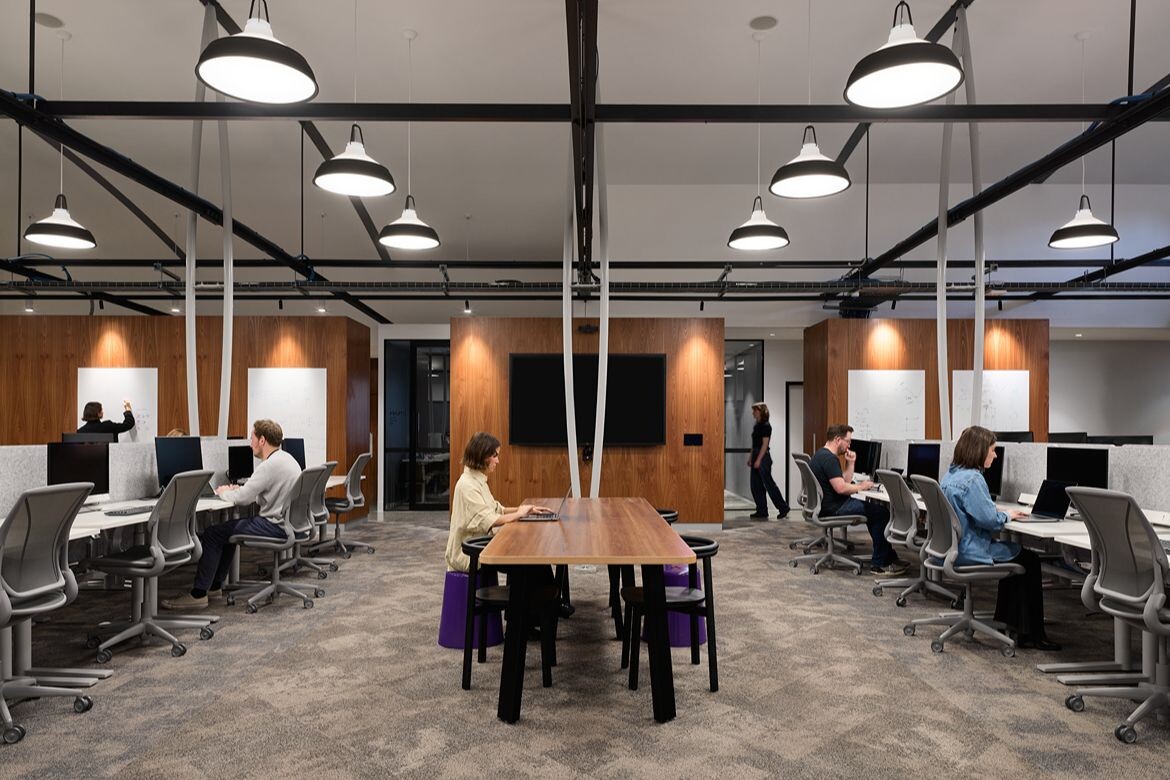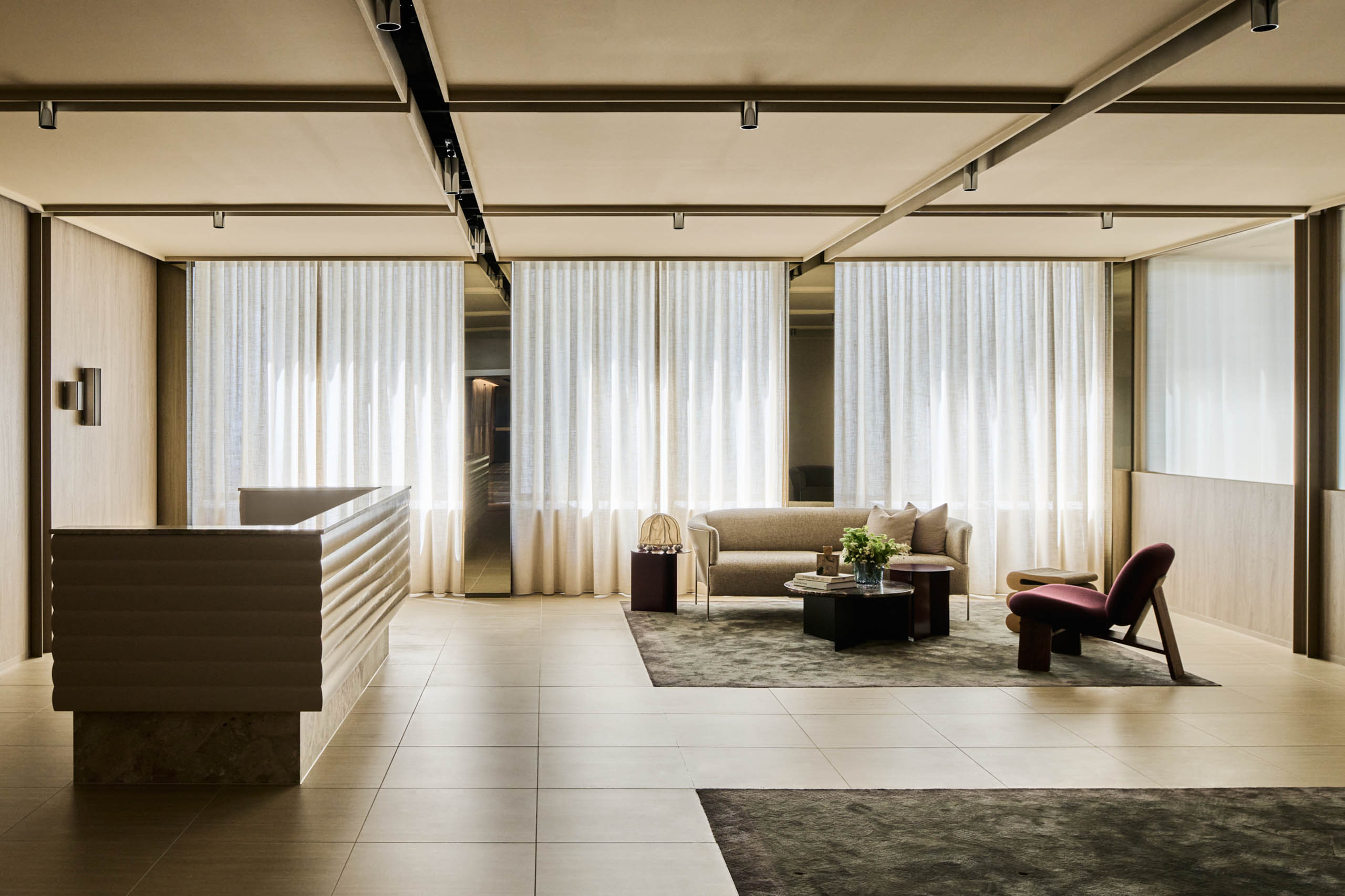
Q-CTRL is a quantum technology company built on the motto and mission to “make quantum technology useful.” In order to achieve this goal, however, the Australian business – which was founded in 2017 – needed a new office and research space in Sydney. They turned to Architectus to deliver it.
“The brief for the project was to provide Q-CTRL with a new workplace headquarters in Sydney, which would consolidate their local workforce and provide pioneering research spaces, workspaces and an environment for both innovation and collaboration,” explains Robert Ousey, Principal at Architectus.
While Architectus has a wealth of experience delivering workspaces to a range of clients globally, the design and integration of three quantum research spaces in this case proved a particularly unique and complex task. “Research environments for quantum computing need to be extremely stable in terms of vibration, temperature, humidity, acoustics and electromagnetic interference,” says Ousey.
The design team met these stability requirements by locating each of the labs on the ground floor slab, inset from the façade. Each has an additional support space that completely wraps around it, creating a thermal buffer while limiting potential solar gain and associated thermal disturbance. It is, perhaps, useful to think of these spaces as an esky or thermos. Each is essentially a box within a box, with dedicated climate systems that can be controlled to 0.1 degree increments.
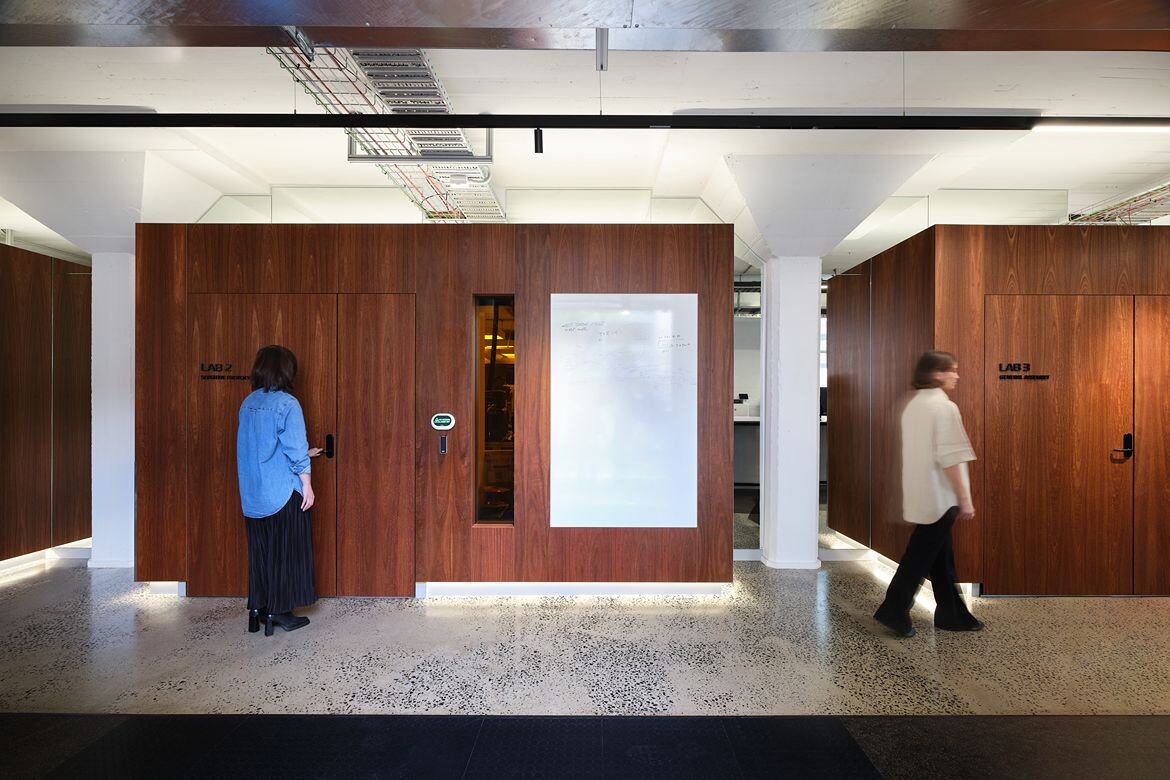
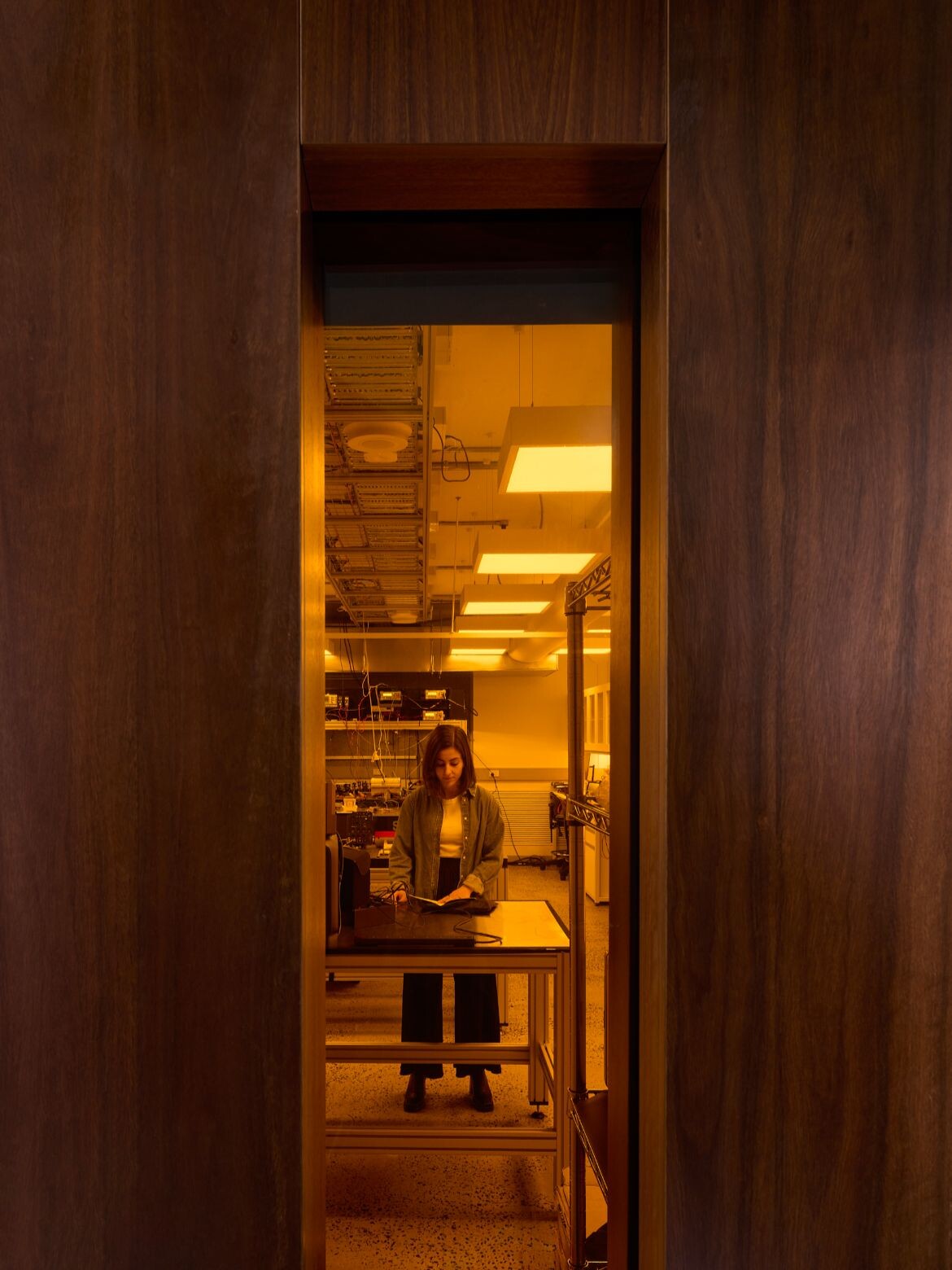
Furthermore, special lighting and the careful selection of construction materials and detailing limit electromagnetic interference which would otherwise risk disturbing research measurements. Finally, a special film was applied to all viewing windows to ensure no harmful light from the lasers in use in the spaces can escape, acoustics are controlled through absorptive linings.
Creating these requirements in a building that was being retrofitted rather than purpose-built was also part of the challenge of the design brief. Originally an automotive and parts factory in the 1930s, the history of the building prompted the architects to consider how this site and its new use “related to an understanding of societal evolution,” says Ousey. “The building was originally designed to facilitate the innovative industry of its era. The reinvention of the building has repurposed it to support today’s cutting-edge industry: quantum computing.”
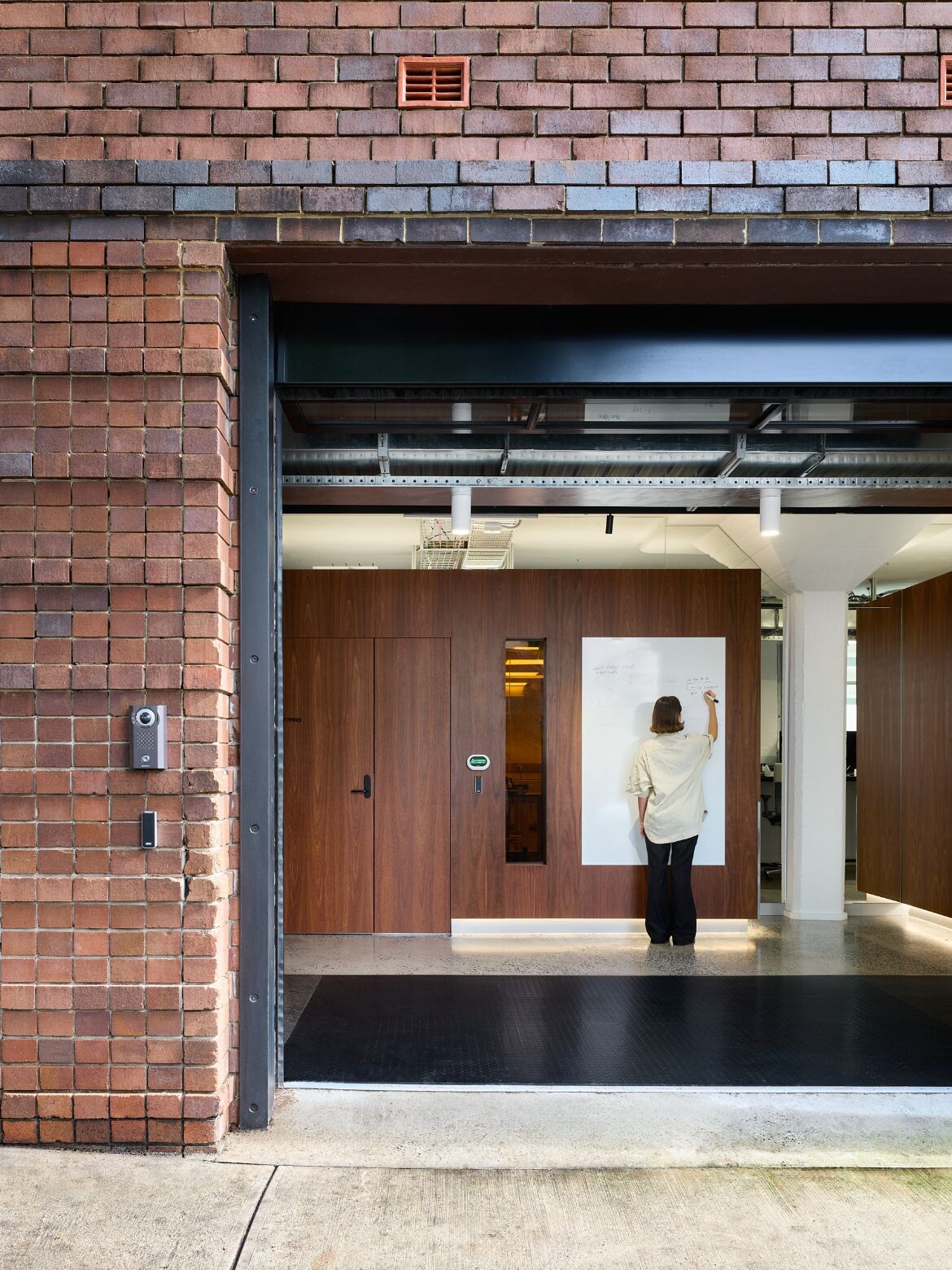
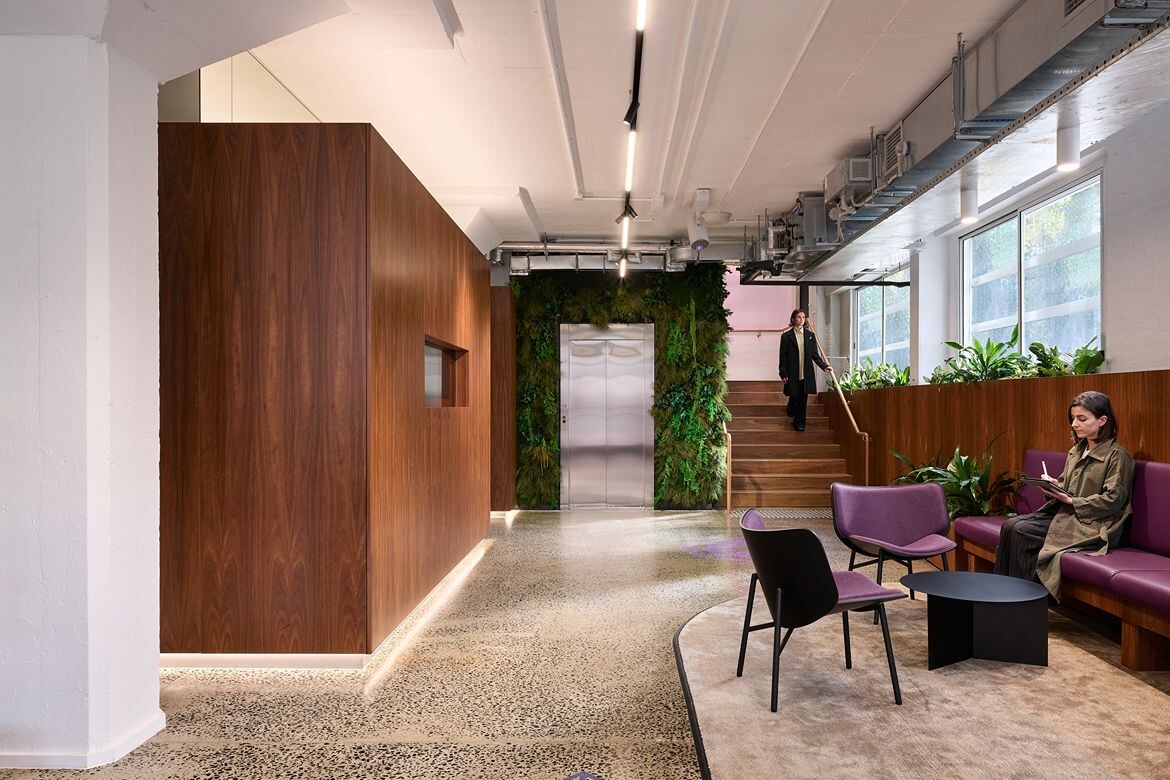
The architects wanted to honour this lineage through the design, celebrating the building’s former uses while updating it for contemporary needs and standards. For example, they installed solar panels on the roof, as Q-CTRL wanted their building to be powered through on-site generation. However, the historic bow-sprung-truss roof structure was not adequate to support the load. Rather than replacing it, the design team “inserted sensitively designed needle columns,” to reinforce the roof, explains Ousey. The combination of the old staircase with a new one, and the retention of a historical mosaic on the stair’s landing, was another key decision to bring the existing and the contemporary together.
Throughout the project, every design decision had to be assessed on how it might affect the research labs. The locations of the lifts that were installed to meet contemporary accessibility standards, for example, were carefully considered as lifts are a source of electromagnetic interference.
Related: Two brands, one workplace
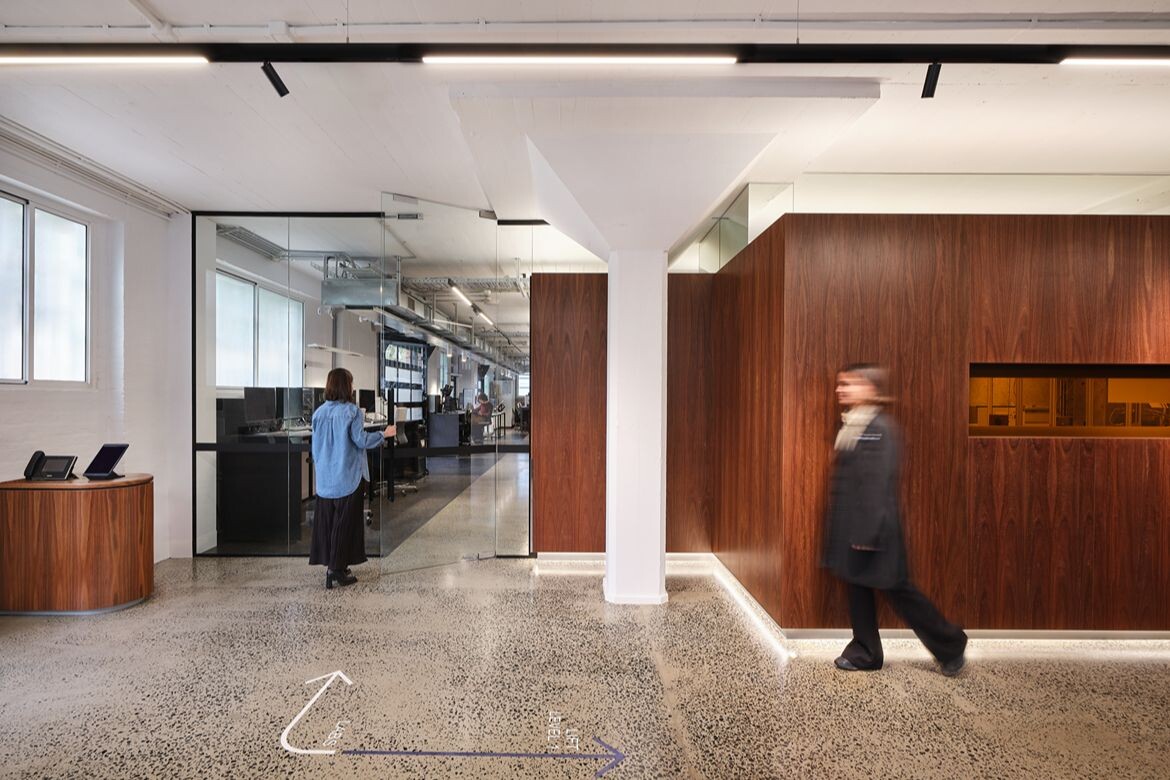
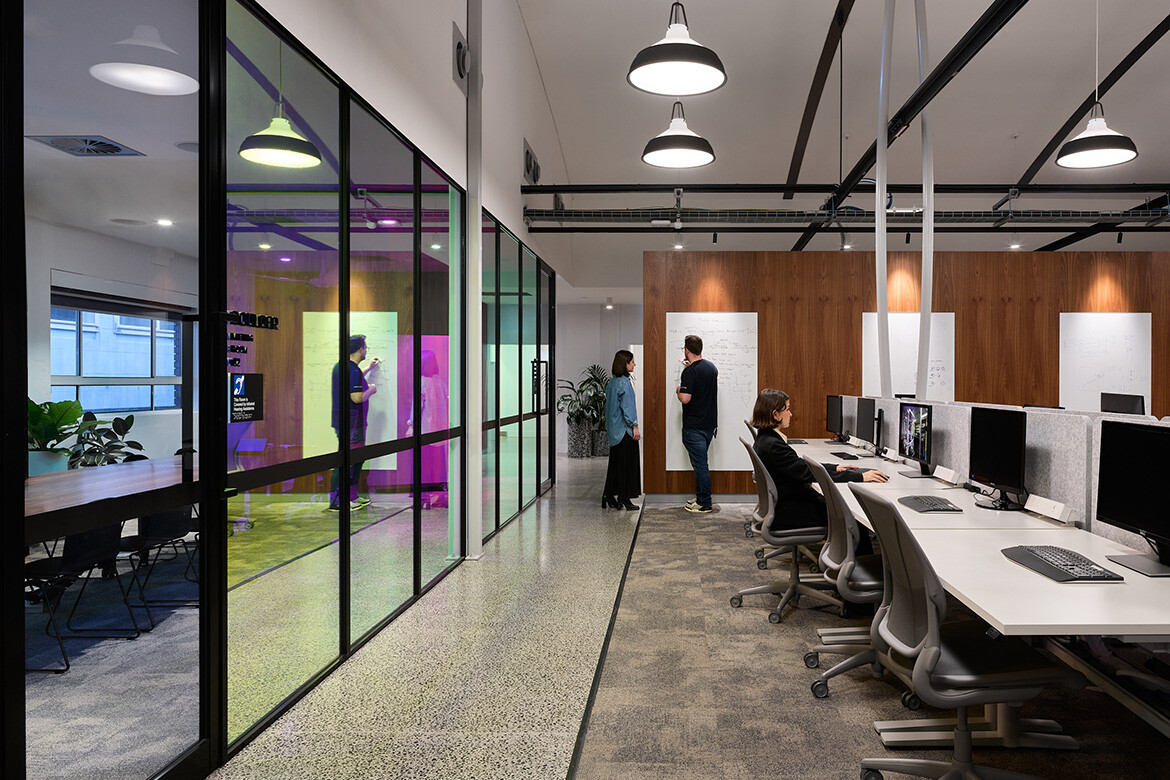
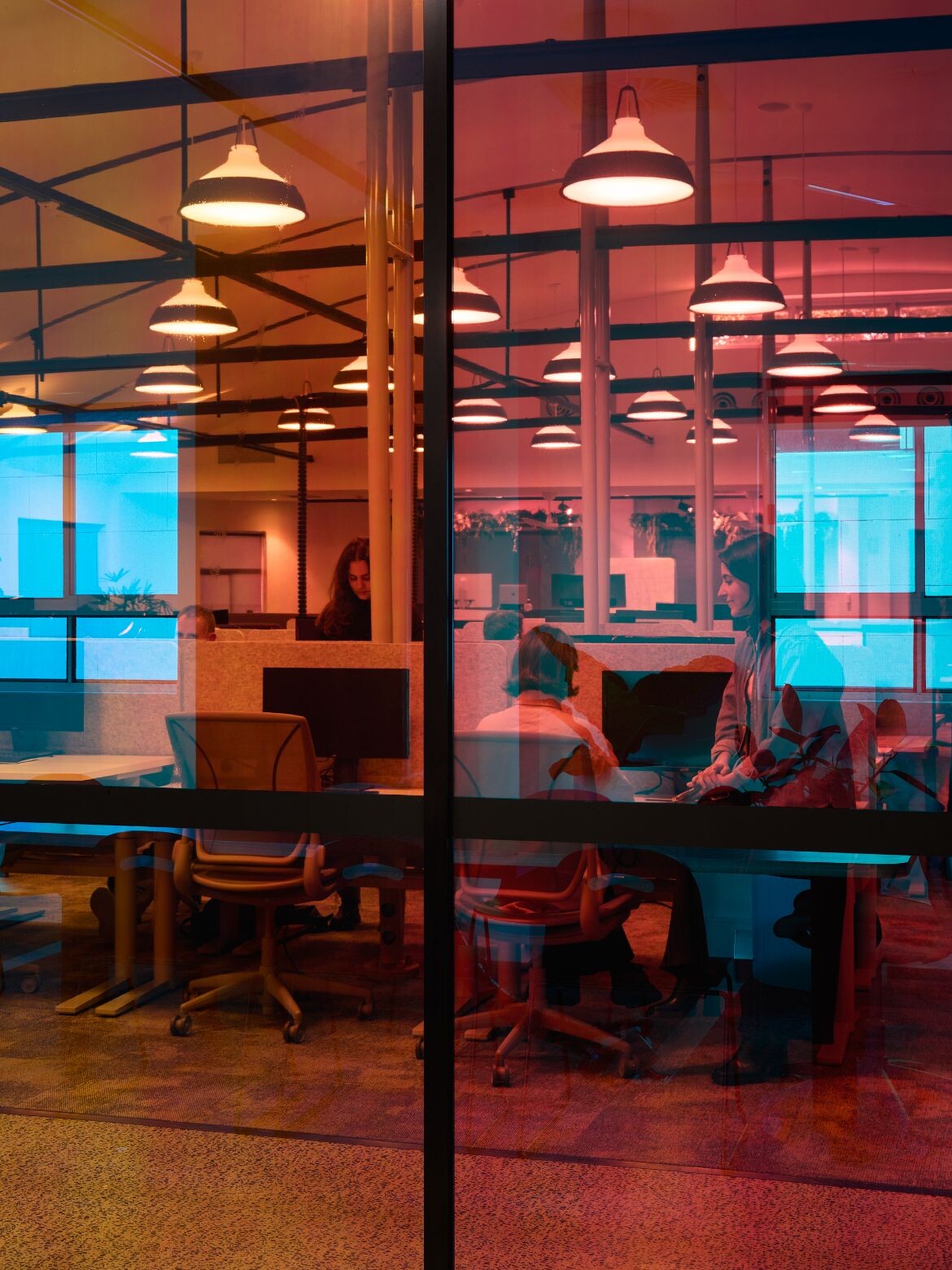
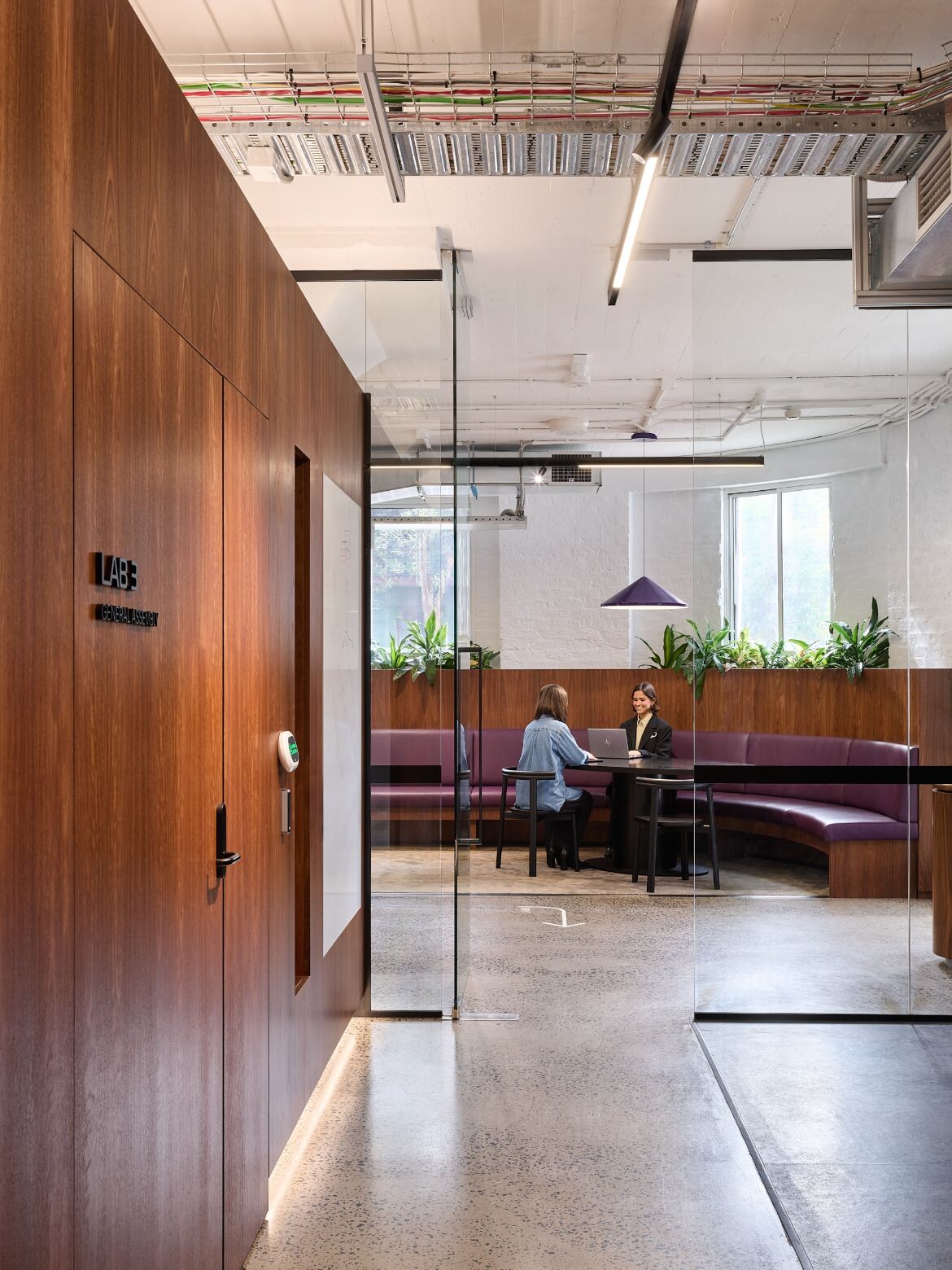
While all this might sound quite technical and dry, the final outcome is a space that is inviting despite its industrial requirements. Dark timbers add warmth, contrasting with the heritage concrete. Elements of playfulness such as a pinkish, yellow film which changes colour depending on where you are standing and the light outside, a subtle nod to the manipulation of light and lasers in quantum control systems. “It injects a sense of energy and dynamism along the meeting room elevation of the office environment, providing colour and vibrance to the rear visual plane of the workspace,” says Ousey.
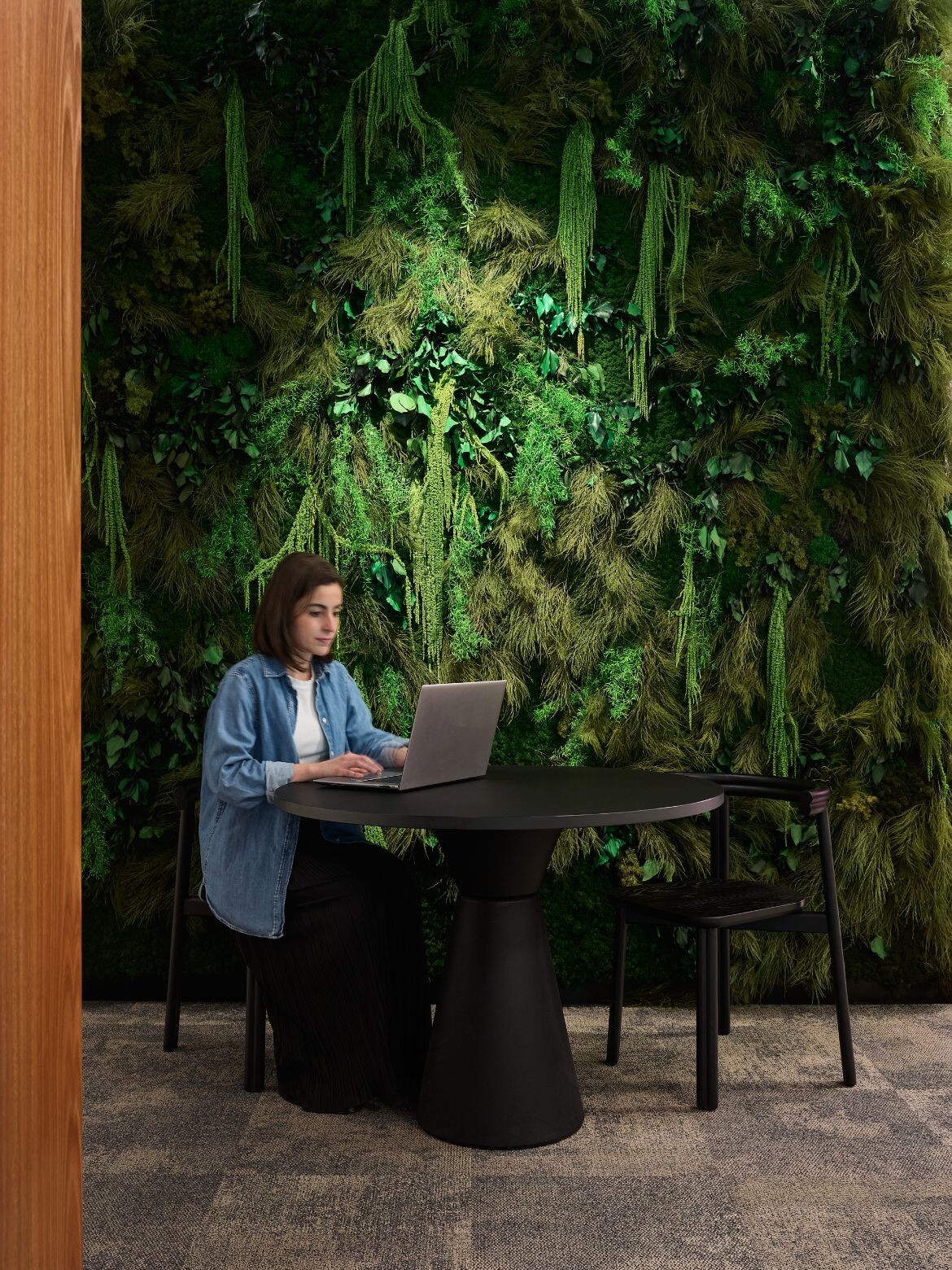
With a unique project like this, Ousey reflects that the role of an architect is to “design environments that meet the exacting demands of advanced research while creating spaces people genuinely enjoy being in. In the emerging quantum industry, the greatest value we can offer is creating research and workplace spaces that realise these potentially conflicting requirements in a seamless, humanistic and inspiring manner.”
Architectus
architectus.com.au
Q-CTRL
q-ctrl.com
Photography
Alicia Taylor