Mirvac, in conjunction with online knowledge platform, The Worktech Academy, has released a discussion paper that examines the metrics currently used to measure office space values and suggests ways in which they can be updated.
Titled ‘From space-centric to human-centric; Exploring new valuation metrics for the new workplace’, the paper acknowledges the changes that the COVID-19 pandemic has brought to workplaces and states that many of these hybrid styles of working are here to stay.
You can access the discussion paper here.
For this reason, it says, a shift from the efficiency-based metrics currently used in valuations to experience and human-centric metrics, which better reflect the actual value of office spaces for companies and their employees, is needed.
“As people return to the office in large numbers, we’re seeing a strong rebound in occupancy across our portfolio, reactivating our workplaces and enlivening CBDs. But the fact is, the way we work has changed forever, and with experience, culture, learning and connection now the focus, many existing fit-outs are no longer fit for purpose,” said Campbell Hanan, Mirvac’s head of Integrated Investment Portfolio.

The research on which the discussion paper is based included interviews with 25 academics and experts from the fields of design, real estate development and management. While they differed in terms of emphasis, these experts were united in the belief that valuation metrics need to better reflect the reality of modern office settings. Two of their most popular ideas were metrics relating to Environmental, Social, and Governance (ESG) and employee wellness.
According to Paul Edwards, Mirvac’s general manager for Customer & Strategy, the experiences of other industries that have already made similar changes provide clues as to the best way forward for this discussion.
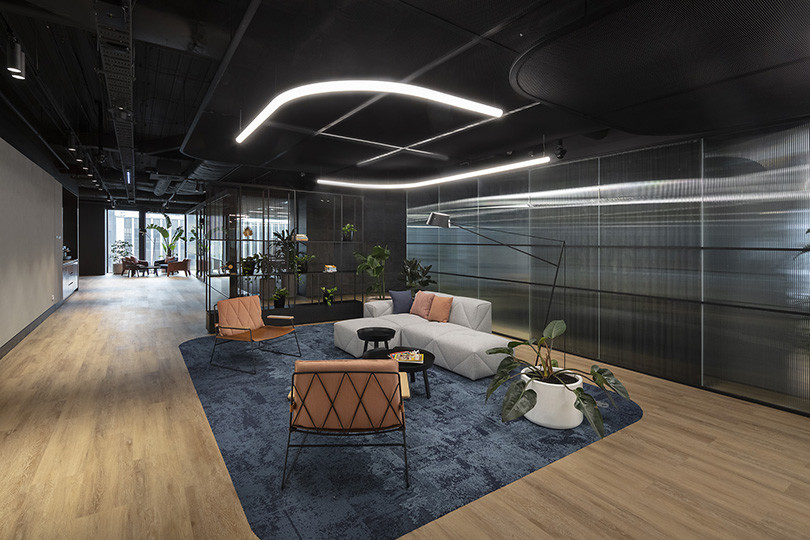
“Hospitality, exhibitions and the airline industry have all moved away from traditional valuation models towards a more rounded understanding of value based on experiences or customer service, as noted in the discussion paper. The positive implications of this approach are readily apparent and offer a template for what the office industry requires to move to a more value-based pricing model,” he said.
Mirvac’s Pilot Program
Beyond the discussion paper, Mirvac has also commenced a pilot program intended to quantify the ways in which the working lives of its own employees have changed. The program, which is now underway, involves an entire floor of the company’s headquarters at George Street, Sydney.

As Hanan explains, it is “dedicated to exploring how our office space can be used to enhance performance and collaboration, facilitate experiences and ultimately encourage people back into the office”.
“The pilot space will be occupied by Mirvac people as a real-life experiment with insights and data used to create workplaces of the future. This kind of value can’t be measured by a focus on headcount alone. We need to adopt a new approach that recognises the true value that a next-generation workplace facilitates for an organisation,” he says.
Together with the ideas presented in the discussion, the results of the pilot program are set to help lay the pathway for change. “Ultimately, the creation of new modelling frameworks, aligned to data and insights from digitally enhanced workplaces will make a big difference in helping companies establish new value metrics, and it’s imperative that we give these ideas the attention they deserve, as this is what our customers require,” says Edwards.
Mirvac
mirvac.com

We think you might like this thought leadership piece by Heidi Smith of Gray Puksand about the future of workplace in a post-pandemic context.