The home of architecture and design in the Asia-Pacific
Get the latest design news direct to your inbox!

Get the latest design news direct to your inbox!
The Museum of Contemporary Art in Sydney unveils controversial new plans.
December 12th, 2008
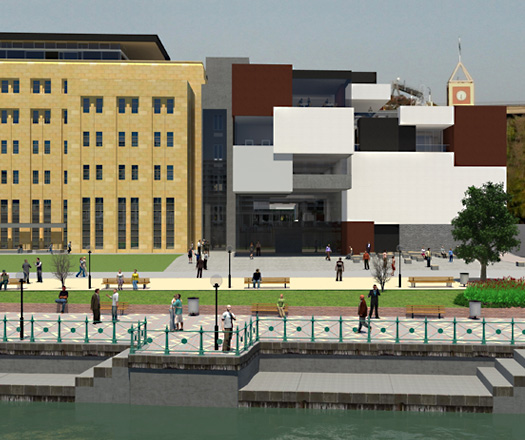
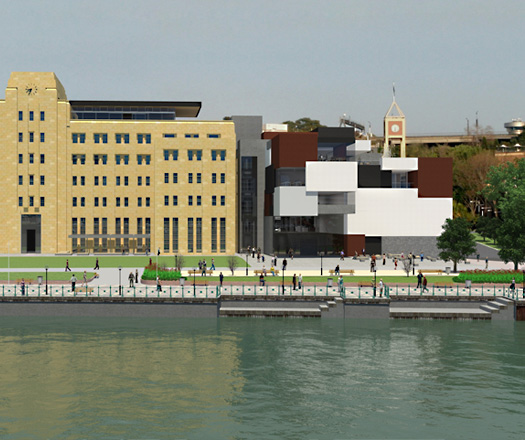
Sydney icon, the Museum of Contemporary Art (MCA), has unveiled a controversial redevelopment by local architect, Sam Marshall and the NSW Government Architects Office.
The Museum building was originally designed by Government architect W.H. Withers in 1939, but due to the war and labour shortages construction was not completed until 1952. The building first housed the Maritime Services Board – one of the most powerful government Authorities of the time.
The redevelopment of the art deco building on the Harbour foreshore will see the addition of a modern structure that echoes the progressive and contemporary nature of the new tenants. “The new extension provides the MCA with a striking architectural signifier which reflects the contemporary work of the institution, whilst respecting the existing building’s architecture,” Marshall says.
As with any socially and culturally significant public building the designs for the MCA have already sparked debate, with some comparing it to a ‘Rubik’s cube’. However, architectural renderings are not always the best basis for critique of the final product.
With a team of advisors consisting of Alec Tzannes (Tzannes Associates), Ken Maher of Hassell, Professor Tom Heneghan and artist Mikala Dwyer providing feedback, Marshall’s designs have been well considered. No doubt the debate will continue within the architecture community and the public arena.
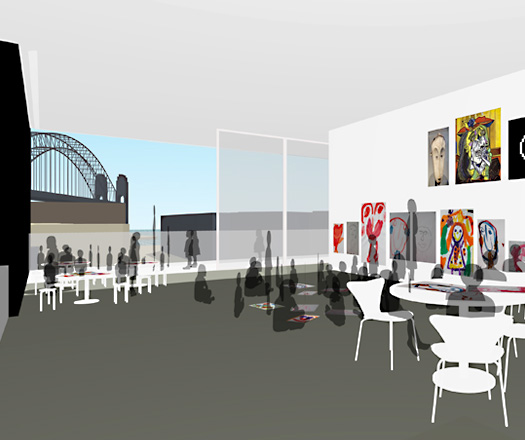
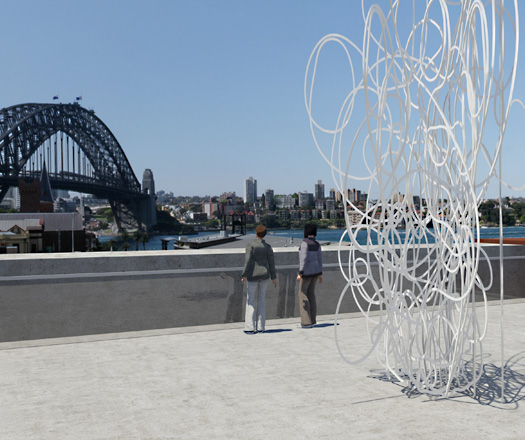
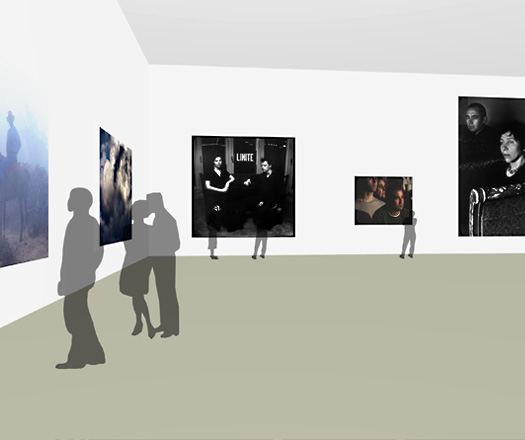
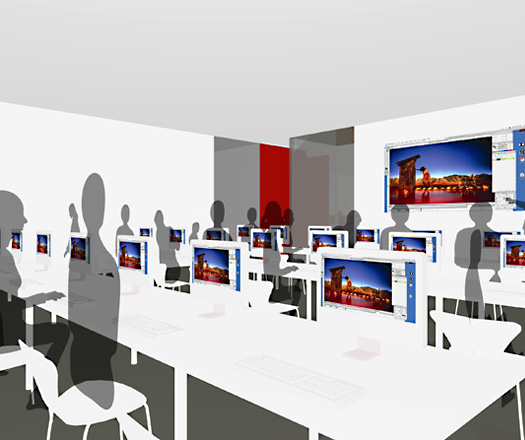
Due for completion in 2011 the project will include a new Northern – wing with two new five-metre-high column-free galleries – as well as refuribished galleries and lecture theatres, new workshop and office spaces, covered outdoor terraces and a café.
The project aims to establish the Sydney MCA as the hub of contemporary art in Australia. “The redevelopment will transform the MCA to create a truly national and international institution serving the audiences of the future,” says MCA Director Elizabeth Ann Macgregor.
INDESIGN is on instagram
Follow @indesignlive
A searchable and comprehensive guide for specifying leading products and their suppliers
Keep up to date with the latest and greatest from our industry BFF's!
The internet never sleeps! Here's the stuff you might have missed