Jones Lang LaSalle by M Moser
Published
By
jesse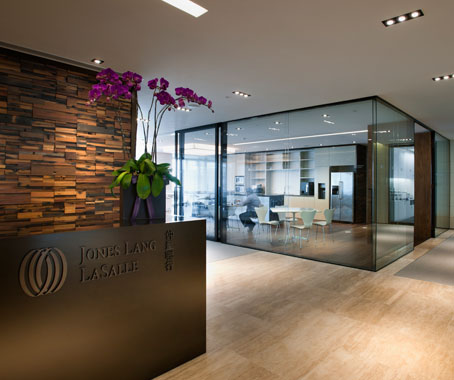
This Hong Kong project’s impressive features go beyond the surface. Janice Seow tells us why.
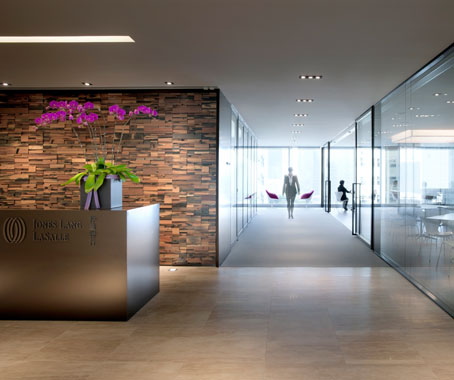
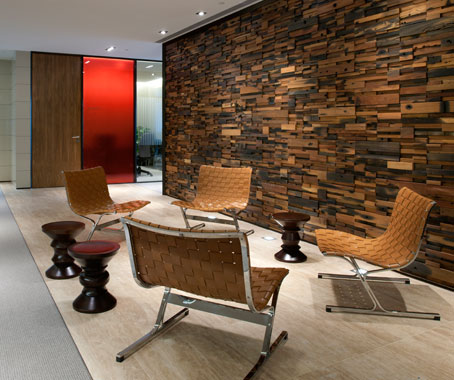
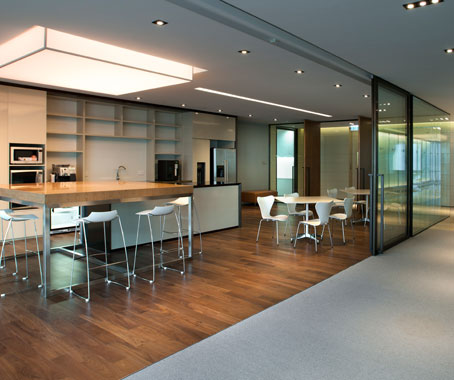
The office of Jones Lang LaSalle in Hong Kong evokes an impression upon entry. There is the distinctive mosaic of timber that rises up behind the reception counter, followed by a trio of glass-enclosed meeting rooms on your left, and a spacious timber-floored pantry on the right that underpins an otherwise transparent and simple volume.
But even more compelling perhaps are the features not readily apparent to the naked eye: for the office is one of Hong Kong’s most sustainable workplaces, having achieved LEED Platinum certification. Even more impressively, the entire project was completed in a span of just 12 weeks!
The job of converting the 5th and 6th floor at Three Pacific Place into Jones Lang LaSalle’s new base went to M Moser, which had already done several past office projects for the organisation.

One of the team’s first tasks, according to Wendy Leung, Director of M Moser Associates Hong Kong, was to determine if the project’s objectives could be met both on budget and within a tight timeframe.
“The designers, engineers, sustainability specialists, planners, and even the construction people all got together right at the start and worked it out,” she says. “We drew upon our own experience as well as our own calculations, and we became convinced that it could be done. Then, we convinced the client it could be done.”
The firm met the challenge through its integrated project delivery approach where all professionals necessary to the job were sourced in-house and already part of the team, dramatically shortening and streamlining coordination and communication efforts.

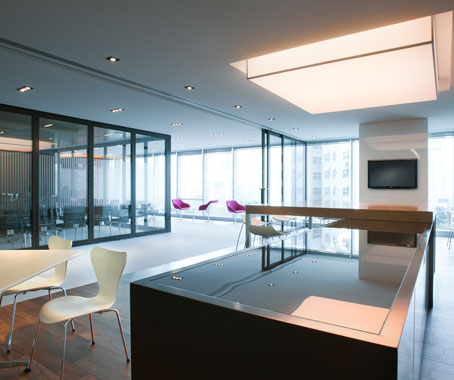
On the sustainable front, the focus was not on expensive materials or technologies but best practice sustainable design and common sense according to Graeme Smith, Director and one of the LEED APs on the M Moser team.
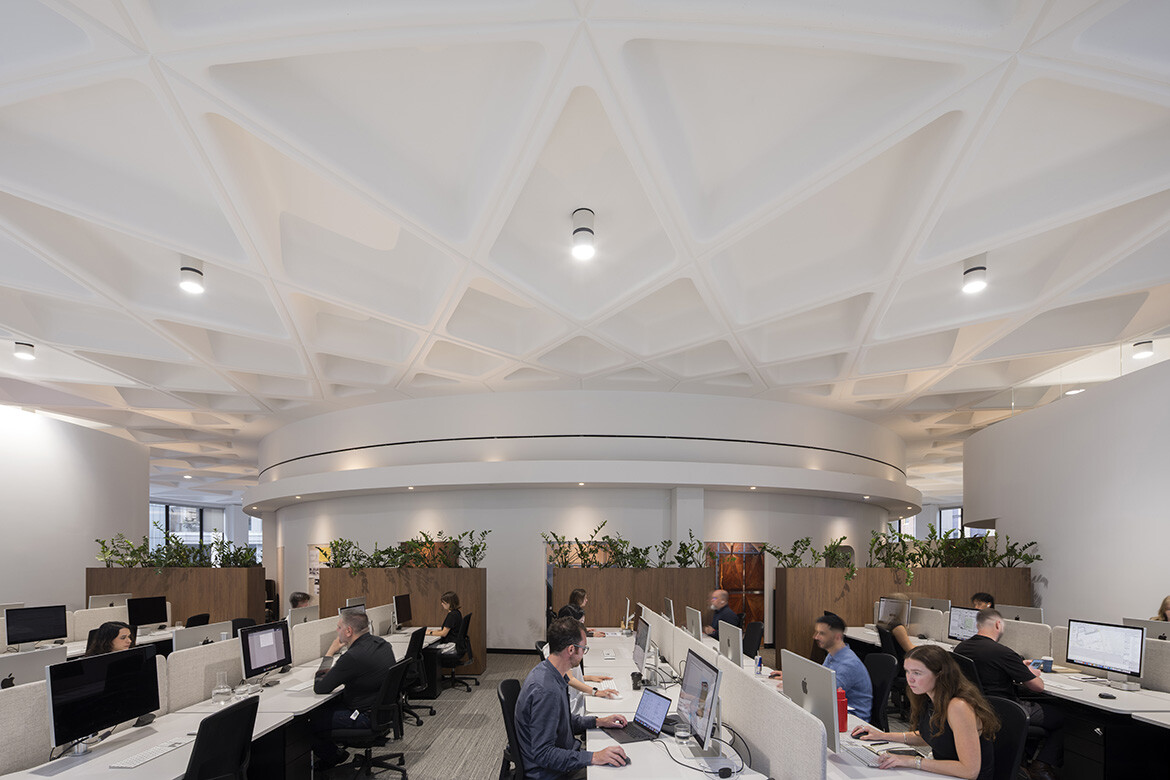
The open plan architecture contributed to the project’s high LEED certification by maximising natural light penetrating into the space, reducing the need for artificial illumination and lowering energy consumption.

Various other ’common sense’ features such as the selection of rapidly renewable, locally manufactured materials as well as materials with recycled content were consciously made throughout the process.

Ultimately, it was the many little details that gave this project the points it needed to garner a LEED Platinum.
M Moser
mmoser.com
Latest Projects
QLD
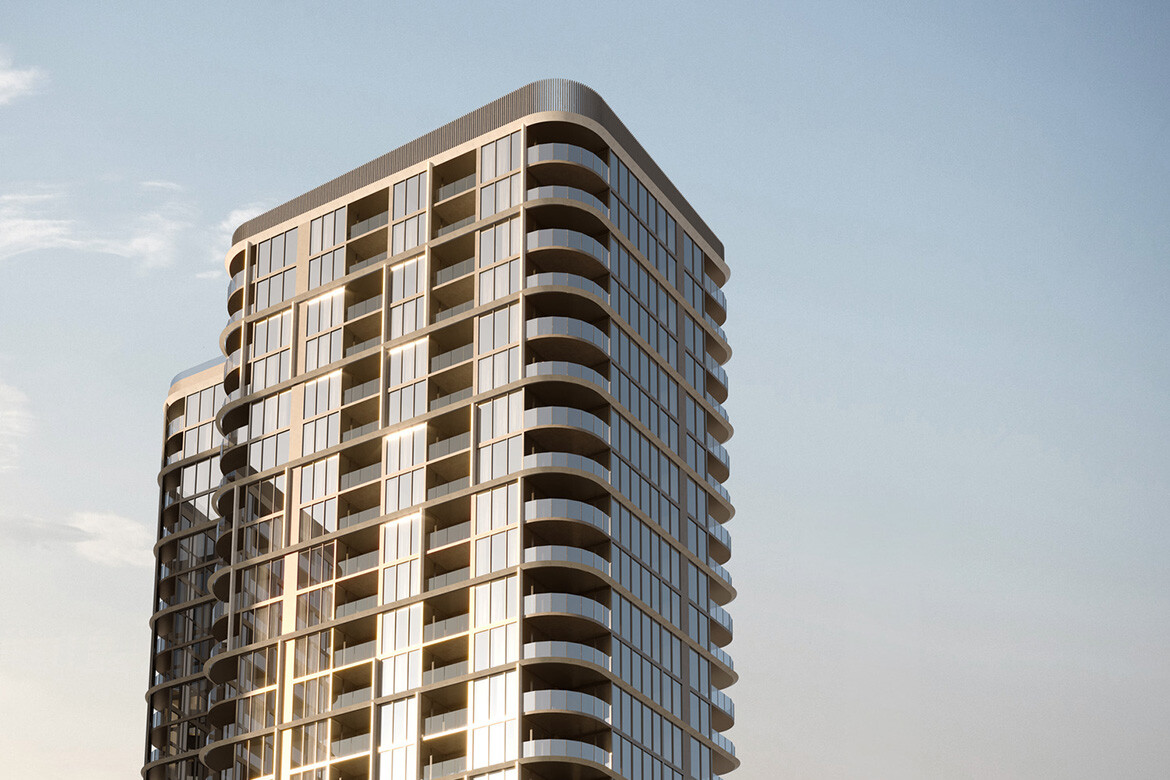
Living outside the box
At Northshore Hamilton, Plus Studio’s Danny Juric is looking beyond the apartment tower as an isolated object, drawing on mature trees, Brisbane’s subtropical climate and the rituals of outdoor living to shape Duet.
Project
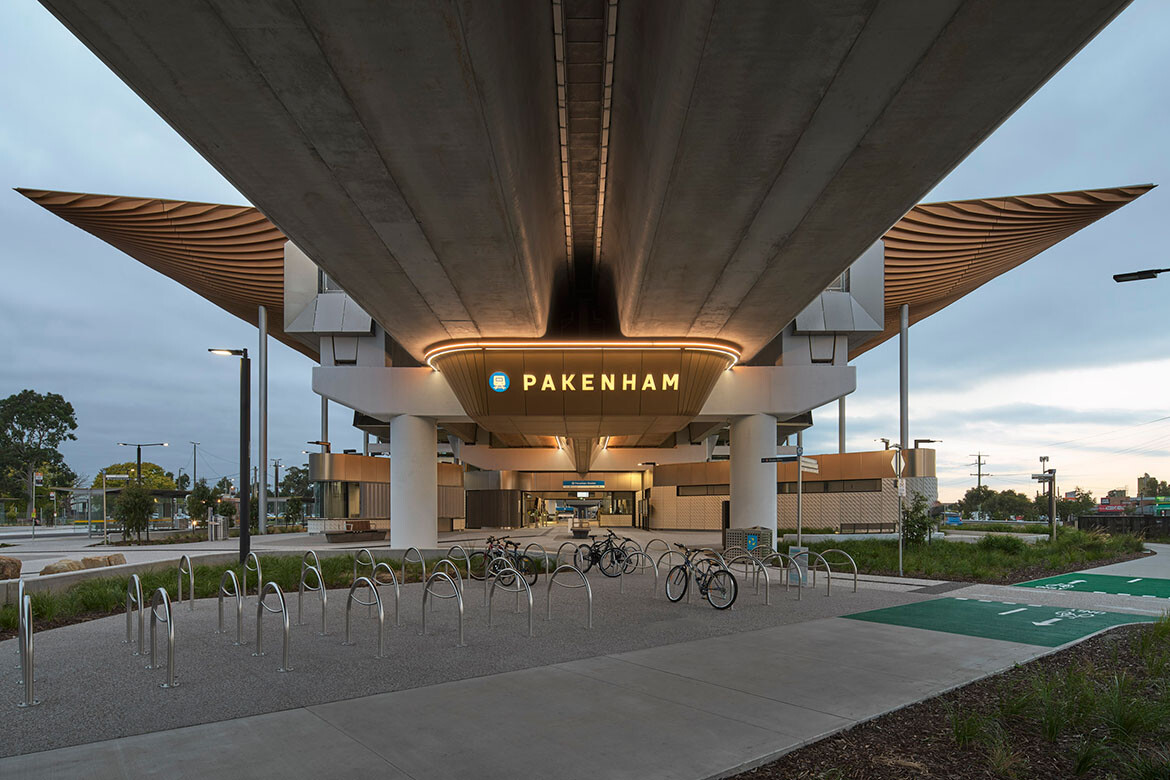
A civic gateway for Pakenham
Genton’s Pakenham Station transforms a utilitarian transport interchange into an open civic landmark, reconnecting the town through landscape, public space and infrastructure designed around Country.
Workplace
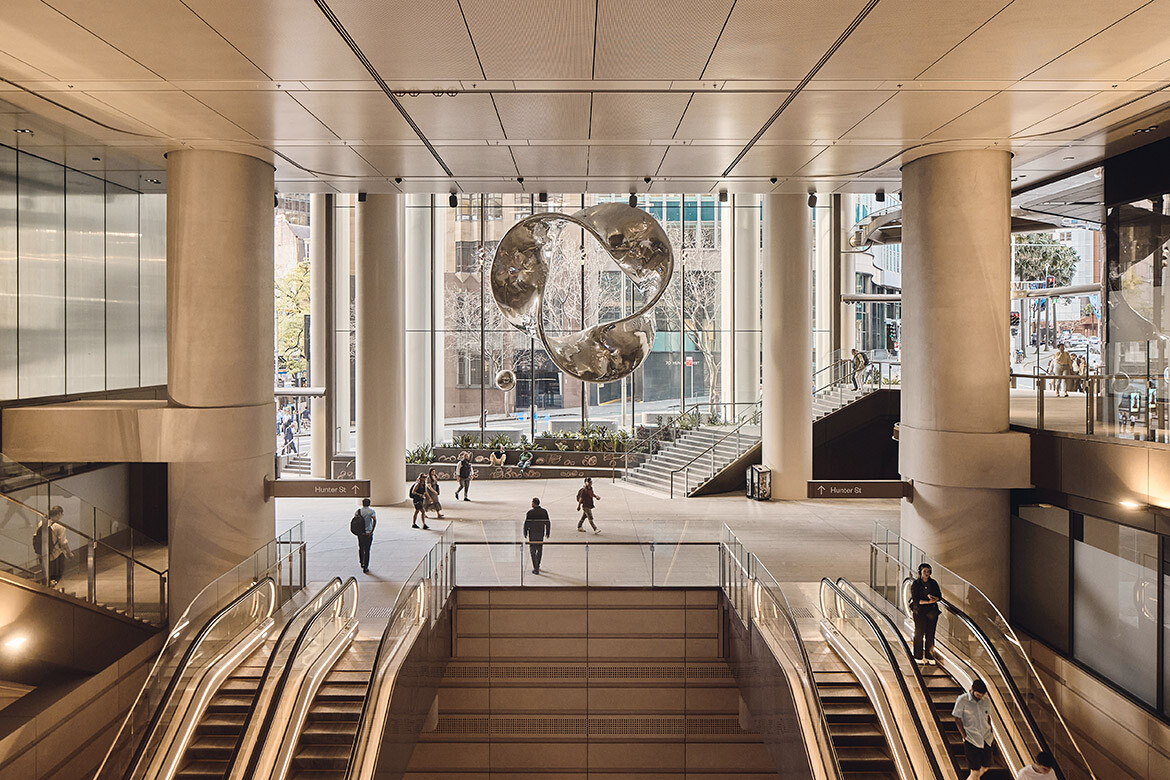
Per atria ad astra
In the very heart of Sydney’s CBD, 1 Elizabeth is a vast civic-scale project that integrates workplace design, transport infrastructure, event spaces, and hospitality around some dramatic void spaces.
Workplace
Seidler, Nervi and fjcstudio walk into an office tower
Set within hallowed architectural surroundings amidst the ghosts of Harry Seidler and Pier Luigi Nervi, fjcstudio’s new Sydney home brings geometric clarity and a spirit of creative exchange to a challenging workplace fit-out.