Inhabitant Store by Torafu Architects
Published
By
jesse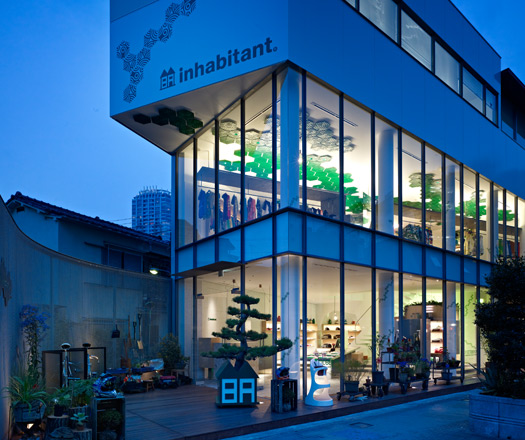
Karakusa hexagons inhabit a Harajuku sportswear store.
In the hip and happening Harajuku district – Tokyo’s notorious fashion mecca – Torafu Architects have designed the Inhabitant flagship store.
Combining playfulness with quintessentially Japanese minimalism, the retail project effectively balances the brand’s identity as a sportswear store that combines function with fun.
With floor to ceiling glass windows, the concept of window-shopping is taken to another level by Torafu Architects, who have allowed external admirers an all-encompassing view of the merchandise.
Fashion is liberally hung and folded over the two floors, while a vast bench on the ground floor displays the fashion as the focal point, which doubles up as a catwalk for in-house fashion shows.
While understated grey and white tones certainly don’t compete with the colourful clothes, they do have to contend with large clusters of hexagonal green motif tiles.
The brainchild of artist Asao Tokolo, the motif printed tiles adorn the walls, floors, ceiling and columns, creating a dynamic design, which adds vibrant colour to an otherwise monochrome look.
Renowned for his straddling of art and mathematics, these karakusa patterns (the Japanese answer to arabesque), are the artist’s signature obsession.
The tiles each boast a completely unique pattern, but thanks to mathematical ingenuity can be designed so as to link harmoniously to all the others.
Torafu Architects
torafu.com
All photography Daici Ano
Latest Projects
QLD
Living outside the box
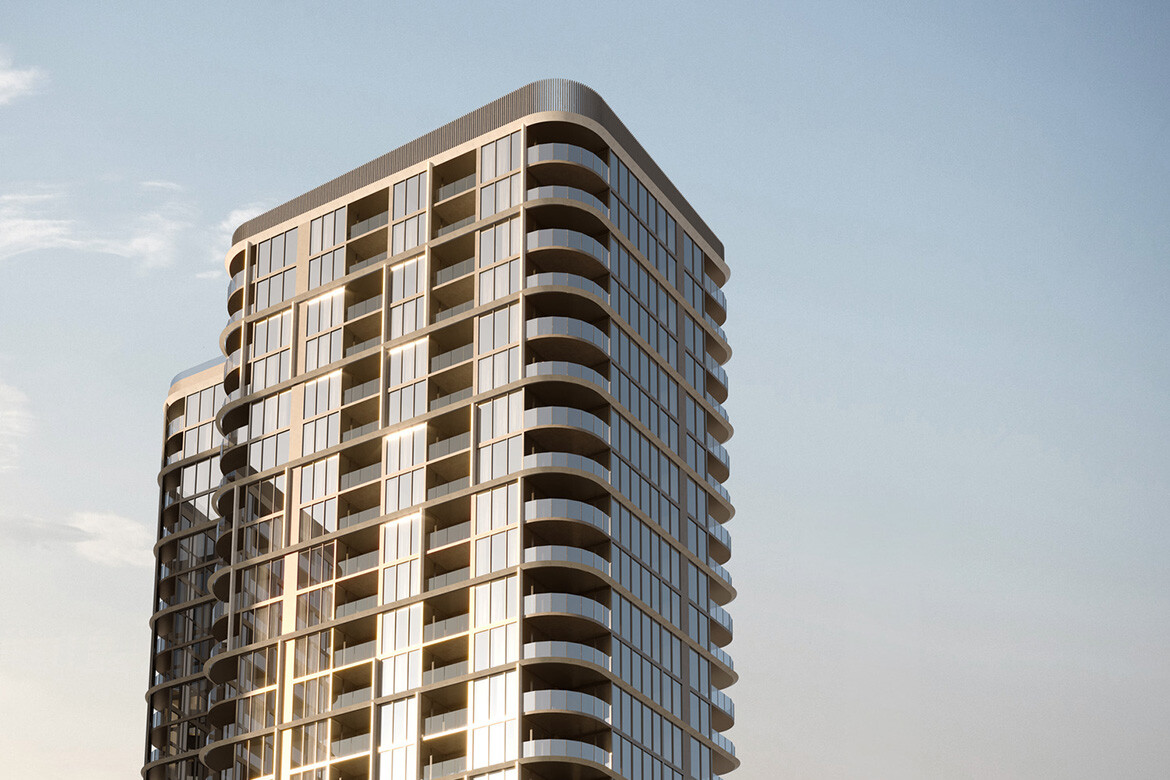
At Northshore Hamilton, Plus Studio’s Danny Juric is looking beyond the apartment tower as an isolated object, drawing on mature trees, Brisbane’s subtropical climate and the rituals of outdoor living to shape Duet.
Project
A civic gateway for Pakenham
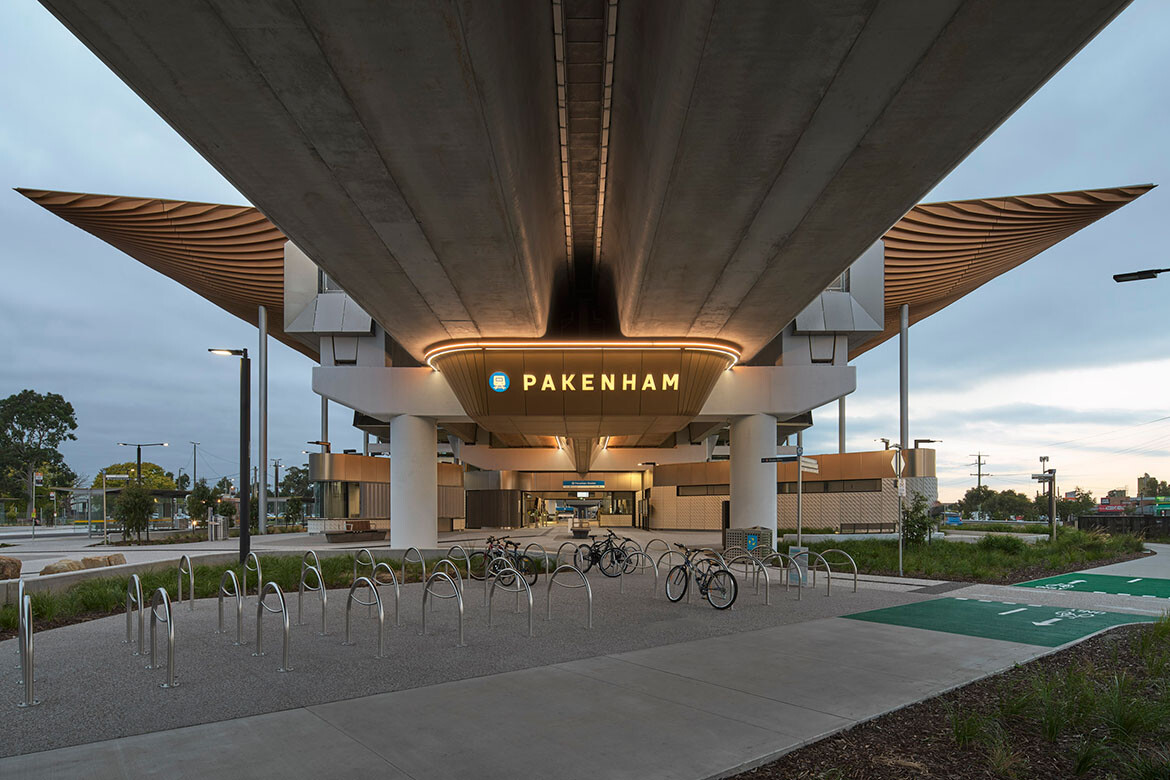
Genton’s Pakenham Station transforms a utilitarian transport interchange into an open civic landmark, reconnecting the town through landscape, public space and infrastructure designed around Country.
Workplace
Per atria ad astra
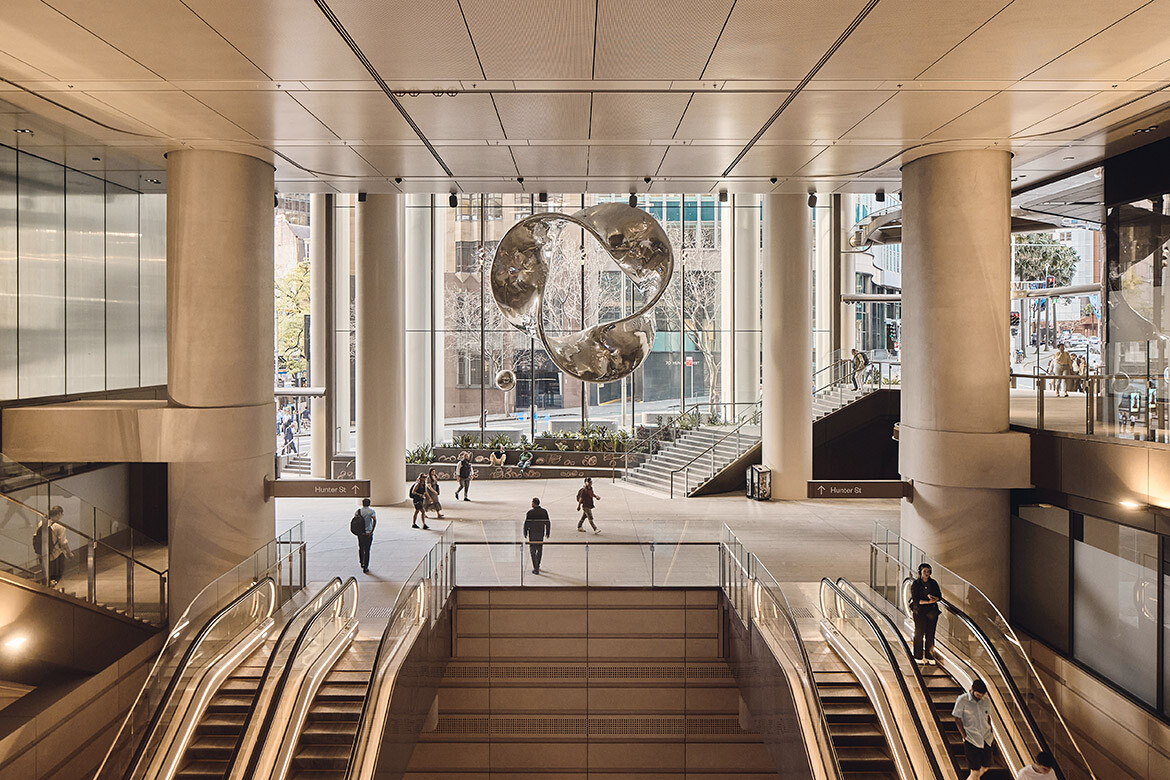
In the very heart of Sydney’s CBD, 1 Elizabeth is a vast civic-scale project that integrates workplace design, transport infrastructure, event spaces, and hospitality around some dramatic void spaces.
Workplace
Seidler, Nervi and fjcstudio walk into an office tower
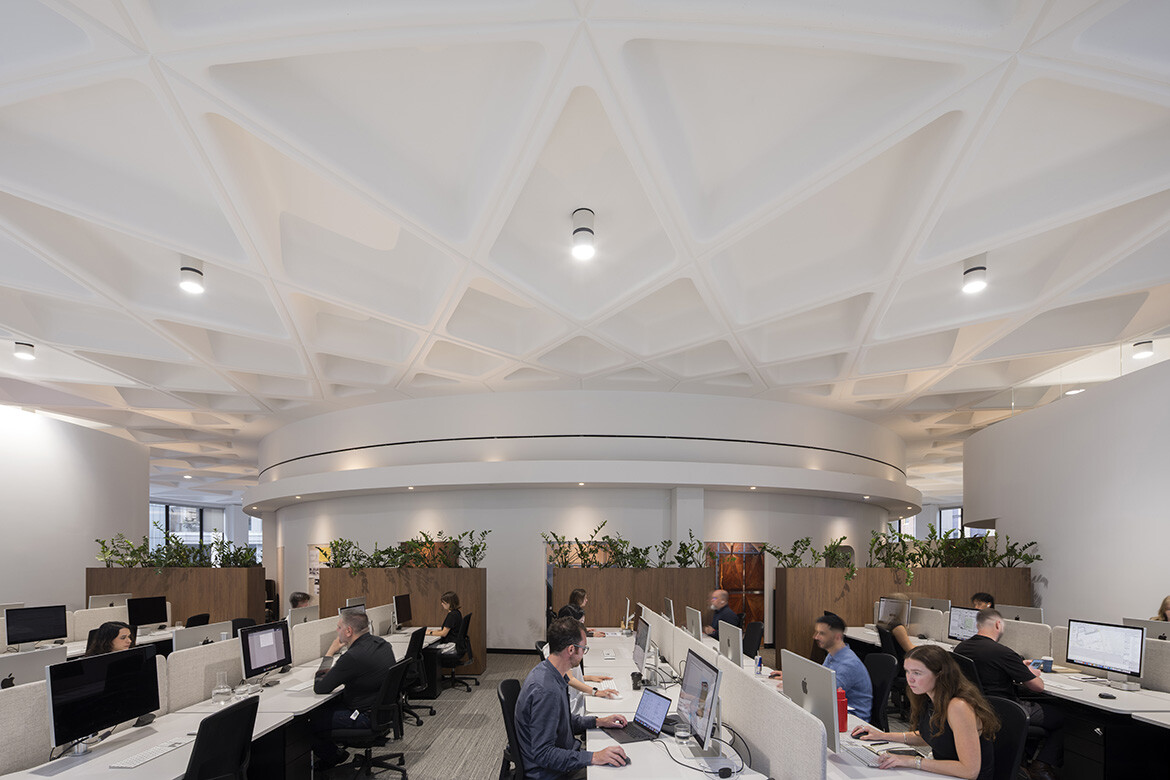
Set within hallowed architectural surroundings amidst the ghosts of Harry Seidler and Pier Luigi Nervi, fjcstudio’s new Sydney home brings geometric clarity and a spirit of creative exchange to a challenging workplace fit-out.