The home of architecture and design in the Asia-Pacific
Get the latest design news direct to your inbox!

Get the latest design news direct to your inbox!
The Bates Smart designed Canberra Vibe Hotel is another step forward in the ACT-government’s long-held desire to establish Canberra as an international destination.
March 10th, 2016
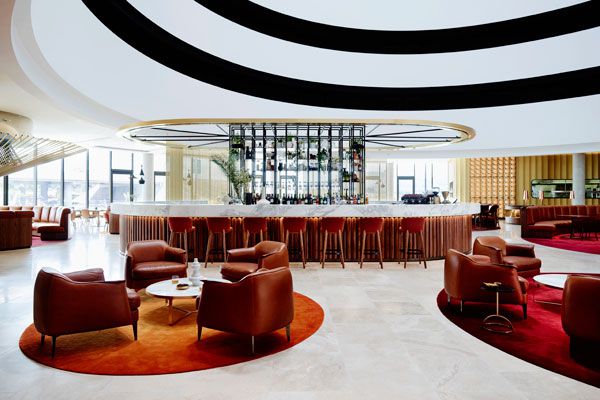
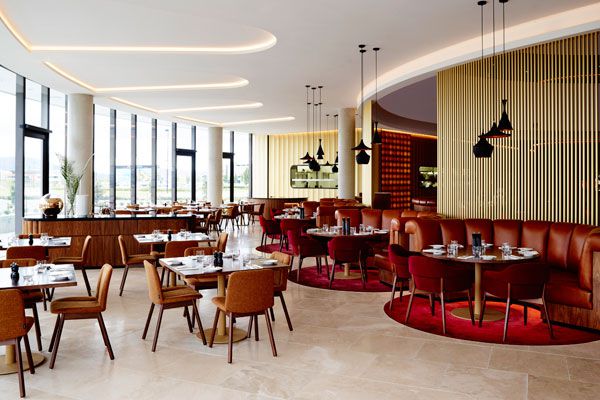
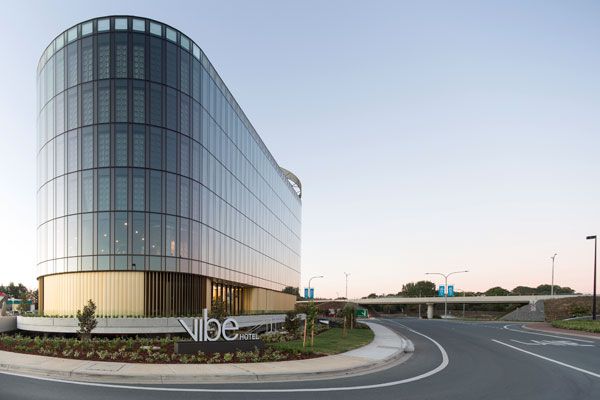
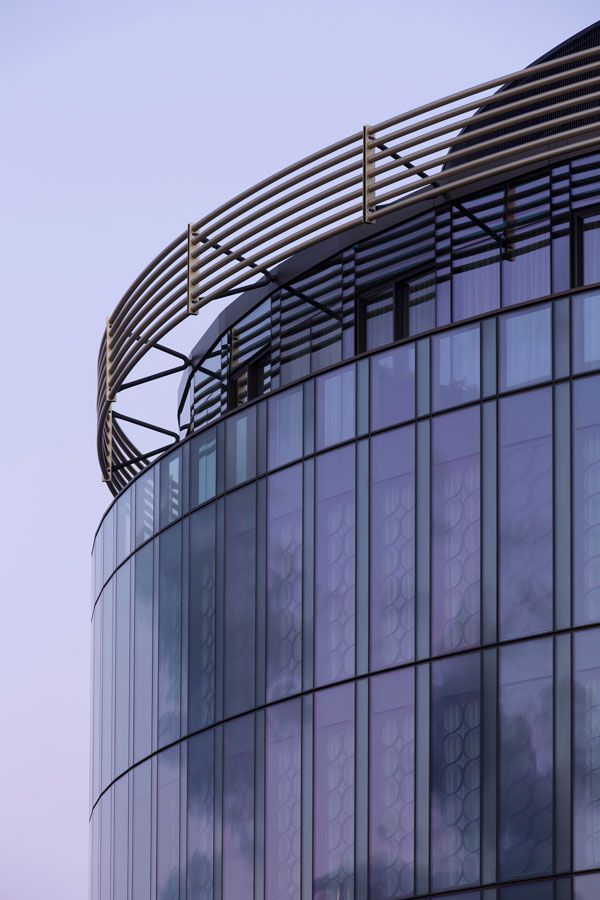
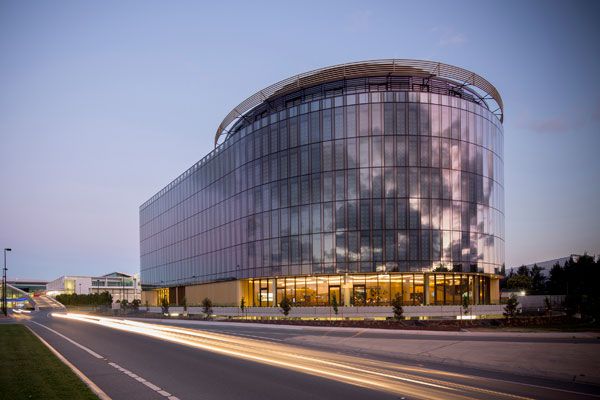
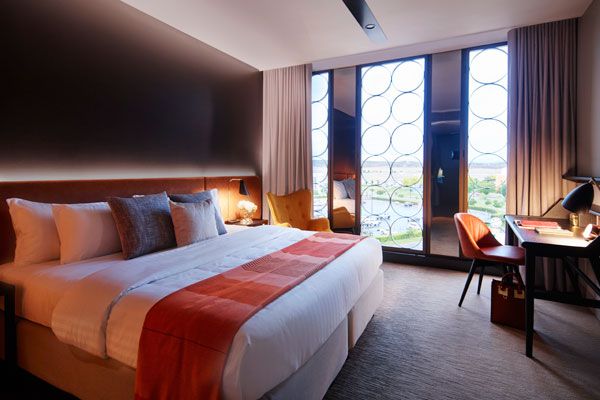
Canberra Vibe, operated by Toga Far East Hotels, is the first luxury hotel in the city, and adds a striking destination to the area through its circular form, recalling the geometry of Walter Burley Griffin’s Canberra.
The $50 million, 4.5 star hotel features 191 rooms, and is located moments away from the airport terminal and eight minutes to Parliament House, making it an obvious spot for international travellers.
Canberra Airport Group CEO Stephen Byron said the hotel’s completion was a key piece of the puzzle in attracting international flights.
“This hotel is on a key strategic site of great importance to the future growth of the airport and is why we held a major design competition to arrive at the perfect outcome,” he said.
“In terms of expanding internationally, it is a question of when not if. Our strategy is to connect to a key Asian hub and every day we get closer to that. We expect it to become a reality in 2016.
“This hotel puts us even more on the map and strengthens our appeal to both international and domestic visitors. It will also be a valuable asset to the business community and government.”
Bates Smart director Philip Vivian said when designing the Canberra Vibe Hotel, the firm aimed to channel Canberra’s DNA, to better reflect the location and context of the space.
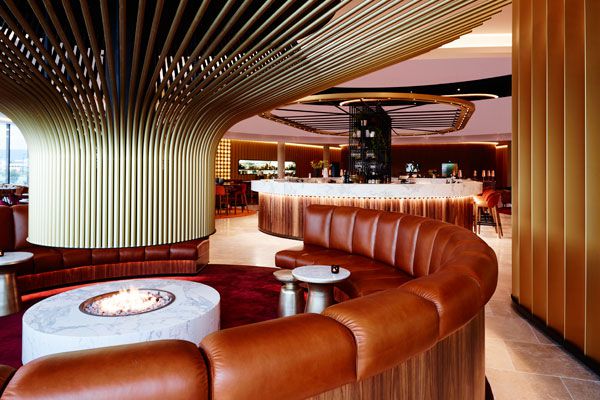
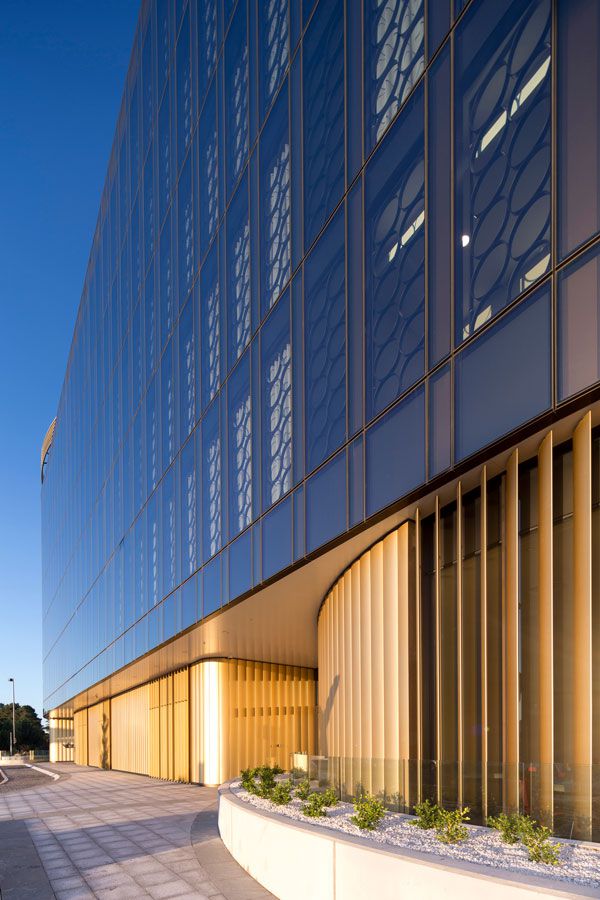
“We have created a unique destination for travellers to be, one that will attract visitors with its timeless design that combines circular and axial geometries to create a distinctive form, drawn from its context,” he said.
“These circular geometries allow the building to be read in the round, responding to the site’s multiple approach and vantage points.
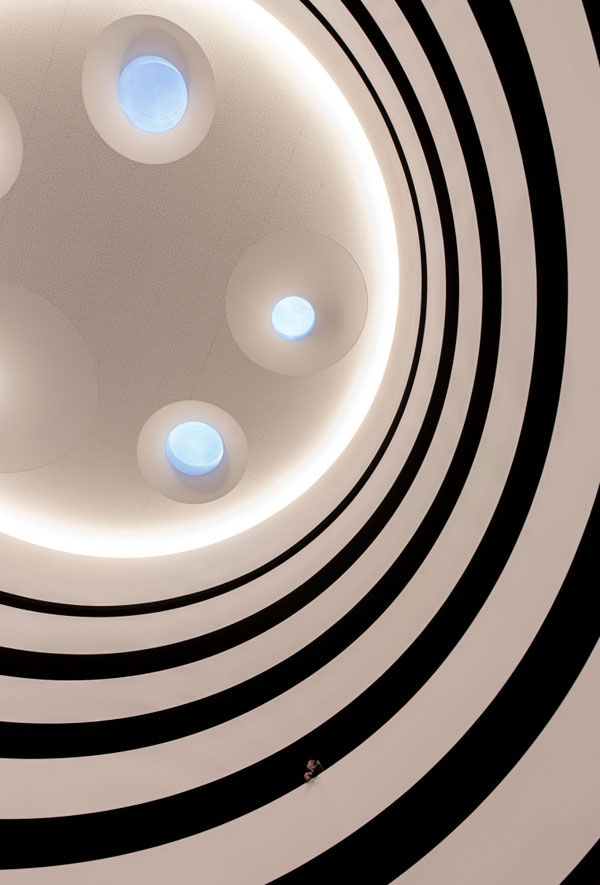
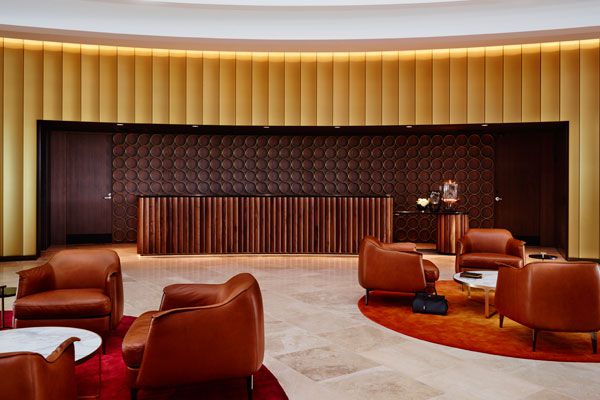
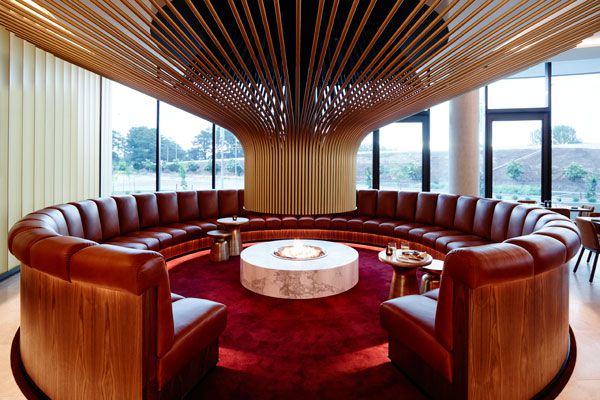
“A signature space for the hotel is its striking black and white atrium rising above a large-scale ground floor entertaining space catering for intimate gatherings as well as large-scale events.”
Bates Smart
batessmart.com
INDESIGN is on instagram
Follow @indesignlive
A searchable and comprehensive guide for specifying leading products and their suppliers
Keep up to date with the latest and greatest from our industry BFF's!
The internet never sleeps! Here's the stuff you might have missed