The home of architecture and design in the Asia-Pacific
Get the latest design news direct to your inbox!

Get the latest design news direct to your inbox!
Steelcase create products and research for active learning in education and the workplace
March 1st, 2013
“If we want to change education, we literally have to change the way we design the space,” says Trung Le, a principal in Chicago’s Cannon Design and lead designer for its education group.
The concept of active learning, as opposed to traditional ‘sit and listen’ passive learning, has been gaining steam on the back of an increasing mountain of evidence in recent years.
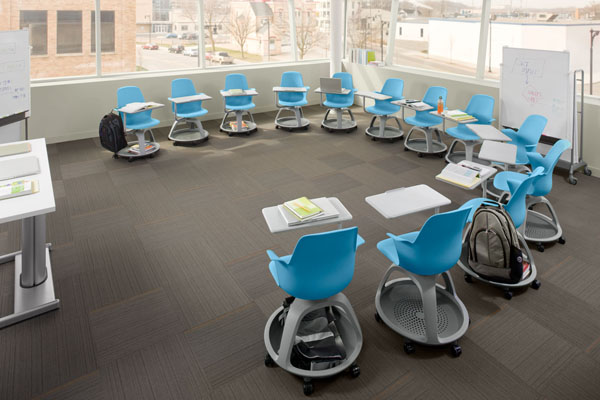
Steelcase foster active learning by refashioning learning environments. They have a long history of being a research-led corporation, and it is in response to this research that their products are designed.
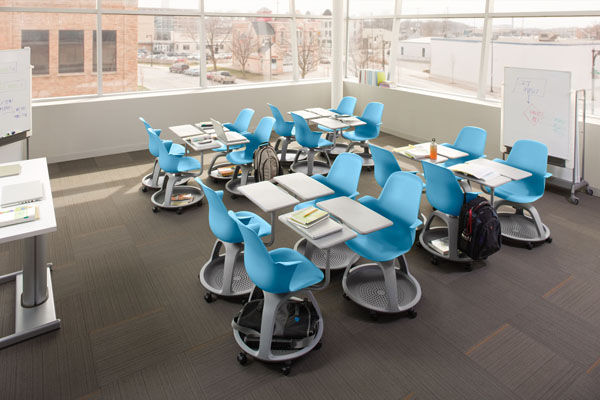
“We recognize that children need to move,” says Dr Lennie Scott-Webber, Steelcase’s Director of Education Environments. “We are a species in motion and yet it’s really unnatural the way we place children of various size in the same-size seat and desk, and ask them to sit very quietly, and listen, and focus.”
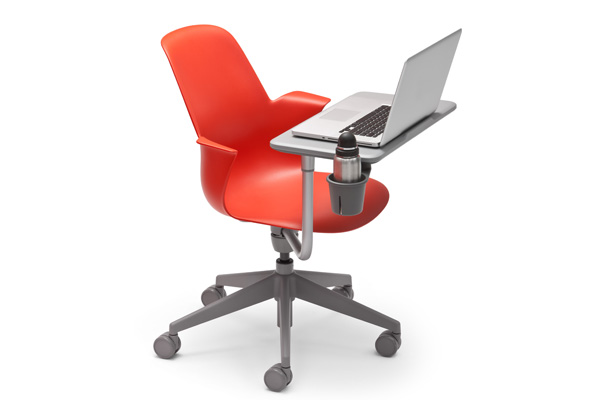
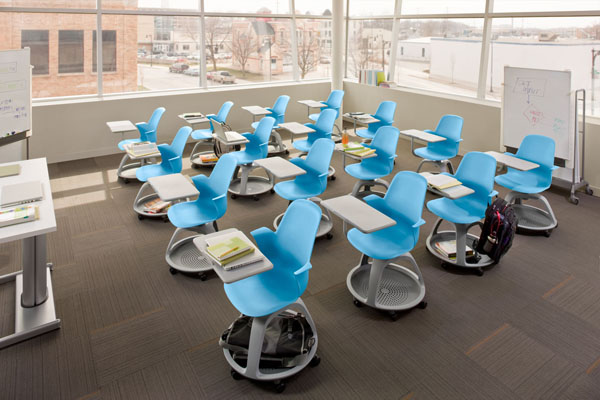
Steelcase aims to enhance active learning by design that encourages students to own their own knowledge – design that fosters collaboration and inquiry. One such design is the Node® chair.
Steelcase spent over two years in the field observing classroom behaviours firsthand. Their prototype was beta tested and it was upon this mountain of insights and experience that they launched the Node® chair.
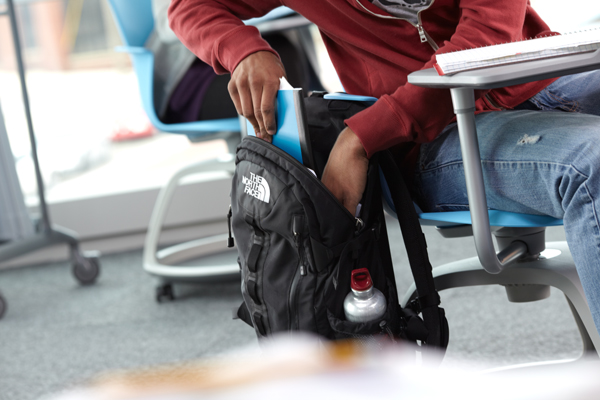
The Node® chair is designed to allow teachers and students to transition easily from one learning mode to the next. It’s a mobile, individual workstation with storage space. The chair is on casters, and the tripod base keeps backpacks and personal belongings off the floor and out of the way.
The personal worksurface accommodates left-handed and right-handed students, and allows enough space for analogue and digital resources – with an optional tablet stand and cupholder.
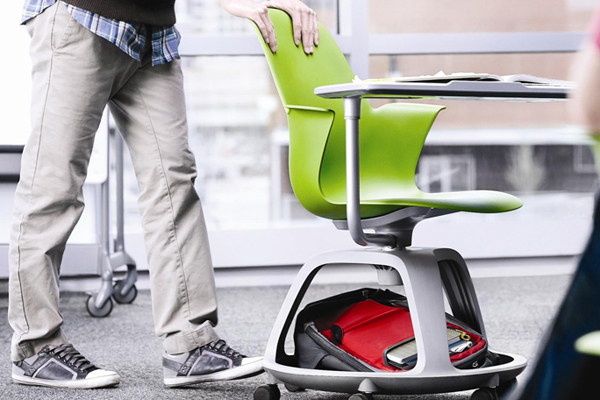
The design has already been featured on 60 Minutes and The New York Times. They also have products for more effective learning and collaborating in the workplace, such as media:scape.
As Trung Le says, “I get quite disturbed when people label our educational system broken… It just needs to be redesigned, because we want new outcomes.” Steelcase’s commitment to insight-driven design refashions a dusty education model.
Steelcase
INDESIGN is on instagram
Follow @indesignlive
A searchable and comprehensive guide for specifying leading products and their suppliers
Keep up to date with the latest and greatest from our industry BFF's!
The internet never sleeps! Here's the stuff you might have missed