The home of architecture and design in the Asia-Pacific
Get the latest design news direct to your inbox!

Get the latest design news direct to your inbox!
MOA Screens are manufactured by using the technology of a modular rope link. The innovative screens bring a new standard in shading systems.


July 2nd, 2018
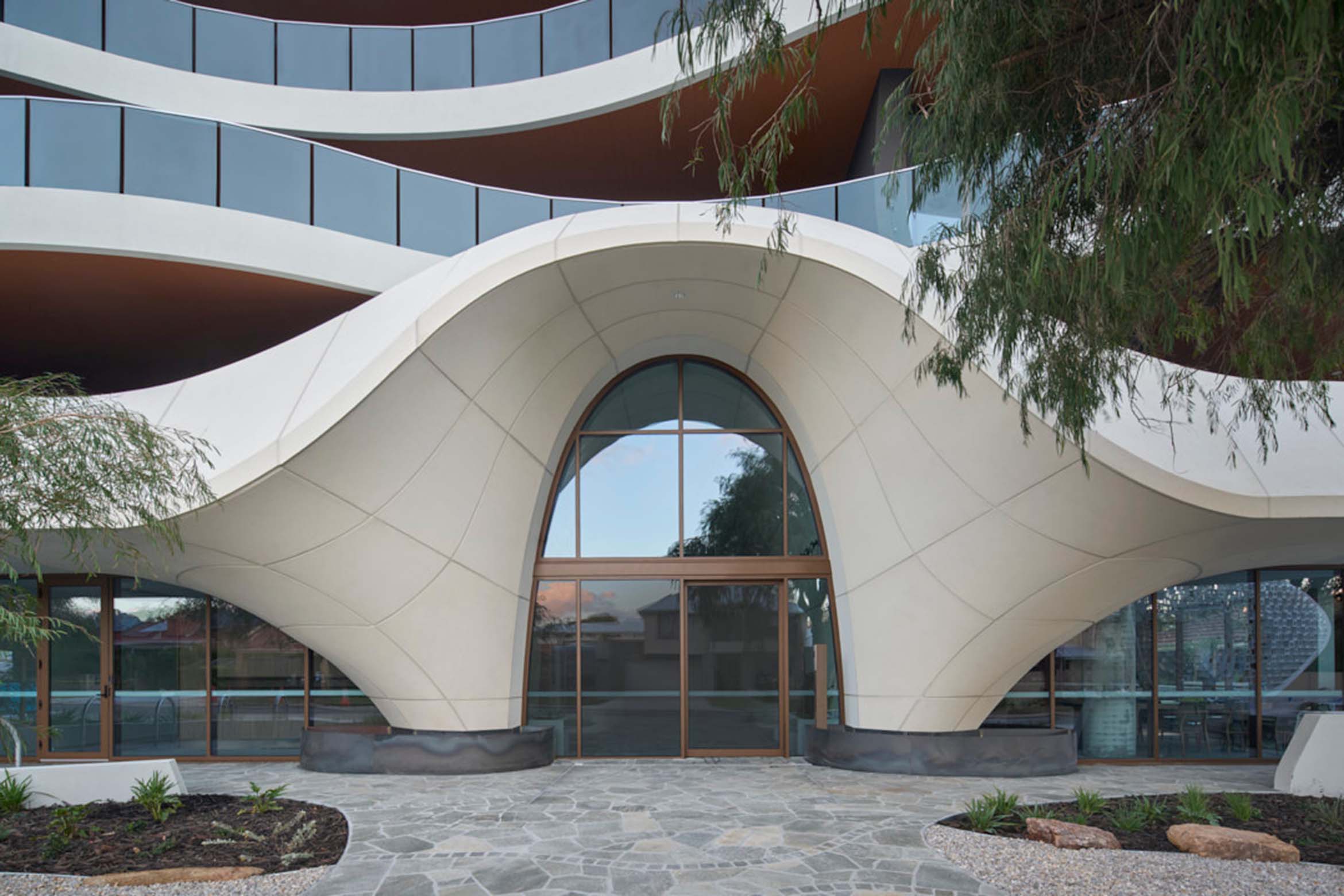
While a façade is an elegant additional component that is often used to inform a unique architectural aesthetic, it also has the critical role of being functional, practical and visually appealing.
MOA Screen-Transparent Façade Systems are renowned for exceptional versatility. Pre-finished using an innovative method of connecting stainless steel ropes or plastic sleeves, these screens are lightweight and durable –providing designers with a higher-quality alternative.
MOA Screens are manufactured by using the technology of a modular rope link. Rope links are created by weaving a pair of ropes around a ring and connecting them using clamp sleeves. Because of the nature of these profiles, assorted links of either steel, aluminium, wood, plastic or LED, can be inserted inside to construct unique façade design solutions.
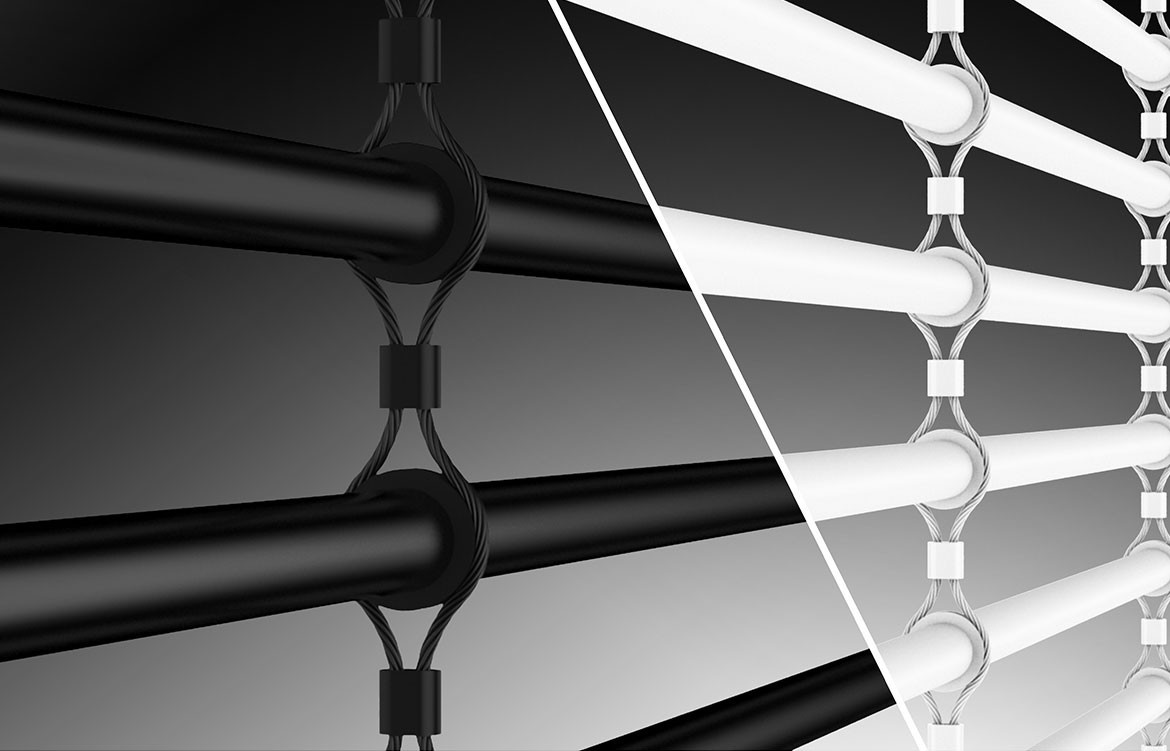
The limitless applications of MOA Screens display timeless linear design, texture and colour – suitable for any design brief and design constraints. The unlimited possibilities are a result of configuring various material types and surface finishes.
Additionally, by using tubular profiles, MOA Screen surfaces are uniform and rigid without any joints or connections visible. The unique pattern formed by modular rope links aid in the simplicity of installation and use. MOA Screen Façade Systems require at least one or two suspension points, between which the system will be installed. Transparency levels (between 30 per cent to 90 per cent) are achieved depending on enlarging or reducing profiles as well as the distances between the profiles.
Furthermore, MOA Screen Systems are an effective solution to obtain natural ventilation and shading. Flexible in design and functionality, MOA Screens offer a four-year warranty for indoor applications and a five-year warranty for outdoor applications.
MOA Screen Façade Systems can be used for indoor and outdoor applications; for wall cladding, interior partitions or screens, landscaping, infill and full height balustrades, exhibition displays and stands.
INDESIGN is on instagram
Follow @indesignlive
A searchable and comprehensive guide for specifying leading products and their suppliers
Keep up to date with the latest and greatest from our industry BFF's!
The internet never sleeps! Here's the stuff you might have missed