The home of architecture and design in the Asia-Pacific
Get the latest design news direct to your inbox!

Get the latest design news direct to your inbox!
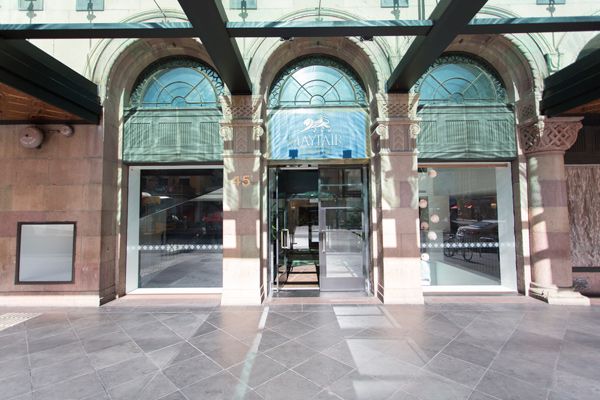
Setting a new benchmark for boutique accommodation in Adelaide – right down to the blackened steel door details – the Mayfair Hotel revives the glamour of travel in a grand historic building.
March 17th, 2016
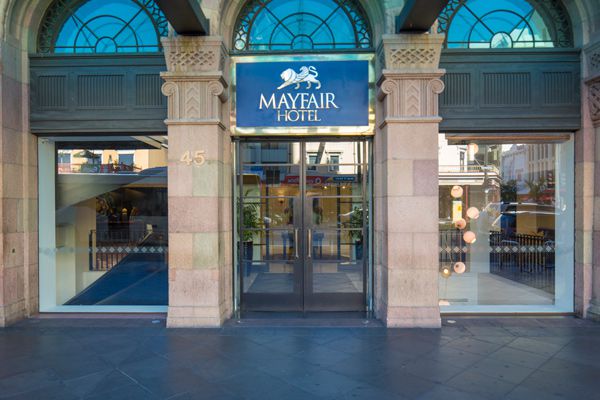
Housed within the 1930s former Colonial Mutual Life building, the Mayfair Hotel has been designed with a respect for the heritage of the building, infusing 1930s charm into the new 4.5 Star, 170-room contemporary hotel.
Bates Smart worked with local architects JPE Design Studio on the project and its handsome centrepiece – an elegant ribbon stair of black steel that spirals through the atrium void.
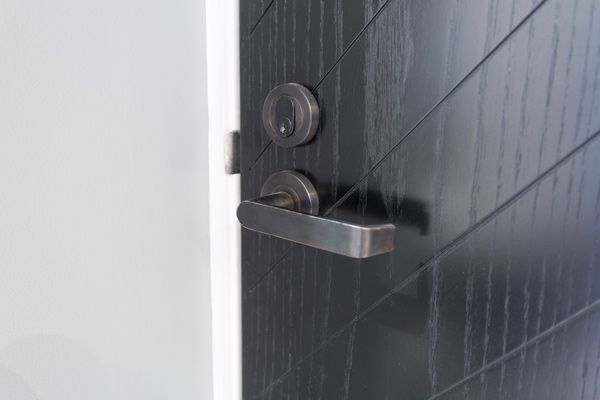
Complementing the stair and other black steel details is door hardware in a unique, newly released Blackened Steel finish, developed and produced by Novas Architectural.
“This was the first project we have worked on using our new Blackened Steel finish,” says Nick Carpinelli, Novas’ Architectural Construction Manager SA/NT. “Through many meetings with JPE and consultations with Bates Smart in Melbourne, we looked through the scope of works and came up with options for the door furniture and a hardware schedule.”
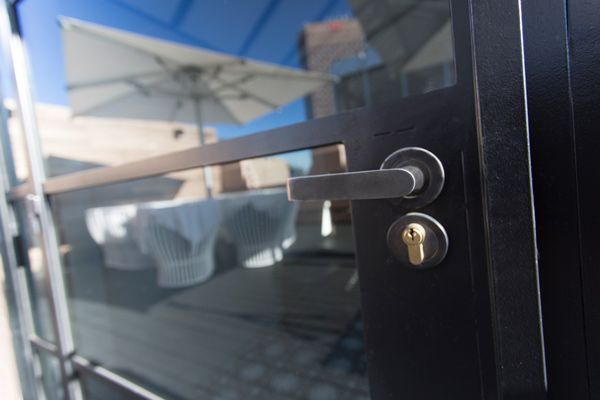
Available exclusively from Novas, Blackened Steel has a patina that softens over time to provide a subtle black finish with a depth of character unlike widely used coated and painted black finishes. The unique look is achieved using a black oxide process which coats and permeates the stainless steel while leaving the metal’s fine grain showing through.
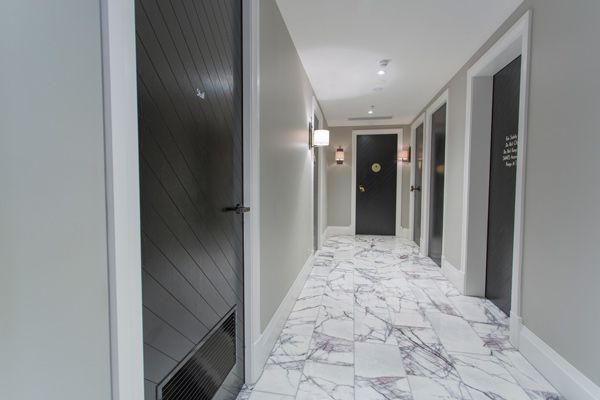
The contemporary lever handles in the subtle new finish proved the perfect detailing for the hotel’s elegant blend of old and new. This theme of historical meets contemporary continues throughout the fit-out with chevron patterning from the external façade referenced through the interior joinery detailing. Metalwork from the original windows is reflected through the steel balustrades and glazed partitions to the new triple-height atrium space.
A luxurious executive lounge with the ambience of an exclusive club has been created within the top-floor’s exposed roof structure, while the adjacent roof terrace provides the perfect setting for cocktails while watching the sun set over the City of Churches.
For more information on Novas’ Blackened Steel finish, click here.
INDESIGN is on instagram
Follow @indesignlive
A searchable and comprehensive guide for specifying leading products and their suppliers
Keep up to date with the latest and greatest from our industry BFF's!
The internet never sleeps! Here's the stuff you might have missed