The home of architecture and design in the Asia-Pacific
Get the latest design news direct to your inbox!

Get the latest design news direct to your inbox!
Practicing architecture and giving back to the next generation of students, Jenchieh Hung of HAS design and research is ensuring that the landscape of Thailand is in very good hands for the future.
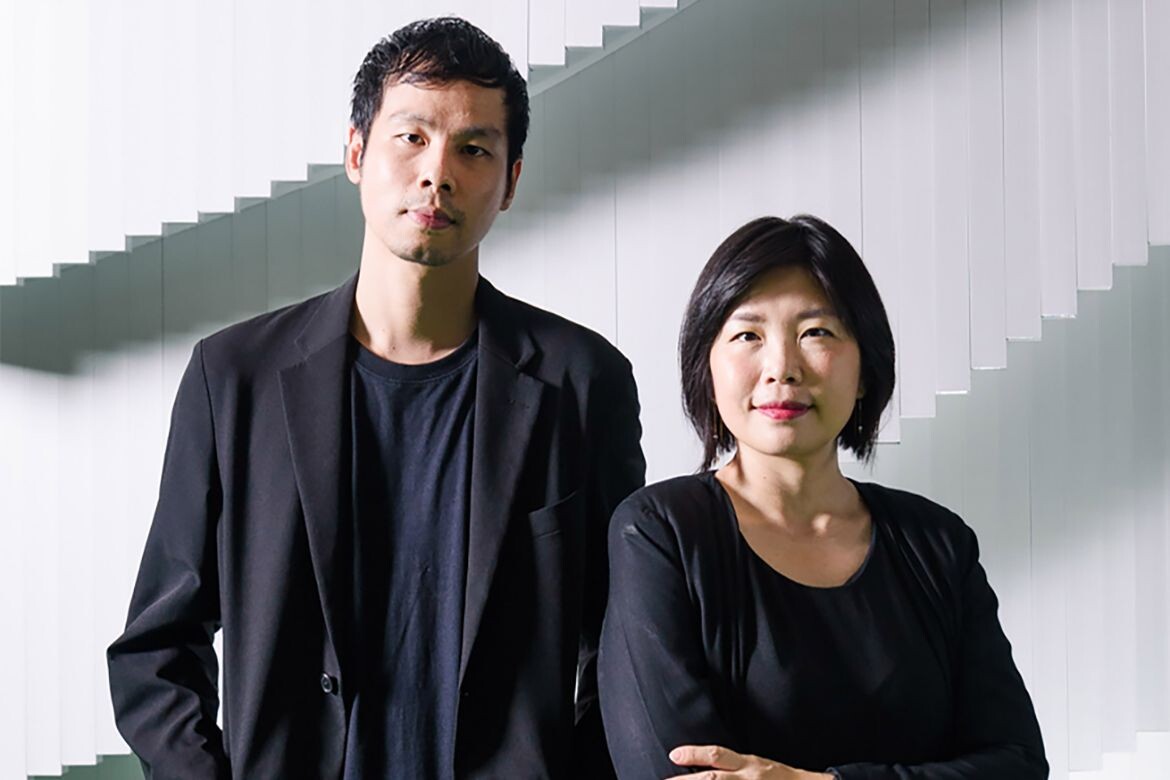
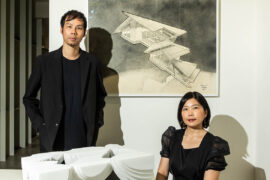
Jenchieh Hung and Kulthida Songkittipakdee of HAS design and research, photo courtesy of Worapas Dusadeewijai.

August 5th, 2025
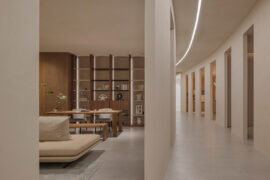
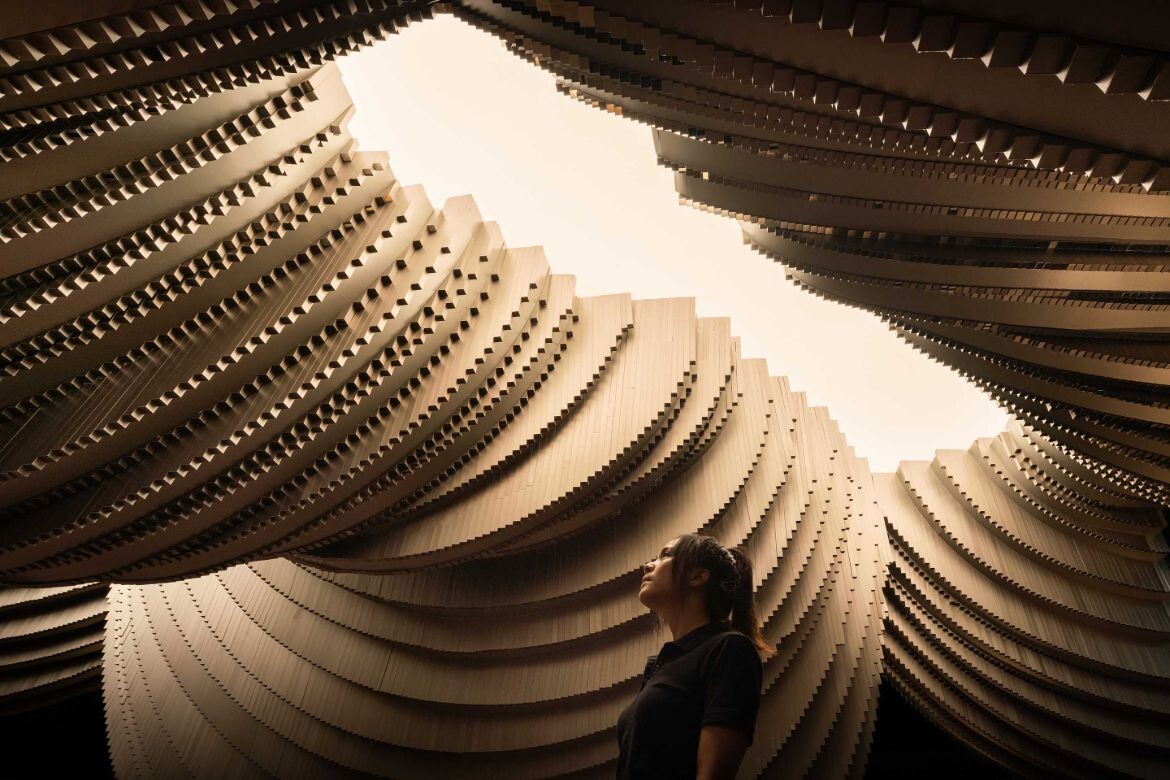
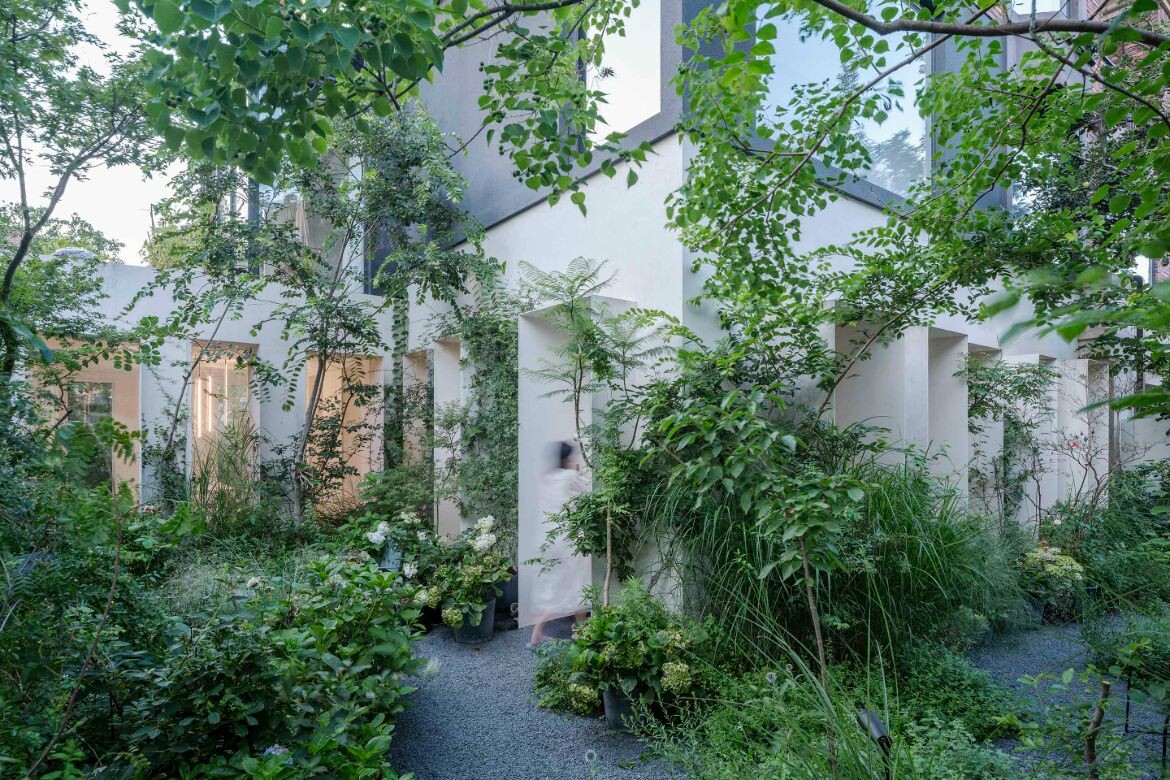
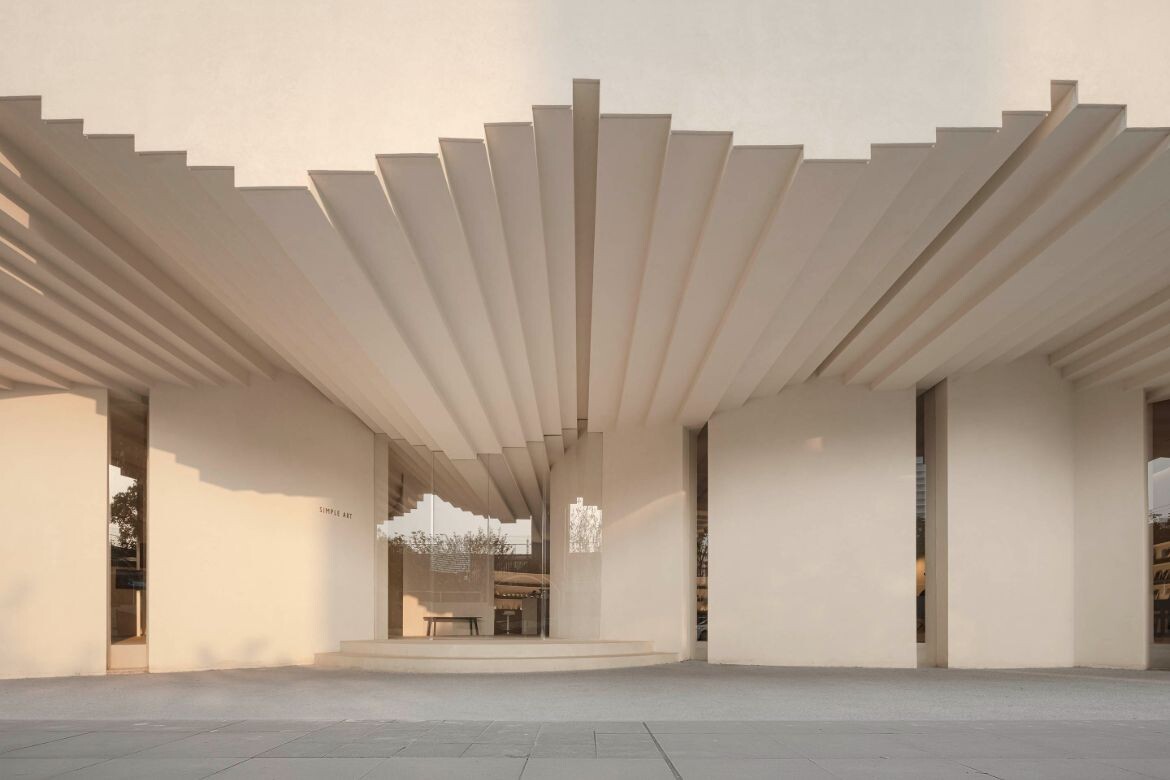
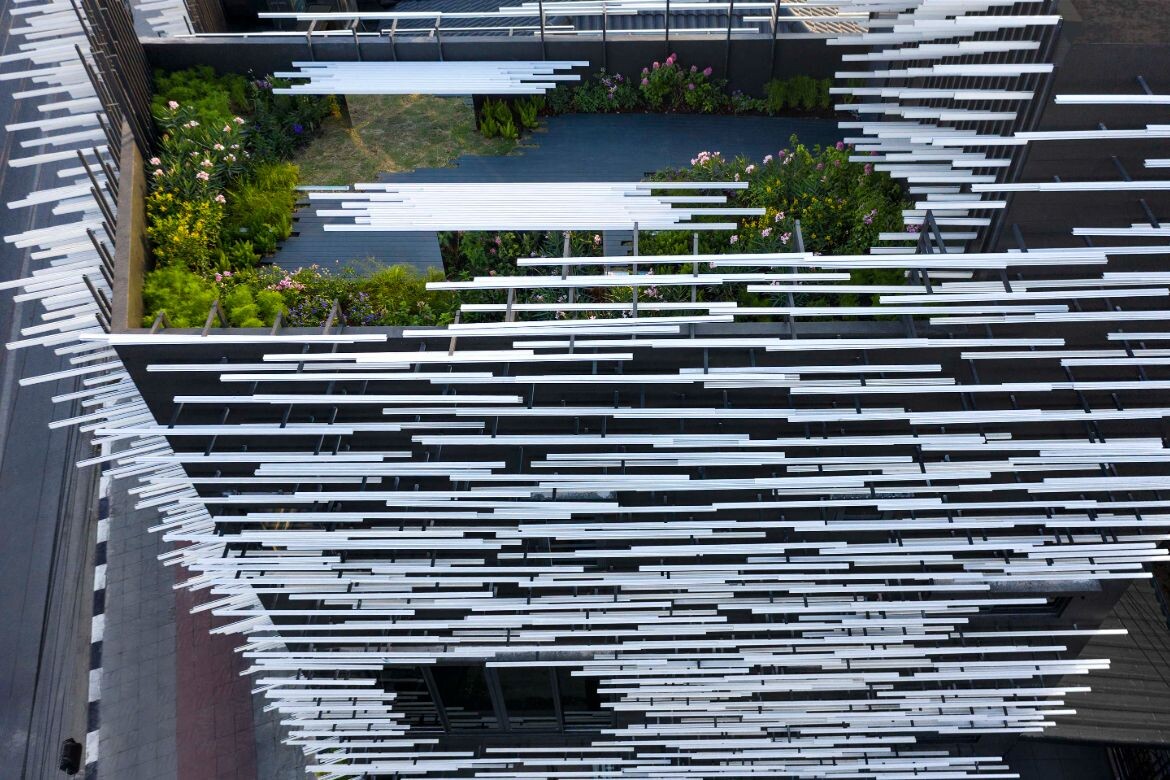
As the winner of the 2023 INDE.Awards, The Retail Space category for Casa de Zanotta, HAS design and research is no stranger to receiving recognition for its work. Based in Bangkok, Thailand and Shanghai, China, the practice explores the use of the spatial dimension, nature and the man-made in its projects and creates wonderous structures across a range of genres that include retail, residential, museum, cultural, installation and exhibition projects.
The practice directors and co-founders Jenchieh Hung And Kulthida Songkittipakdee (HAS) are passionate about their craft but as well as creating in their practice, both architects lecture at several universities, curate exhibitions and author and edit books.
The latest endeavour by Hung is as a visiting Professor at the Faculty of Architecture, Chulalongkorn University (Thailand’s top-ranked university for architecture) where he joins Songkittipakdee who lectures as a visiting Professor at the school, in educating and inspiring the next generation of Thai architects.
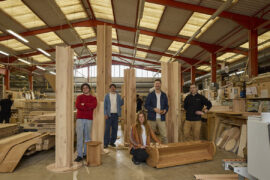
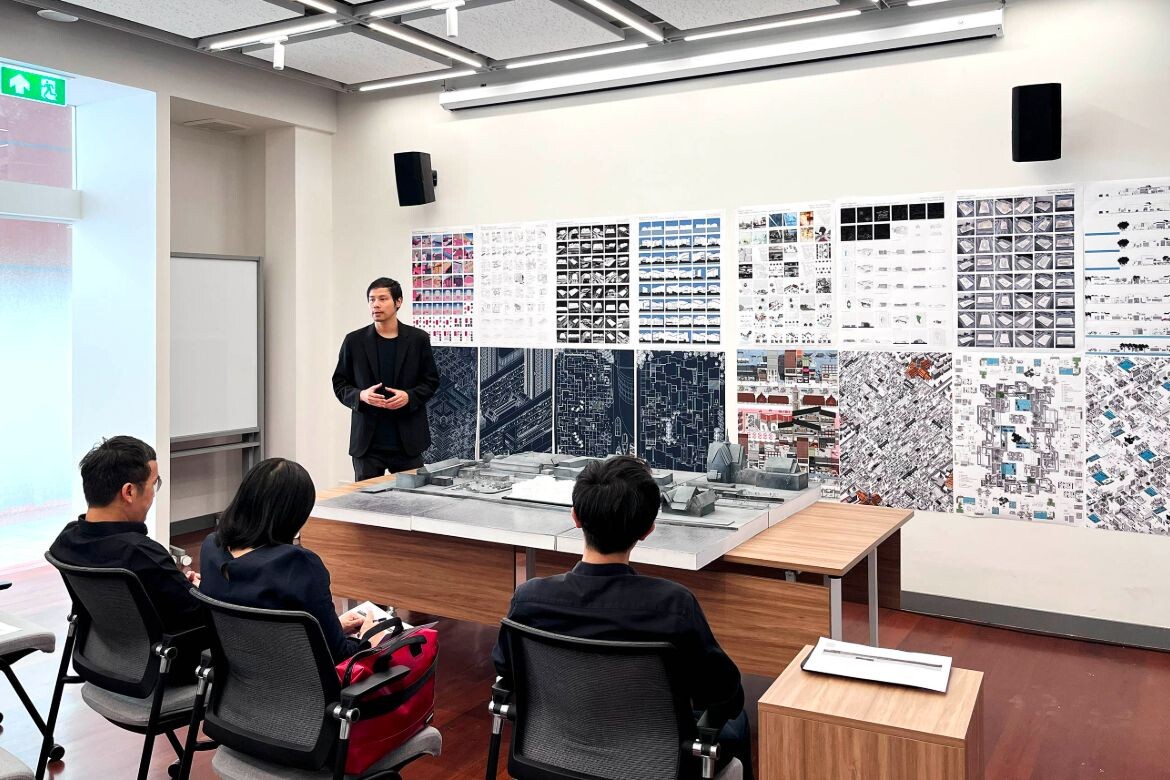
Hung has conducted a design studio for the Master of Architecture students that will provide a platform for the exploration of complex architectural challenges.
As HAS design and research is internationally recognised for its innovative exploration of “Patterns” in architecture, Hung has brought these ideas to the students for discussion, along with the analysis of the traditional and contemporary architectural language of Thailand and Asia.
In the design studio, the Hung And Songkittipakdee Laboratory (HAS Lab) at Chulalongkorn University, Hung asked students to engage in research that would shape the future of Bangkok’s architectural identity.
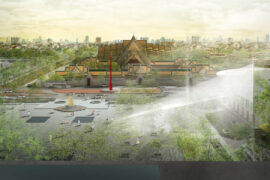
Students were tasked with selecting topics related to the historical and cultural contexts of The Grand Palace, Rattanakosin Island or the Chao Phraya River – sites that represent the heart of Bangkok’s architectural heritage and serve as important landmarks reflecting the city’s evolving identity.
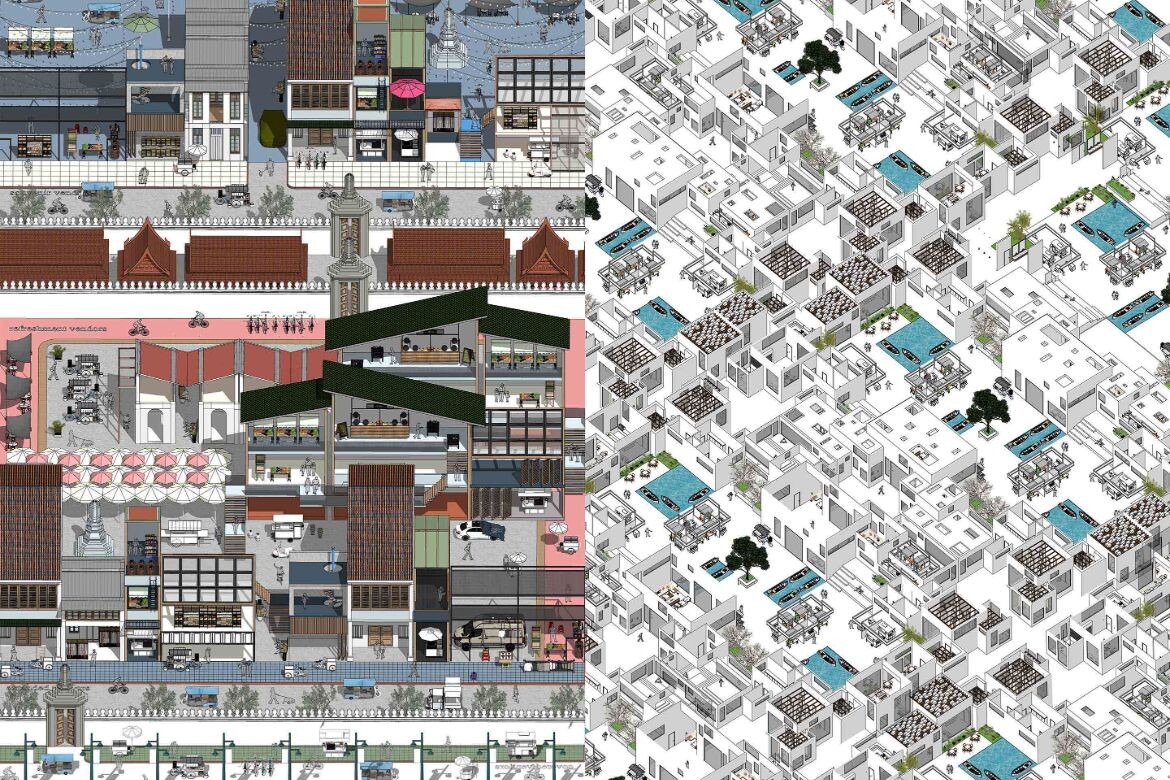
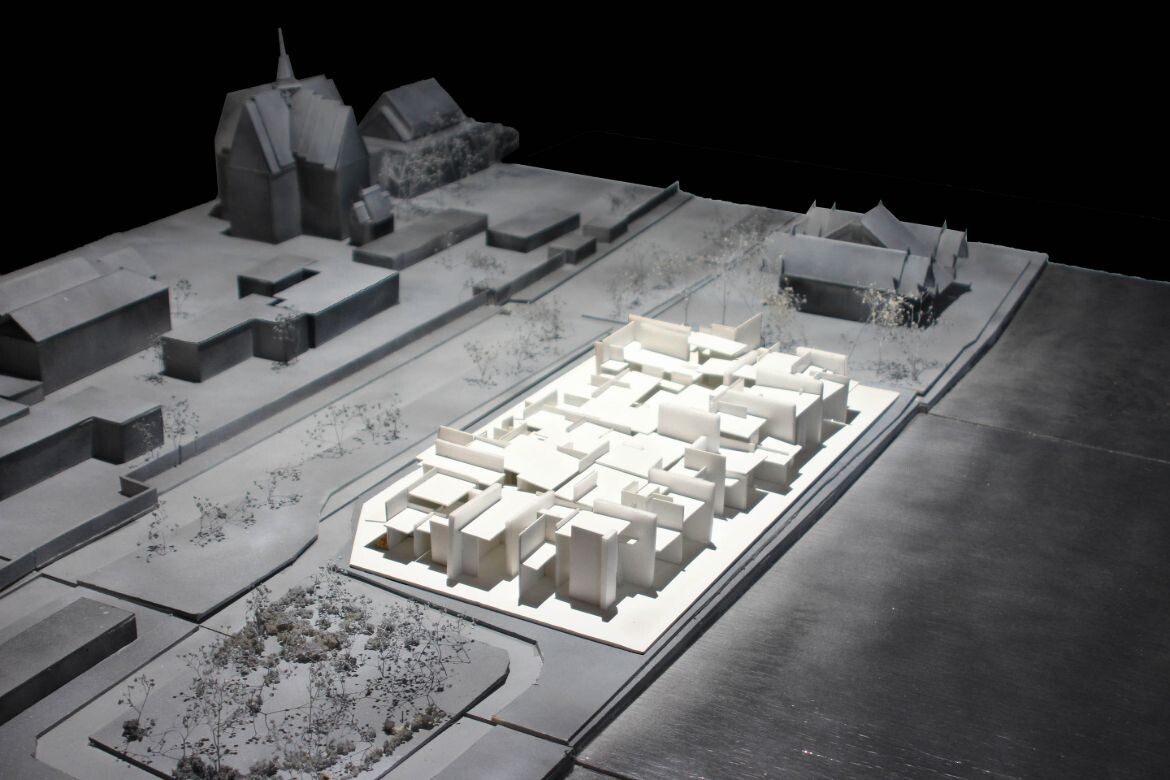
By focusing on these iconic locations, students explored the interplay between tradition and modernity, investigating how contemporary architecture can respond to and coexist with the city’s rich historical context. They examined “Patterns” and employed the process of pattern formation as a strategy to simulate urban spatial forms. Through research diagrams, physical models and architectural drawings, students aimed to develop potential forms in terms of structure, space, materials and more.
The outcome of the design studio culminated in the development of a central theme: “Bangkok Chameleon – Identity in a Shifting, Adapting and Evolving Bangkok.” This theme investigated how the identity of the city is in constant flux, adapting to the needs and desires of its diverse population while maintaining a deep connection to its history and cultural heritage.
Seven students selected keywords that represented key elements of Bangkok’s ever-changing identity. These keywords included shophouses, hawkers, signage, roofs, charn (ชาน), tom yum and trees. Each of these words encapsulate a unique aspect of Bangkok’s rich and diverse cultural landscape, contributing to the city’s distinctive character.
Through this studio, students have gained a better understanding of the city in which they live, there is scope to address challenges and the opportunity to create solutions through architectural practice and Hung has provided his expertise to guide students through the architecture of the future.
Students tutored by Jenchieh Hung And Kulthida Songkittipakdee have entered The Graduate category at the 2025 INDE.Awards which is supported by Colorbond.
HAS design and research
hasdesignandresearch.com
Photography
Courtesy of HAS design and research
INDESIGN is on instagram
Follow @indesignlive
A searchable and comprehensive guide for specifying leading products and their suppliers
Keep up to date with the latest and greatest from our industry BFF's!
The internet never sleeps! Here's the stuff you might have missed