The home of architecture and design in the Asia-Pacific
Get the latest design news direct to your inbox!

Get the latest design news direct to your inbox!
Presented by Rebuilt
May 6th, 2026
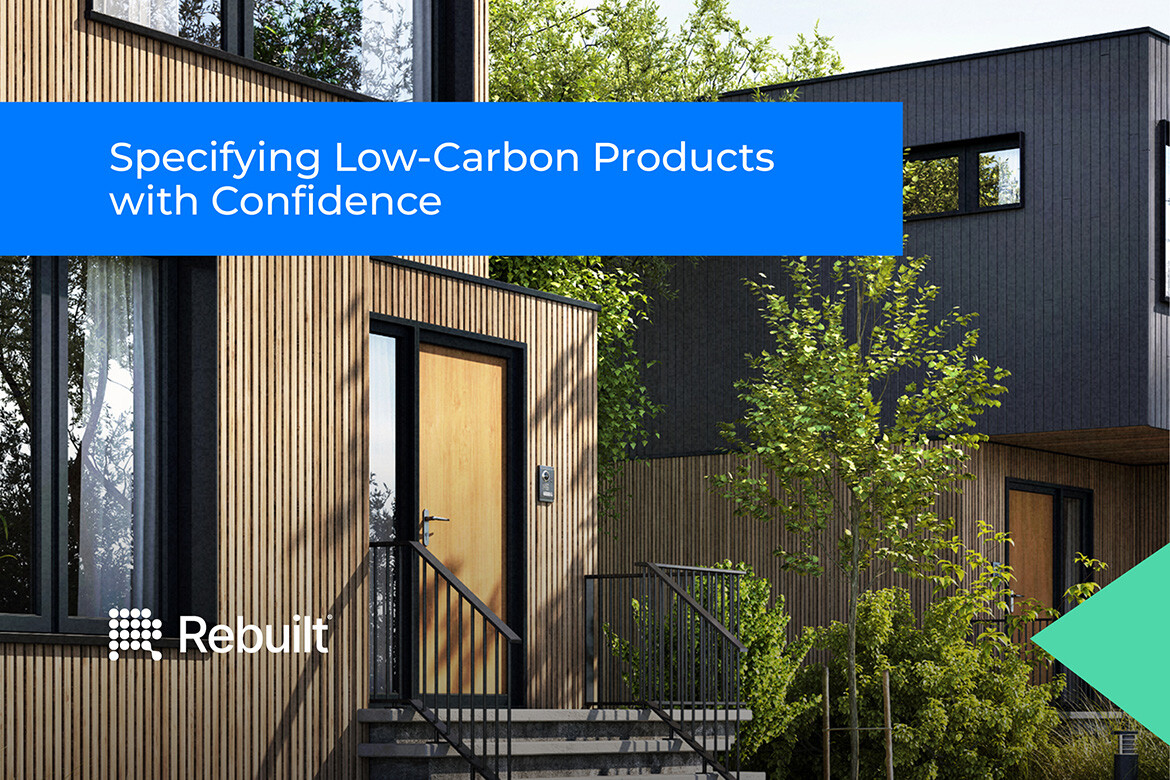
For architects and designers, the pressure to deliver sustainable, low-carbon buildings has never been greater. This session of CPD Live is intended to empower these professionals to navigate the growing demand for carbon transparency and make smarter, more informed material choices.
It will focus on ways to assess, benchmark, and select materials based on carbon impact, and in so doing, to ensure that architectural projects not only meet regulatory standards but are also future proof against climate change.
Beginning by explaining carbon disclosure requirements and the role of the architect in this context, our speaker will outline the similarities (and differences) between Environmental Product Declarations (EPD) and verified Product Carbon Footprints (PCF); highlight ways to integrate carbon disclosure tools into projects; and more.
By the end of this session, attendees will be equipped with the tools they need to benchmark materials, make data-driven decisions, and select the most sustainable options for their design projects.
At the end of this presentation, you should be able to:
INDESIGN is on instagram
Follow @indesignlive
A searchable and comprehensive guide for specifying leading products and their suppliers
Keep up to date with the latest and greatest from our industry BFF's!
The internet never sleeps! Here's the stuff you might have missed