The concept of sustainable design is a layered one, but timeless character is certainly one of its defining qualities. However, the pursuit of longevity often clashes with the cycle of design trends that demand we constantly move on from concepts, processes and materials to chase what’s en vogue instead. This can compromise both authenticity and the responsible use of natural resources.

“The relentless pursuit of ever-changing trends has led to overexploitation of certain wood species, disregarding the rich diversity of natural resources available,” explains Rocio Perez-Inigo, Director of Communications at American Hardwood Export Council (AHEC).” Moreover, trends that prioritise flawless, uniform appearances incentivise practices that may compromise the integrity and resilience of forests and ecosystems.”
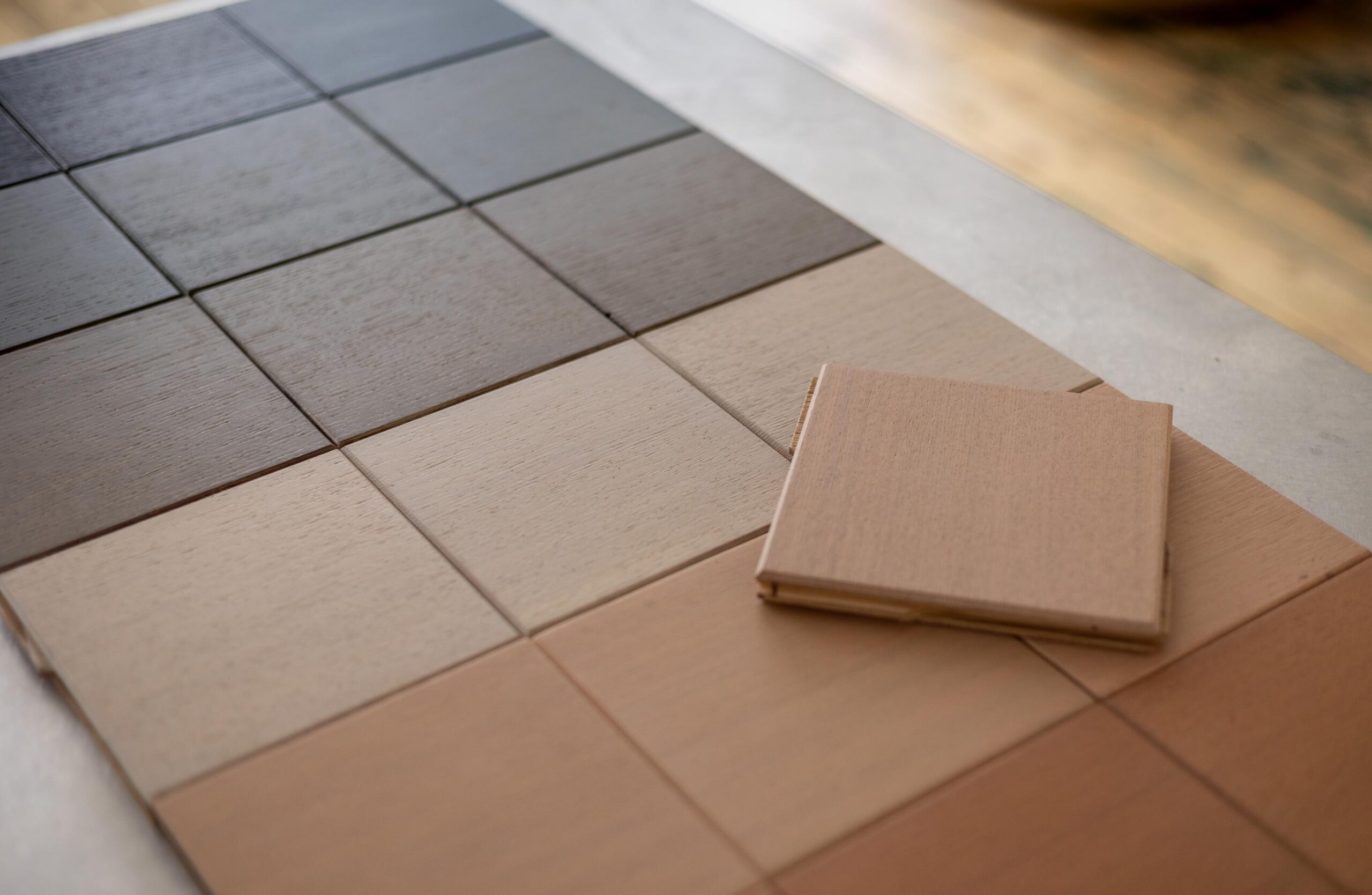
While some natural resources become overused, plenty of beautiful abundant options are going underappreciated and underutilised. American maple is one of these materials. Known predominantly as a primary source of maple syrup, American maple is dense and durable, and boasts lovely creamy white colouring. However, in spite of its delicate palette and stunning fine grain, this valuable wood is heavily underused. So, to draw attention to a broader problem this example is symptomatic of, AHEC used Milan Design Week’s creative platform to shine a spotlight on this beautiful, versatile species.

To encourage a crucial paradigm shift towards a more holistic understanding of materials, AHEC commissioned two designers and Milan Design Week debutants – artist and architect Giles Tettey Nartey, and Parti, an interdisciplinary studio founded by Eleanor Hill and Tom Leahy – to create new works in American maple. The initiative – supported by Jan Hendzel Studio – saw each designer use maple as a starting point for creative exploration that delved into the material’s inherent qualities, and honoured the charm and authenticity of their imperfections as part of their collections.
The resulting bodies of work, displayed as part of the “Class of ’24” exhibition at the Triennale di Milano, presented two distinct renditions of this valuable wood – each integrating the material’s inherent properties into the design, and showcasing its outstanding versatility. Giles Tettey Nartey’s “Communion” table is a functional artwork that pays homage to Ghanaian culture and culinary traditions. Giles leveraged American maple’s reassuring density and durability to redefine preparation of fufu – a culinary staple in West Africa – as a shared practice, and reimagine the act of pounding cassava as a communal performance. The table’s design explores the potential of the wood through features like dents, grooves, bowls, and bumps which – collectively – read as a practical and intimate celebration of the beauty of everyday rituals, and the emotional connection between people and objects.

Demonstrating a different side of this hardy timber, Parti’s “Pirouette” collection pushes the boundaries of the material and CNC machining to create sculptural furniture inspired by the fluid movement of fabric. Evoking a gentle sense of lightness and dynamism, the collection leverages maple’s exceptional density in achieving the complex geometrical forms. “For us, it’s about balancing traditional joinery methods with pushing the capabilities of digital machining,” explains Jan Hendzel, founder of Jan Hendzel Studio, who collaborated with Parti on the project. “In these projects, we are celebrating the use of American maple, a beautiful creamy white, very hard, dense-grained timber, with an almost illustrative grain patterning. The challenge for us is in mastering how far we can push it.”

The collections’ highly considered intricate forms and tactile surfaces highlight the outstanding potential for innovation that comes from embracing unconventional materials in the early stages of the design process. And while the two bodies of work are very different, the underlying message is the same: embracing the abundance of diverse natural materials with intentionality, foresight, imagination and curiosity is a pathway to sustainable, authentic and unique design outcomes.
What practical lessons can the design industry glean from this inspiring initiative? To truly embrace sustainability, we should prioritise renewable, responsibly sourced natural materials and recognise them for their inherent qualities and imperfections. This requires taking time to intimately understand the material, and integrate it early on to unearth its transformative potential. By encouraging the industry to prioritise resource diversity, and celebrate the inherent beauty of underutilised hardwoods like American maple, AHEC is inviting designers to see quirks and imperfections as inspiration, abundance and accessibility as an invitation – and rejection of fleeting trends as an opportunity to foster authenticity, regeneration and a more resilient future.