The home of architecture and design in the Asia-Pacific
Get the latest design news direct to your inbox!

Get the latest design news direct to your inbox!
Research led design from Herman Miller again sets a new benchmark in smart office furnishings
April 23rd, 2013
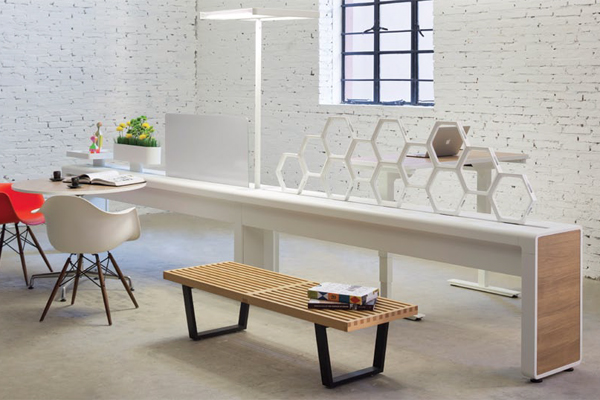
When it comes to the commercial workspace, with the growing focus on hot-desking and activity based work practices, we hear a lot about “versatility” and “flexibility” – rarely is it demonstrated so innovatively as it is with the new Arras Spine from Herman Miller.
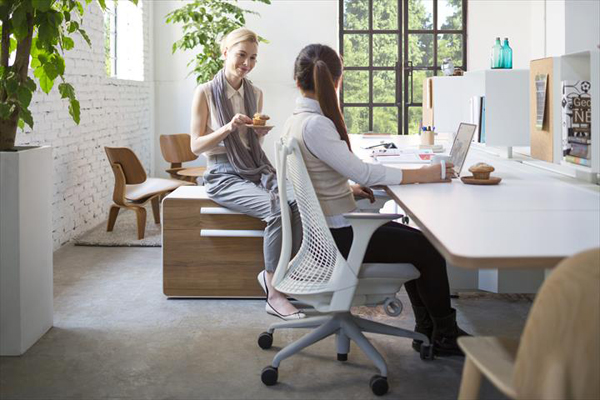
Time and again proven as leaders in the field of workplace reinvention, the next generation of the Arras desking system strives to facilitate heightened productivity rather than dictate work practices.
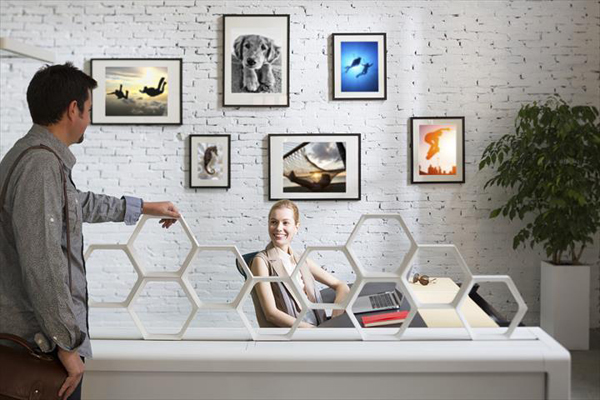
Designed by Marc Fong specifically for the Asia Pacific market, the original Arras system directly responded to the needs of the region. Taking this successful program one step further, the Arras Spine expands on Herman Miller’s learnings from extensive research to offer a modular, enabling suite of products.

As the name would suggest, the genius of the Arras Spine hinges on the communal channel that links various components – promoting collaboration whilst supporting adaptability.
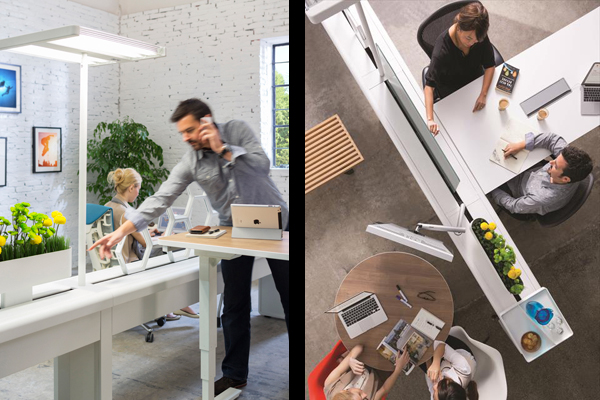
With a focus on interactive and behavioural fluidity, the Arras Spine affords the user the opportunity to quickly and easily adapt the space, to rearrange and reconfigure the sum of its parts to best perform for them there, in that moment.
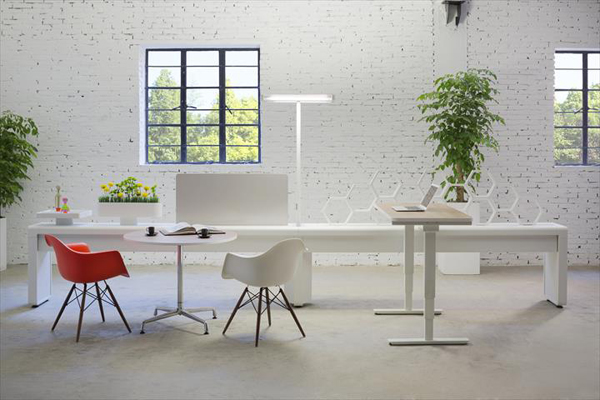
Not content solely defined by its practicality, Herman Miller’s Arras Spine also presents immaculately. With smooth lines, rounded corners and a palette of inspiring colours to choose from, Arras Spine shrugs the ‘traditional’ office aesthetic with timbers, planting options and an environmental consideration that allows for full disassembly with no components chemically bonded.

Functionally, the spine powers up each work environment by supporting lighting, digital display screens, power outlets and connectivity.
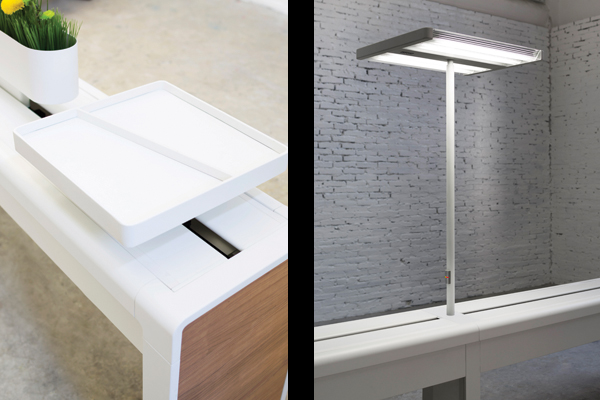
Where the demands on the worker are not rigid or predictable, the capabilities of the Arras Spine will ensure complete control over their domain.
Herman Miller
INDESIGN is on instagram
Follow @indesignlive
A searchable and comprehensive guide for specifying leading products and their suppliers
Keep up to date with the latest and greatest from our industry BFF's!
The internet never sleeps! Here's the stuff you might have missed