Director Farrokh Derakhshani joins STORIESINDESIGN podcast from Geneva to talk about the wide-ranging Aga Khan Award, which in 2025 awarded $1m to a series of winners with projects from China to Palestine.

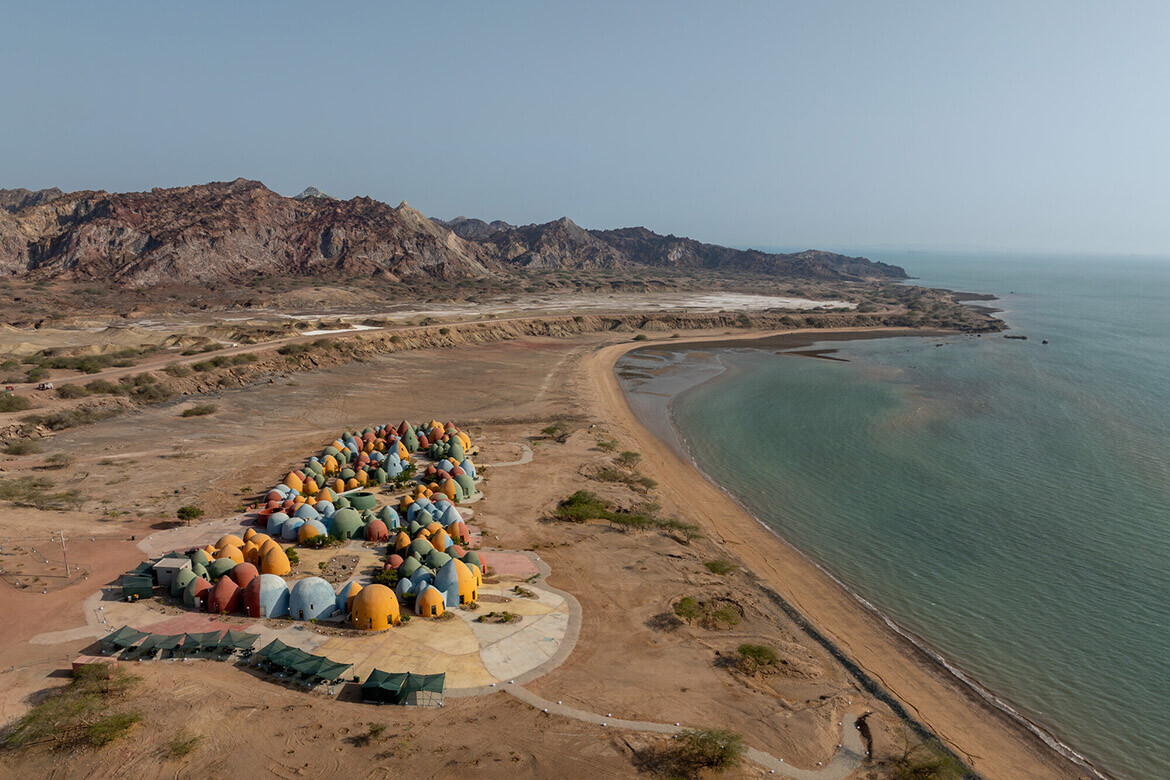
Majara Residence and Community Redevelopment by ZAV Architects, photo by Deed Studio.
December 8th, 2025
The Aga Khan Award for Architecture (AKAA) was established in 1977 by His late Highness Prince Karim Aga Khan IV with the aim of identifying and encouraging building concepts that successfully address the needs and aspirations of communities in which Muslims have a significant presence. Three guiding values shaped the Jury’s process and selection: transcendence, pluralism and progress. The latest round of winners were announced earlier in 2025 – read about the full list of projects here.
Related: Kengo Kuma on STORIESINDESIGN
To discuss these projects and the history of the Award overall, Farrokh Derakhshani – Director of the AKAA – joins STORIESINDESIGN from Geneva. Indeed, the AKAA is nothing if not global in scale. More particularly, it brings a refreshing spotlight on to projects from across the Global South, with this year’s joint seven winners showcasing work in Iran, Palestine, Bangladesh, China, Egypt and Pakistan. The 16th cycle’s prize-giving ceremony was held at the Toktogul Satylganov Kyrgyz National Philharmonic in Bishkek, Kyrgyz Republic on 15th September.
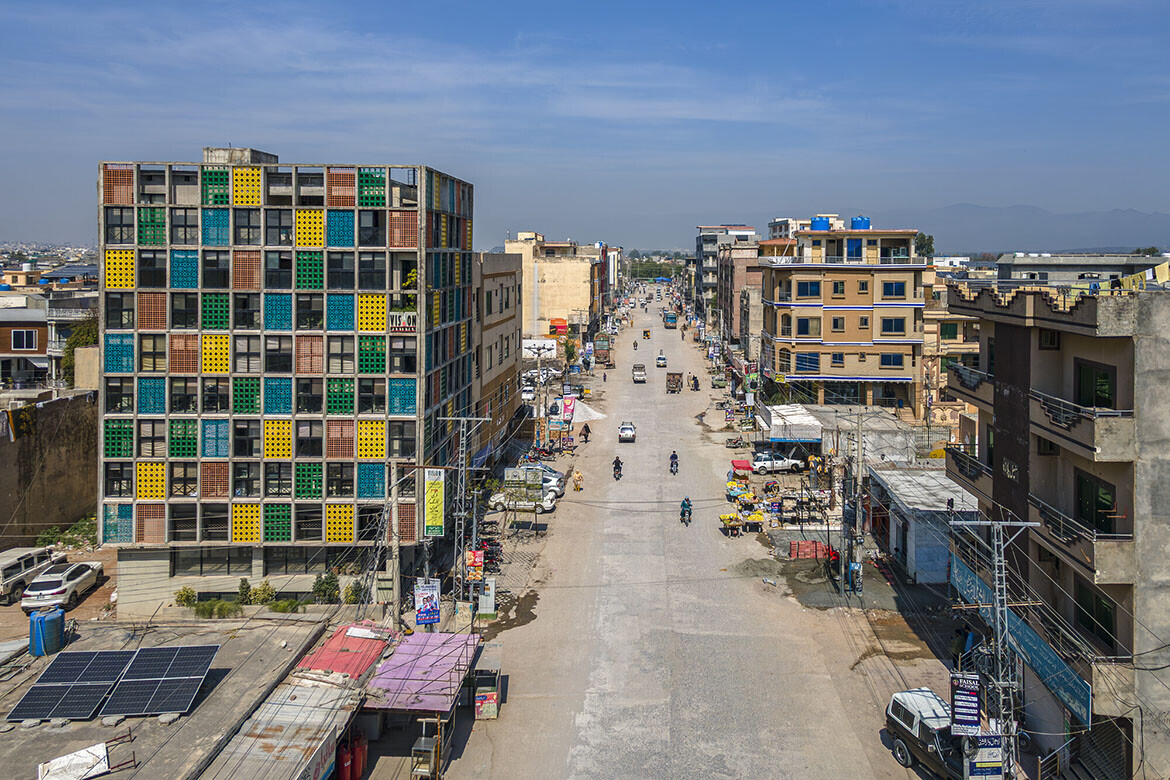
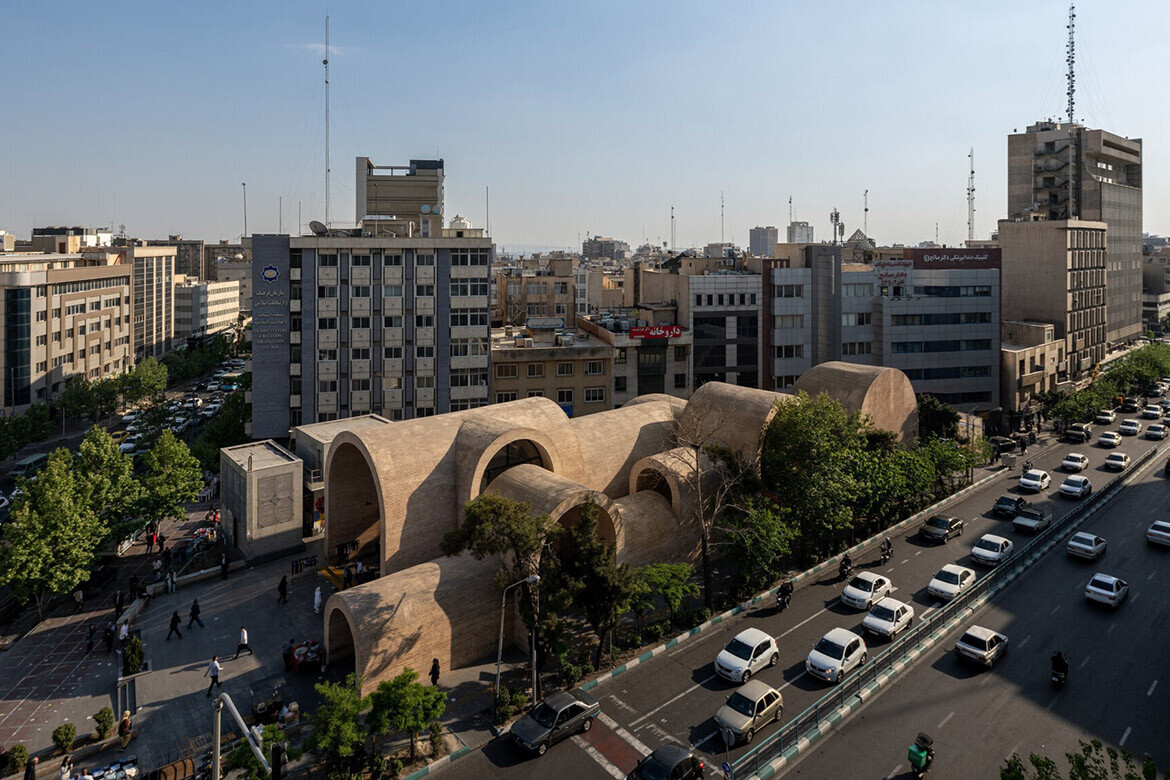
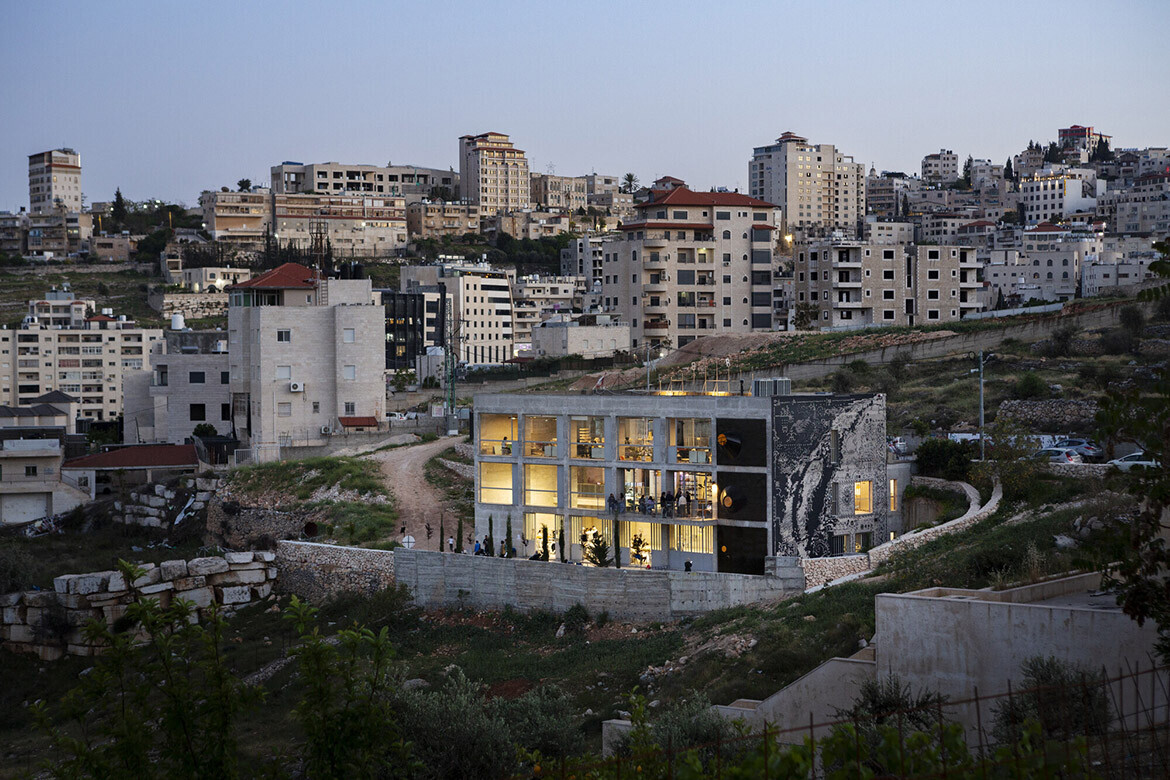
During the conversation, Derakhshani explains what the Award focuses on and how its selection process unfolds. Spoiler alert: the AKAA is deeply concerned with community and involves a rigorous judging process.
Aga Khan Award for Architecture
the.akdn
INDESIGN is on instagram
Follow @indesignlive
A searchable and comprehensive guide for specifying leading products and their suppliers
Keep up to date with the latest and greatest from our industry BFF's!
When Italian furniture maker, Pedrali partnered with design studio, Formafantasma, the collaboration was always going to result in something both elevated and imbued with impeccable detail and flair.
Developed by bangdesign for Stylecraft, Kinn is an Australian-made collection of seating and occasional tables, shaped by modest proportions, practical detail and the changing demands of shared interiors.
At 3daysofdesign 2026, AHEC’s immersive exhibition traced the journey of American hardwood from forest to finished product.
The Geelong College’s Sport and Wellbeing Centre ‘Belerren’ designed by Wardle is designed around bringing in natural light. But Shade Factor’s job was to help modulate and precisely control it for the most important competitive moments.
In the very heart of Sydney’s CBD, 1 Elizabeth is a vast civic-scale project that integrates workplace design, transport infrastructure, event spaces, and hospitality around some dramatic void spaces.
Curator Ewan McEoin tells us about the NGV’s new exhibition on plant-based materials as alternatives to plastics, synthetic materials and other non-renewable resources.
The internet never sleeps! Here's the stuff you might have missed
Ahead of Saturday Indesign, architects reflect on why smaller gatherings, unexpected voices, candid discussion and meaningful follow-up can make meeting in person genuinely worthwhile.
The Australian Institute of Architects’ (AIA) 2026 National Architecture Awards Shortlist has been revealed, showcasing some of the country’s best new homes, buildings and community spaces before the winners are announced in October.
The magnetic pull of certain spaces comes down to how seamlessly they work and, more importantly, how they feel. Recognising this, Kettal Workplace draws on the uplifting codes of other sectors to deliver contemporary workplace design.
After two decades of creative partnership, Kim Colin and Sam Hecht of Industrial Facility step into a joint role as Herman Miller’s Global Creative Directors – a reminder that the brand’s ethos isn’t defined solely by their products, but also by the quiet thread of thought that shapes the space in-between, crafting a purposeful, human-centric and enduring trajectory.