The home of architecture and design in the Asia-Pacific
Get the latest design news direct to your inbox!

Get the latest design news direct to your inbox!
Curator Ewan McEoin tells us about the NGV’s new exhibition on plant-based materials as alternatives to plastics, synthetic materials and other non-renewable resources.
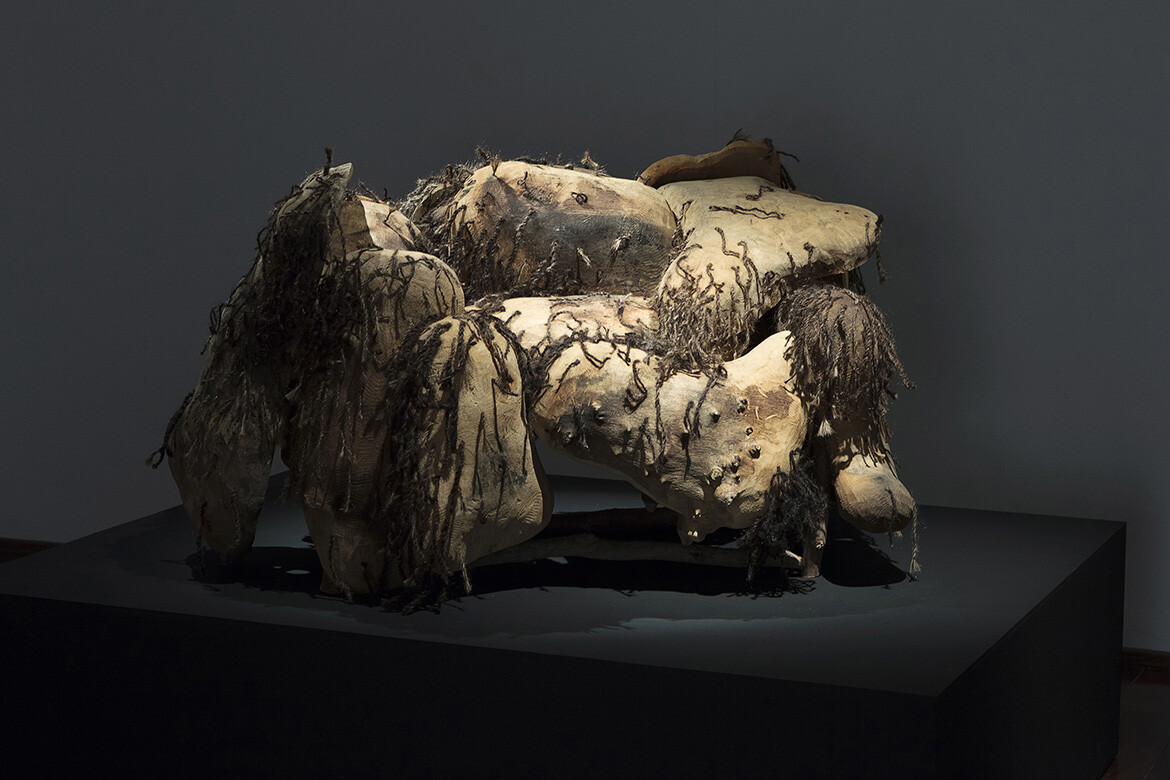
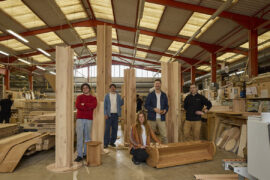
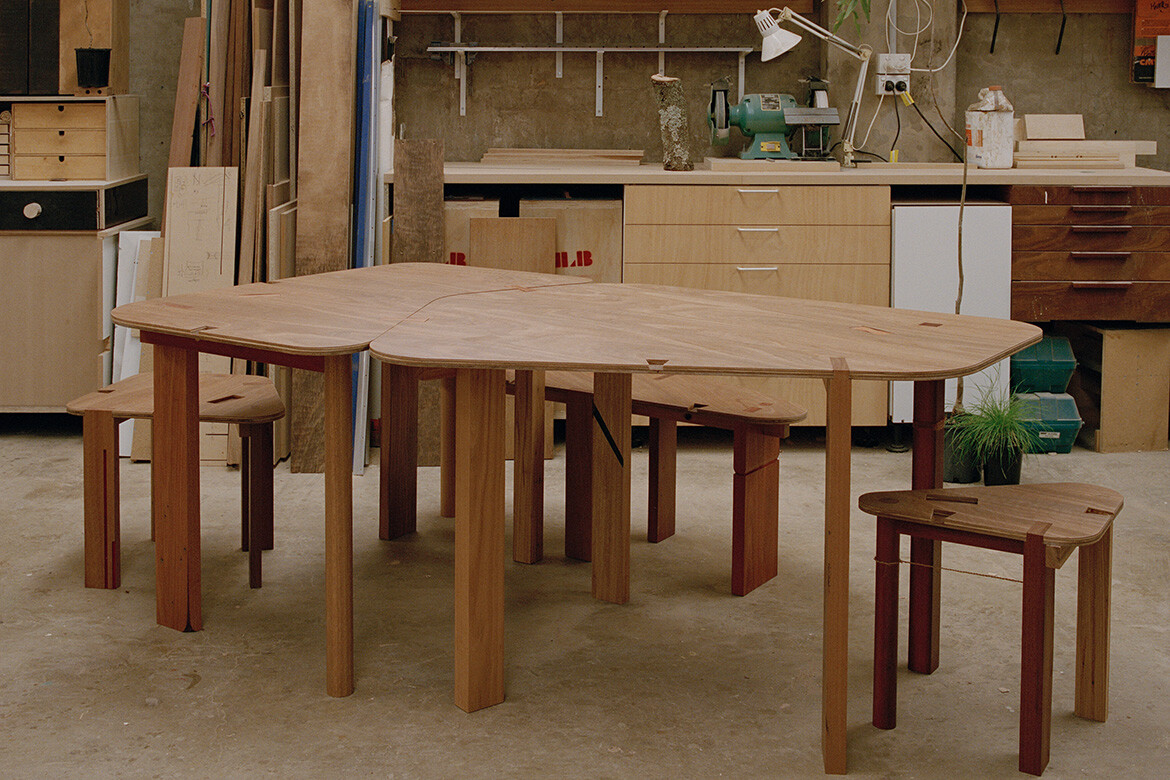
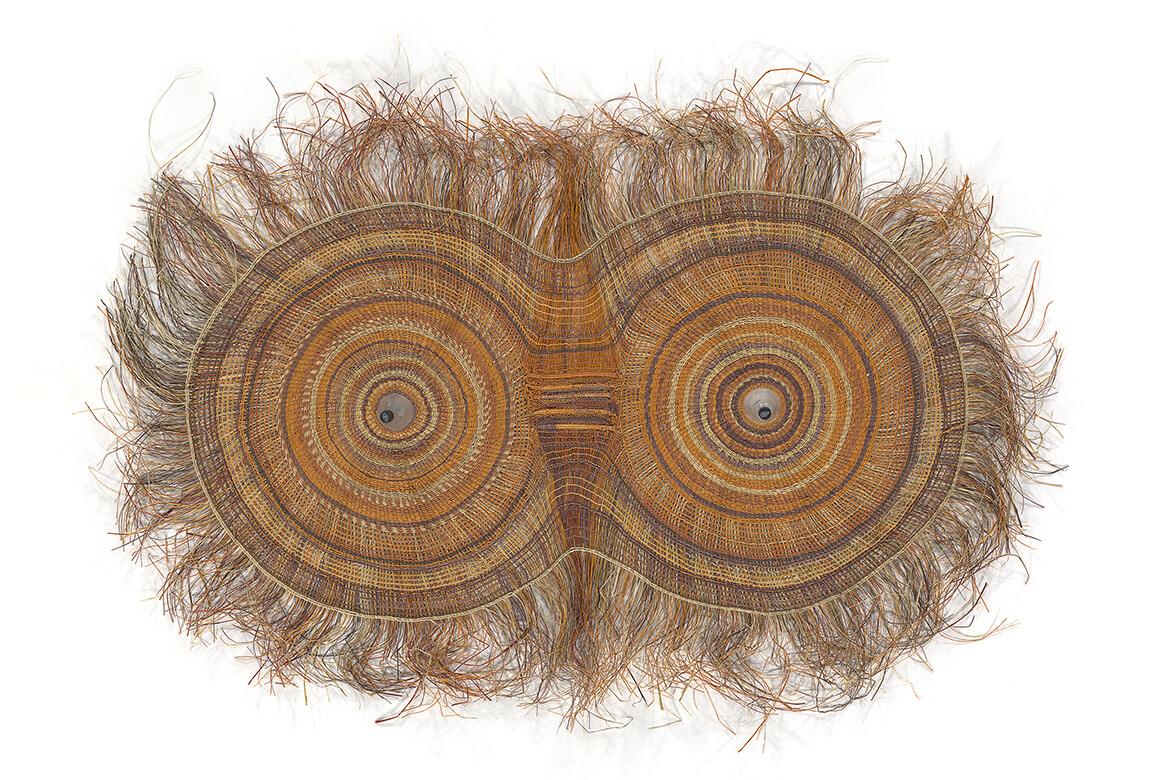
Rita Minga (designer and artist), Johnny Nargoodah (designer and artist), Trent Jansen (designer), Gene Tighe (designer and artist), Elsie Dickens (designer and artist), Duane Shaw (technician, designer and artist), Illiam Nargoodah (technician, designer and artist), Myarn Lawford (designer and artist), Eva Nargoodah (designer and artist).

August 20th, 2026
“We’re observing a shift”: Ewan McEoin’s is a stark turn of phrase, one that hints at a sense of occasion in this high-stakes moment of climate crisis and the generalised feeling that design (and society more broadly) is moving out of one dying paradigm and into another still struggling to be born. “The shift is interesting and, as a design curator, I want to accelerate that shift. I want more people to understand what materials are available to them if they’re making or designing furniture, interior fit-outs, architecture [and so on],” adds the National Gallery of Victoria (NGV)’s Senior Curator in Contemporary Design and Architecture.
The shift in question is, in a word, about materials. What we design and build with, where they come from and, crucially, what happens to them after the initial use they’ve been designed for. Plant Life: The Nature of Design at The Ian Potter Centre: NGV situates itself at this juncture, examining plant-based materials as alternatives to plastics as well as synthetic materials and other non-renewable resources.
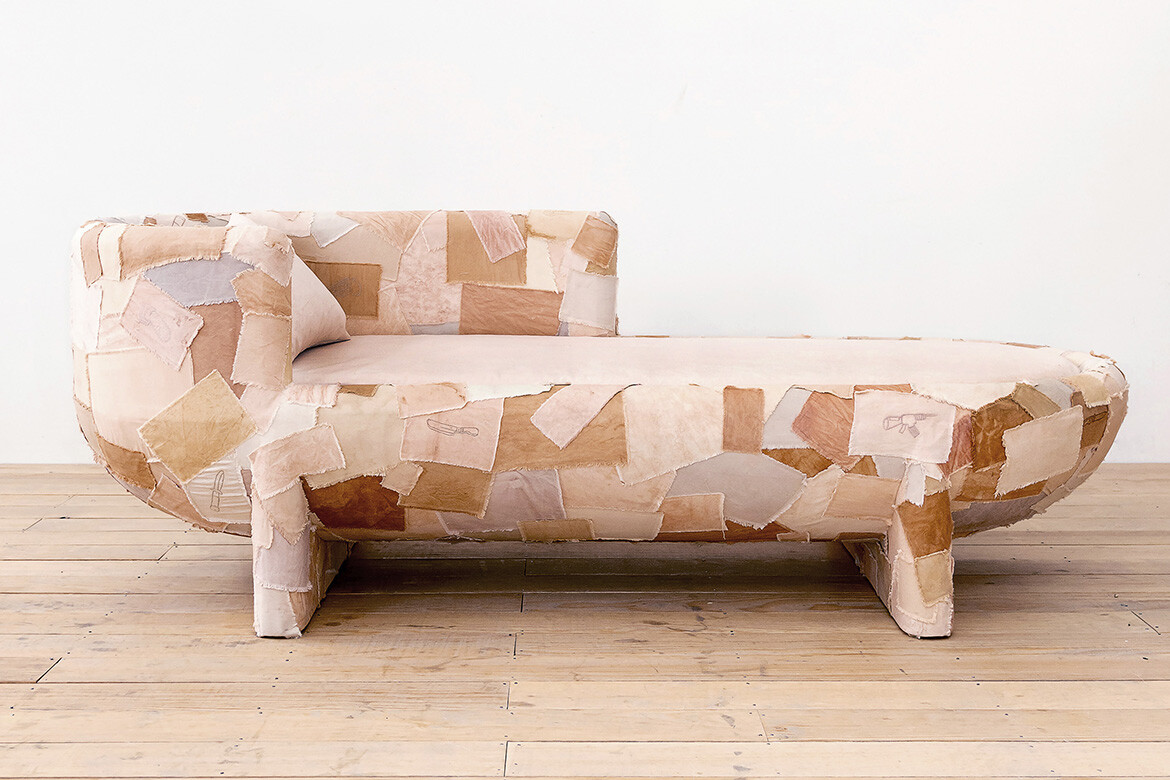
Plant Life builds somewhat on Making Good, a previous NGV exhibition that “basically looked at the redesign of everyday things,” explains McEoin.
“The simple proposition of that show was that, when you look carefully, we are methodically going through a process of redesigning many of the things in the world based on circular design, but also social inclusion and other things. And in that research, I became increasingly aware of a lot of new plant-based materials coming into the material ecology of design.
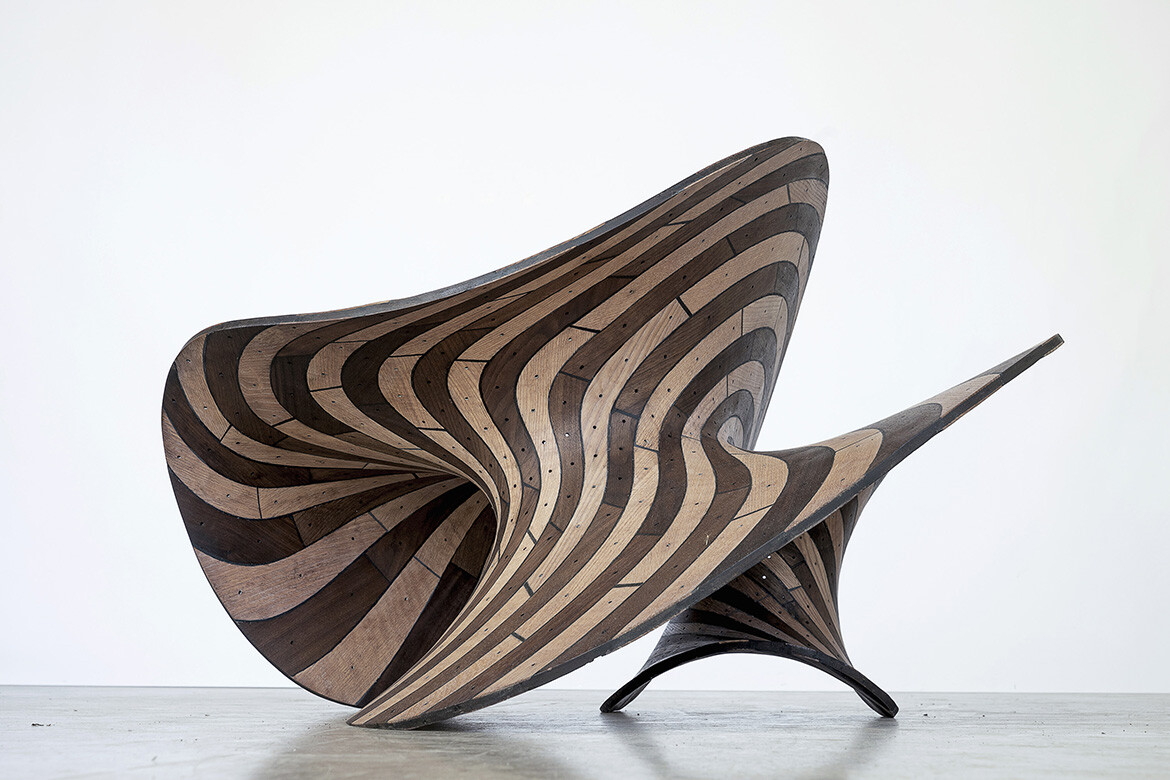
“My observation was that there’s enough of this material coming into the system to send a signal that we’re pivoting away from fossil fuel-based materials — that we’re sort of beginning a journey into a whole new material world.”
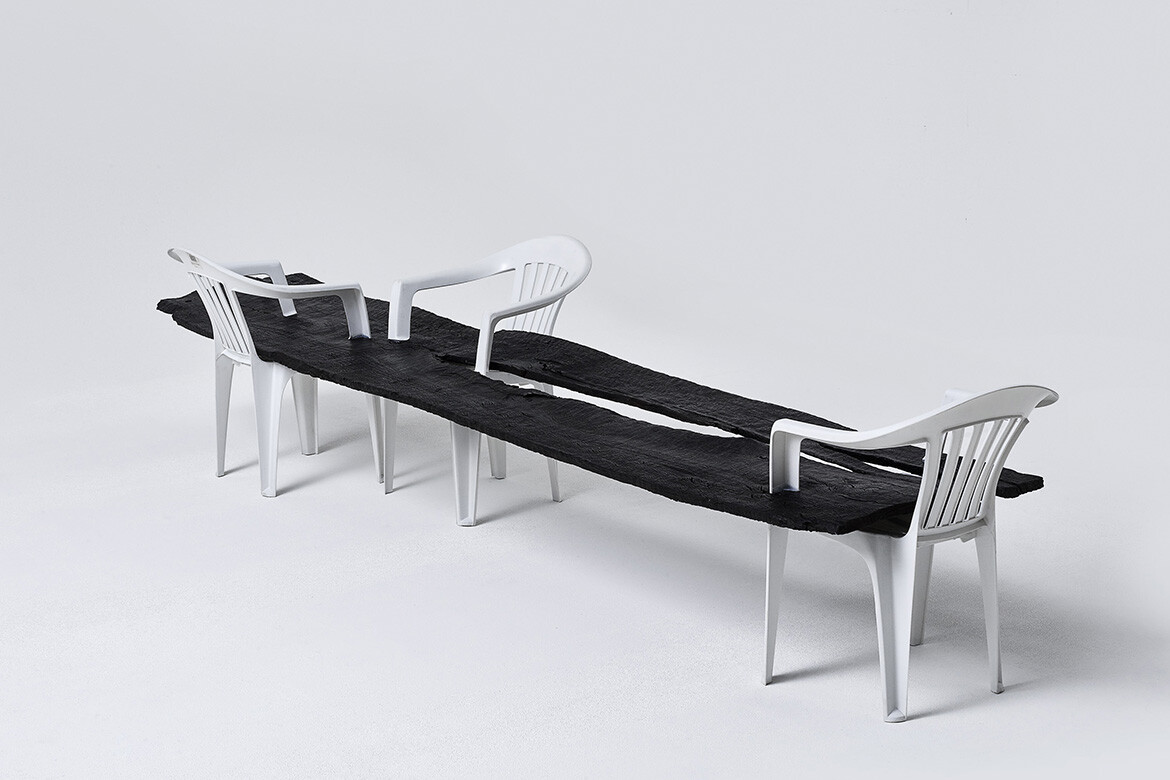
Refreshingly, then, Plant Life is aiming to avoid vague platitudes on ‘sustainability’, instead raising highly specific and pertinent questions of circular economy, traditional knowledge and material experimentation. The exhibition brings together more than 60 works across furniture, architecture, decorative arts, craft, photography and film. They include works from the NGV Collection, more recent acquisitions, international loans and a new commission developed by an RMIT University bio-design team, while designers such as Formafantasma, Joris Laarman, Crafting Plastics, EAST Architecture Studio, Kate Scardifield, Ed Linacre and Broached Commissions will be part of the show.
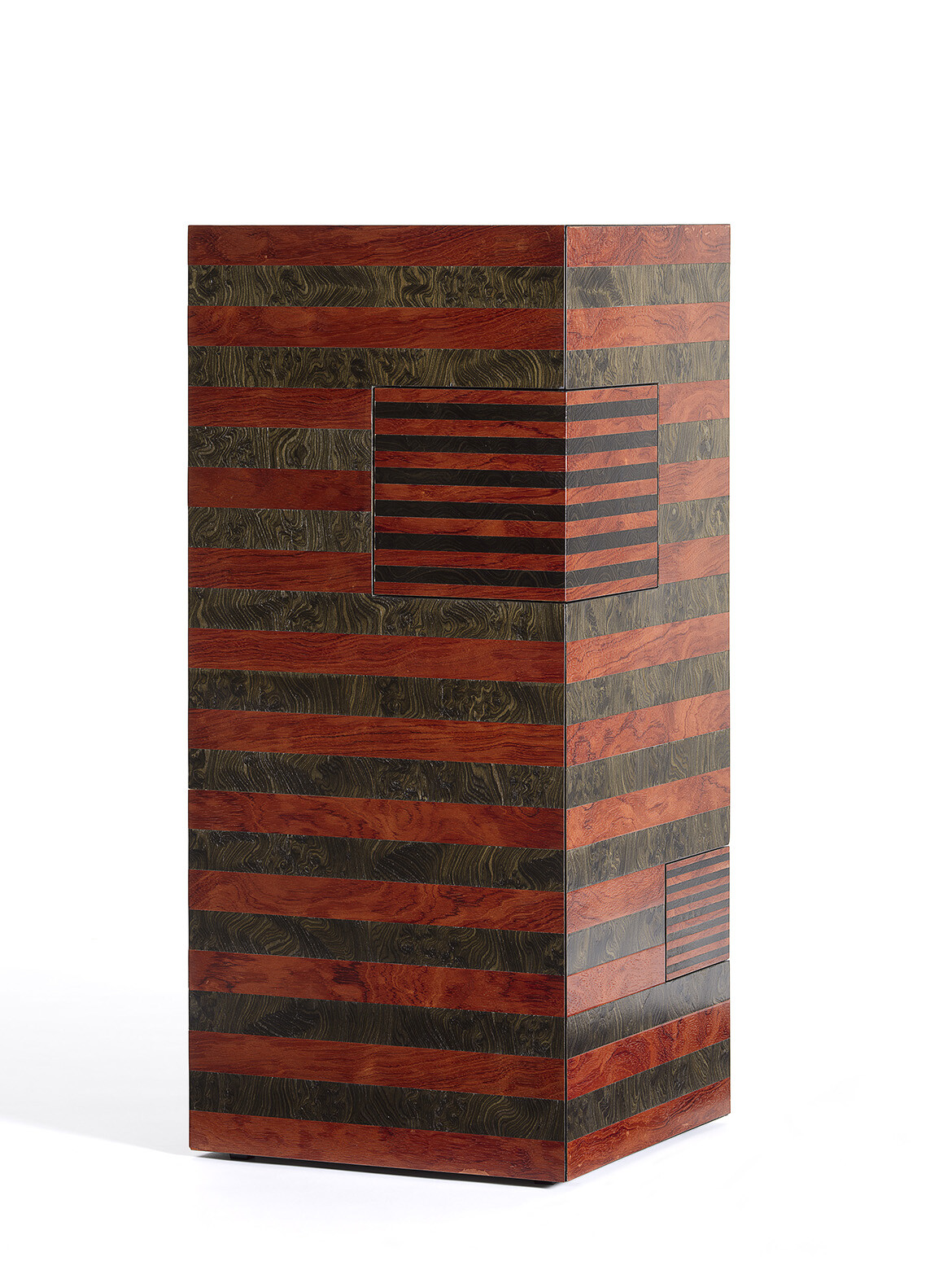
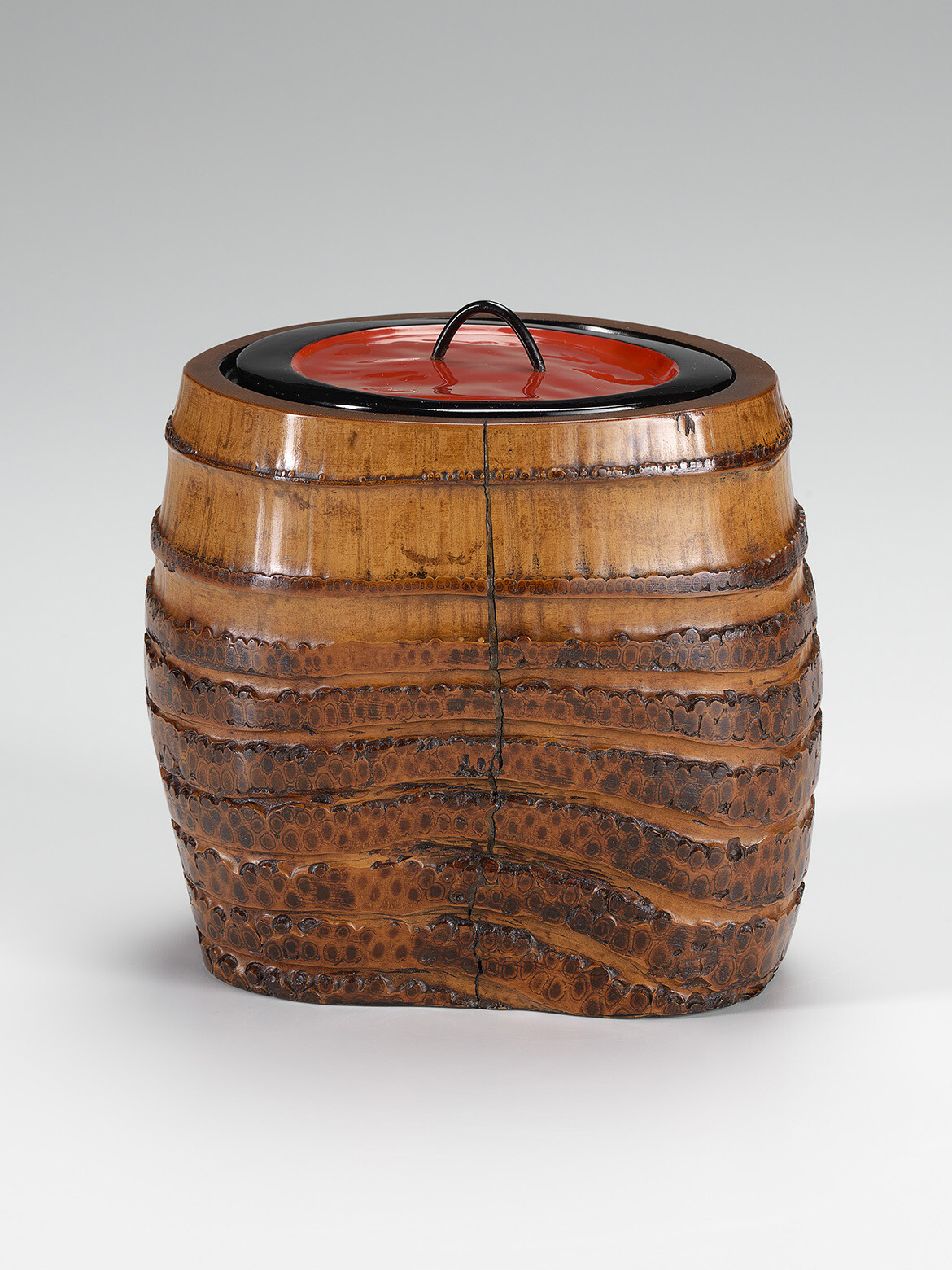
While thinking in terms of ‘non-extractive design’, McEoin asks audiences to think about new problems, such as the scale of production. “We started the show on the principle of it being all about new, future-focused, plant-based materials,” he explains. “In doing that, we realised that we also needed to be careful about tying it back to history, because I’m interested in the unintended consequences of anything at scale. If the simple proposition is that the twenty-first century might [see] a new focus on plant- or bio-based materials, then we need to have conversations about where those things are coming from.”
While the exhibition looks at material experimentation, it also seeks to draw on the longstanding material knowledge of First Nations practitioners as well as a relational, non-extractive approach to source materials. Plant Life features works involving bull kelp, grass, tree bark, bamboo and plant-based fibres, while display structures will be fabricated using hemp hurd board and bio-resin.
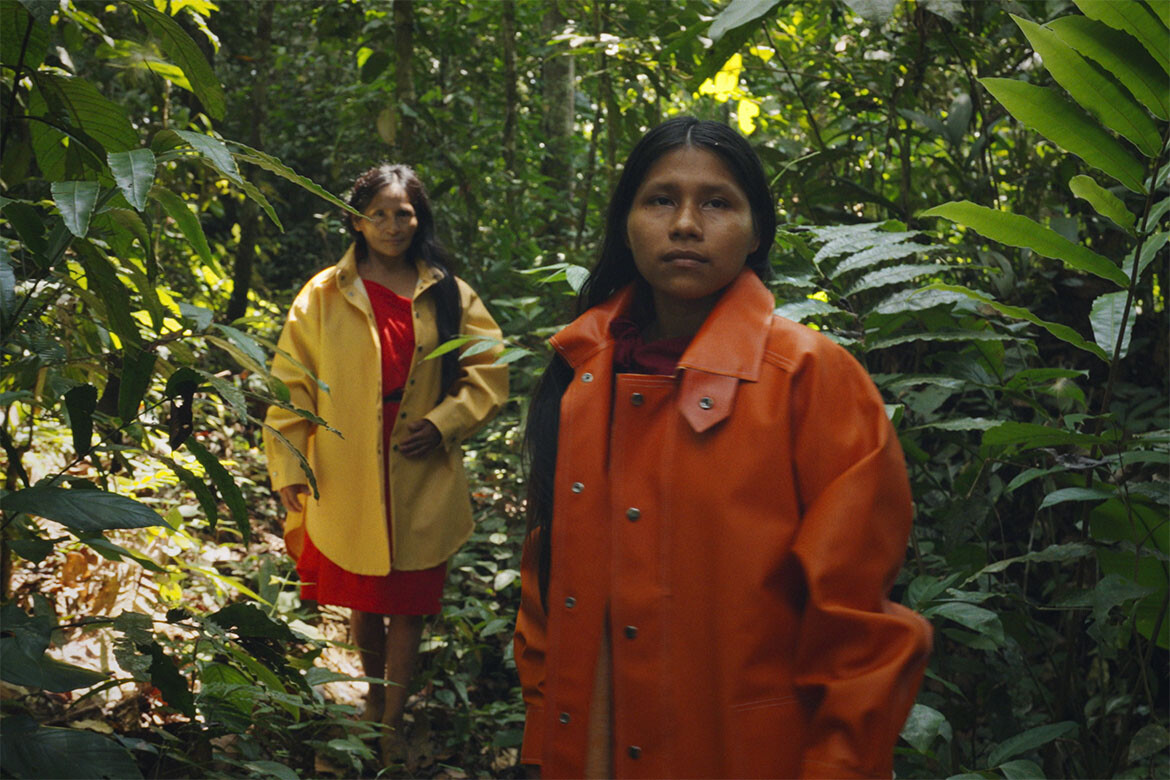
“When I talk about Indigenous knowledges or First Peoples design, that’s an ongoing practice. For a lot of those peoples, the relationship between them and plant species in terms of material culture is relational — there’s a sense of being participants within an ecology… So, there’s this moment where we can no longer only treat plants as a resource, because we need to think more deeply about our relationship to these things,” says McEoin.
The exhibition is organised across four thematic chapters examining the relationship between design, plants and material production. Works include mycelium furniture grown from fungal networks, plant-derived resins, bio-plastics and mycelium-based leather. The RMIT commission, Mycelium Wildfire Jacket, explores fungi-grown materials for protective clothing.
Related: Sydney’s first Coastal Design Assembly
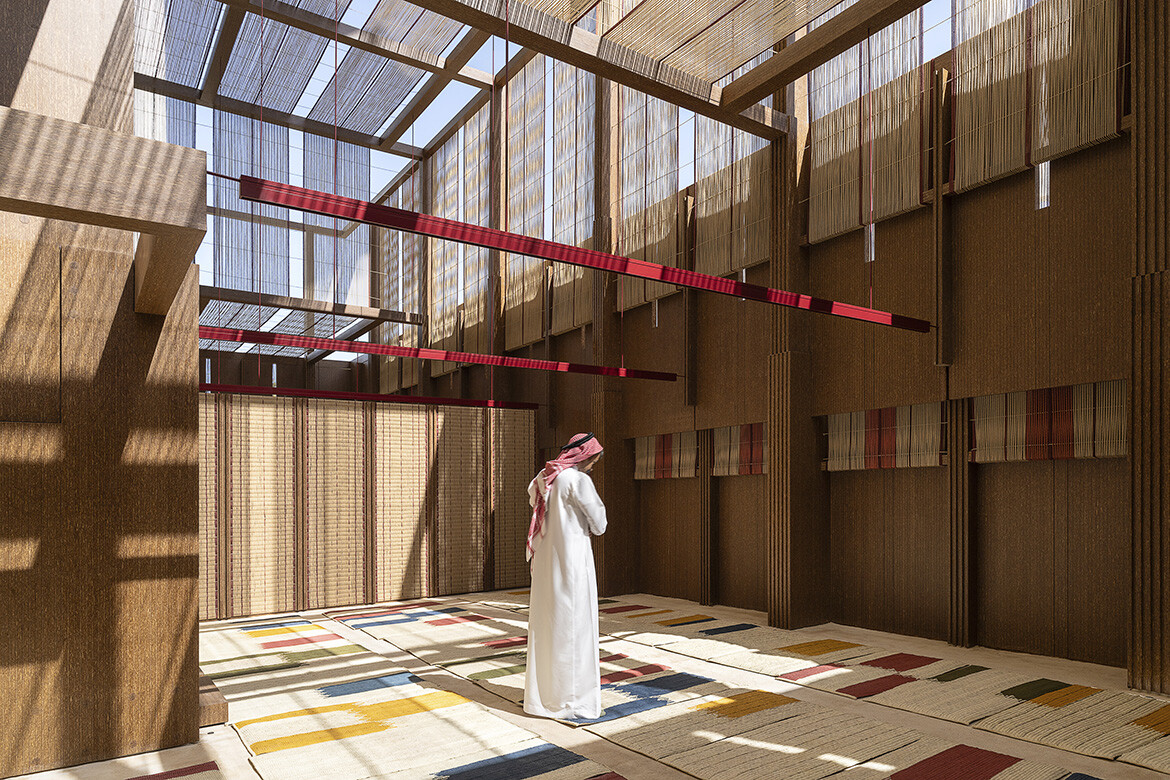
For McEoin, it’s a fundamentally exciting opportunity: “I want people to be excited about the fact that something positive is taking place, and I want people to be curious about that.
“Plants offer amazing pathways forward in terms of architecture and design,” McEoin concludes. “In a way, we’ve forgotten about how amazing plants are, how deeply embedded they are in our cultures, and I’m really interested in just bringing people back to that conversation.”
Plant Life: The Nature of Design is at The Ian Potter Centre: NGV Australia from 28th August 2026 to 7th February 2027.
INDESIGN is on instagram
Follow @indesignlive
A searchable and comprehensive guide for specifying leading products and their suppliers
Keep up to date with the latest and greatest from our industry BFF's!
The internet never sleeps! Here's the stuff you might have missed