The home of architecture and design in the Asia-Pacific
Get the latest design news direct to your inbox!

Get the latest design news direct to your inbox!
The work of artist Michael Johansson creates a beautiful order in chaos and absurdity.
August 12th, 2011
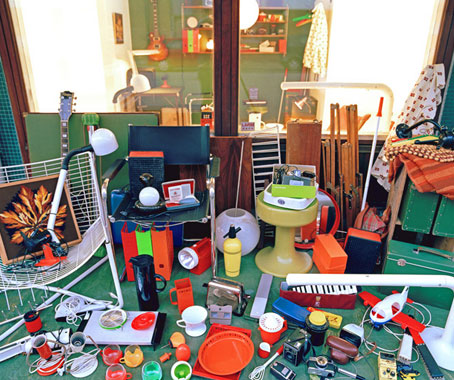
Swedish artist Michael Johansson makes pieces that exist “between deliberate exaggeration and seemingly accidental situation.”
Found objects are stacked and piled together in neat colour-coded constructions, in a way that’s at once efficient and somehow oddly disturbing.
“To pack, to stack, to pile, to put, to collect and organise, to fit and economise – these are the games most of us act out in our everyday lives,” says Johansson.
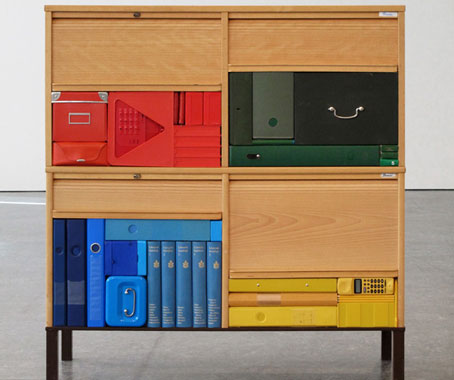
Box Office
“Displaying these actions in a gallery space brings together the “ordinariness of the domestic and the extraordinary and heightened purpose of the artwork in exhibition.”
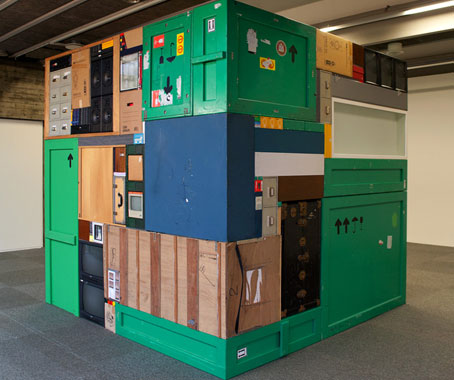
27m3
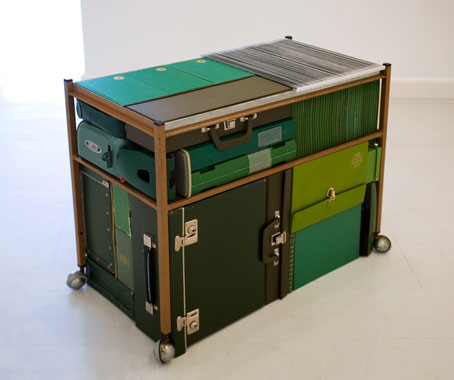
Dagar och namn (Days and names)
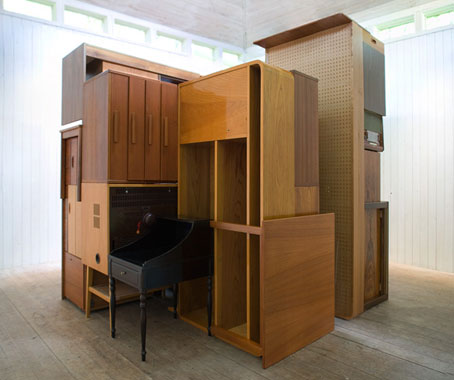
400 nyanser av brunt (400 shades of brown)
A frequenter of second-hand markets, Johansson looks for doubles of discarded objects, finding pattern and coincidence in the most unexpected places. Much of his work reflects these ideas as well.
“I am intrigued by irregularities in daily life,” he says.
“Not those that appear when something extraordinary appears, but those that are created by an exaggerated form of regularity.
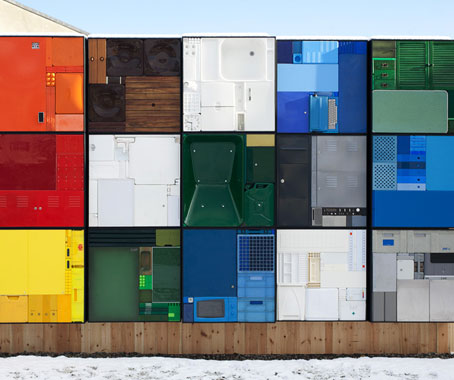
Rubik’s Kurve

Self-Contained
“Colours or patterns from 2 separate objects or environments concur, like when 2 people pass each other dressed in the exact same outfit.
Or when you are switching channels on your TV and realize that the same actor is playing two different roles on two different channels at the same time. Or that one day the parking lot contained only red cars.”
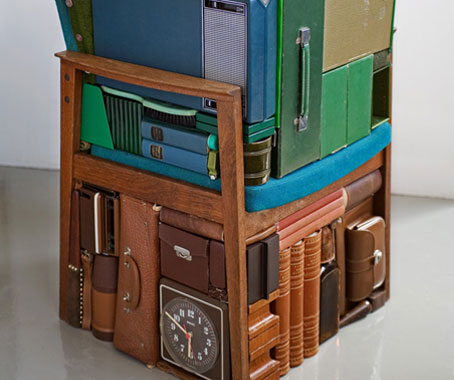
Strövtåg itid och rum (Strolls through time and space)

Packa Pappas Kappsäck (Pack Daddy’s Suitcases)
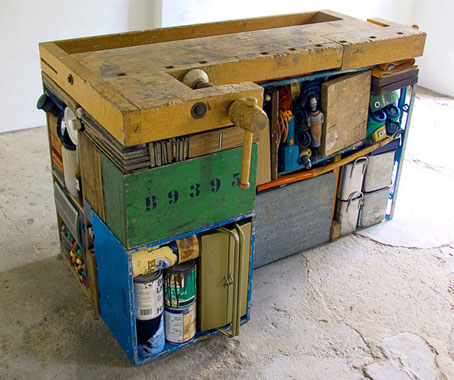
Platsspecifikt (Placed particularly)
Irregularities, coincidences, the familiar and unkown all work together to create an intriguing body of work.
Michael Johansson
michaeljohansson.com
INDESIGN is on instagram
Follow @indesignlive
A searchable and comprehensive guide for specifying leading products and their suppliers
Keep up to date with the latest and greatest from our industry BFF's!
The internet never sleeps! Here's the stuff you might have missed