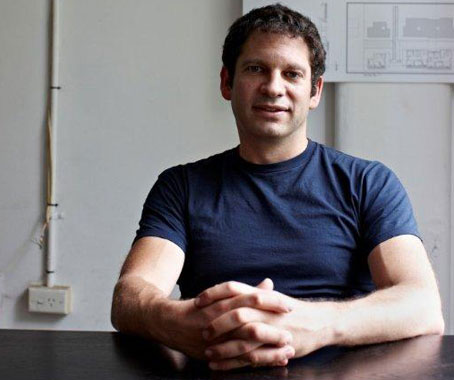
Melbourne-based architect Rowan Opat recently took out the Victorian leg of the Australian Institute of Architects’ Emerging Architect Prize, which he describes as a “validation of what [he’s] done so far.”
“It’s a recognition that the hard work is paying off, and to keep going,” Opat says.
The accolade follows a body of work spanning 13 years – everything from commercial and education to residential, master planning and exhibitions – a diverse range of projects that has seen Opat explore different themes, remaining flexible while he tries to find “good meaningful and economic solutions at the same time; trying to find a balance between the two.”
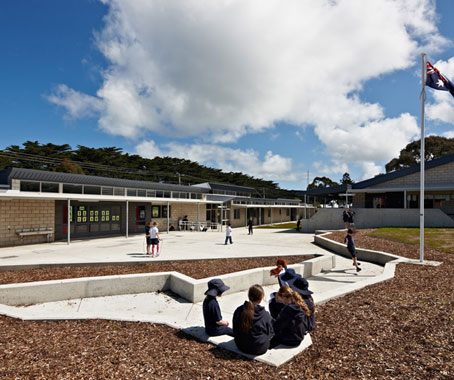
Subtle and restrained, his projects respond to their environments, reflecting the surrounding landscape. Inverloch Primary School, in a seaside village southeast of Melbourne, celebrates its location – an internal courtyard bordering the outdoor assembly area is a literal translation of the nearby coastline.
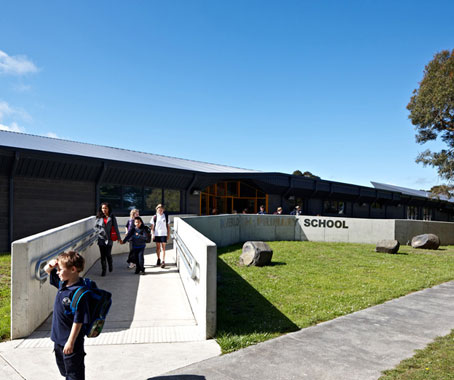
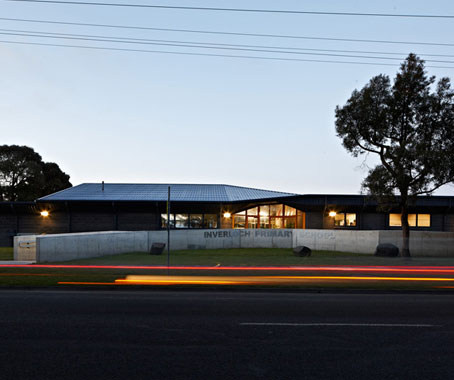
A series of interconnected class spaces encourage as much outdoor as indoor use.

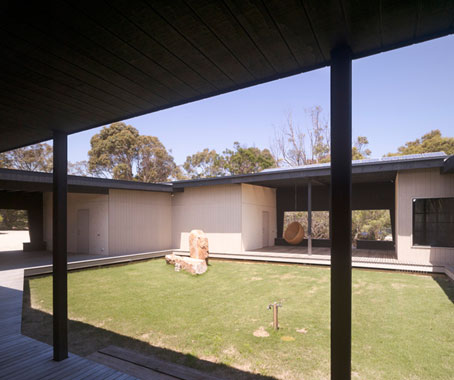
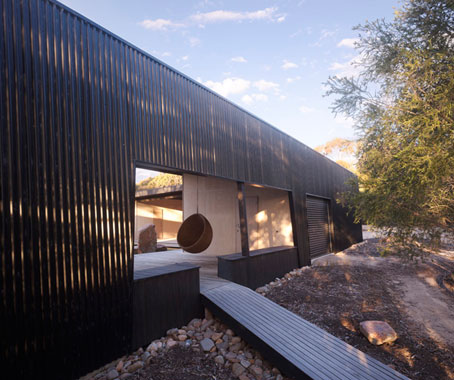
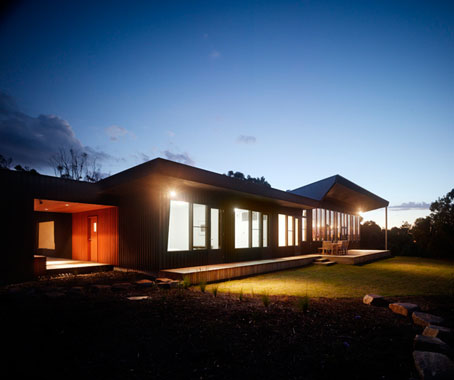
Somers Courtyard House, set in a semi-rural environment outside of Melbourne, also incorporates outdoor spaces as extensions of the indoor living spaces. The house makes the most of natural light and was designed to function independently of public water, gas, sewage and electricity.
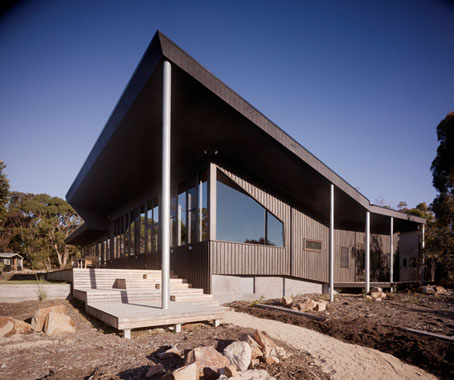
Sustainability is always a consideration in Opat’s work, though he’s quick to point out that this should not be the sole focus of any project.
“It’s just distracting people from being good architects,” he says of the ’sustainable’ tag.
“[A sustainable approach] is a matter of course, and it always has been – nothing has changed. There are more sustainable solutions in the marketplace, but architects haven’t changed the way they do things.”
Opat hopes that the Victorian Emerging Architect award will bring him extra recognition and further bolster his reputation within the industry, though he is happy to keep his practice small and hands-on.
“I’m quite comfortable being small at this stage,” he says, explaining that it allows him to pay a “high level of attention to detail and management” while he continues to take on more work.
Rowan Opat Architects
opatarchitects.com.au