The home of architecture and design in the Asia-Pacific
Get the latest design news direct to your inbox!

Get the latest design news direct to your inbox!
Elana Castle chats to Matt Delroy-Carr, the creative director for Australia at the Venice Architecture Biennale, amongst other things.

September 29th, 2014
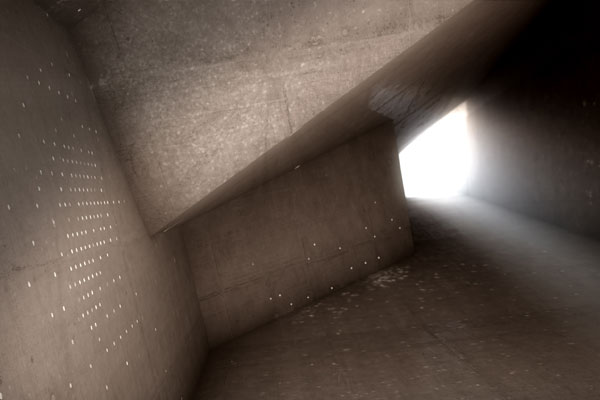
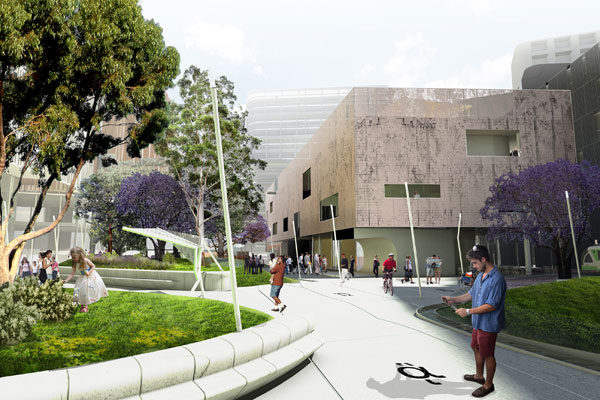
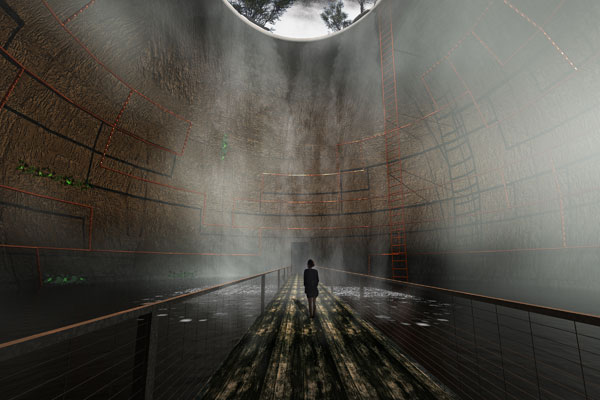
Thrust into the spotlight in his role as a creative director for the Australian exhibition at the Venice Architecture Biennale, it’s become abundantly clear that the youngest Australian to ever take on the task is also a remarkably accomplished industry talent.
“To be given the opportunity, at my age, to curate the majority of the digital content of the exhibition ‘Augmented Australia 1914-2014’, was a phenomenal experience and one I certainly won’t be forgetting any time soon,” explains architect and 3-d visualisation expert Matt Delroy-Carr.


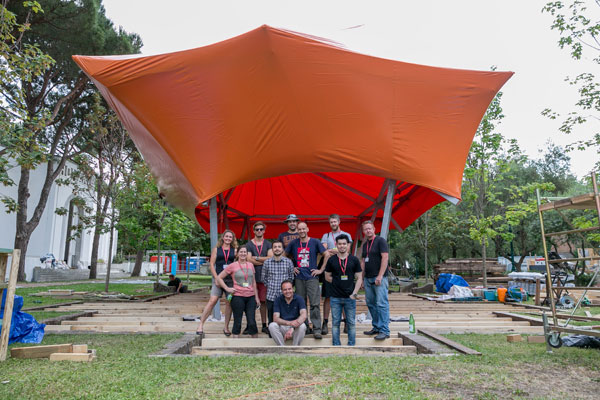
Delroy-Carr was the project’s lead animator, taking on the role of organising the 3D visualisation and computer graphics associated with the 23 architectural projects exhibited at the Biennale. “I certainly wasn’t alone and had an exceptional team of people helping me compile all the animations, a hugely time consuming task which took well over 8000 hours to complete,” he explains.
The self-effacing designer, a graduate of the School of Architecture, Landscape and Visual Arts at the University of Western Australia is also a former partner at the innovative multi-disciplinary design firm felix., the latter forming part of the Biennale design team.
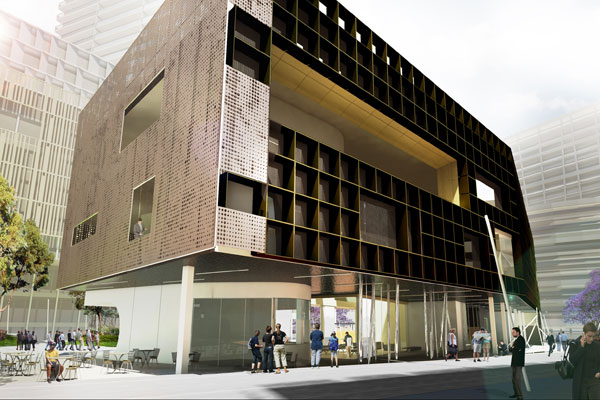
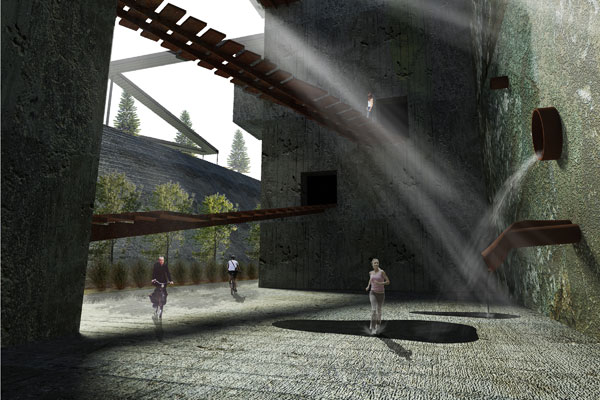
Delroy-Carr, who has been pushing the envelope of computational design throughout his career is currently working on a number of 3D-visualisation projects across a few disciplines. “There are some exceptionally good 3D artists around the globe that are creating some truly awe-inspiring imagery,” he adds. “I would like to think that what I can offer in the architectural field is a different stylistic approach to how we commonly promote building and design through imagery and animation. Something with a level of atmosphere and human emotion.”
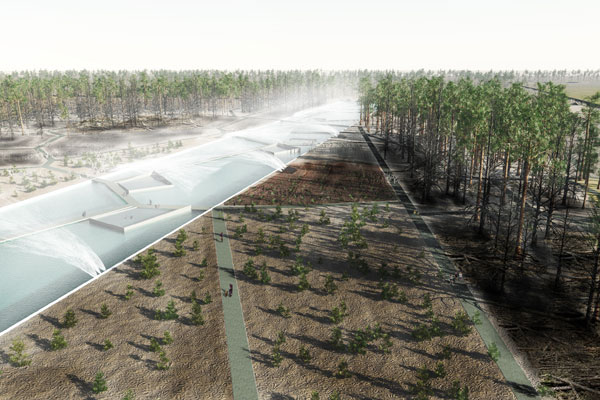
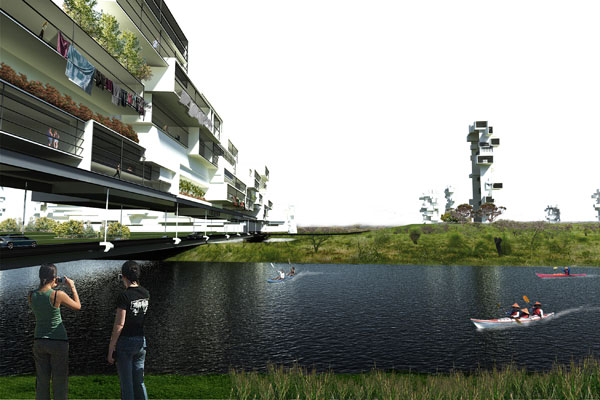
Matt Delroy-Carr
mattdelroycarr.com
INDESIGN is on instagram
Follow @indesignlive
A searchable and comprehensive guide for specifying leading products and their suppliers
Keep up to date with the latest and greatest from our industry BFF's!
The internet never sleeps! Here's the stuff you might have missed