The home of architecture and design in the Asia-Pacific
Get the latest design news direct to your inbox!

Get the latest design news direct to your inbox!
Hong Kong-based designer and consummate cosmopolitan, JJ Acuna of Bespoke Studio, muses on the changing face of hospitality and design across Asia Pacific.

JJ Acuna, courtesy of Bespoke Studio.
January 6th, 2022
In our recent issue of Indesign magazine, #84, we caught up with the Hong Kong-based designer JJ Acuna of Bespoke Studio. Writer Sandra Tan asked him four simple – yet loaded – questions about the changing face of hospitality and design across the Asia Pacific. Here is what he had to say.
What are the origins of Bespoke Studio?
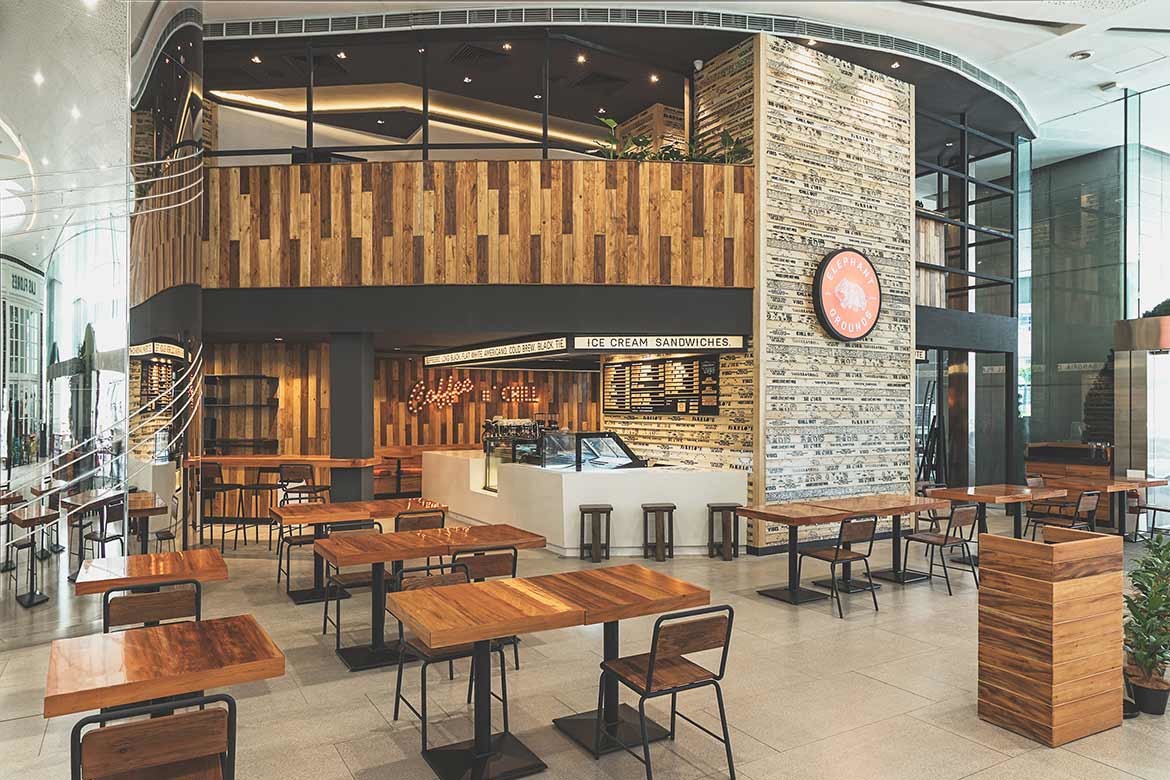
JJ Acuna: I was a director at a Hong Kong architecture firm, and after a decade of corporate projects in mainland China, took a year’s sabbatical. In that time, I designed three restaurants for friends and found it a very soulful experience. It was so cathartic to see people enjoying smaller, more personal spaces I’d made – and each made it into international magazines! So then I began my studio in 2015.
What keeps you busy these days?
JJ Acuna: Aside from some great new restaurants opening in Tokyo, Macau and Manila, we’re seeing a boom in residential work. Since no one’s travelling, people are reassessing their space. I think those who enjoy our restaurants become curious about how that lifestyle perspective might translate at home. It’s a real fusion of design programming for this generation of clientele.
How has COVID-19 impacted local design and hospitality?
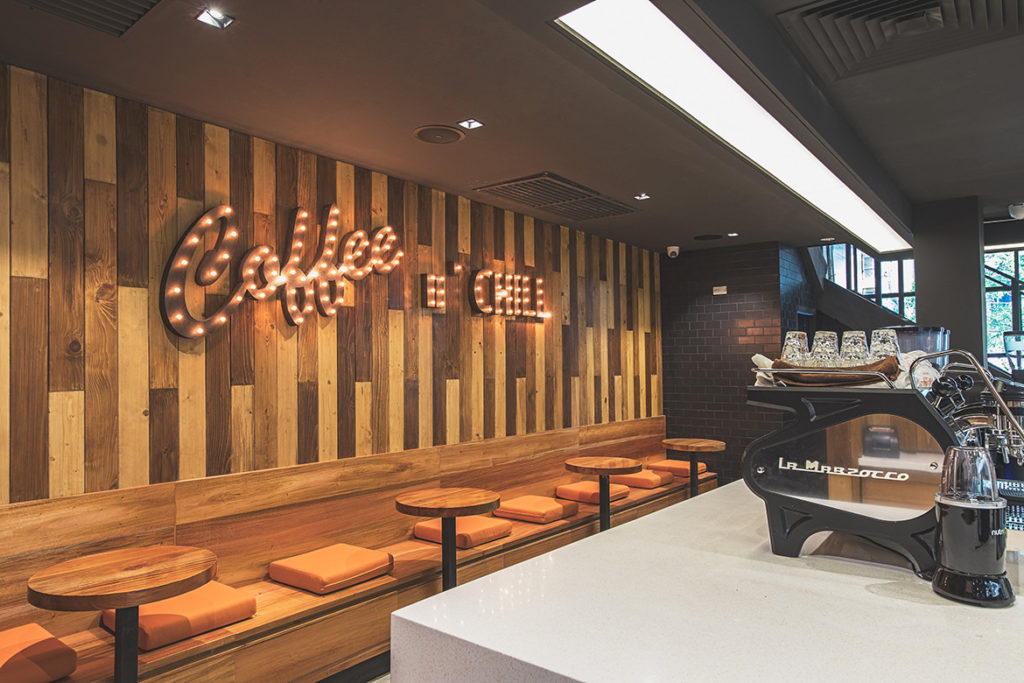
JJ Acuna: The food scene is still going strong. In Hong Kong, no matter how dangerous COVID-19 is, or protests are, people will forever be sociable. We can’t invite friends home to our tiny flats, so bars and restaurants are here to stay. Design-wise, we’re moving away from fixed features like booths, providing loose seating options instead so venues can observe proper social distancing.
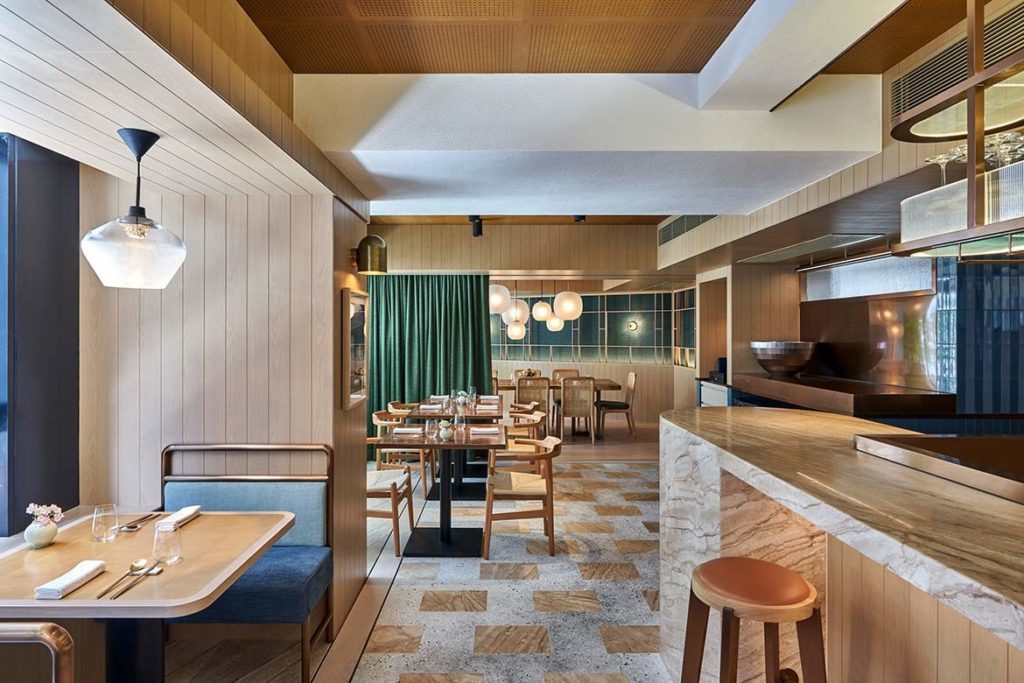
How have you navigated the pandemic pause of 2020 and 2021?
JJ Acuna: Well we’ve just finished a hotel for Four Seasons Macau entirely through conference calls! I used to fly once a month for work whereas now I question, is this travel necessary? Working remotely is kinder to the environment, but there’s no substitute for experiencing context in person. Designers rely on serendipity to create.

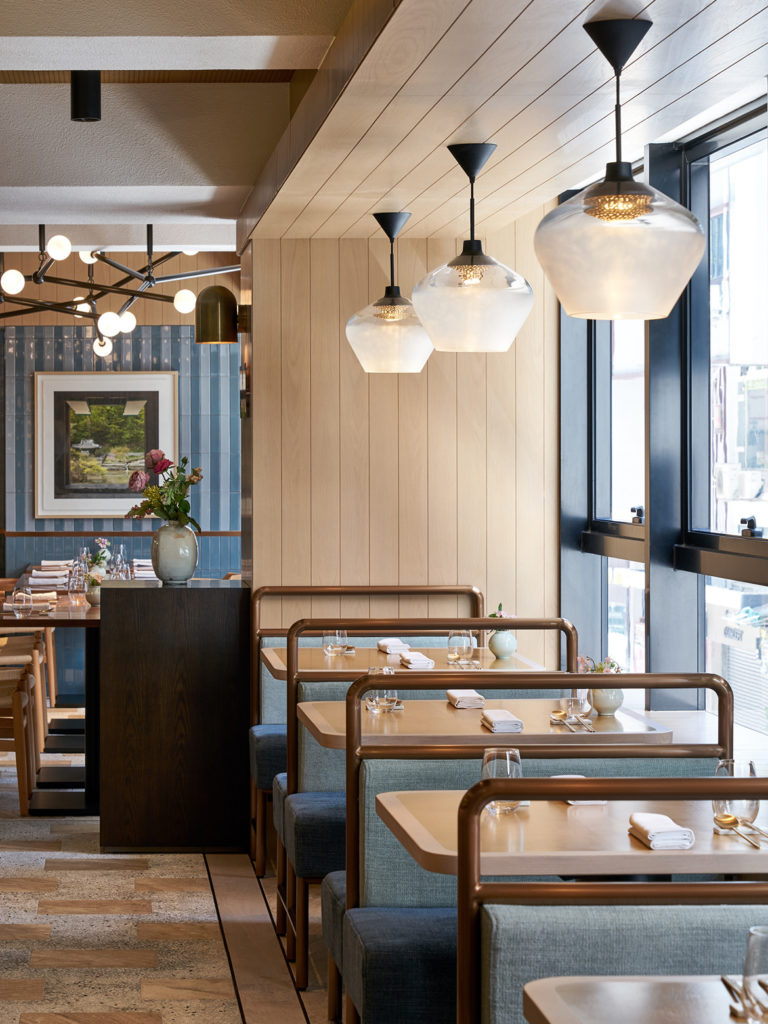
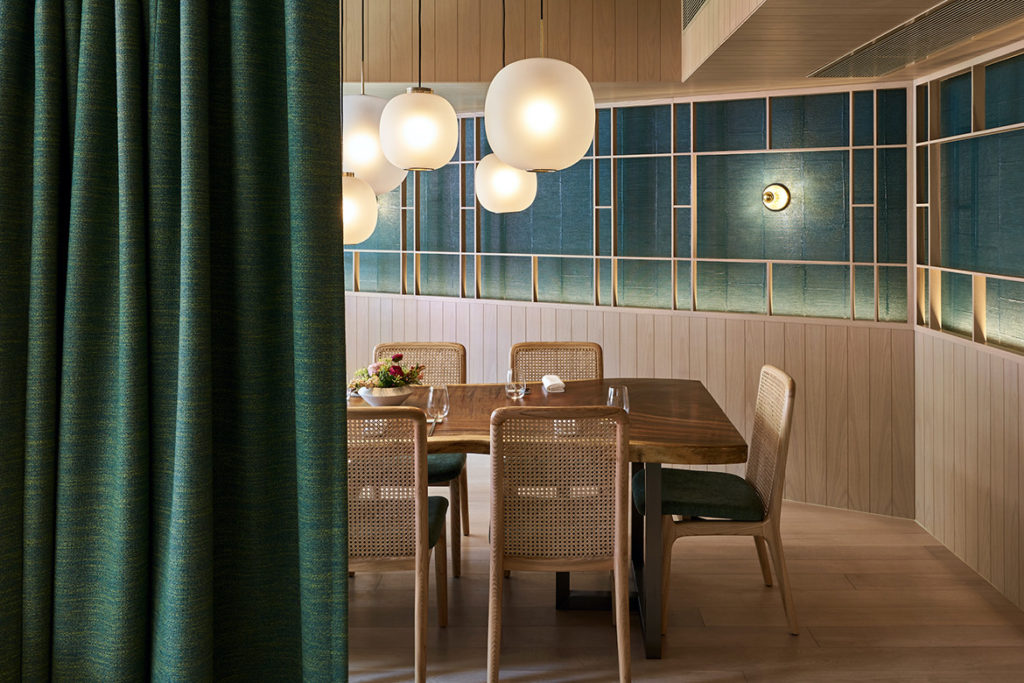
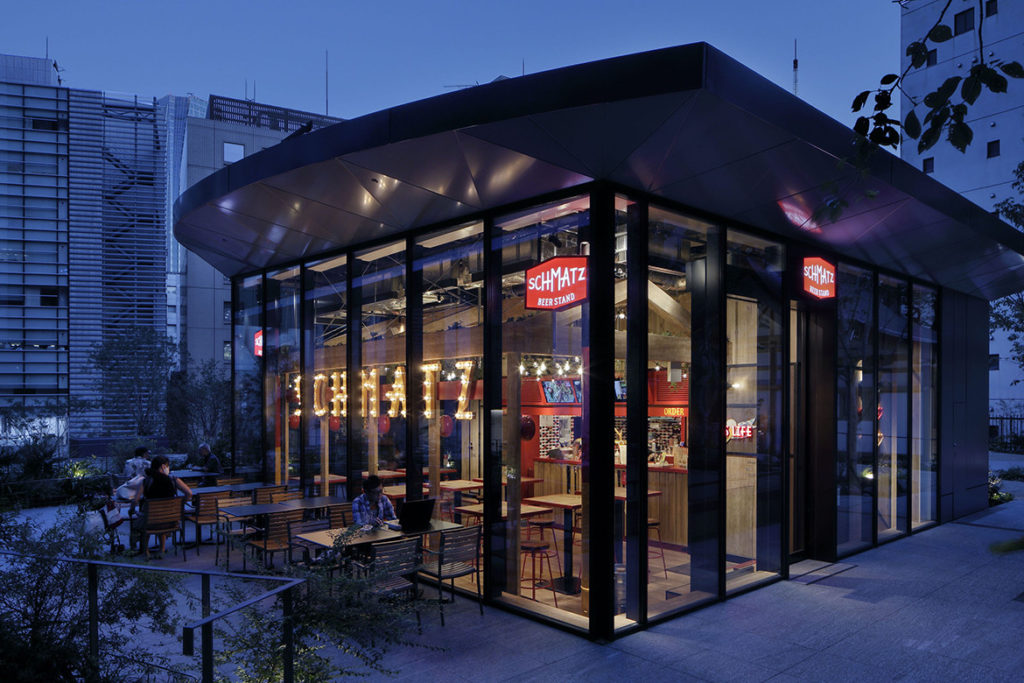

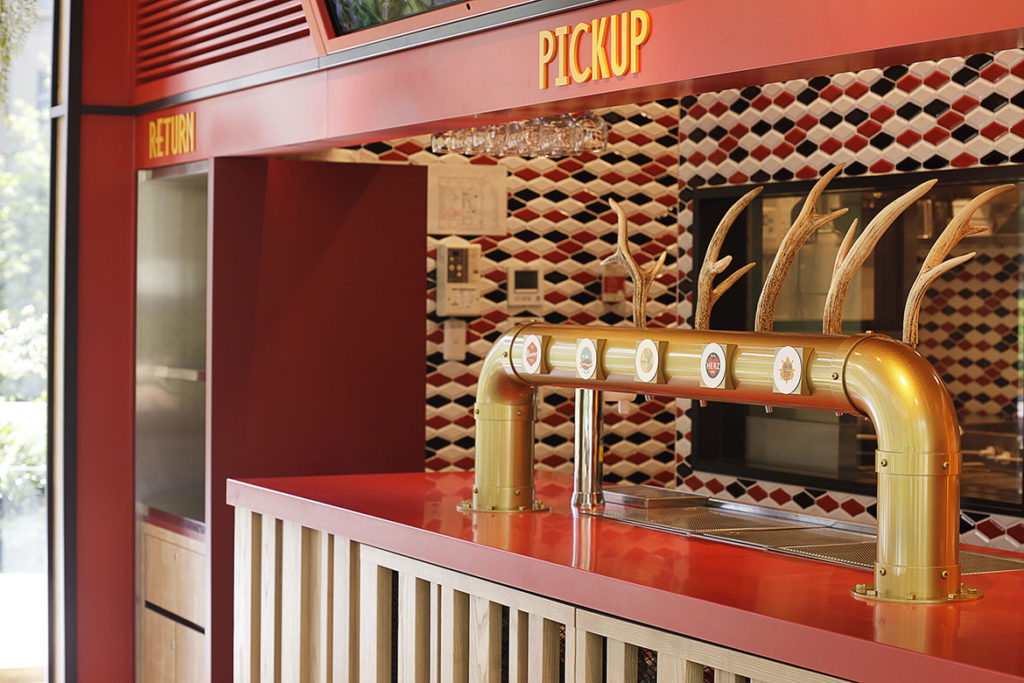
JJ Acuna / Bespoke Studio
jjabespoke.com
This interview was published in July 2021, in Indesign #84. Purchase your copy of the issue in print, or download the digital issue.
INDESIGN is on instagram
Follow @indesignlive
A searchable and comprehensive guide for specifying leading products and their suppliers
Keep up to date with the latest and greatest from our industry BFF's!
The internet never sleeps! Here's the stuff you might have missed