The home of architecture and design in the Asia-Pacific
Get the latest design news direct to your inbox!

Get the latest design news direct to your inbox!
Sub-Zero Wolf Kitchen Design Contest (KDC) announces the remarkable Arizona Biltmore as the location of the 2026 Gala Venue and Winners’ Summit

September 17th, 2025
The Sub-Zero and Wolf Kitchen Design Contest has unveiled the glamourous Arizona Biltmore as the destination for its 2026 Winners’ Summit and Gala, where 13 Global Winners will be celebrated for their exceptional contributions to kitchen design excellence. Set amidst the desert landscape of Phoenix, the Arizona Biltmore represents an inspiring venue for celebrating design excellence. This architectural landmark has long captured the attention of architects, artists and visionary leaders, blending historic elegance with modern luxury, exquisite taste and refined design.
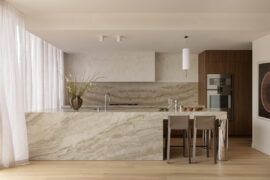
Now in its fourth decade, the internationally acclaimed competition continues to set the benchmark for recognising premier kitchen design professionals who demonstrate both aesthetic mastery and technical innovation. The 2024-2025 contest is now open and offers Australian professional kitchen designers, architects, residential designers, interior designers, builders, remodelers, landscape designers and landscape architects the opportunity to compete on a global stage.
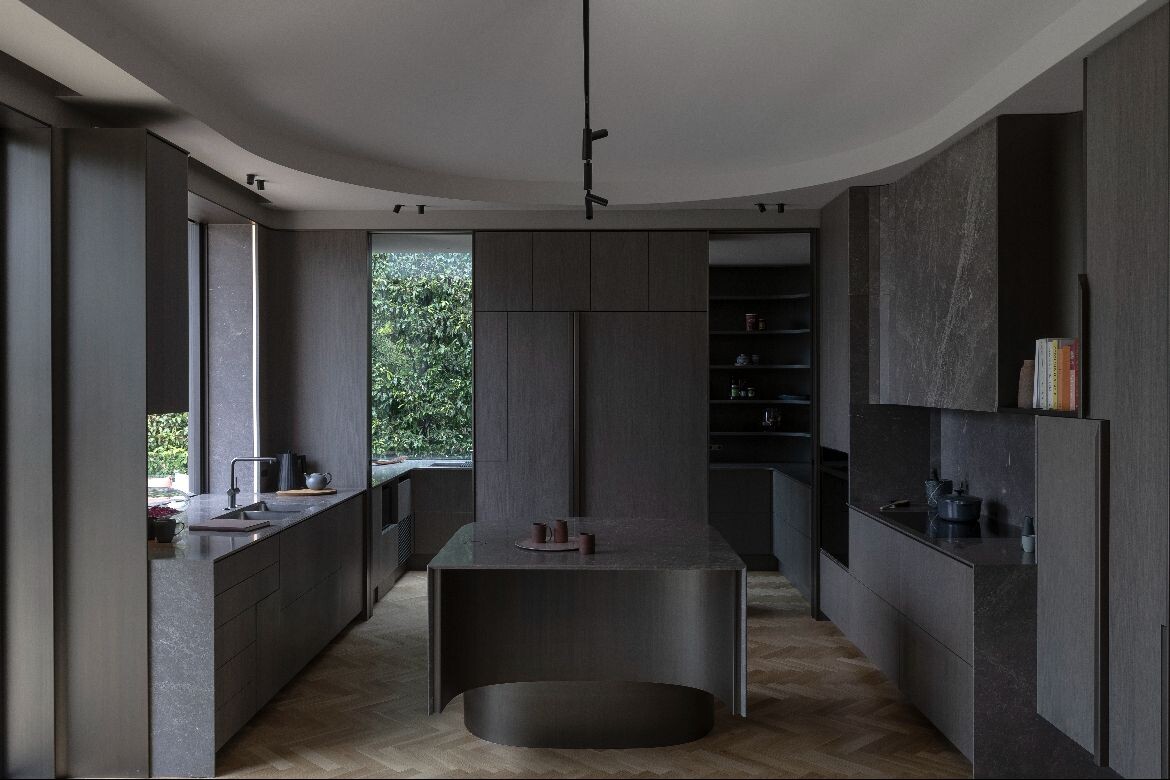
Jim Bakke, president and CEO of Sub-Zero Group, Inc. states: “For the past thirty years, it has been our great joy and honour to champion the creativity of the global design community through the Kitchen Design Contest. We have been continuously inspired by the impressive kitchen designs submitted and the exceptional creators behind them. We are proud to provide a platform for these pioneering professionals and their work to shine and receive the recognition they deserve.”
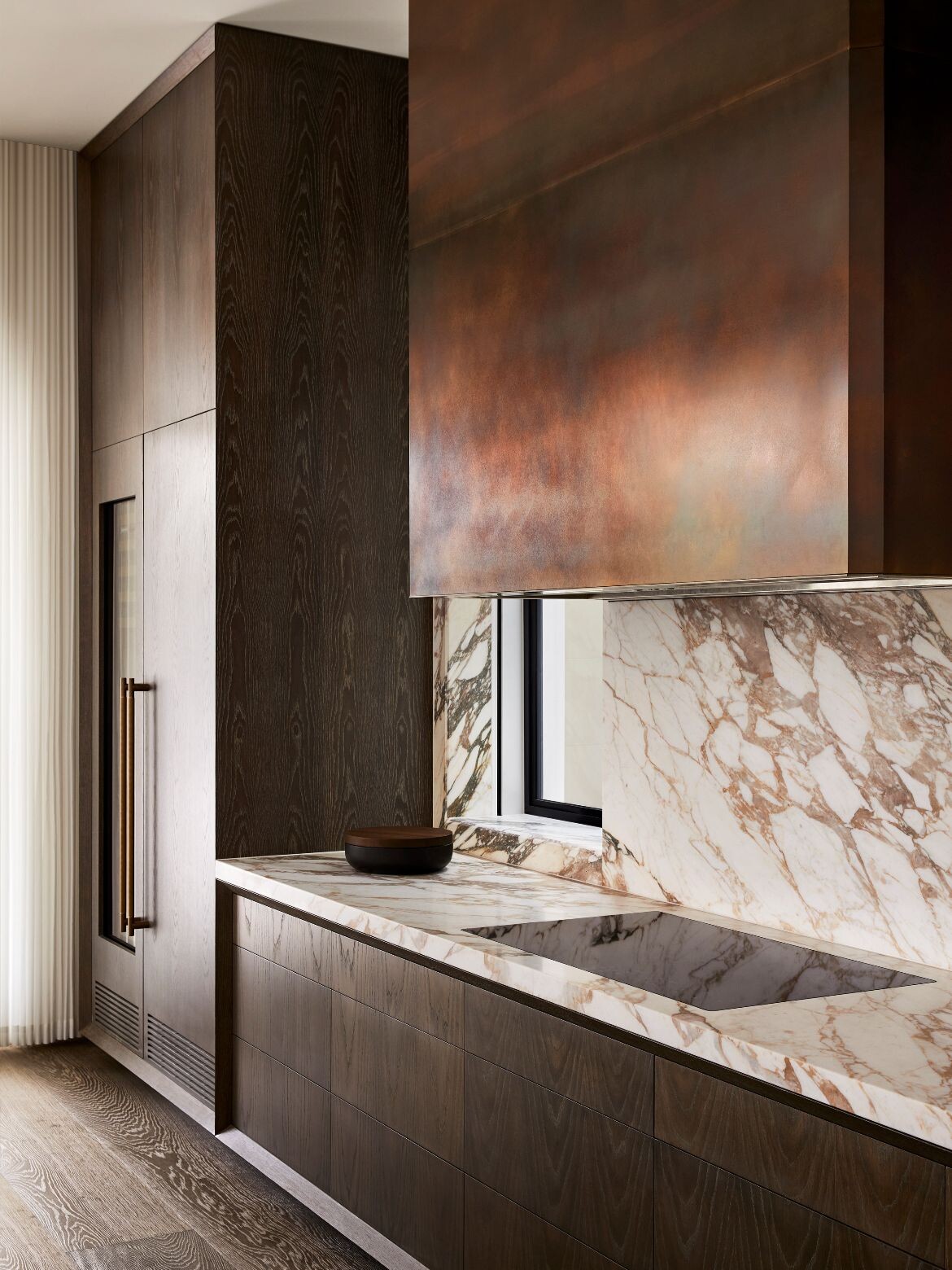
The competition’s rigorous evaluation process involves an international panel of seven industry leaders from architecture, interior design, and kitchen design disciplines. All judges are previous KDC winners themselves, bringing both expertise and passion for exceptional design to the anonymous assessment process. Entries are evaluated not only on visual appeal, but on functional integration of appliances, overall kitchen functionality, and how successfully the design addresses performance requirements. Projects must feature Sub-Zero and Wolf appliances and be completed between 1 January 2024 and 31 December 2025.
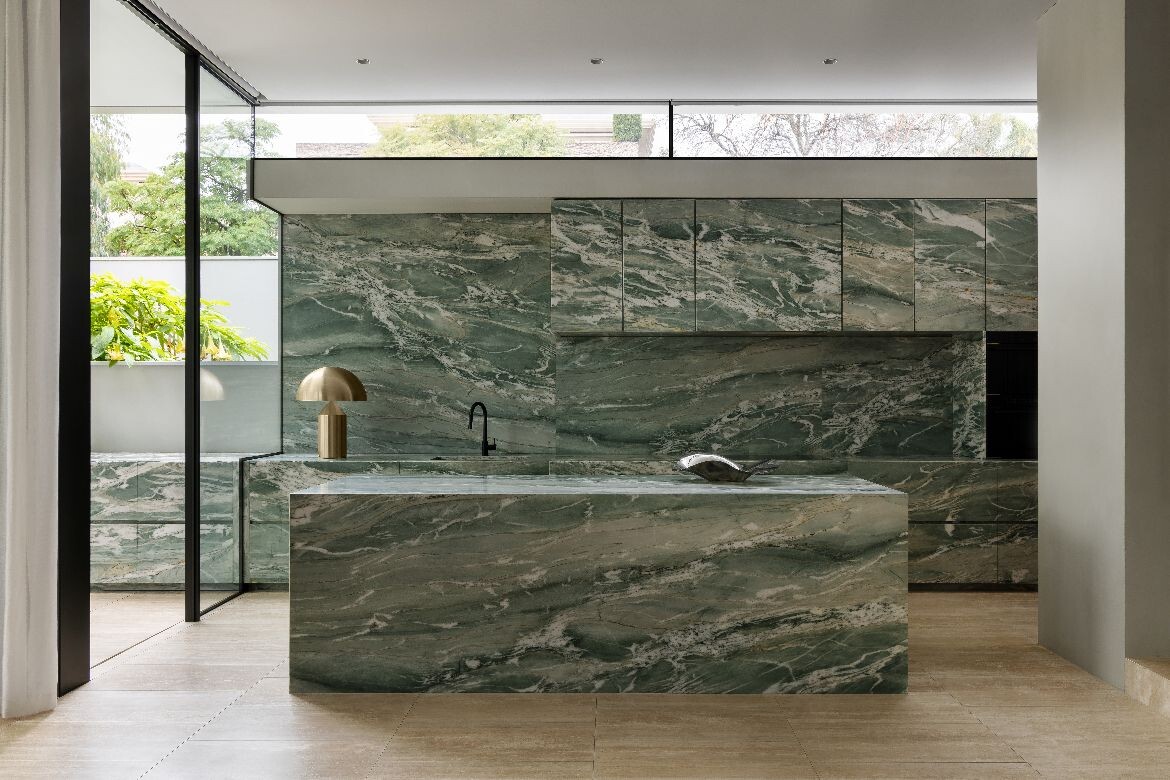
Australian design professionals have consistently demonstrated their calibre in this global, elite arena, with previous winners including Adrian Amore Architects, Rob Mills Architecture & Interiors, FGR Architects, Mim Design, Adam Kane Architects, Workroom and Spicer Architecture. These practices represent the pinnacle of spatial problem solving, material excellence and technical integration that defines contemporary Australian kitchen design.
Contemporary Category First Place Winner Adrian Amore reflects on the significance of his recognition in 2024: “To win the Kitchen Design Contest is a huge honour. It was wonderful to receive the validation and recognition from the judges. I am grateful to Sub-Zero and Wolf for their support, and the support they have given our global architecture and interior design community through this competition.”
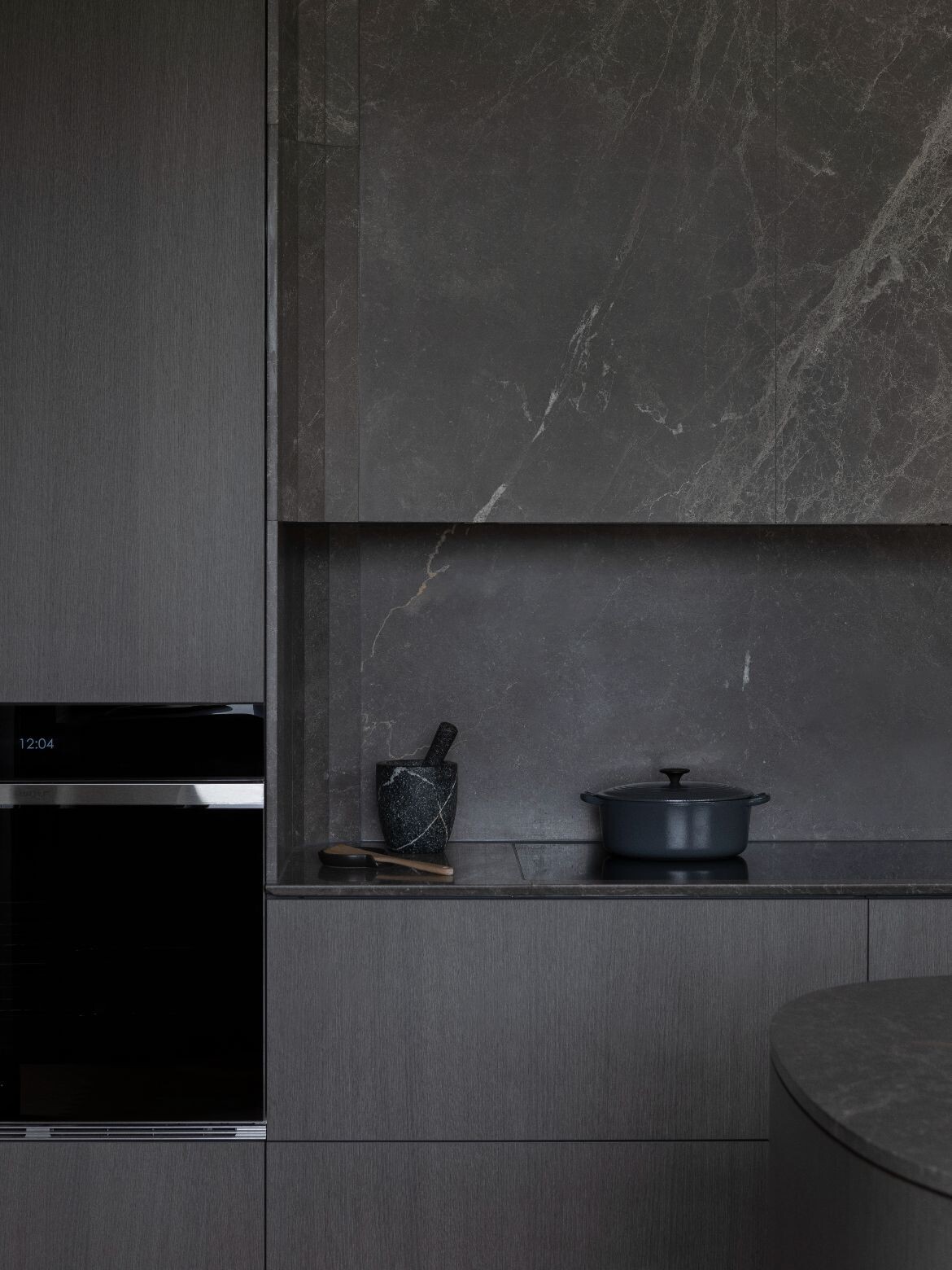
Global Finalists will receive nearly $300,000 in cash prizes alongside an all expenses paid trip for two to attend the Summit and Gala, providing invaluable networking opportunities with brand leaders, judges, and fellow design professionals. For practices seeking to establish international recognition and build strategic relationships within the global design community, this platform offers significant value.
Entry requirements remain straightforward; applications are welcome from professionals looking to celebrate accomplishments in pushing the boundaries of style, functionality, and innovation at an unforgettable destination. Entries close January 31, 2026.
INDESIGN is on instagram
Follow @indesignlive
A searchable and comprehensive guide for specifying leading products and their suppliers
Keep up to date with the latest and greatest from our industry BFF's!
The internet never sleeps! Here's the stuff you might have missed