The home of architecture and design in the Asia-Pacific
Get the latest design news direct to your inbox!

Get the latest design news direct to your inbox!
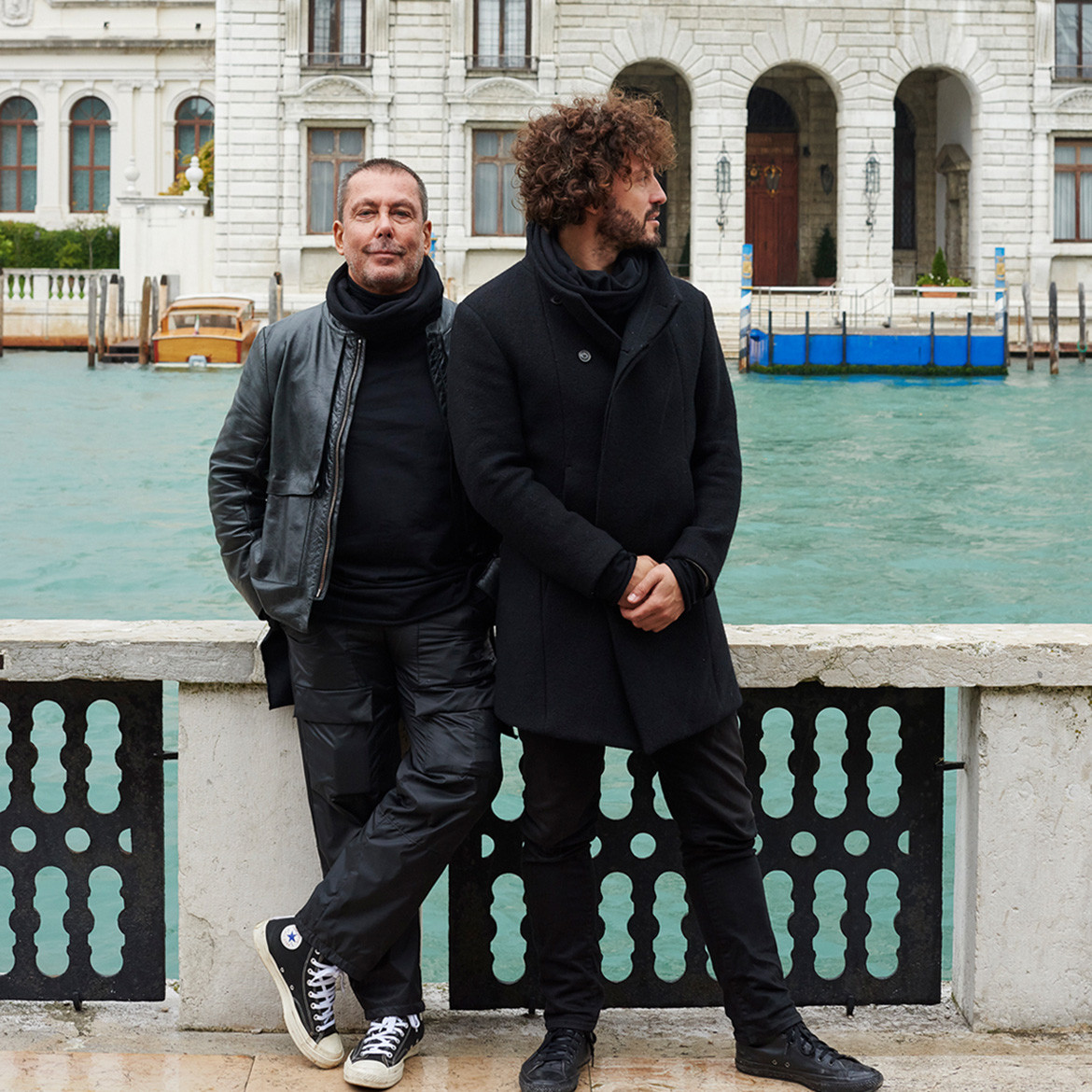
In 2013 Christian Mussati co-founded WonderGlass with his father Maurizio. The Italian handblown glass lighting company has become known for its bespoke craftsmanship and collaborative efforts with some of the architecture, design and art industry’s most globally revered names.

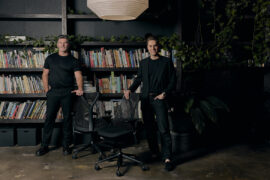
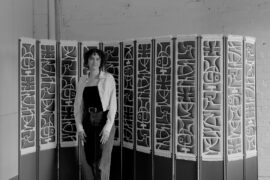
Christian Mussati outside WonderGlass Orwell House. Photo by James Harris.
Earlier this year Christian Mussati of WonderGlass was in Australia on a whirlwind tour visiting the various Living Edge showrooms across the country, including the recently opened Perth showroom. As WonderGlass’ exclusive Australian partner it’s important for Maurizio Mussati and Christian (the father and son founders of the unique handblown glass lighting company) to personally educate the Living Edge team on the brand’s message and DNA.
WonderGlass is known in the design industry to be pioneers merging traditional craftsmanship with contemporary design, collaborating with industry grandées in the worlds of architecture, art and fashion. Habitus editor Holly Cunneen was granted the opportunity to meet with Christian just weeks before the Salone del Mobile premier of WonderGlass’ latest collaboration, and second with Oki Sato of nendo.
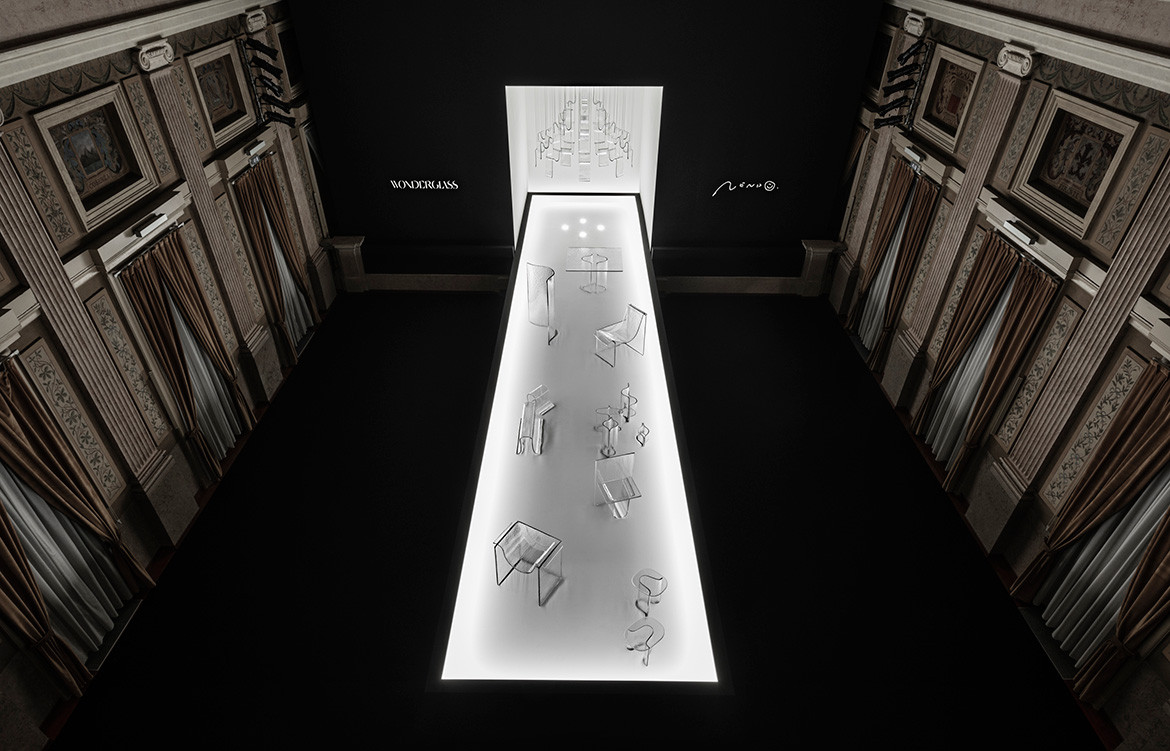
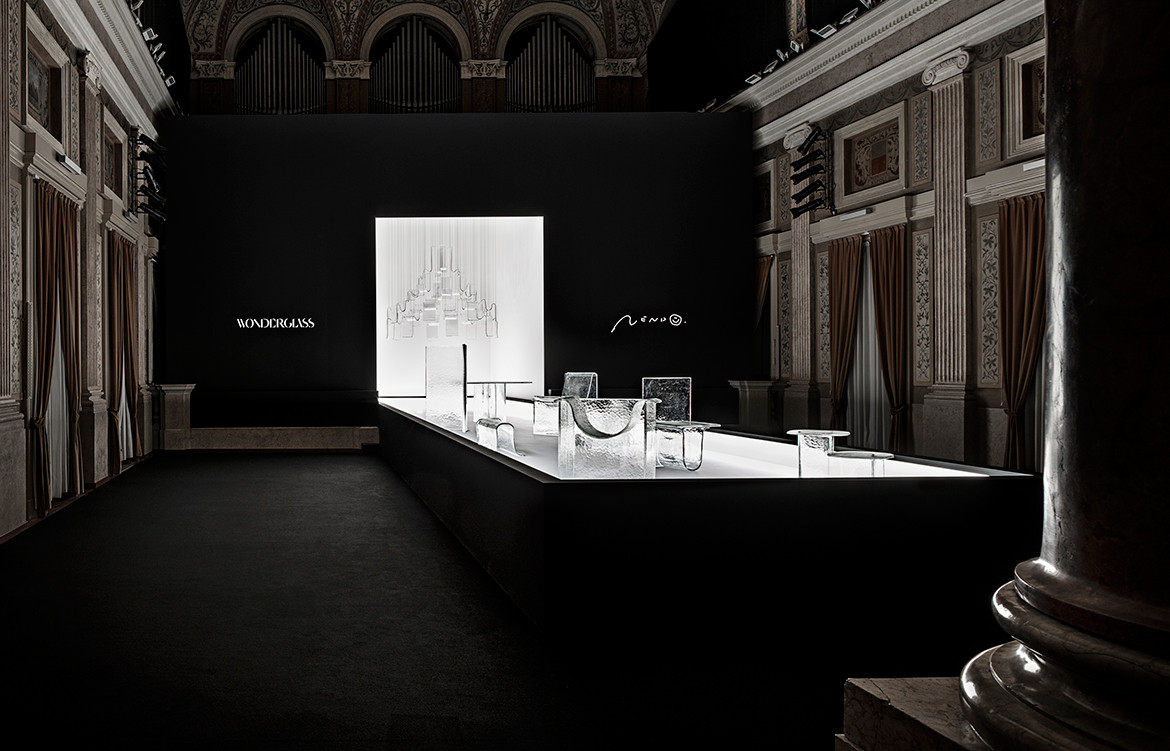
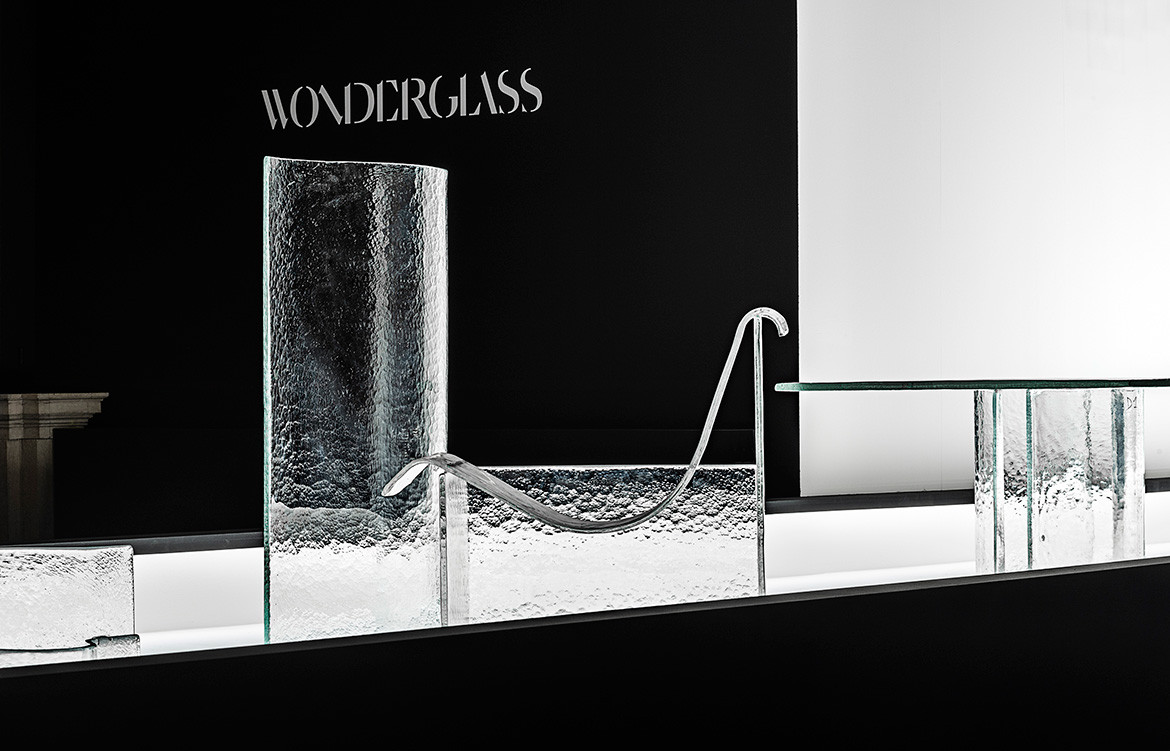
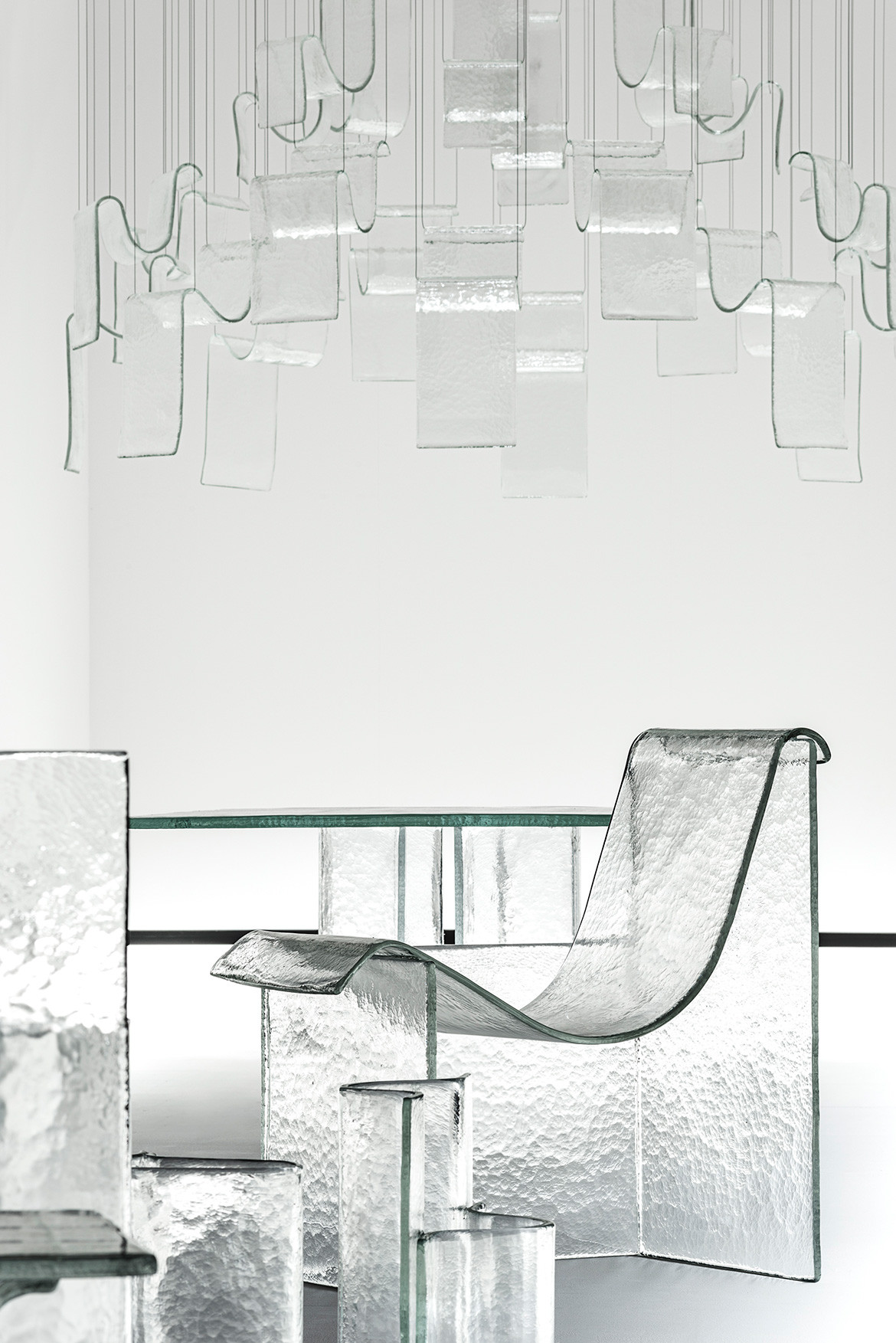
Christian Mussati: The basic concept was that the nature of the gravity and the glass itself, was supposed to shape the design, the creation. It was not like the human kind of touch, it was not the hand of the artisans. It was relying on the control of the natural elements; the temperature, the fact that you can contain the glass and that you can scoop it over the mould, but the force gravity was the main element.
It was a challenge. In the beginning, it was not evident if it was achievable or not and I have to admit that probably the artisans thought we were a bit nuts. They were [understandably!] sceptical. It was very interesting though because I think it was an opportunity to learn on both sides.
Yes, it’s more of an art installation at this stage. What I can tell you is that the chandelier presented in Milan is forged with the same technique. Some of the individual pieces within the installation in Milan are limited edition. But the chandelier is not. So the chandelier is going to be scalable, and more on the retail side, let’s say than on the collector side.
Our products are not products that you see and you buy out of a shop window. That is to say, you need to understand them completely.
You can divide WonderGlass into the collection of light fittings, and the more artistic kind of light installations.
Within the more retail-driven products, the approach that is used is very similar from commercial to residential. Most of our chandeliers are scalable. For example in Flow by Nao Tamura or Calliope by Marcel Wanders feature modules you can play with, you assemble them as you want. To give you an example, there were many 10-piece installations of Flow in residential projects. But the approach is the same, it’s just that the space is much bigger, and the budget was much bigger.
They were all very receptive. Some of them are shy and some less so, but at the end of the day they all have strong ideas. I think that almost every artist we work with, even if they have strong ideas and they know exactly what they want and what they would like to achieve, they are very good in understanding when it’s best to bypass a problem and trying to find a different solution.
They work in a way that always shows me a side of understanding of what the constraints of a production process may be, or the constraints of the material in the shapes that you can achieve.
At the beginning I think a lot of the connections came through the fact that my dad, Maurizio, had been in the design world for a long time. After we launched the first couple of collaborations there were a lot of people that were impressed by the way we were approaching design, and so they started coming to us. It’s always a bit both ways.
It’s good to keep an open mind and to be flexible to what is going to happen next. For us, it doesn’t mean that we’re changing direction; it has always been very clear in our mind that we want to collaborate with our clients and our clientele is interior designers and architect studios. On the creative side, we are open to a wide spectrum.
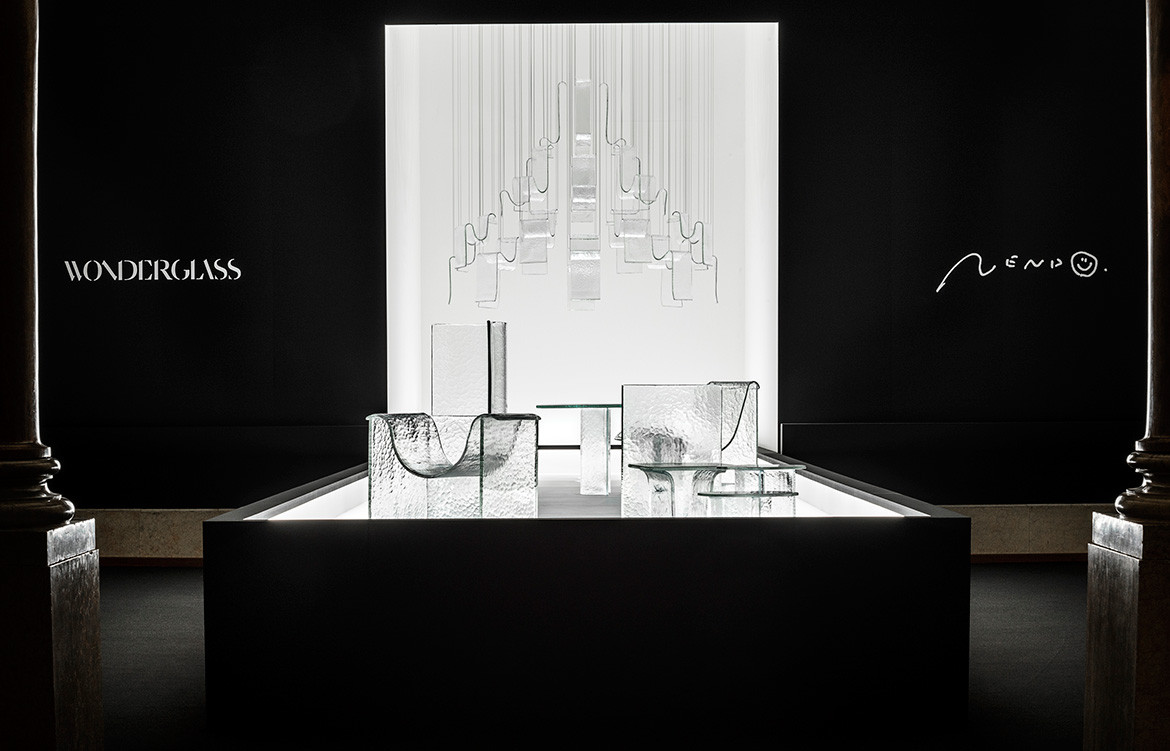
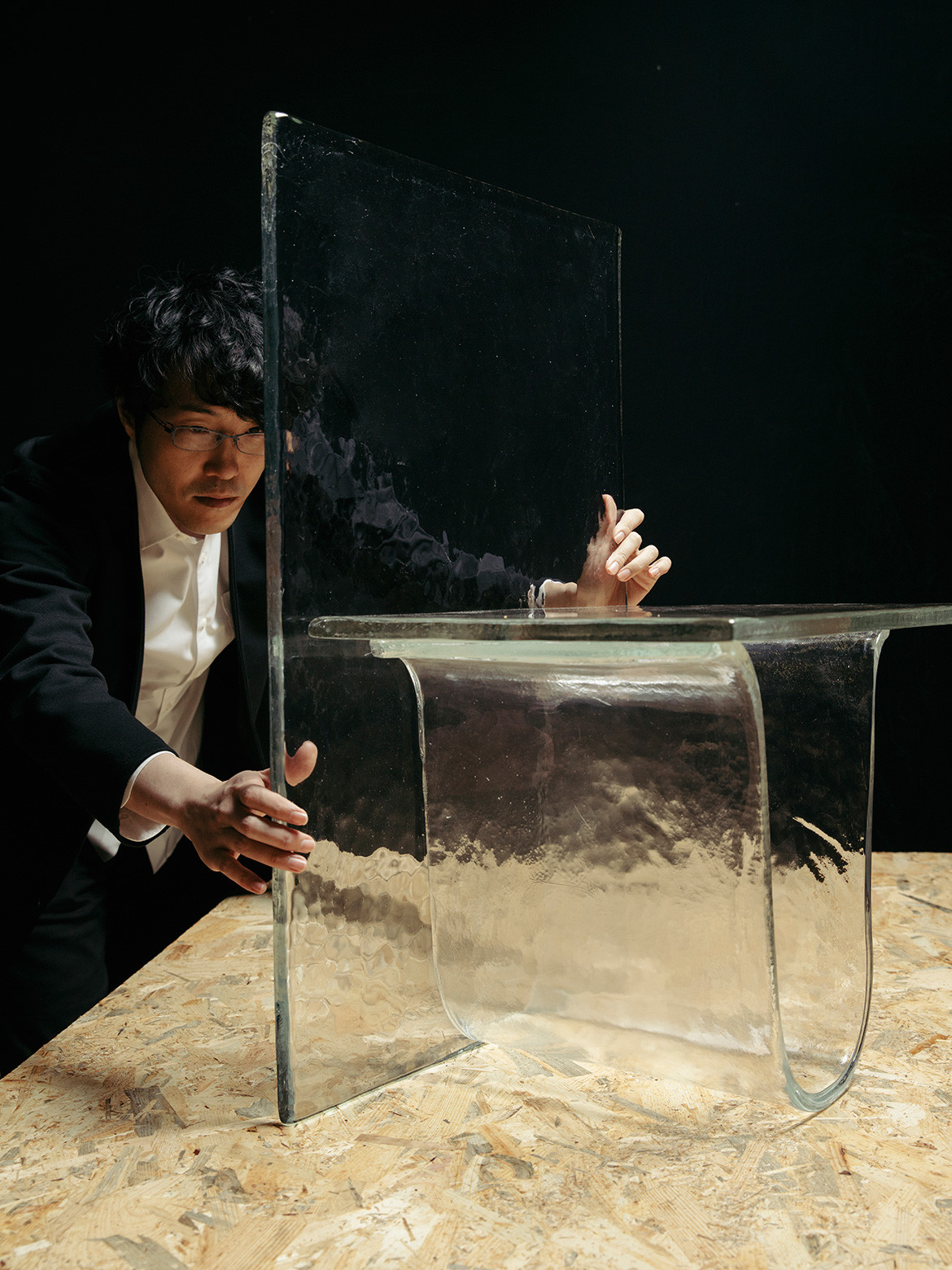
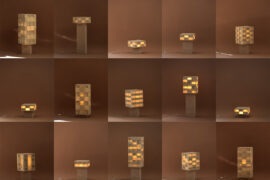
Melt by nendo for WonderGlass.
Want to see more exciting lighting design? Check out some of these stories. And for regular design inspiration sign up for our newsletter.
INDESIGN is on instagram
Follow @indesignlive
A searchable and comprehensive guide for specifying leading products and their suppliers
Keep up to date with the latest and greatest from our industry BFF's!
The internet never sleeps! Here's the stuff you might have missed