The home of architecture and design in the Asia-Pacific
Get the latest design news direct to your inbox!

Get the latest design news direct to your inbox!
If the 2017 global Shaw Contract Design Awards revealed anything, it’s that Australian designers really know how to embrace change and take a risk.

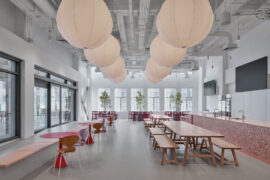
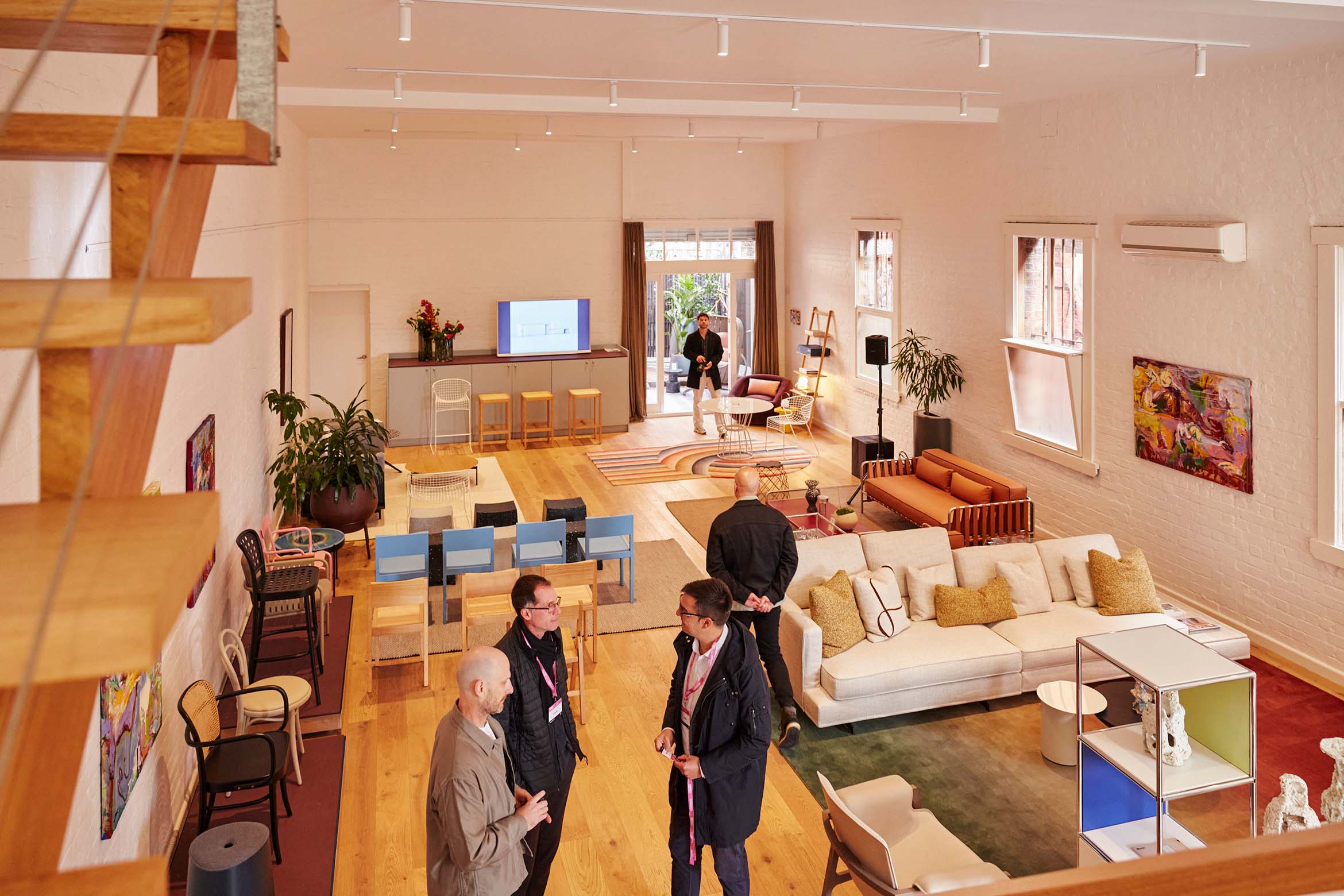
BKM Headquarters and Showroom by Hollander Design Group

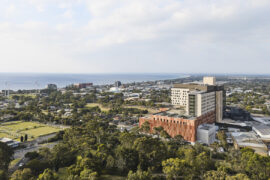
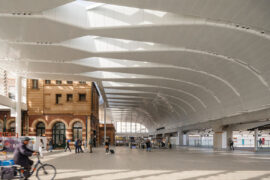
Frank Bartlett Library & Service Centre by FJMT

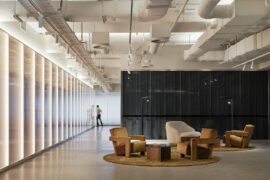
Ground Floor Reid Library Refurbishment by SCHIN Architects

HRA Advisors by CHACOL

KBTG Building by Progressive Building Management Co., Ltd

The Summit at University City by Sixthriver Architects
When you’re up against 500 global design projects vying for the top award, the stakes are nothing but high. Among this year’s Global Award Winners in the Shaw Contract Design Awards are FJMT’s Frank Bartlett Library and Service Centre in Moe. The People’s Choice Winner meanwhile emerged as SCHIN Architects’ Ground Floor Reid Library Refurbishment in Perth. It’s a big coup for the two Australian design firms, who competed against a world’s worth of talent: 497 entries from 32 countries.
Awards judge and managing principal at architectus, Andrew Schunke, was one of the four expert judges assessing this year’s Finalists entries. If this year’s judging process revealed anything, he says, it’s that “Australian designers push boundaries. We adopt a people focused design solution that celebrates our unique light and spatial understanding,” he says.
With so many design awards available to us in the Australia, Schunke is no stranger to the awards drill. In his view it takes a unique awards program to really stand out. “As an international awards program, the Shaw Contract Design Awards captures a broad range of project types, scales and design professional submissions without being elitist or style driven. The quality and thoughtful submissions reflected the esteem in which these awards are held and the personal approach to awarding the winners creates a very memorable experience for the design teams,” he says.
Schunke was on the ground in New York for the Finalists judging, joining three other US judges – all independent industry experts. “We spent a number of days getting to know each other and the shortlisted projects. We discussed and debated the merits of each project at length with many heated and varied outcomes.”
Five projects hailing for the US, Thailand and Australia, emerged as the clear winners – “each one standing out for different reasons, but with a clarity of design thought and experience focused outcome”, notes Schunke.
While the caliber of entries varied widely the winners were clear trend setters. Within that mix, the Australian projects revealed a “maturity and clarity of thought that showed us [that is, Australia] as continued leaders in interior design on the world stage”, Schunke says.
INDESIGN is on instagram
Follow @indesignlive
A searchable and comprehensive guide for specifying leading products and their suppliers
Keep up to date with the latest and greatest from our industry BFF's!
The internet never sleeps! Here's the stuff you might have missed