More often than not, we are seeing adaptive reuse projects rear their head. The adaptation and repurposing of materials and elements is quickly becoming a prominent theme throughout many ‘new’ projects, with the expertise of an architect on show as we continue our venture into the realm of sustainability.
Opened in October, Ngununggula, the Southern Highlands’ first gallery, has been some 35 years in the making. A former cow shed on the land of former media mogul James Fairfax, the repurposing of the building has been overseen by Tonkin Zulaikha Greer (TZG). The project – which derives its name from the traditional Gundungurra language for belonging – has gone from an idea to bricks and mortar in a five-year timeframe. Ngununggula will provide a platform for local and Australian artists to convey their works in a gallery space that holds five exclusive exhibitions a year.
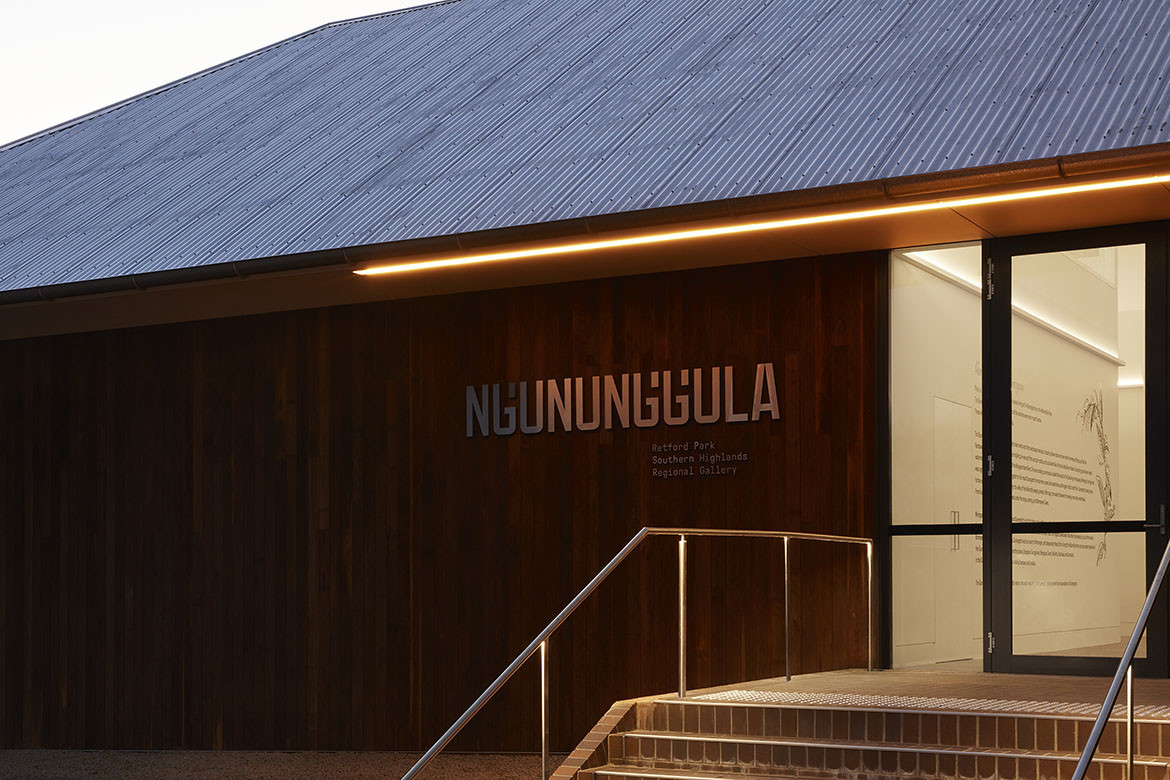
The entire building has been retained, from the brickwork walls, timber roof and ceiling lining, the concrete floors and windows and doors. Seeped within the history of the region, the shed has a twin at Milton Park, contributing to the built environment of Bowral in an entirely new way.
Ngununggula is the brainchild of founder Ben Quilty, who worked with the National Trust of NSW to gain funding from the NSW Government to the tune of $2.5 million. The remaining funds required, some $4.5 million to bring the gallery to life, were acquired from fundraising. Quilty sought the expertise of TZG given their knowhow in the heritage space, and so the design process began.
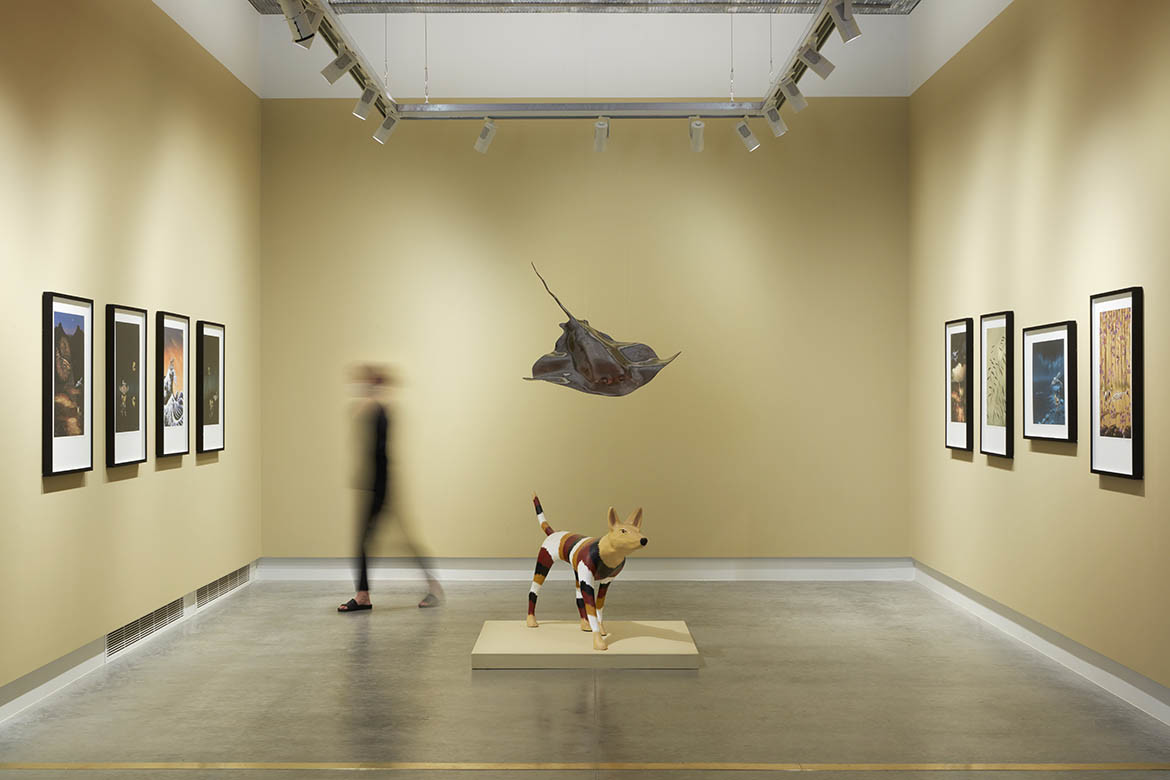
The Ngununggula board desired a space where they could hang or place literally anything. Given the confirmation that the 2025 Archibald Prize Winner will be on show at the gallery, it’s fair to say this goal was executed. The strict humidity controls are a challenge in terms of both preserving artwork and ensuring the energy bill doesn’t blow out of proportion.
TZG’s Brian Zulaikha says the strict controls administered by the International Council of Museums – Committee for Conservation are a challenge for any build, let alone one akin to Ngununggula.
“Integrating the services required for the gallery into a pair of heritage farm buildings, whilst conserving the heritage fabric and retaining a legibility of the past uses, were difficult but rewarding design objectives,” he says.

The tonal palette, most of which was already in place, was furthered to ensure the requirements of various artworks and their qualities.
“The materials are relatively simple; most of it was existing – both internally as well as externally, with the addition of gyprock surfaces on which the art is able to be displayed. These by-rock walls have been carefully laid out and held back from doorways for example to allow the existing walls to be seen – services are hidden and often ducted behind these gyprock walls,” says Zulaikha.
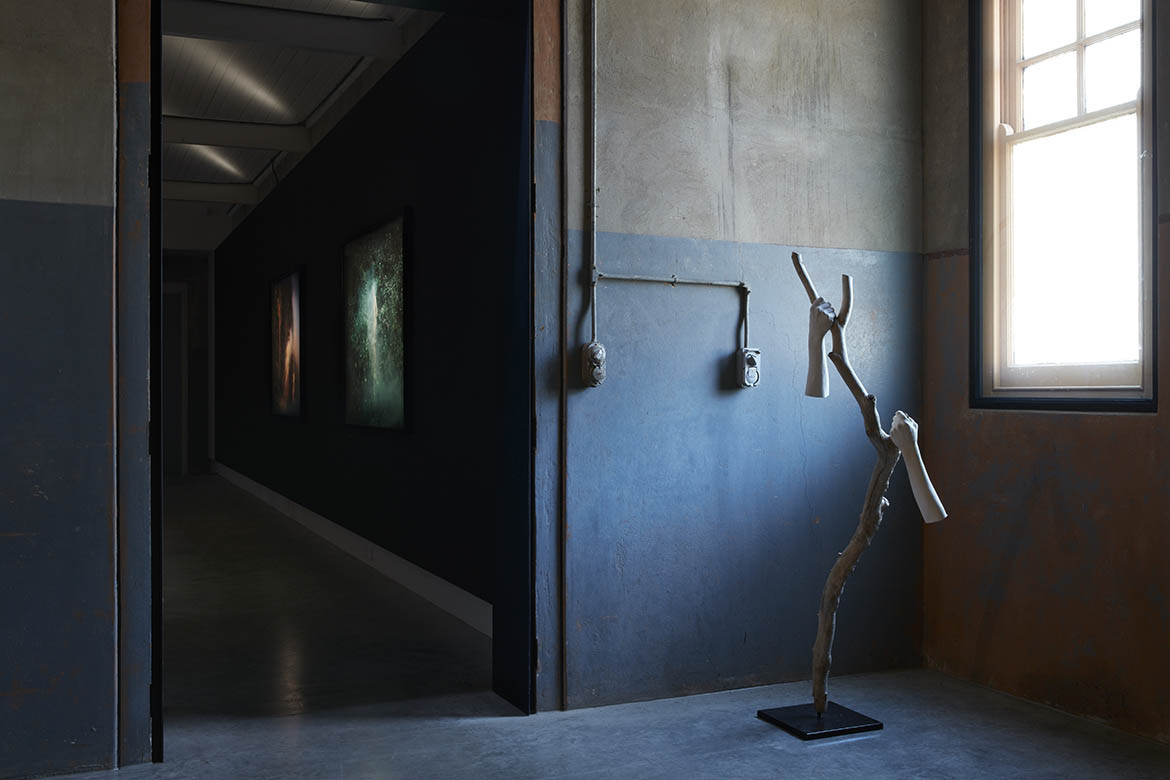
“I always give primacy to the existing heritage fabric and in this way the visitor is always aware of the history of the building,” he says.
Ngununggula holds four gallery spaces spanning the 712-square-metre footprint of the building, with an added Entry Pavilion and education space, as well as a cafe, Hearth, which showcases the rich local produce. The entire space was constructed over a 12 month period by Richard Crookes Constructions, with Crookes himself now sitting on the gallery board.
The gallery is currently looking to raise funding for a 99kW solar field that will be placed on the roof, with the gallery already fitted with the required fittings and systems.

With artist-led projects, live events, workshops, artist talks and public programs already in the works, Quilty’s dream of celebrating and showcasing art within the region for locals and visitors has already been realised in some form.
“I’ve been working on the concept of Ngununggula since 2017 and it’s so exciting to finally see this realised. We wanted to create a space to bring the community together with art and culture, and to give the Southern Highlands a hub for residents and visitors of all ages to access some of the most important artists of our time,” Quilty says.

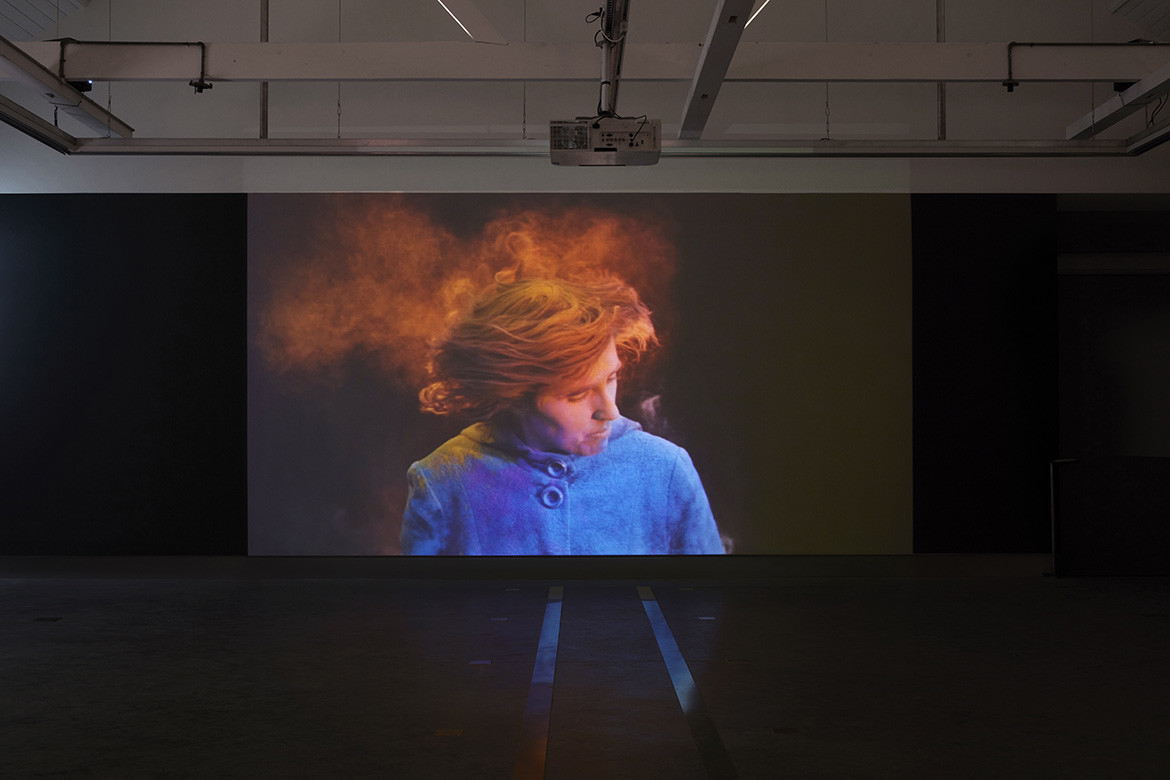
Ngununggula reopened its doors on 28 May for its latest exhibition, Land Abounds, by brothers Abdul-Rahman Abdullah and Abdul Abdullah in dialogue with video installations by Tracey Moffatt AO. The works draw on both collective memory and experience, unpacking how the representation and perpetuation of culture, knowledge, and tradition can be transferred through storytelling.
Tonkin Zulaikha Greer
tzg.com.au
Ngununggla
ngununggula.com
Photography
Courtesy of Ngununggla



We think you might like this article about INDE.Awards 2022 Official Shortlist announced.