The home of architecture and design in the Asia-Pacific
Get the latest design news direct to your inbox!

Get the latest design news direct to your inbox!
Melbourne newcomers and Japanese design house Apato, demonstrate why culture is as essential to your brand as the product you carry.
April 13th, 2015
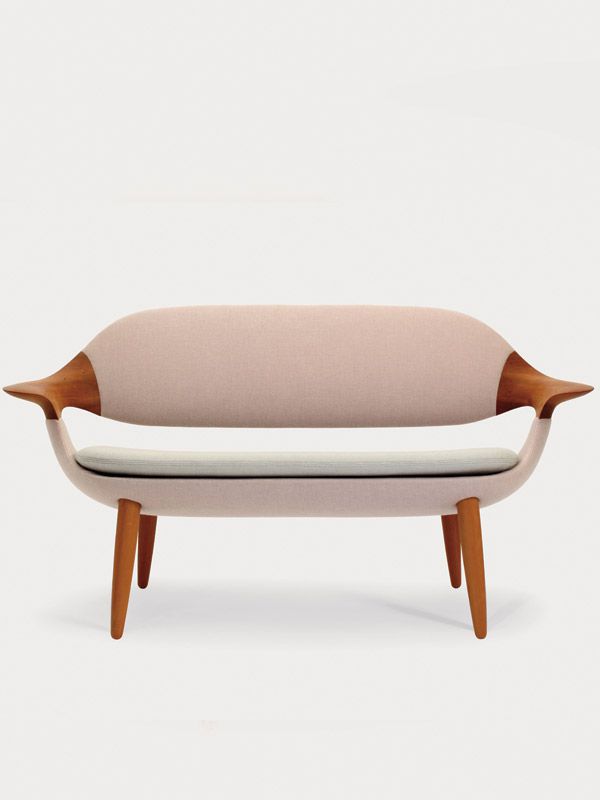
“If you cut down a 100 year old tree,” says Apato director See Yen Foo, “you should use it to make products that last a 100 years… That is something we really believe in.” We hear the same old product stories time and time again. We get the press releases, we see them in magazines, the colours are different and the price is marked clearly, but there is seldom and connection to a larger idea or belief. Other than the fact that it is beautiful, why would you spec that product?
Brand values have the ability to push a business into the stratosphere, or down to the discount bin. They establish the basis of how your business is viewed by the market, and what users associate with your name. And here, new kids on the block, Apato, really have their values in check.
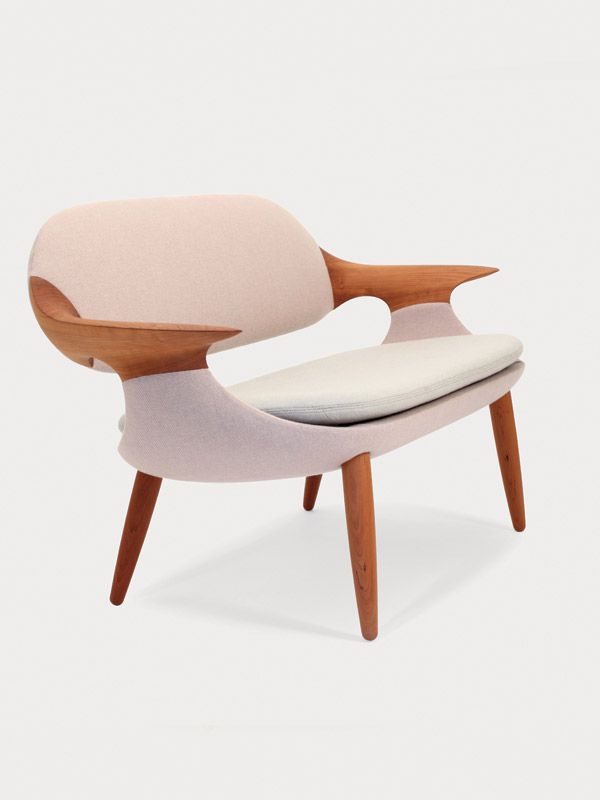

“Japan is already well known for a culture of excellence in manufacturing, food and whisky amongst other things,” explains Foo. “Naturally, this all-pervading perfectionist mentality drives Japanese furniture manufacturers to create exquisite high-end furniture pieces too. To this end, durability is the essence of Apato. Apato and its products endeavor to achieve durability in every sense of the word; this cuts through every aspect of our business. By consistently providing fine products that consumers demand, Apato hopes to achieve durability in its brand. In terms of design and quality, our products have been shown to be durable enough to stand the test of time. We are passionate about sourcing beautiful, timeless products that will last a lifetime. Finally, in partnership, we seek long and fruitful and durable relationships with committed current and future partners and stakeholders. This is our strongest value.”
Though they have only been active in Australia for six months (recently partnering with Group GSA as part of Indesign: The Event Melbourne 2014) Foo and the Apato team have been quick to firmly establish who they are, what they do, and what matters to them most. The selected brands carried by Apato – including Japanese heavy weights such as Nissin Furniture Crafters, Ishinomaki Laboaratory, Miyazaki Chair Company, Takumi Kohgei, Takayama and Asahikawa to name a few – have been strategically and discerningly curated to align with Apato’s emphasis on durability in every sense of the word.
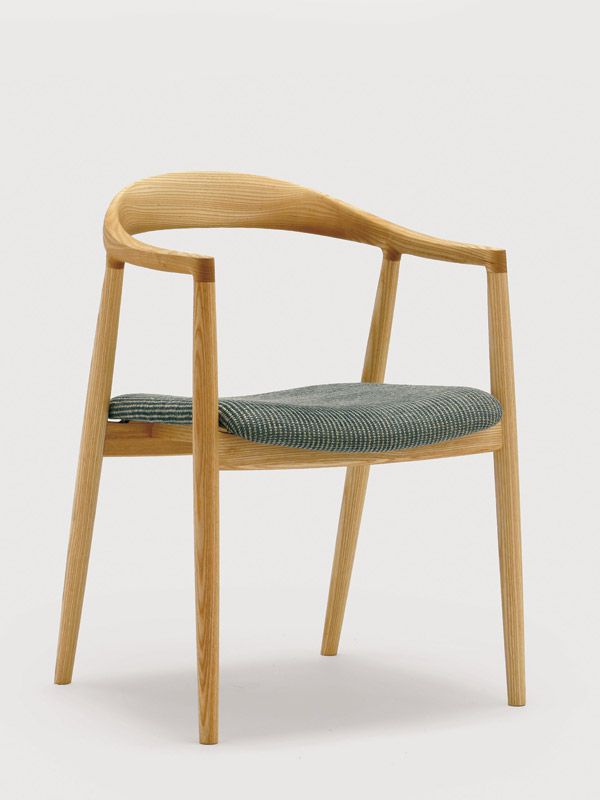
Foo explains: “When selecting brands and designs, we look for a range of variables: modern simplicity that is well designed. We believe that functionality is as important as beauty when it comes to design, particularly with an increasing need for furniture that is not only beautiful, but also compact and practical. Skillful use of quality and sustainable timber also emphasizes our stance on durable design materials. For example, each piece of timber used is unique in its texture and grain, thereby crafting furniture pieces each with its own distinctive individuality.”
Each of the brands under the Apato umbrella make a strong statement about the brands values, and what the market can expect from them. It reinforces their capability, and direction to their clients, and has already yielded positive results within a short period of time.
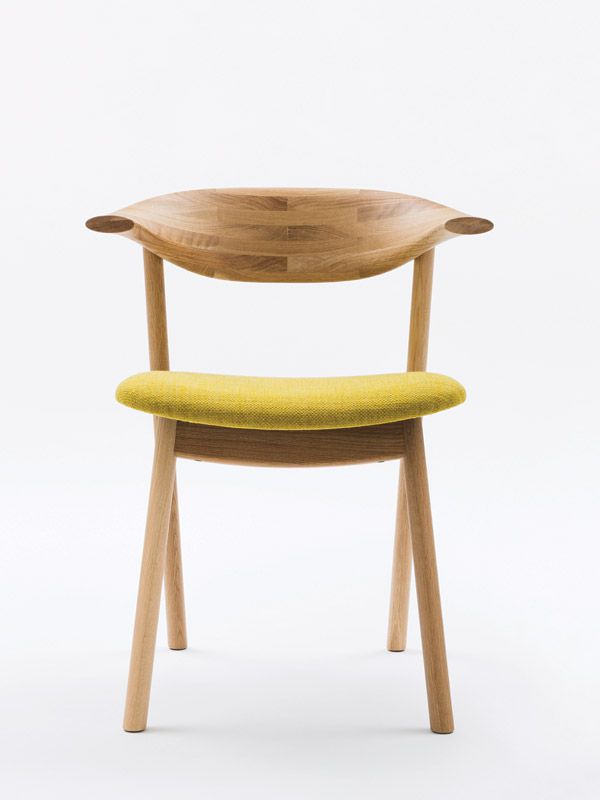
As shifts and changes in consumer culture continue to make waves in this industry, it is now more important than ever to show the market what your brand stands for beyond the products you house. Sure, the fabric is beautiful on that chair, and curvature of those timber legs are stunning – but what will get your market’s attention are your values, backed up by a strong product offering demonstrating those values. And to that end, Apato has a strong, definite culture that has captured the market’s attention.
Apato
apato.com.au
INDESIGN is on instagram
Follow @indesignlive
A searchable and comprehensive guide for specifying leading products and their suppliers
Keep up to date with the latest and greatest from our industry BFF's!
The internet never sleeps! Here's the stuff you might have missed