The home of architecture and design in the Asia-Pacific
Get the latest design news direct to your inbox!

Get the latest design news direct to your inbox!
World Congress to attract participants and speakers on architecture to Sydney from the world over.
September 18th, 2008
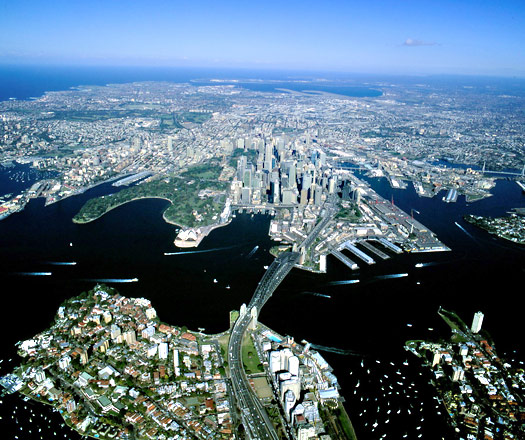
Sydney will host the 9th World Congress of Metropolis on 22 – 25 October 2008. Now formally recognised as a Continuing Professional Development (CPD) event, the congress will provide architects with an opportunity to make contact with around 1000 global leaders from the worlds of design, academia and business.
Topics and case studies covered will include incorporating climate change mitigation strategies in large-scale urban design; urban renewal in disadvantaged and disused city areas and opportunities for architects in local development projects.
As the Royal Australian Institute of Architects (RAIA) now recognises the congress as a CPD event, architects attending will be able to accrue informal CPD points toward the requirements of the RAIA CPD policy and the NSW Architects Registration Board’s continuing professional education scheme.
“With more than half of the world’s population now residing in urban areas, the themes and topics covered by Metropolis Congress 2008 are especially relevant,” says Director of Metropolis Congress 2008, Chris Johnson.
“Industry recognition from the RAIA reflects the importance of the issues affecting our major cities and the essential role of architects in planning, designing, building and adapting the world’s cities in response to modern opportunities and challenges.”

INDESIGN is on instagram
Follow @indesignlive
A searchable and comprehensive guide for specifying leading products and their suppliers
Keep up to date with the latest and greatest from our industry BFF's!
The Illuminating Engineering Society (IES) is devoted to the advancement of the art and science of lighting and the dissemination of lighting knowledge.
An exhibition fundraising event organised by students in final year Interior Design and Decoration from the Design Centre Enmore.
The internet never sleeps! Here's the stuff you might have missed