The home of architecture and design in the Asia-Pacific
Get the latest design news direct to your inbox!

Get the latest design news direct to your inbox!
How We Create, Alexander Lotersztain and Palamont join forces to showcase local manufacture and design at Queensland’s premier design event.
May 14th, 2012
On Saturday 26 May, Brisbane Indesign once again sets down in the Queensland capital and How We Create will be there in force.
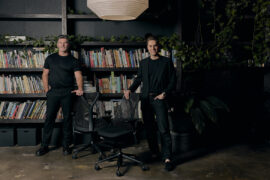
Alexander Lotersztain’s Derlot and How We Create have teamed up to showcase ’the art of manufacturing’, promoting locally made and locally designed.
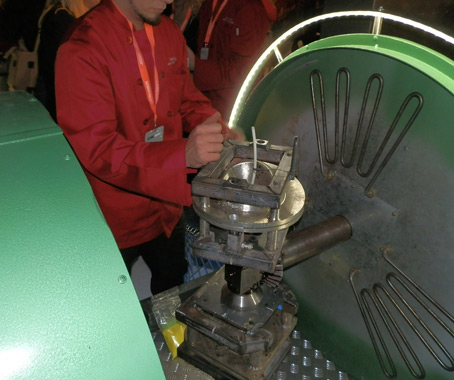
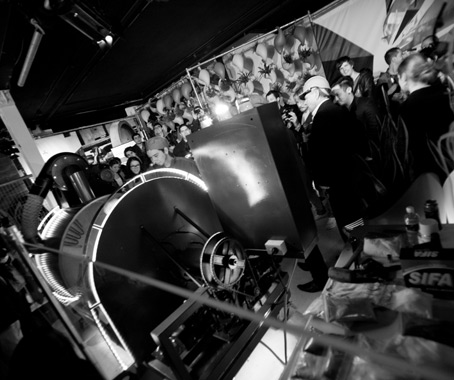
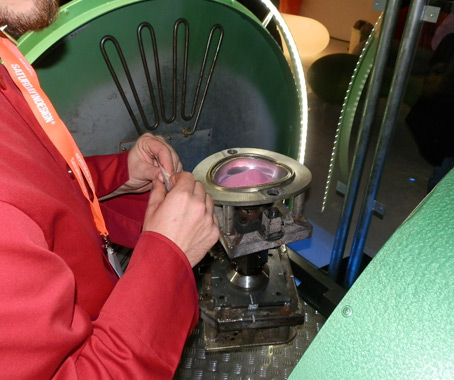
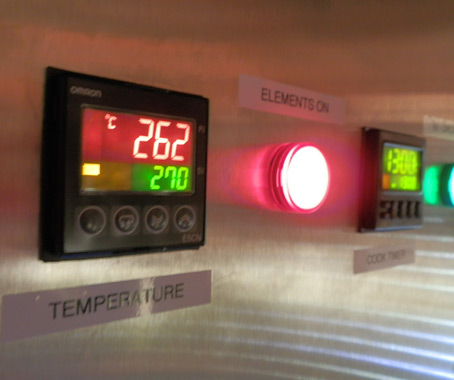
On the day, visitors can swing by the James Street Precinct to pick up their very own piece of Brisbane design in the form of the ROCK cup – designed by Lotersztain and manufactured by local maker Palamont. In fact, the limited edition ROCK cups will be made before your eyes, created on-site using rotational moulding.
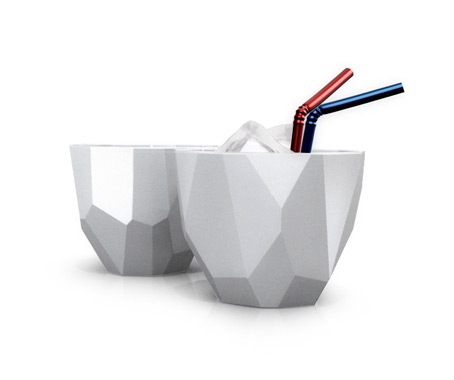
“Rock is an idea we’ve been working on here at the studio for a while,” Lotersztain explains.
“We wanted to design a plastic glass to drink cool cocktails from, but also the idea is that we could scale it to become a planter or something along those lines.”
For Lotersztain, there’s no better place to showcase local design and manufacture than Brisbane.
“There is always something going on; we are small, very collaborative communities,” he says. “We also have a very supportive Government; Arts Queensland has been behind some amazing design projects of late, which just shows that there is a very positive attitude to design in Queensland.”
Get along to the James Street Precinct on 26 May to see ’locally made’ in action. Sign up to howwecreate.com, stay informed and get involved.
How We Create
howwecreate.com
INDESIGN is on instagram
Follow @indesignlive
A searchable and comprehensive guide for specifying leading products and their suppliers
Keep up to date with the latest and greatest from our industry BFF's!
The internet never sleeps! Here's the stuff you might have missed