The home of architecture and design in the Asia-Pacific
Get the latest design news direct to your inbox!

Get the latest design news direct to your inbox!
The Building Code of Australia is the go-to bible for industry standards and regulations covering everything from floor coverings, to building materials, and construction details. We thought we’d take a look at one section of the BCA that covers the creation of rugs and consulted some industry experts on how much they know about the BCA.
May 13th, 2016
In the life of a commercial interior designer, there are many hats to wear. From the structural, electric, mechanical and hydraulic aspects of a fit out, to a deep understanding of the myriad finishes, lighting and loose furniture, it’s a case of not just jack-of-all trades, but master-of-all.
Underpinning all of this is the Building Code of Australia (BCA), the three-volume guideline that outlines the minimum standards of compliance in architecture and design in Australia. Covering all forms of structures from single dwelling homes to commercial spaces the BCA is still the comprehensive touchstone for industry standards. When it comes to flooring, for example, there are strict standards to comply with, relating primarily to safety and accessibility.
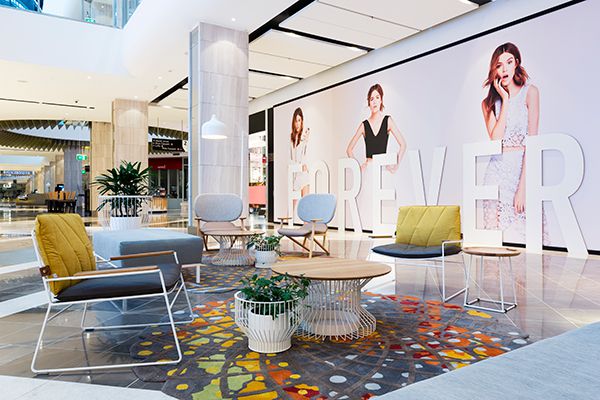
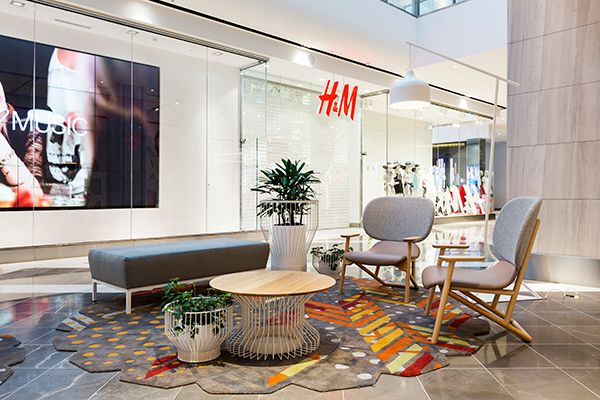
Macquarie Centre/Photography by Tom Ferguson/Design by Edge ID
For carpets and loose-laid rugs, the BCA asks that pile height and thickness should not exceed 11mm, with a maximum thickness of 4mm for carpet backing – to ensure ease of disability access. It also requires that carpet samples be subjected to testing in AS/ISO 9239.1-2003, to determine the ‘Critical Heat Flux’, or, ‘Critical Radiant Flux’, which calculates the amount of smoke emitted when the sample is lit on fire, as well as the time it takes for the sample to self-extinguish.
“There are regulations outlined in the BCA within AS1428.1 and AS 1428.2 with reference to carpets and ‘other soft floor coverings’. These specifically refer to fixed or recessed floor coverings and in particular to carpet installation,” outlines Jenny Deacon of GroupGSA. “For Government projects or public areas we may not specify a floor rug if it didn’t meet carpet compliance and prevented wheelchair access where appropriate.”
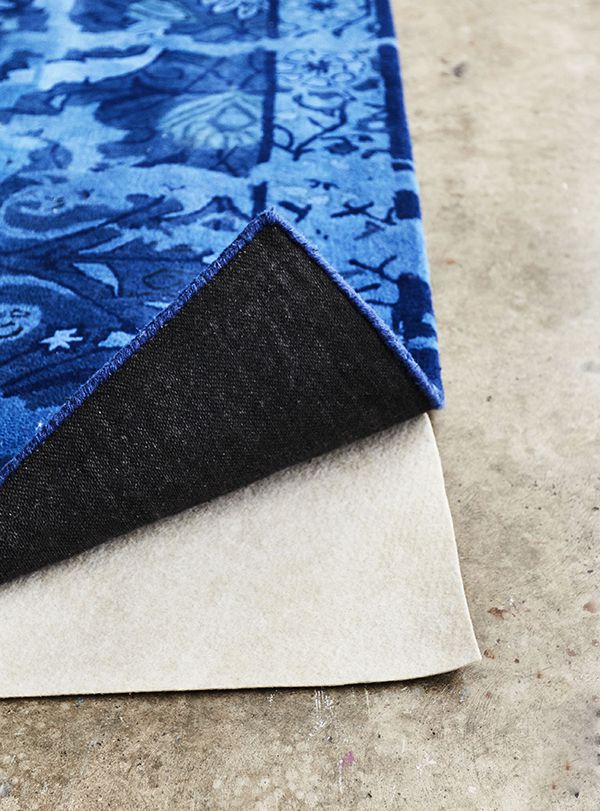
Karinna Gobbo, the director of Tappeti Fine Hand-Crafted Rugs + Carpets has ample experience at being on the other end of these discussions. As a carpet and rug supplier, she notes that, “Designers often have an assumption that when they specify a product for a commercial fit out that is meets commercial standards”. Which is not an unreasonable assumption, you might think – however, there are many products in the market that are non-compliant.
With the responsibility that comes with the trade, it’s crucial that interior designers use all the tools and resources they can. “When we specify materials we often seek guidance from a learned supplier: slip ratings for tiles, rub ratings for fabrics and textiles, acoustic ratings with cladding materials,” says Ali McShane of The Bold Collective. “We find that suppliers usually have the BCA information on hand that is relevant and up to date – that information is invaluable,” she adds.
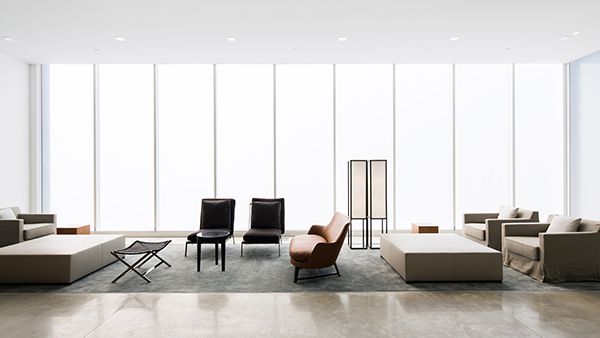
The Little National Hotel/Photography by Rodrigo Vargas/Design by Redgen Mathieson
For Tappeti, Karinna ensures that all of the Tappeti team are well equipped with the knowledge of current industry standards to best assist designers. In addition, she makes certain that all specified rugs comply with Australian regulations, from pile height to composition – no matter what the design or size. All products specified by Tappeti meet commercial standards unless specified for a different application.
“As a supplier of commercial and hospitality fit outs we always ensure the application and feasibility of the product is specified correctly,” explains Karinna. “We often get clients coming back to refresh or upgrade their interiors, and its always enjoyable discussing ideas and specifying products for clients to meet their commercial needs no matter how ambitious”.
Tappeti
tappeti.com.au
GSA Group
gsagroup.com
The Bold Collective
theboldcollective.com
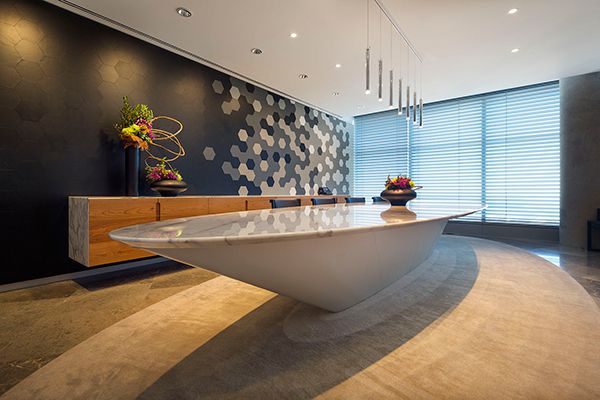
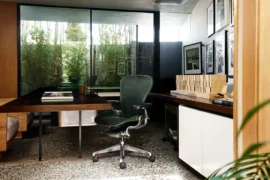
Herbert Smith Freehills, Sydney/Photography by John Golings/Design by BVN
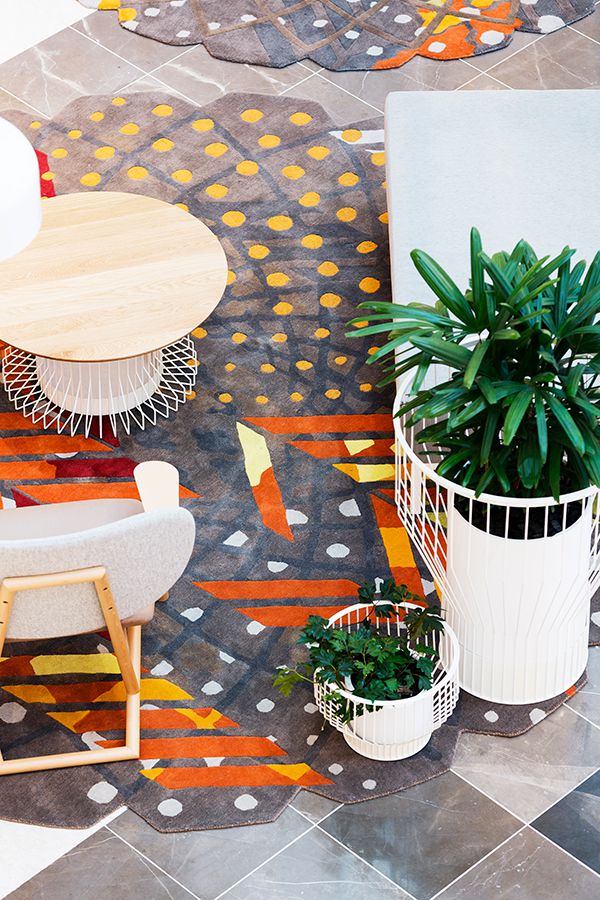
Macquarie Centre/Photography by Tom Ferguson/Design by Edge ID
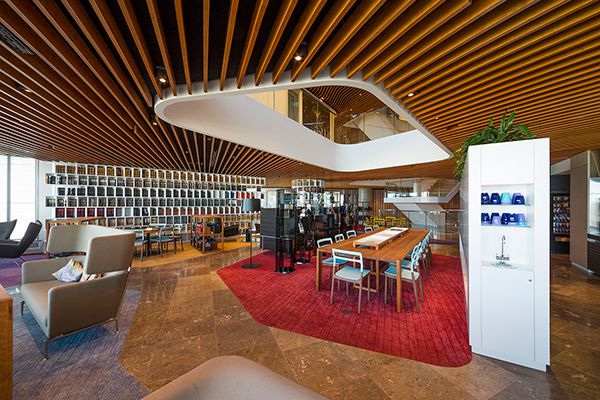
Herbert Smith Freehills, Sydney/Photography by John Golings/Design by BVN
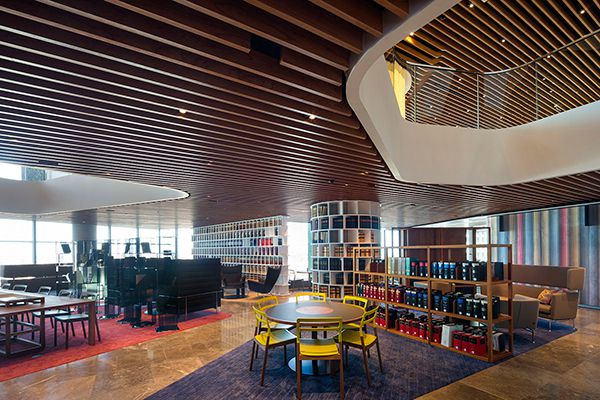
Herbert Smith Freehills, Sydney/Photography by John Golings/Design by BVN
INDESIGN is on instagram
Follow @indesignlive
A searchable and comprehensive guide for specifying leading products and their suppliers
Keep up to date with the latest and greatest from our industry BFF's!
The internet never sleeps! Here's the stuff you might have missed