The home of architecture and design in the Asia-Pacific
Get the latest design news direct to your inbox!

Get the latest design news direct to your inbox!
The London-based studio took art – and Korean art in particular – as the central inspiration for the interiors of Le Meridien Seoul.

David Collins Studio wanted to create a hotel unlike any other in Seoul – so they packed it with art, mid-century-style design, and references to traditional Korean crafts. The 19-story hotel with 336 guest rooms is packed with contemporary art and even boasts its own dedicated gallery, complete with a ten-metre screen for digital installations, called M Contemporary. The lobby features Bloom, a large-scale installation by Kim Heekyung using traditional Korean paper hanji.
Local art and craftsmanship also influenced the hotel’s furniture. Woven metal chairs and accessories follow the designs of an ancient Korean knotting technique known as maedeup. The hotel’s door handles are created using the hammered metal craft known as bangjia. Traditionally patterned fabrics trim the windows.
David Collins Studio had to tackle the headache of redesigning an old hotel while linking it to new buildings. The designers devised a completely new layout for the ground floor. Guests entering the lobby are flanked by decorative woven metal screens and squared-off columns clad in dark timber.
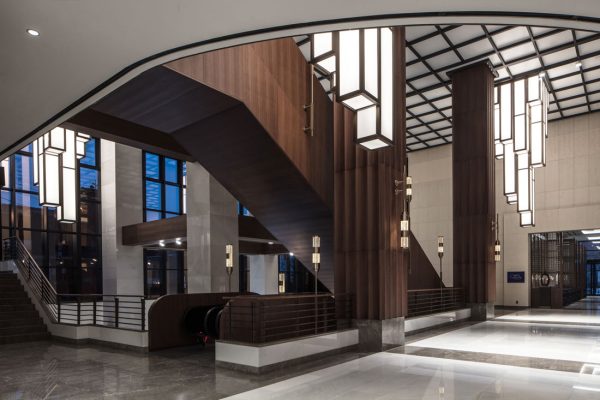
“The design adapted the existing structure to create a grand colonnade running the length of the ‘old’ to evoke a sense of grandeur and [provide] a rhythm to the space,” said David Collins Studio’s Design Director Lewis Taylor. In the presidential suite, the designers removed the floor above to create a dramatic double-height living room. They introduced a number of outdoor spaces so that many rooms have balconies and the all-day dining restaurant Chef’s Palette has both a terrace and a winter garden.
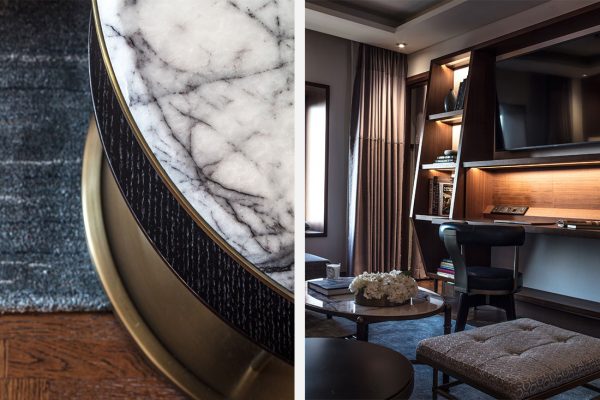
Taylor believes the hotel’s striking colour palette also sets it apart from other hotels in the South Korean capital. “The Chairman of the hotel chose David Collins Studio for our confident use of colour, which is apparent through all areas of the hotel, from the bright blue sculpture in the lobby upon arrival to the lavender, greens and blues of the rooms,” says Taylor. Rooms are finished with custom oak floors, velvet upholstery, and other rich fabrics in a modernist style.
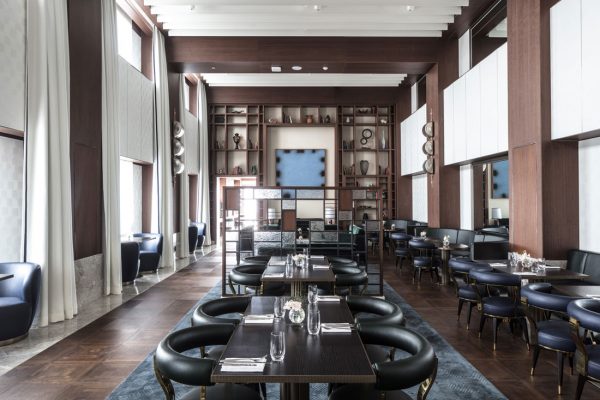
The restaurant Chef’s Palette is divided into a series of interconnected sections with palm wood, marble and brass finishes and upholstery in blue and pink grain leathers. White tiles and glass-block screens arranged in a grid divide the buffet area into smaller and more intimate sections.
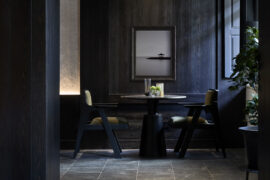
Like much of the hotel, the grand ballroom was informed by mid-century aesthetics blended with Korean heritage references, in this case pojagi panelling. The studio created exclusivity and intimacy in the hotel’s private lounge with dark timber, dark green and navy velvets, leather, and warm red accents.
INDESIGN is on instagram
Follow @indesignlive
A searchable and comprehensive guide for specifying leading products and their suppliers
Keep up to date with the latest and greatest from our industry BFF's!
The internet never sleeps! Here's the stuff you might have missed