The home of architecture and design in the Asia-Pacific
Get the latest design news direct to your inbox!

Get the latest design news direct to your inbox!
The Managing Director of Li&Co talks about chasing the dream.
December 16th, 2015
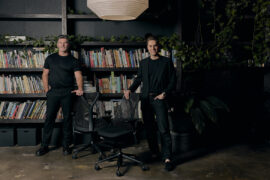
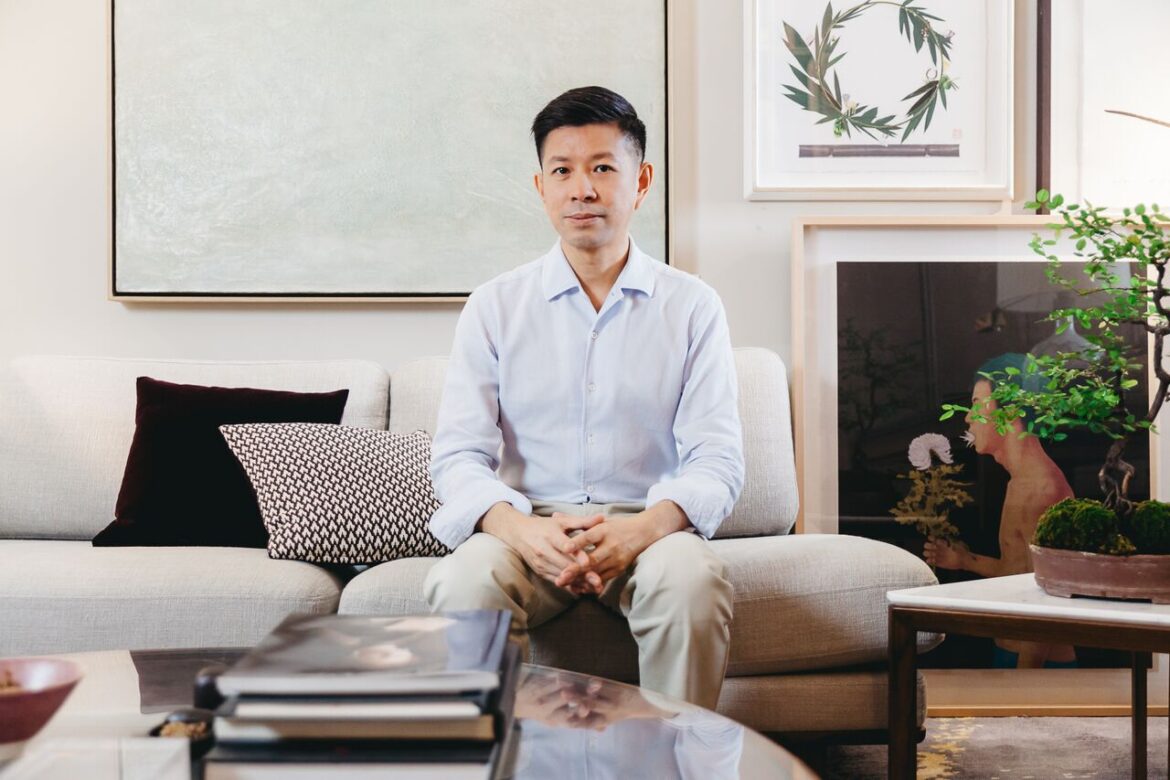
As co-founder of Li&Co. Design Limited, US-born, HK designer Johnny Li brings his own brand of refined luxury to the high-end projects he works on. The result is subtle yet multi-layered design that speaks volumes without having to shout about it, and it’s an approach that has seen Li&Co win clients such as Van Cleef & Arpels, Joyce Ma, Richemont, Blanc de Chine and Shangri-La Hotels and Resorts. Li is also the brains behind Yīline, a collection of beautiful, perfectly formed furniture that can be found at PMQ in Hong Kong, alongside exquisite homewares amassed by Li and his team on their travels.
Li recently gave a talk about the future of good design at Business of Design Week 2015 (BoDW): here, he talks about what makes good design and the role of dreaming.
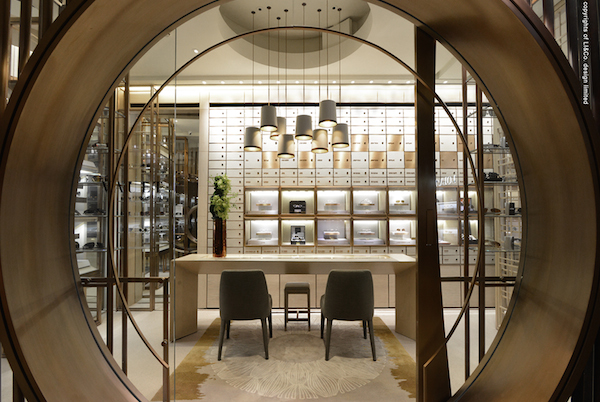 Li has made a name for himself designing spaces for luxury brands
At BoDW, you spoke about how good design influences the future. What are your thoughts on this?
I’m quite skeptical about predicting the future, and I’m not a philosopher. [In my view,] good design benefits the world today, and it may or may not influence the future. But quite often, good designs come into being because of someone’s dream from the past. Dreaming really influences people – it’s why we have companies like Apple, because [Steve Jobs] dreamt about it. People are always chasing something, so they forget to pause and dream.
What are your personal dreams?
My personal dream is to continue to do projects that challenge me, and to do more of them.
I’m still dreaming that one day Chinese design will reach a level of sophistication that puts it in parallel with some of the masters, who believe in design that has just the right amount of detail – you don’t need that frill.
A lot of the Chinese design out there is too rich – a lot of Chinese creations are over designed. After all the show and opulence, we need to rethink what Chinese design is. Designers need to educate themselves. I do think less is more. Form follows function – these are the words of a great master [Louis Sullivan] and they’re true.
I’m also still dreaming that I can play tennis!
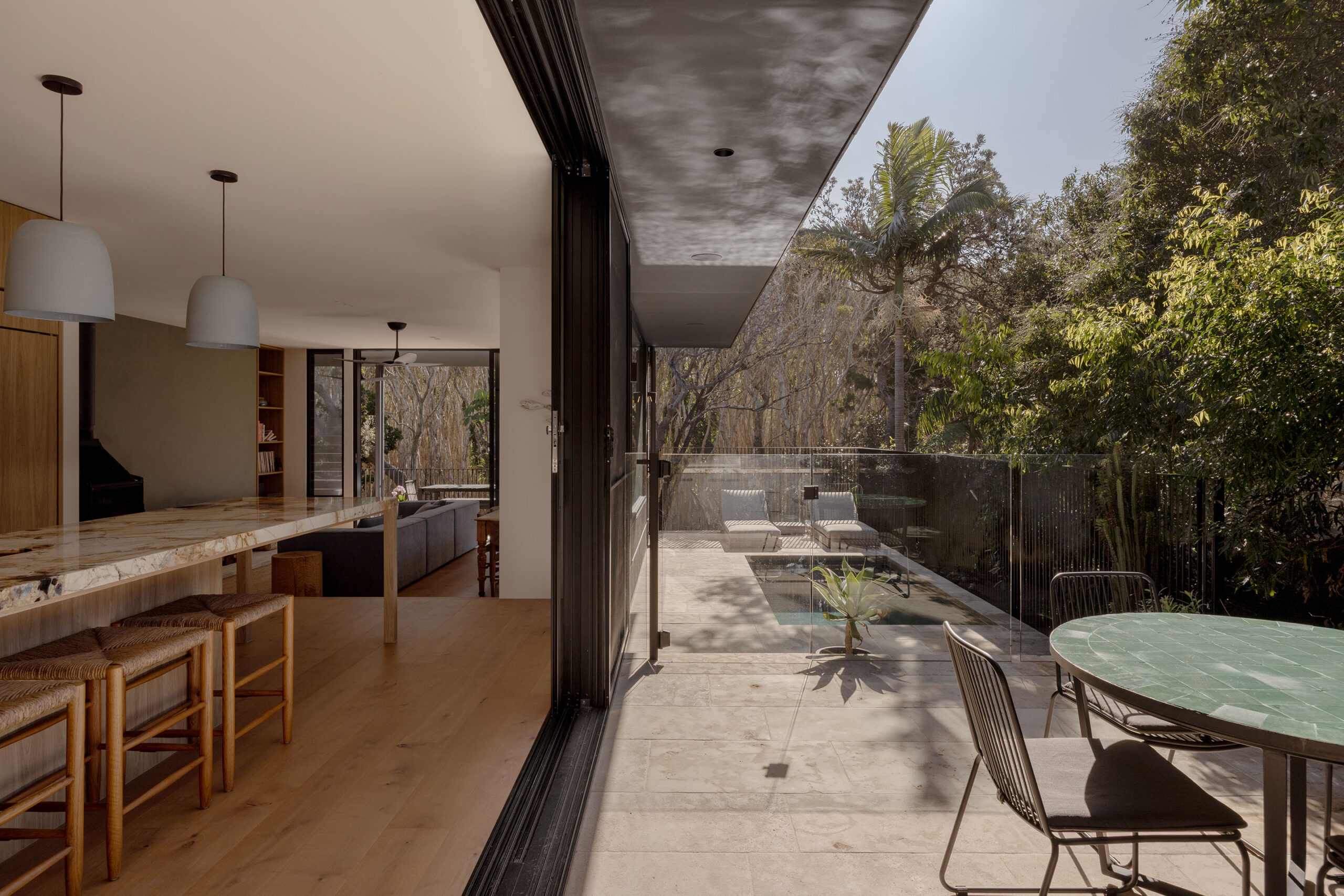
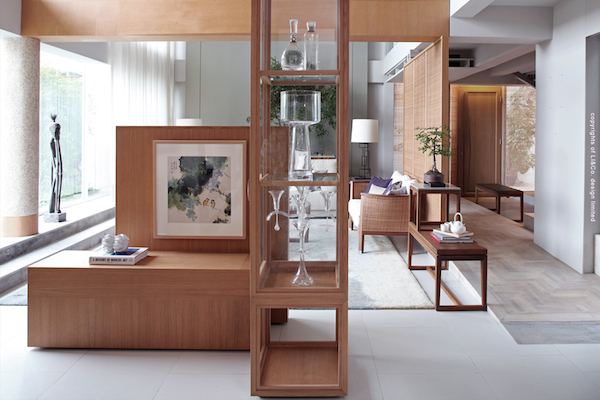 One of Li&Co.’s residential projects demonstrates Li’s refined approach to luxury
How would you define your own design, given you grew up in the US but you’re from Hong Kong?
I count myself as a Chinese designer, even though I was raised in the West. But one thing I hate is when people describe my work as East meets West and West meets East. In my book, they never met. One of the words I use all the time [in relation to my designs] is ‘amalgamation’.
Design is going global, whether you like it or not – everyone has their own interpretation.
What are you working on now?
We’re working on the Van Cleef school [of jewellery and watchmaking], which is coming back to Hong Kong in March. We’re also doing something in Taipei, a residential development for a developer. We don’t do residential that often, but this is a showhome. We’d also like to get out of Hong Kong more, and to share our knowledge.
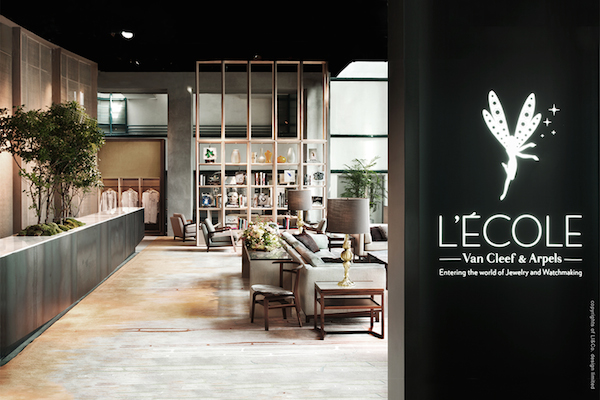 Li&Co.’s design for L’Ecole by Van Cleef & Arpels
What’s your advice to young designers?
If you don’t have the guts, leave now. But if you have the passion, keep dreaming.
Li&Co. Design Limited
lincodl.com
Business of Design Week
bodw.com
INDESIGN is on instagram
Follow @indesignlive
A searchable and comprehensive guide for specifying leading products and their suppliers
Keep up to date with the latest and greatest from our industry BFF's!
The internet never sleeps! Here's the stuff you might have missed