workplace, workplace design, Futurespace, work zones, agile working, workforce models, future of the workplace
Located in the relatively stale business district of Macquarie Park in Sydney’s North West, AstraZeneca’s new Australian headquarters are an inspired zone of their own. Designed by Futurespace, the new 3,000 square metre agile based office is intended to supply the company’s 200 office bound employees with a range of choices for how and where they want to work.
“[AstraZeneca] had outgrown their previous building,” explains Managing Director of Futurespace, Angela Ferguson. An opportunity arose for the pharmaceutical business to shift into a new building, and to establish a custom design that would suit the way they worked as well as being more sustainable and efficient. “They had also developed a set of global working guidelines called ‘iwork’, and the move was also an opportunity to adopt this new, more agile way of working,” Ferguson continues.
Goals for AstraZeneca’s new office design included creating a sense of community between teams and individuals, providing a framework to support agile working behaviours, as well as collaborative and individual work, and access to natural light and the outdoors. Futurespace were also briefed to create a new aesthetic that would align and reinforce AstraZeneca’s brand culture.
The company had already embraced agile practices at its other headquarters elsewhere in the world, though Futurespace were tasked with taking a more localised approach to the overall agile work concept. As for what this means in practice, Ferguson says, “We did this by aligning the global ideas with the local culture”. As part of the design development process, Futurespace ran tests to see what agility meant for the local team through a series of workshops, briefing sessions, interviews and co-creation activities.
The resulting local-global-agile design includes elements of democratic spatial design, such as equal quality of accommodation for all staff, and ensuring management is accessible to all employees. Additionally, the space focuses both visually and physically on the brands connection to science, and uses more natural materials and finishes.
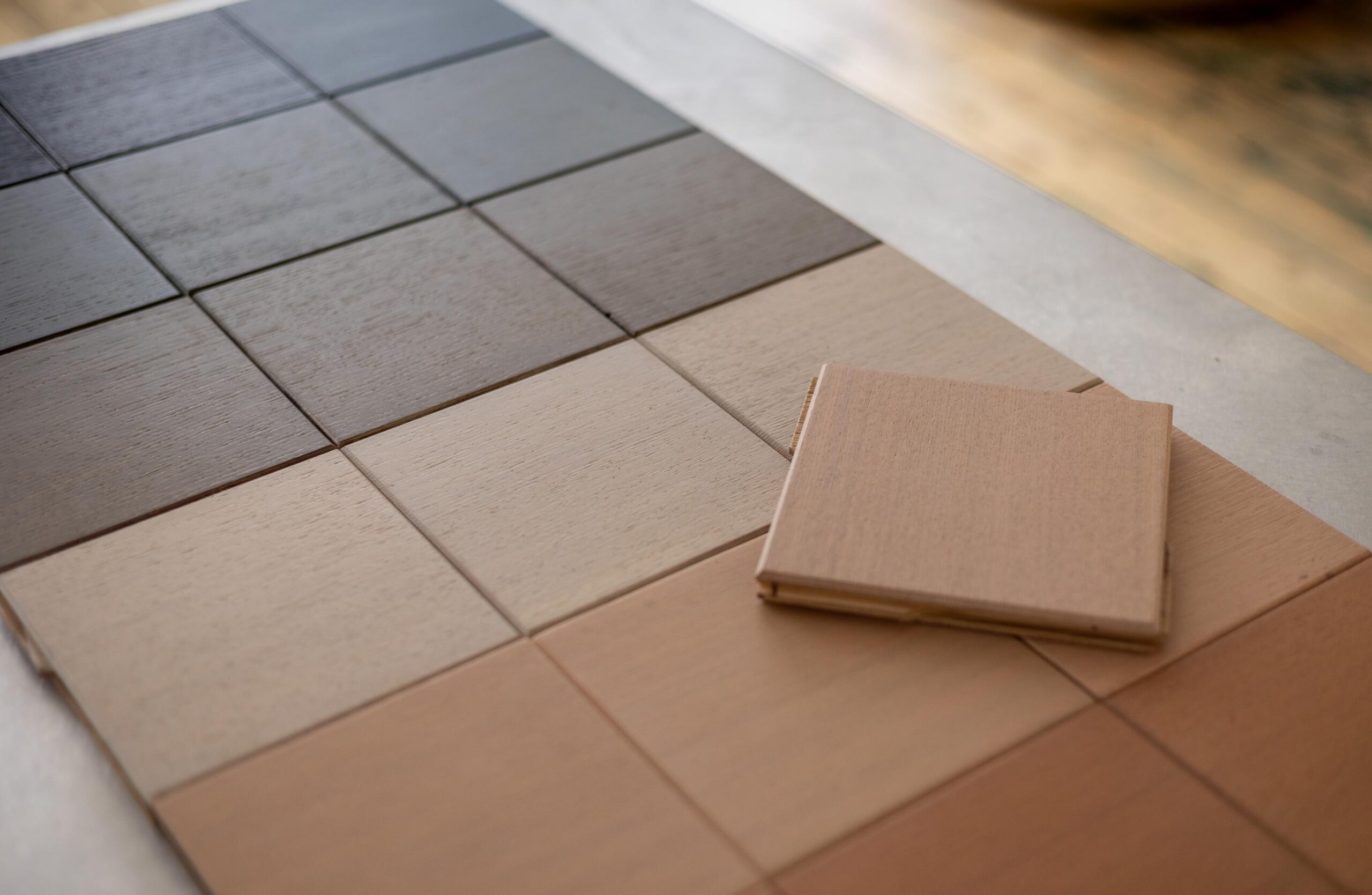
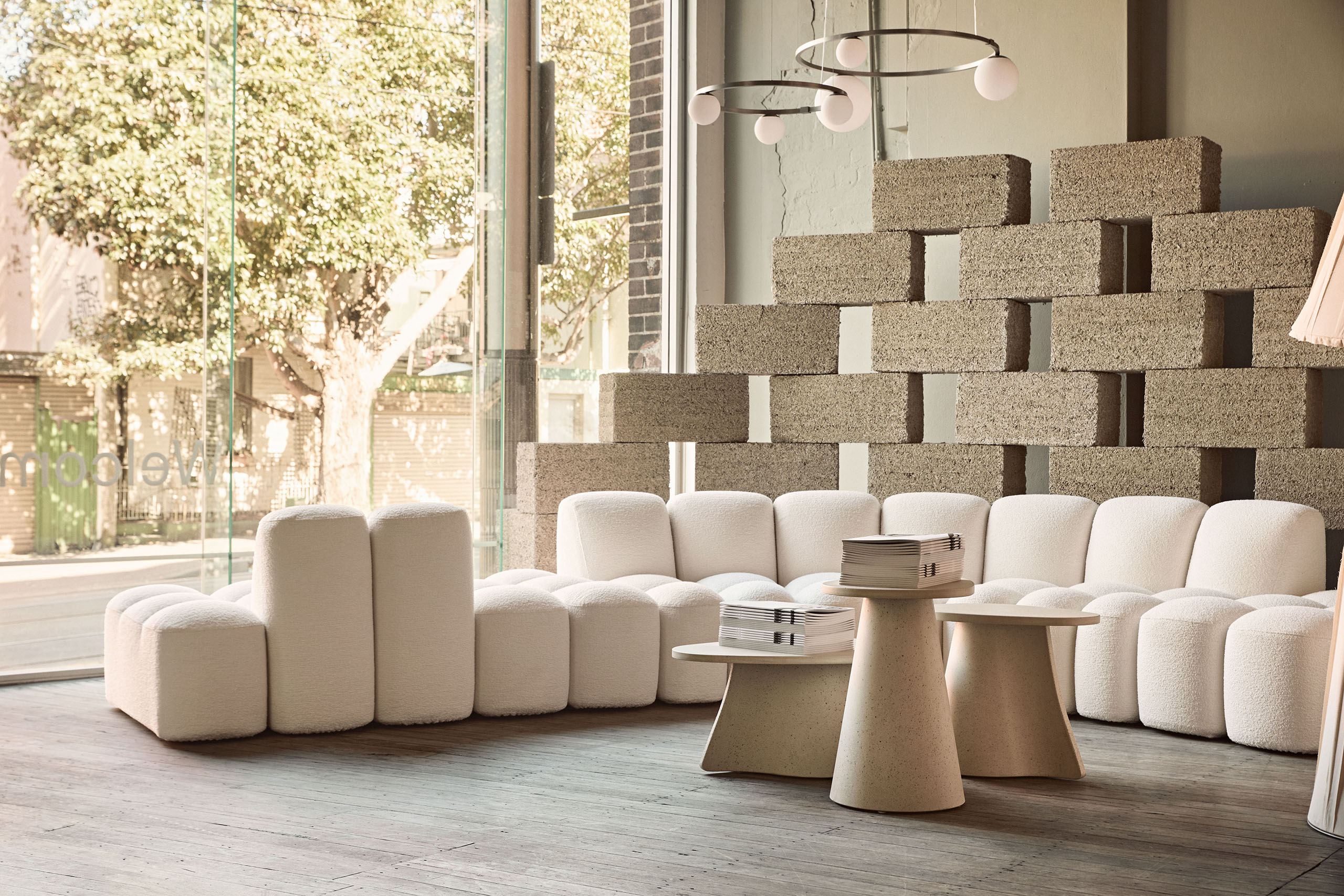
Materials in the space are “textural, natural, with colour carefully chosen for the mood it promotes,” adds Ferguson. “Materials are important because we experience the world through our senses. For us materials are less about aesthetic and more about creating an experience that is aligned with the objectives of the project.”
“Community is an important, strong part of the culture,” adds Ferguson. “The new workplace is more of a community.” Divided into four distinct zones, AstraZeneca staff will now be liberated from their desk-bound experience. Futurespace’s zones include an unplugged zone for highly interactive vis a vis management activities; a connected zone for meetings, collaboration and video conferencing; a base zone for open plan, project and private work areas; and lastly – a virtual zone that is based on virtual rather than physical design. It’s made up of the integrated technology overlaid in and out of the workplace for employees.
“In order to meet some of the new premises goals around collaborative work, embracing new technology and connecting people, the Virtual Zone was an important element of the design,” says Ferguson. “Video conferencing and mobile screens were implemented to achieve these goals. The mobile screens allow for horizontal or vertical viewing and can also be laid flat and act as a collaborative touch screen table.”
For Ferguson, workplace agility is a fluid design solution that can be tailored to specific corporate cultures and their locales. This is an approach Futurespace has put in to practice for the likes of Microsoft, JLL and REA Group. “Agility is not limited by sector or appropriate only for certain types of companies,” she says. “We align a design response to a company’s unique culture. Therefore, the agility for AstraZeneca is a very specific type that suits them as an organisation. It’s bespoke, rather than cookie cutter.”