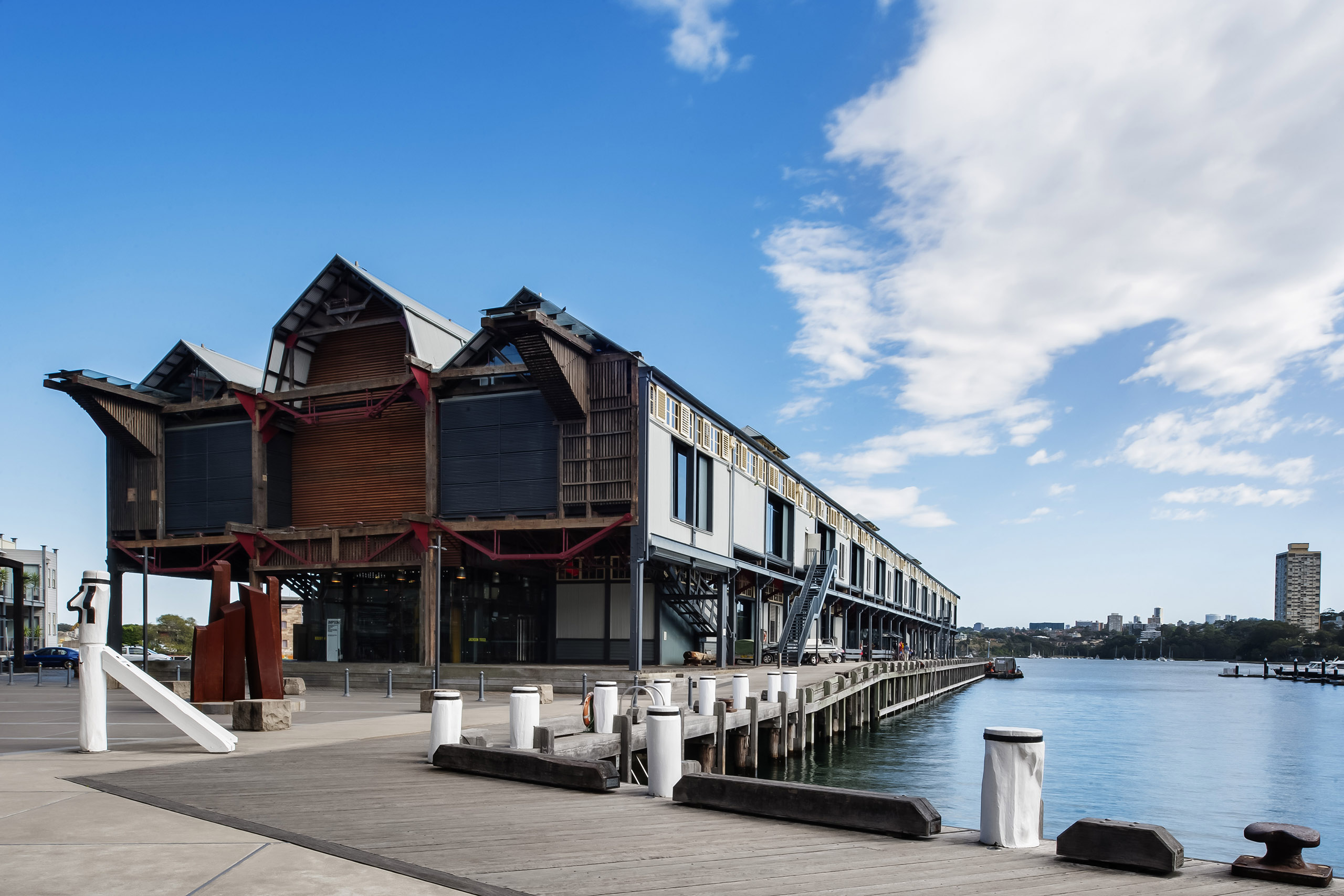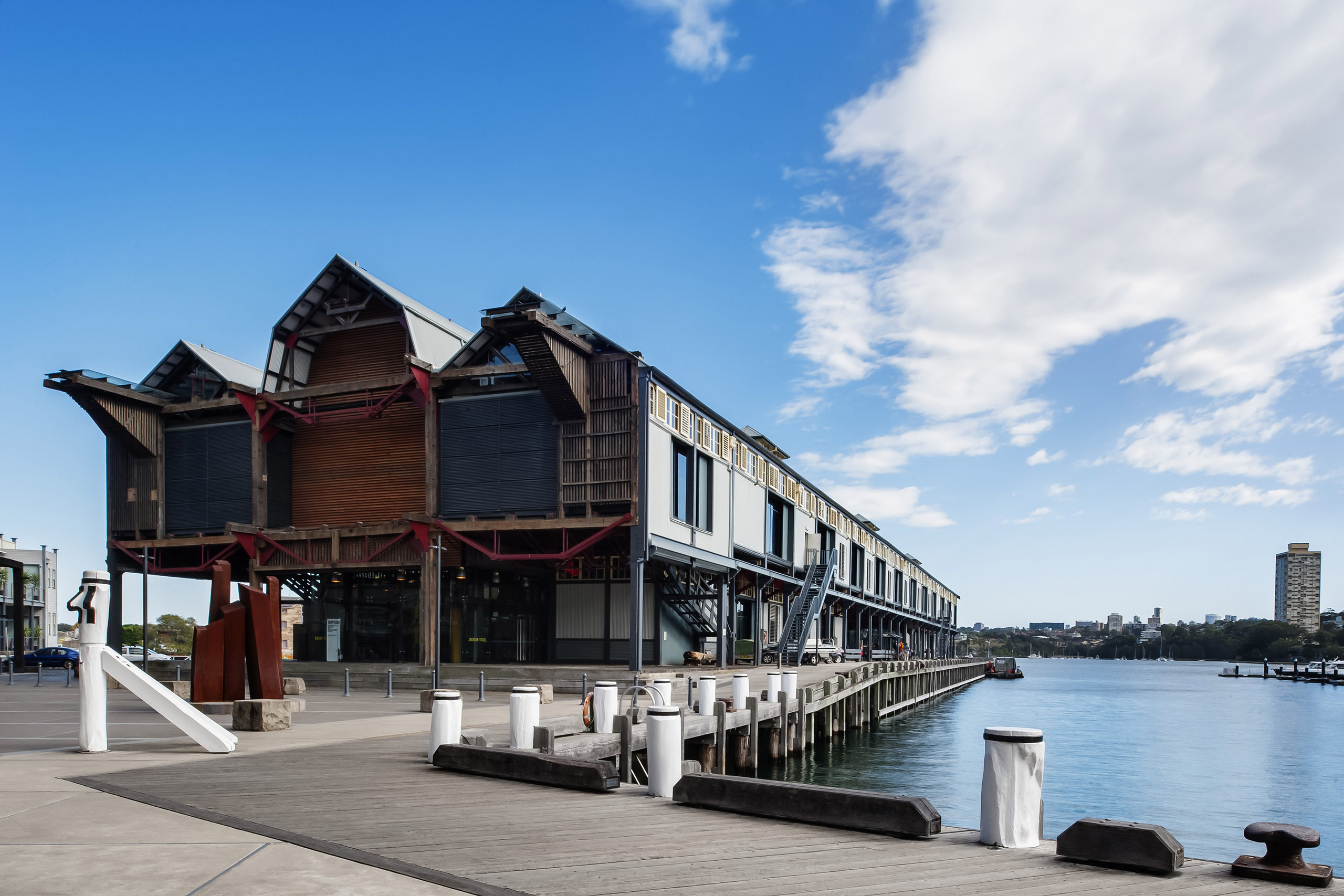
ThriveInspiration™ International Design Lab is a new research hub with global input, multi-sectoral research points and a specific focus on the Australian housing crisis. Based at Hassell’s Walsh Bay studio in Sydney, the Lab is set to provide a setting for prototyping, evaluating and refining modular housing systems before they reach the market. Its objective is to accelerate the delivery of affordable housing while maintaining standards of liveability, sustainability, resilience and design quality.
The initiative brings together four principal partners: Hassell, Western Sydney University (WSU), ThriveInspiration™ and China State Construction Engineering Corporation (CSCEC), alongside government, industry and community stakeholders.
Hassell is responsible for ensuring that housing designs respond to Australian conditions, including local climates, planning frameworks, supply chains and community expectations. WSU contributes independent research, testing and evidence, while ThriveInspiration™ coordinates commercialisation, projects and stakeholder engagement. CSCEC brings large-scale manufacturing and construction expertise, building on an agreement signed with Thrive Alliance in December 2025.
“Modular construction only works if the design is right first,” says Kristen Whittle, Principal and Global Leader of MMC at Hassell. “Speed and scale mean nothing if the homes we build don’t respond to how Australians actually live. That’s the job of design – making sure efficiency and liveability aren’t a trade-off.”
Barrie Harrop, chairman of ThriveInspiration™, comments: “This launch showcases how international manufacturing expertise can be combined with Australian design leadership, research capability and local supply chains. Our focus is on delivering high-quality, adaptable and scalable housing more efficiently, without compromising the Australian expectations for liveability, sustainability, resilience and design quality.”
The Lab’s establishment is especially notable in the context of the gap between national housing targets and projected delivery. Australia’s National Housing Accord, for example, aims for 1.2 million new homes between July 2024 and June 2029, but the National Housing Supply and Affordability Council expects the target will not be met until the end of 2030.
The initiative positions design as a critical part of addressing this shortfall. While modern methods of construction can support faster and more consistent delivery, their effectiveness depends on housing that is appropriately designed for its context and occupants. The collaboration will investigate innovation across design, digital technologies, construction and social value, with an emphasis on creating adaptable homes that can be delivered at scale.
Philosophically speaking, the Lab is orientated towards deep theoretical questions about what it means for humans to feel at home – indeed, what it is to make a home – in the modern industrial world. Research aims to maintain an emphasis on the human side of design while improving productivity and efficiency in construction, all while capturing the qualitative aspects in measurable, quantifiable data.
The launch was accompanied by a senior-level workshop involving government, industry, research and design representatives. Discussions focused on the policy, planning and investment settings needed to move modular housing beyond individual projects towards more consistent, large-scale delivery.
Through the lab, the partners aim to establish a research-led model that combines international manufacturing capacity with Australian design expertise and local delivery requirements, supporting a more efficient and scalable approach to affordable housing.
Professor Greg Morrison, co-director of the Urban Transformations Research Centre at WSU, concludes: “Experts from WSU and Hassell will collaborate together across a series of innovation platforms, including design, digital, construction and social value… We will be creating and making quality, resilient homes that are future-ready.”
Hassell
hassellstudio.com