The Australian Institute of Architects has announced the winners of the 2026 National Architecture Awards, recognising projects that demonstrate how architecture can respond to some of the country’s most pressing challenges while continuing to create places of cultural and civic significance.
Announced at a ceremony in Brisbane on 29th October, this year’s awards span residential, commercial, educational, public and international architecture, alongside heritage, sustainability, interiors and urban design.
Across the program, the national jury identified a growing emphasis on adaptive reuse, environmental performance, First Nations collaboration and more considered approaches to housing. Rather than pursuing scale or architectural spectacle for its own sake, many of the recognised projects demonstrate the value of restraint, resourcefulness and a deeper engagement with place.
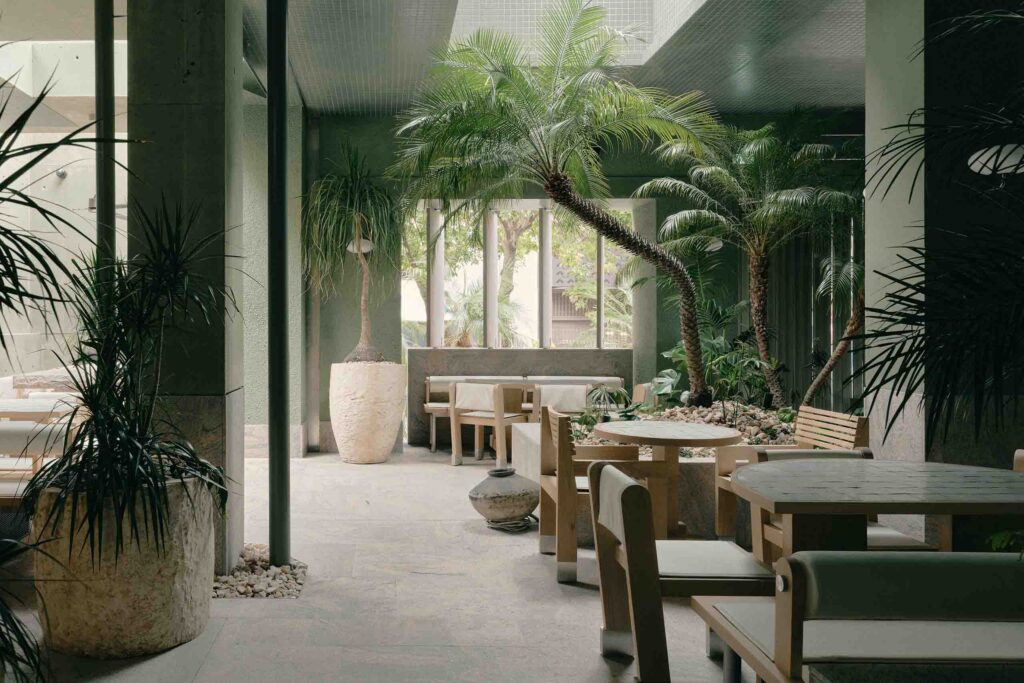
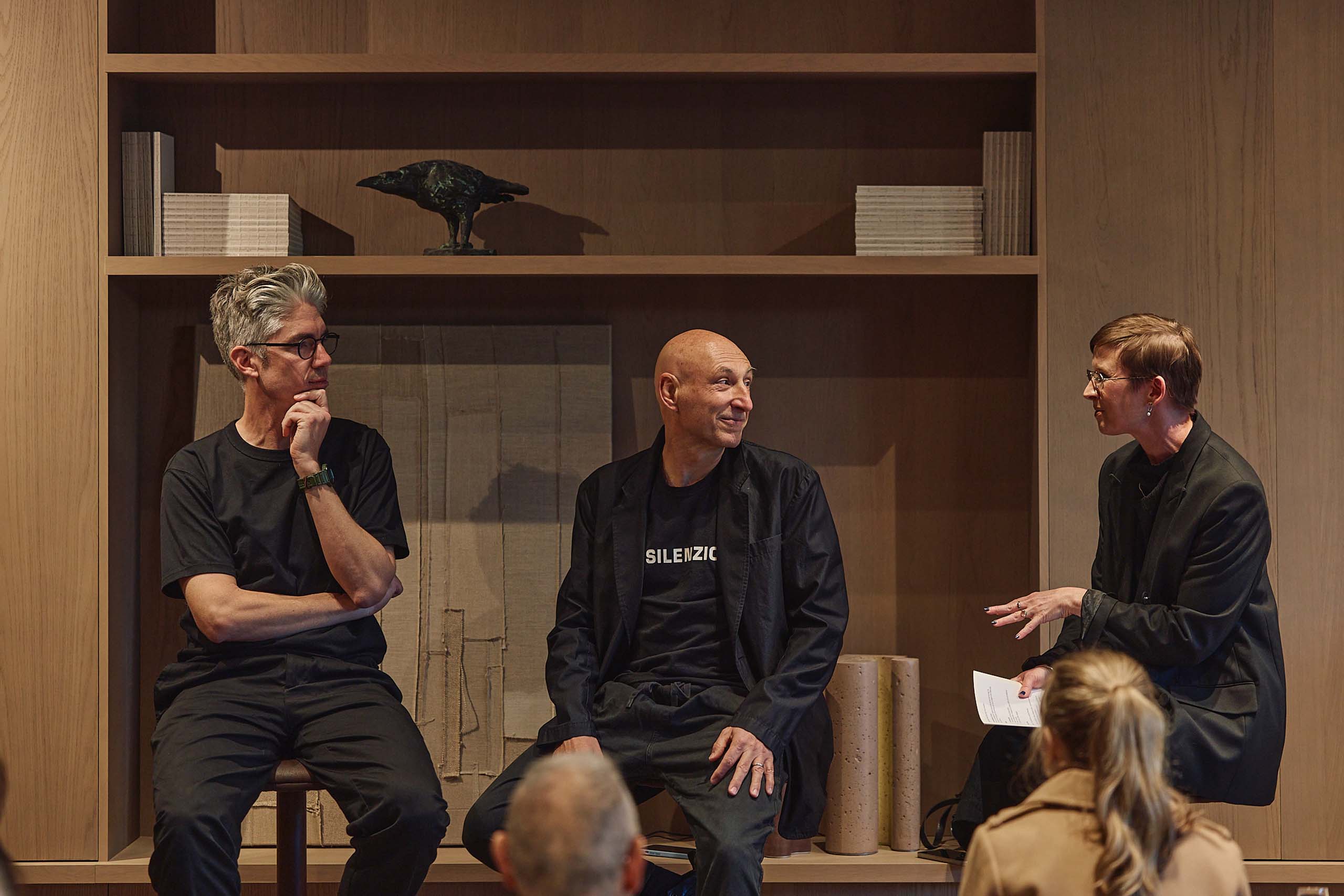
Jury chair Adam Haddow described an underlying sense of optimism among the winning projects: “There was an energy of hope in the projects we saw this year, a sense of communities coming together to challenge assumptions.”
That optimism is perhaps most clearly expressed in Yitpi Yartapuultiku (The Soul of Port Adelaide), designed by Ashley Halliday Architects together with the Yitpi Yartapuultiku Aboriginal Working Group and Wax Design. The project received three major honours: the Sir Zelman Cowen Award for Public Architecture, the David Oppenheim Award for Sustainable Architecture and the COLORBOND Award for Steel Architecture.
Related: Apartment living, beyond the floor plan
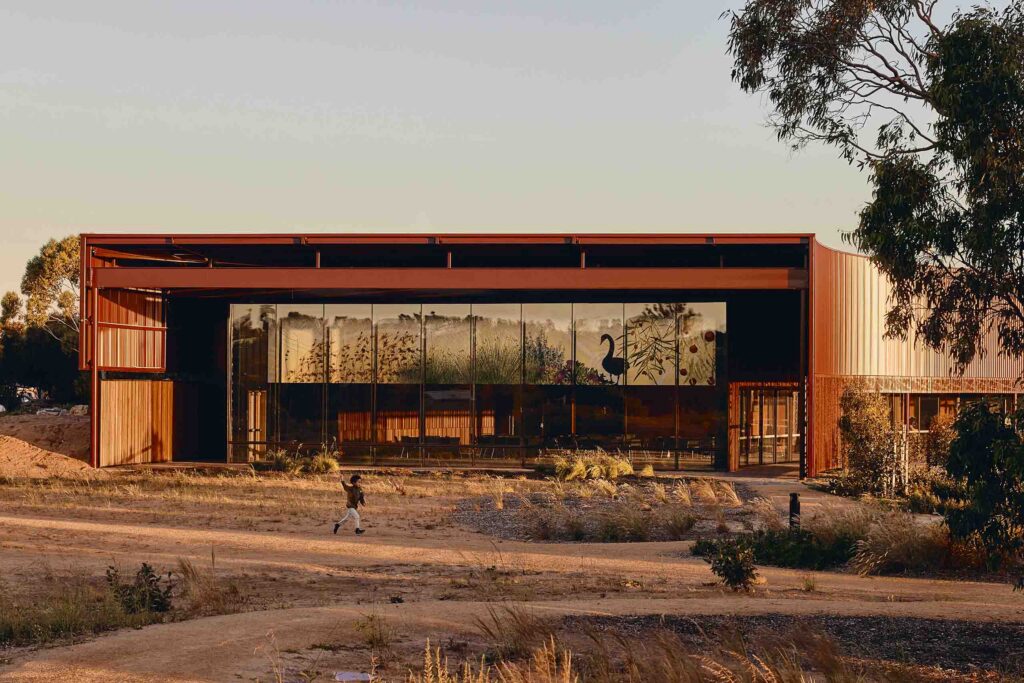
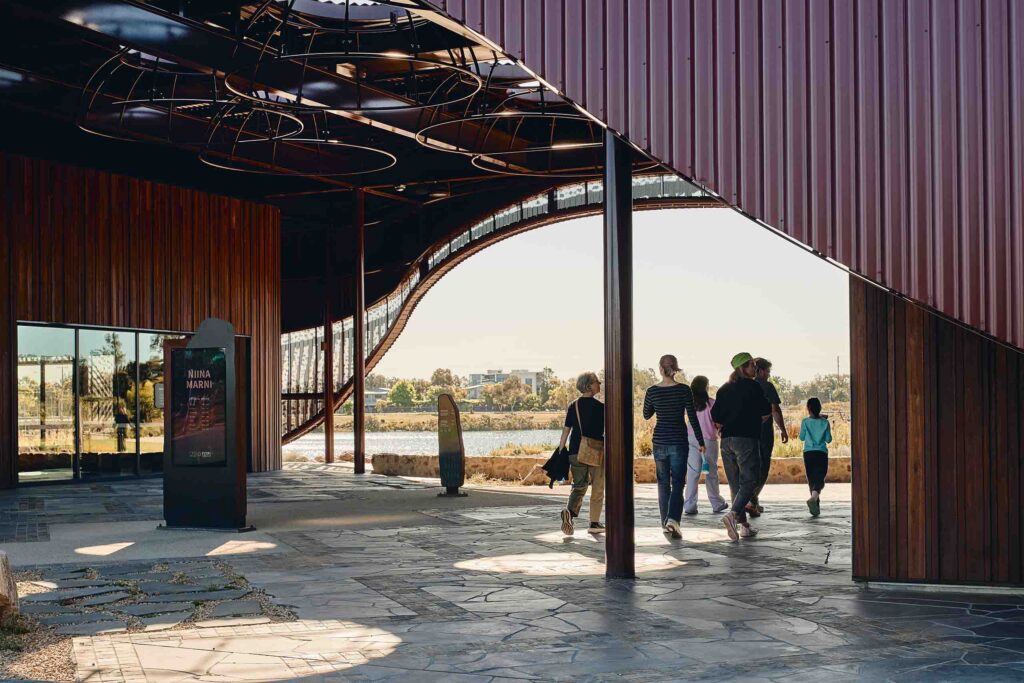
Developed through close collaboration with Traditional Owners and Elders, the project transforms degraded coastal land into a cultural landscape that combines ecological regeneration, community infrastructure and a strong architectural response to Country. Its environmental strategies extend beyond the building itself to encompass shoreline restoration, renewable energy and water conservation.
The recognition reflects a broader shift in the way cultural knowledge and environmental responsibility are being integrated into architectural practice, particularly in public projects.
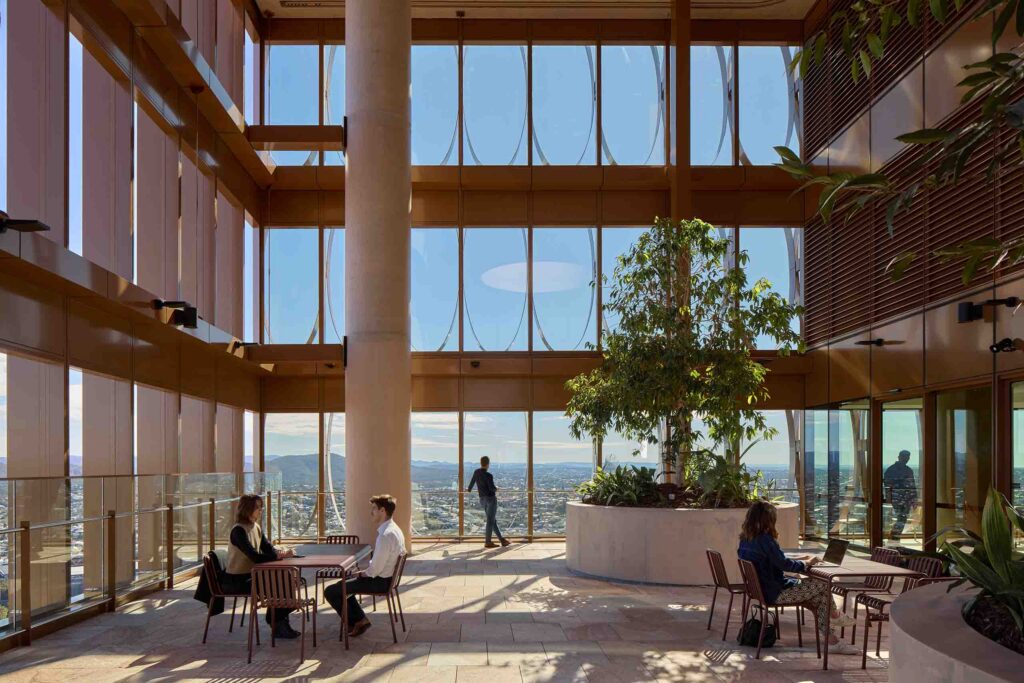
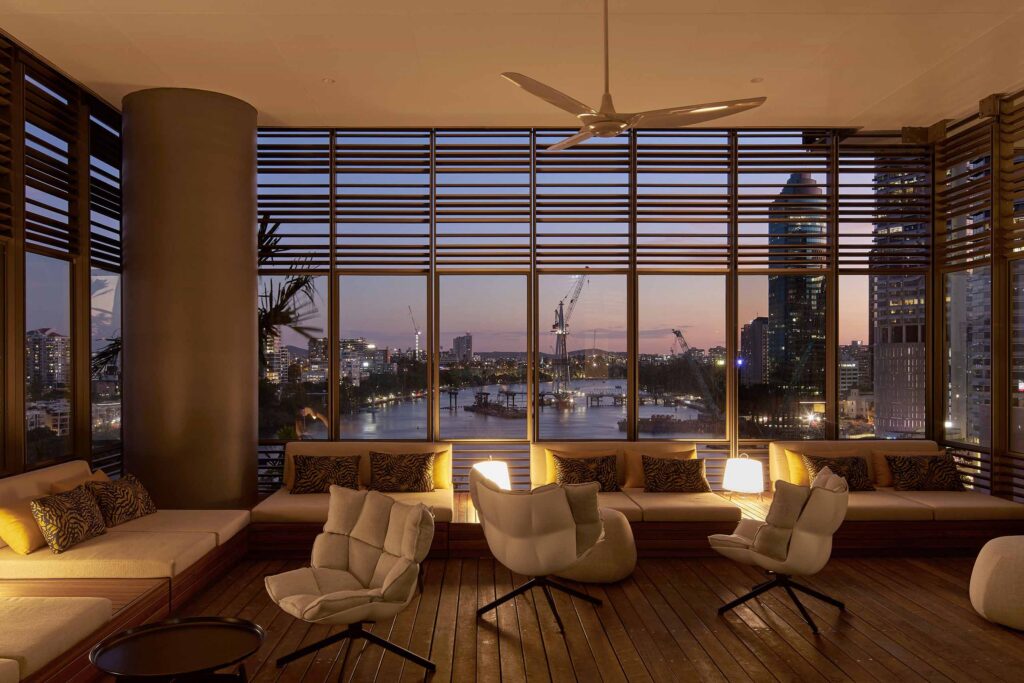
Elsewhere, the Harry Seidler Award for Commercial Architecture went to 205 North Quay by Hassell, REX and Richards & Spence. The Brisbane development reconsiders the relationship between commercial buildings and the public realm, lifting the tower above the street to create a generous civic space beneath.
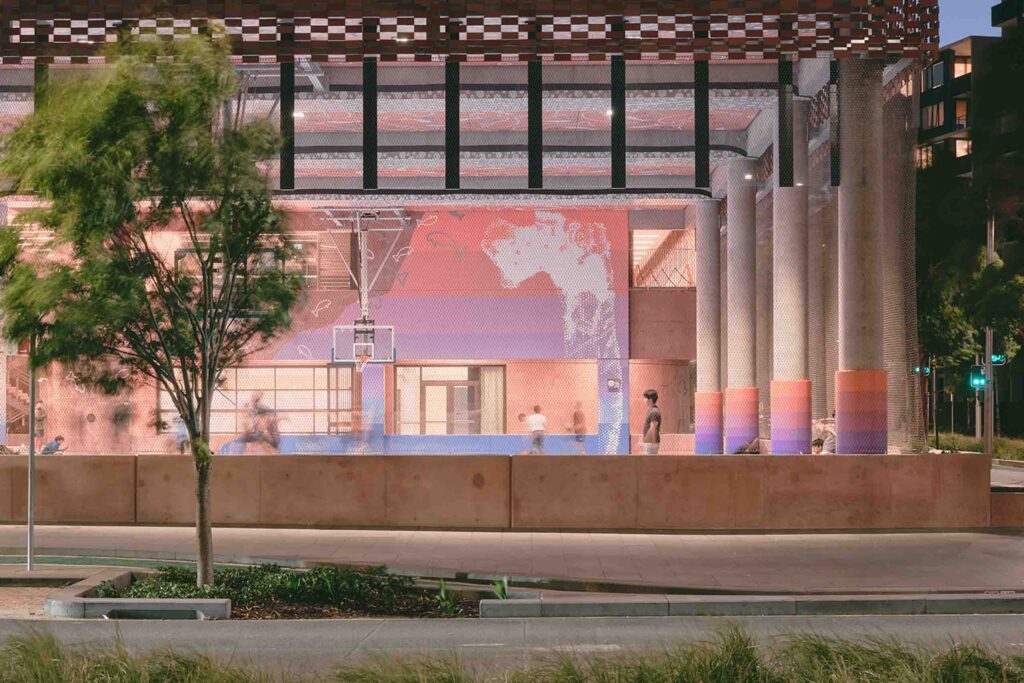
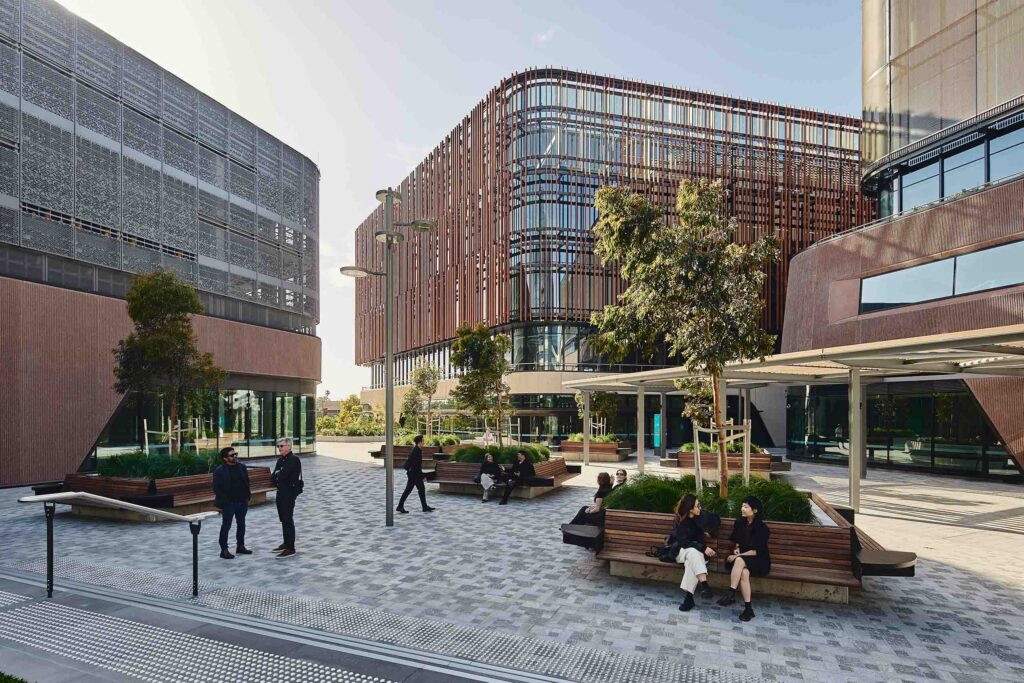
The Daryl Jackson Award for Educational Architecture was awarded to Green Square Public School and Community Spaces by BVN. Combining primary school facilities with publicly accessible community infrastructure, the project offers an alternative to the traditionally enclosed school campus. Its integration of First Nations artwork and community facilities demonstrates how educational architecture can contribute to the wider neighbourhood.
Housing remains a significant focus of the awards, particularly as affordability, density and environmental performance become increasingly difficult to reconcile.
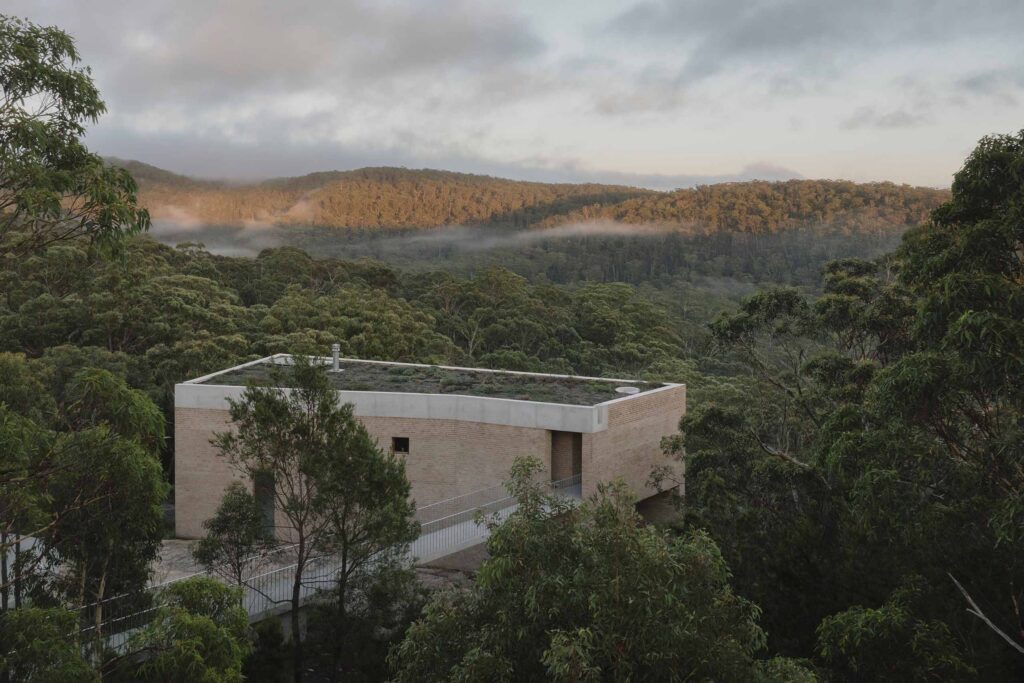
The Robin Boyd Award for Residential Architecture – Houses (New) went to Eric Street by Officer Woods Architects. Located in Cottesloe, the project accommodates two residences on a site previously occupied by a single-family home, using carefully planned indoor and outdoor spaces to balance privacy, flexibility and neighbourhood connection.
Meanwhile, Lacebark by Smart Design Studio received the Frederick Romberg Award for Residential Architecture – Multiple Housing. The Norwest development demonstrates how passive design and careful apartment planning can improve thermal comfort and environmental performance within a commercially driven housing model.
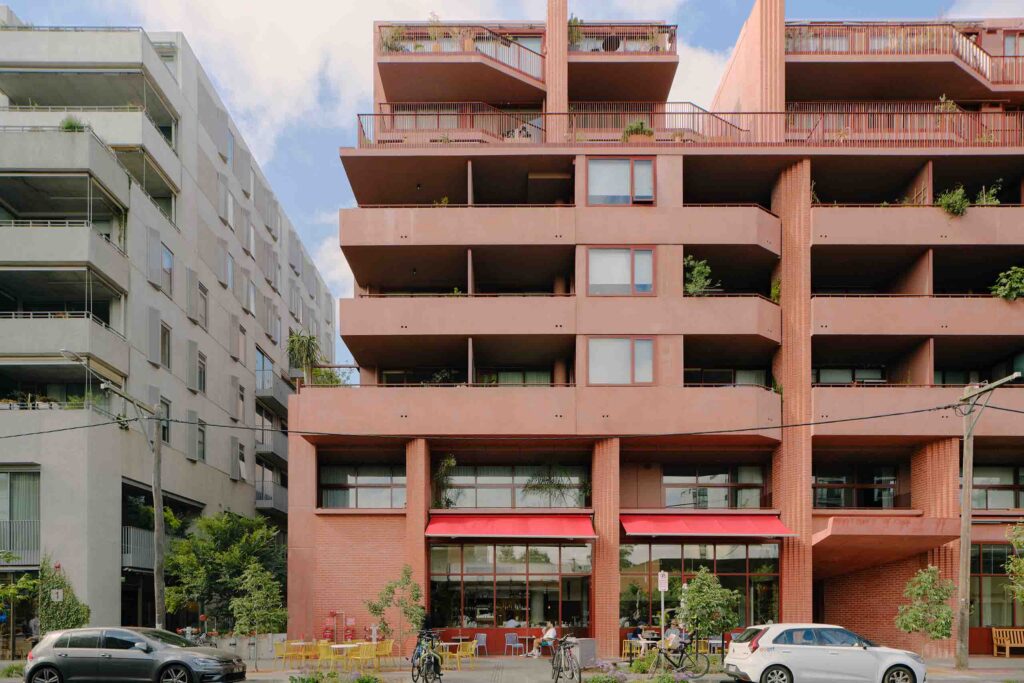
The recognition of Merri Northcote by Six Degrees Architects is also significant. Incorporating 250 homes, including 99 social housing dwellings, the project demonstrates how mixed-tenure residential development can combine social inclusion, environmental performance and neighbourhood amenity.
Adaptive reuse and conservation emerged as equally important themes. Adelaide Town Hall by Swanbury Penglase received the Lachlan Macquarie Award for Heritage, recognising a conservation program informed by extensive historical research and technical expertise.
In Tasmania, The Forest by Woods Bagot received national awards in both educational and sustainable architecture. The University of Tasmania project brings together existing buildings in Hobart’s CBD, demonstrating the potential of retaining and transforming existing structures rather than replacing them.
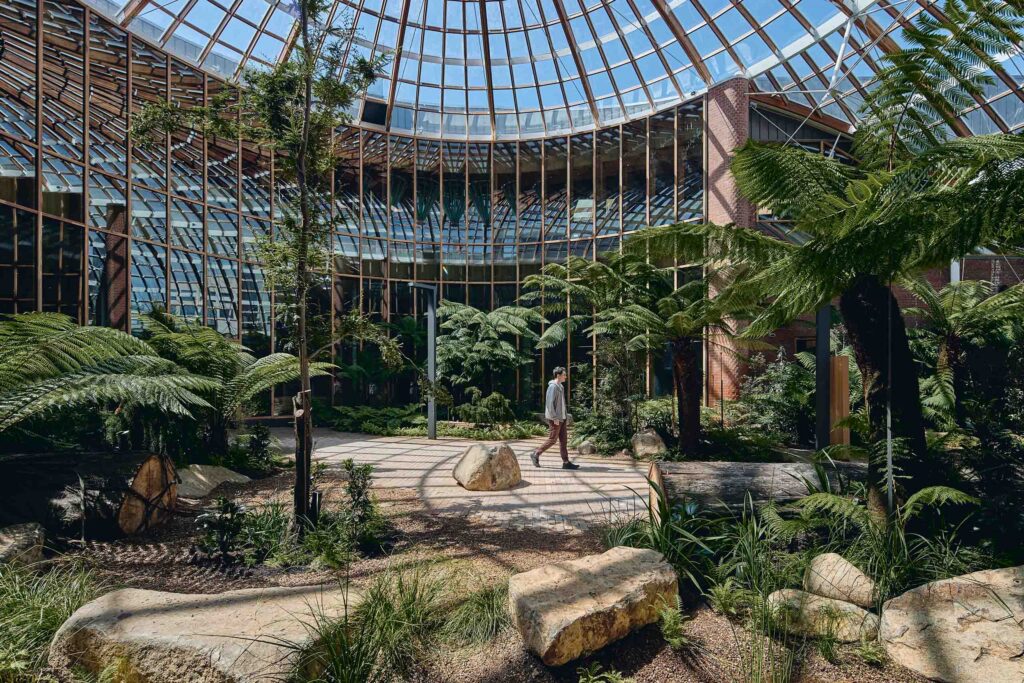
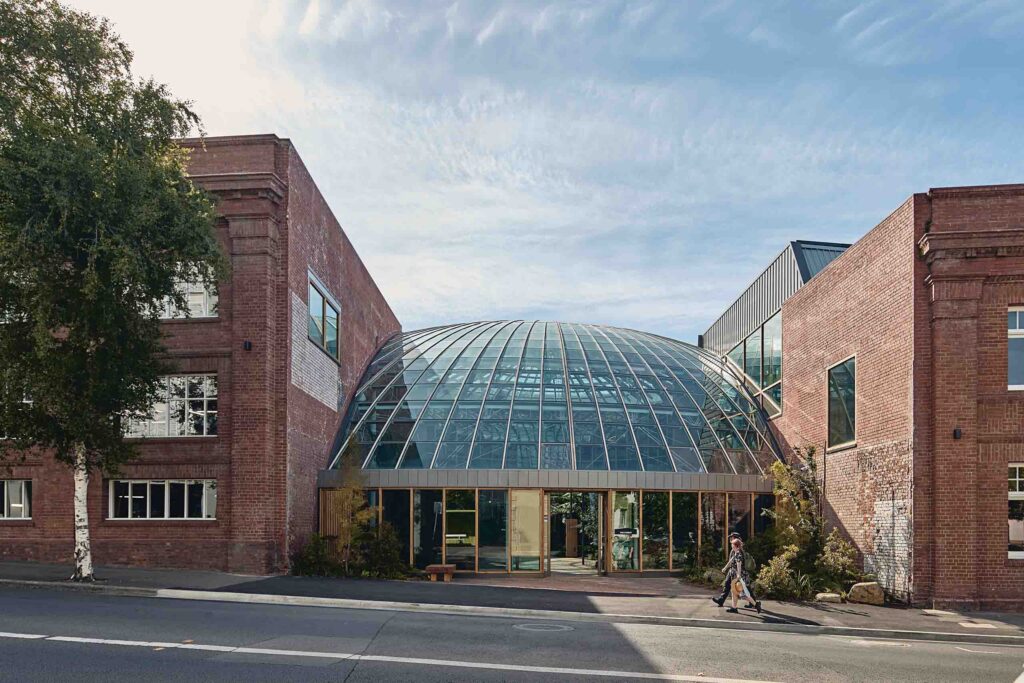
Woods Bagot was also recognised for Younghusband, an adaptive reuse project that transforms a former industrial precinct into an all-electric workplace, with significant reductions in embodied carbon.
At the smaller end of the architectural spectrum, St Thomas More Columbarium by Simon Pendal Architect received the Nicholas Murcutt Award for Small Project Architecture. Its limestone towers and carefully considered landscape demonstrate how a modest intervention can create a powerful spatial and emotional experience.
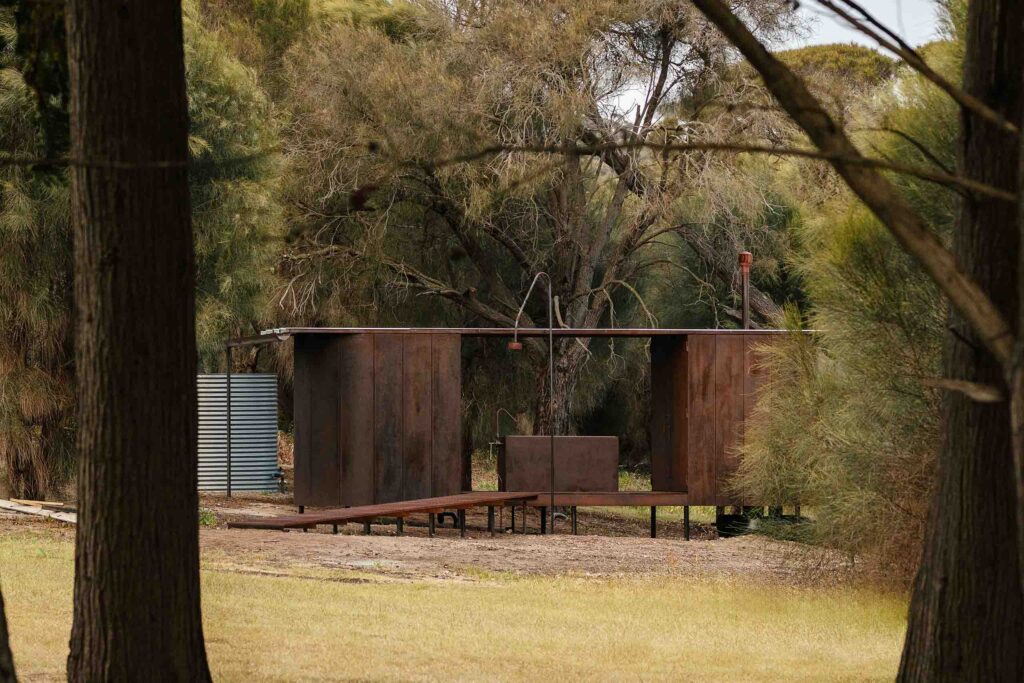
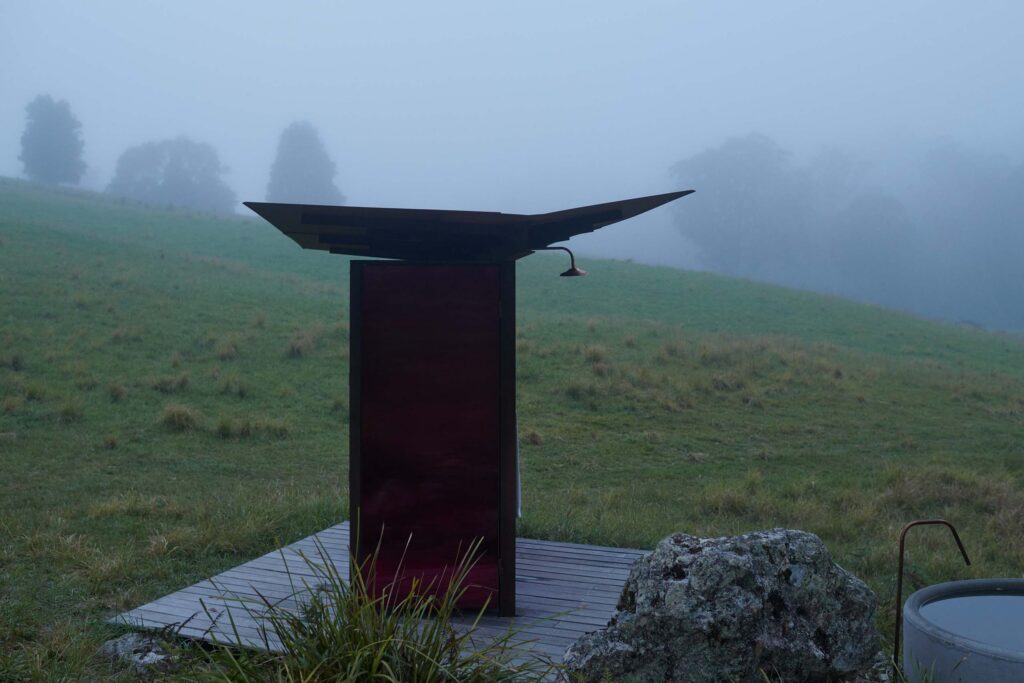
The jury also recognised The Ablutions at Wybalenna and The Homestead Renewal at Wybalenna by Taylor and Hinds Architects with the Aboriginal Land Council of Tasmania, awarding the Special Jury Prize. The projects engage with the difficult history of Wybalenna on Flinders Island, positioning architecture as part of a continuing process of remembrance, cultural recognition and truth-telling.
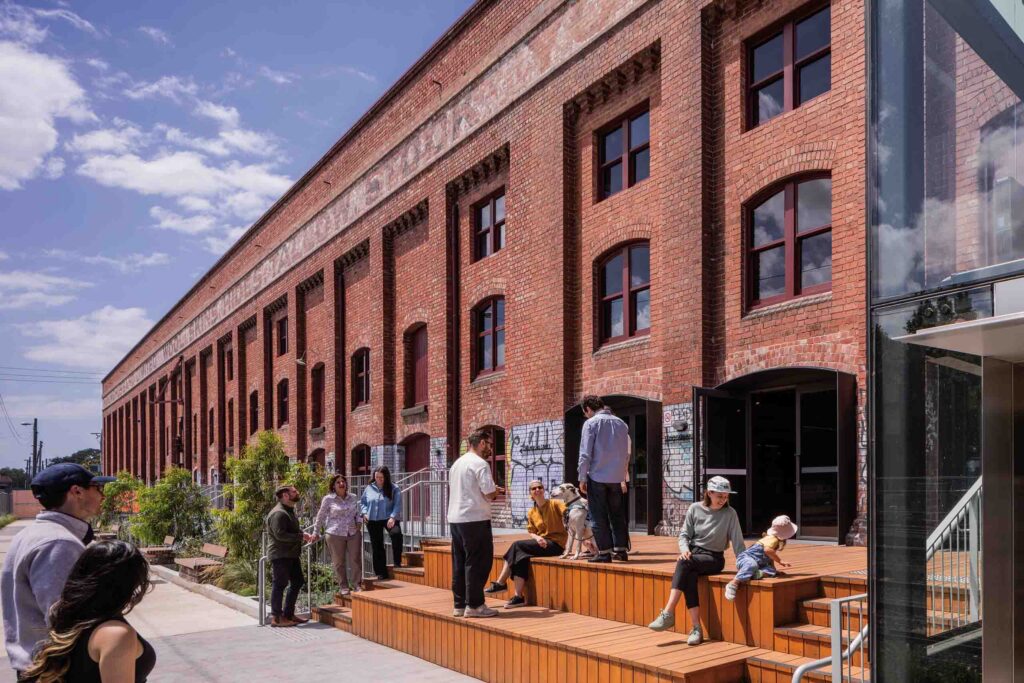
Together, the 2026 winners suggest a profession increasingly concerned with what buildings contribute beyond their immediate function. Whether through the restoration of existing fabric, the creation of more inclusive housing or the regeneration of damaged landscapes, the projects demonstrate that architectural ambition need not be measured solely through size, cost or visual impact.
As Haddow observed, this year’s awards reveal an architecture that looks towards the future with optimism, even as the challenges facing the built environment become more complex.
The complete 2026 National Architecture Awards winners
COLORBOND Award for Steel Architecture
- COLORBOND Award for Steel Architecture: Yitpi Yartapuultiku (The Soul of Port Adelaide) — Ashley Halliday Architects together with the Yitpi Yartapuultiku Aboriginal Working Group and Wax Design
Commercial architecture
- Harry Seidler Award for Commercial Architecture: 205 North Quay — Hassell, REX and Richards & Spence
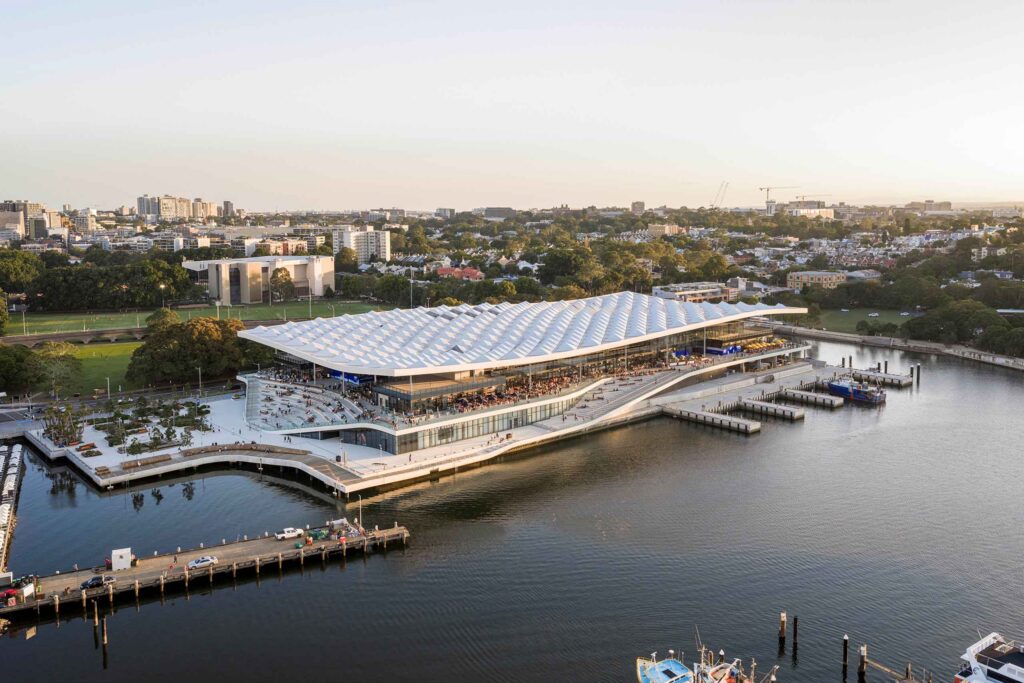
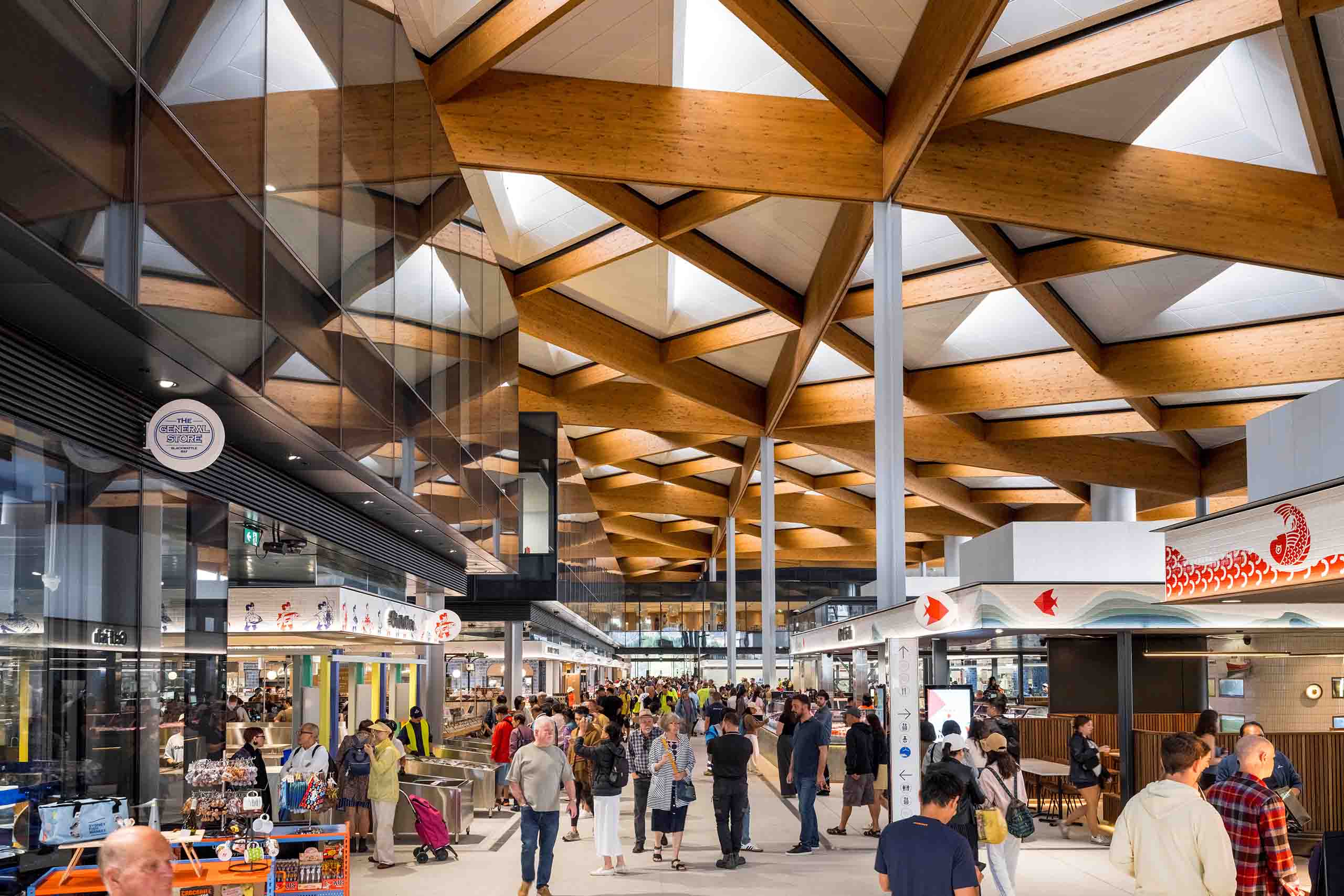
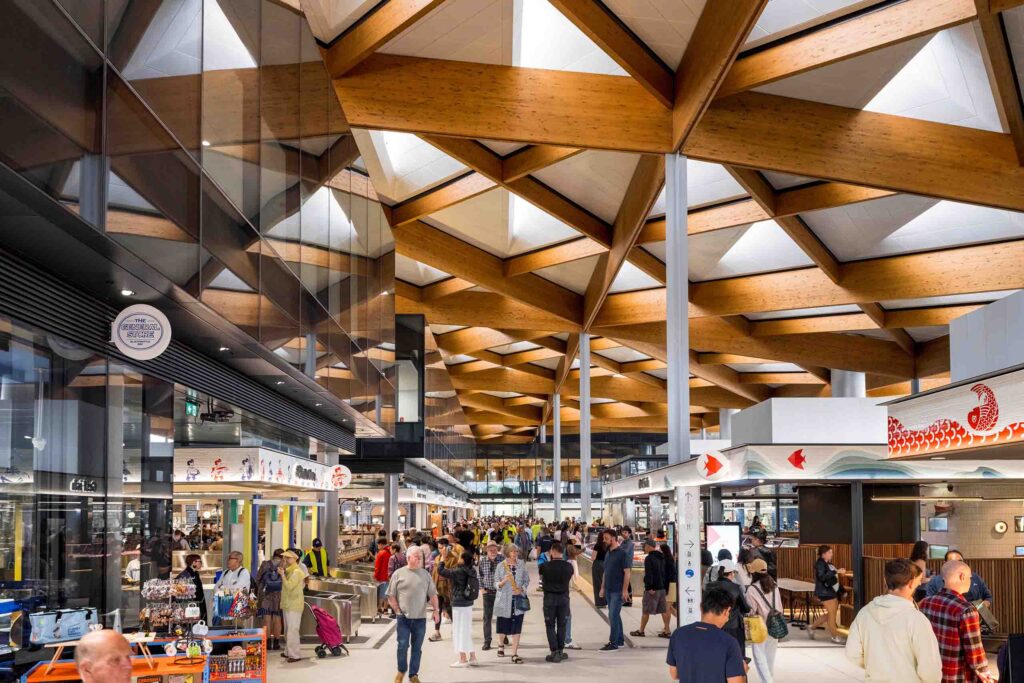
- National Award: New Sydney Fish Market — 3XN in association with BVN and ASPECT Studios
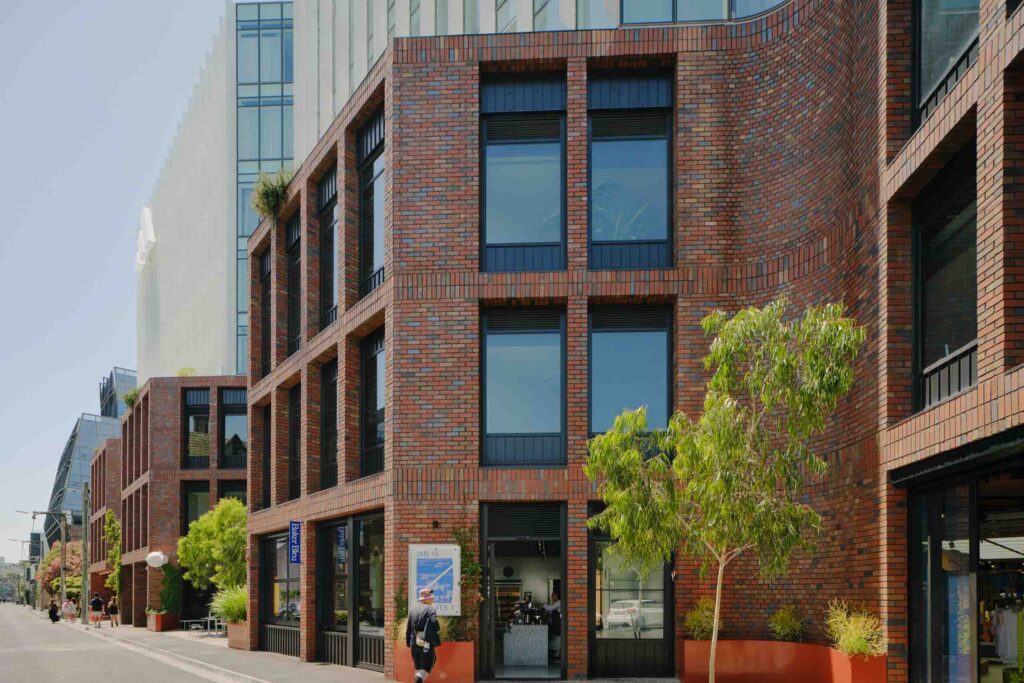
- National Commendation: 65 Dover Street, Cremorne — Fieldwork
Educational architecture
- Daryl Jackson Award for Educational Architecture: Green Square Public School and Community Spaces — BVN
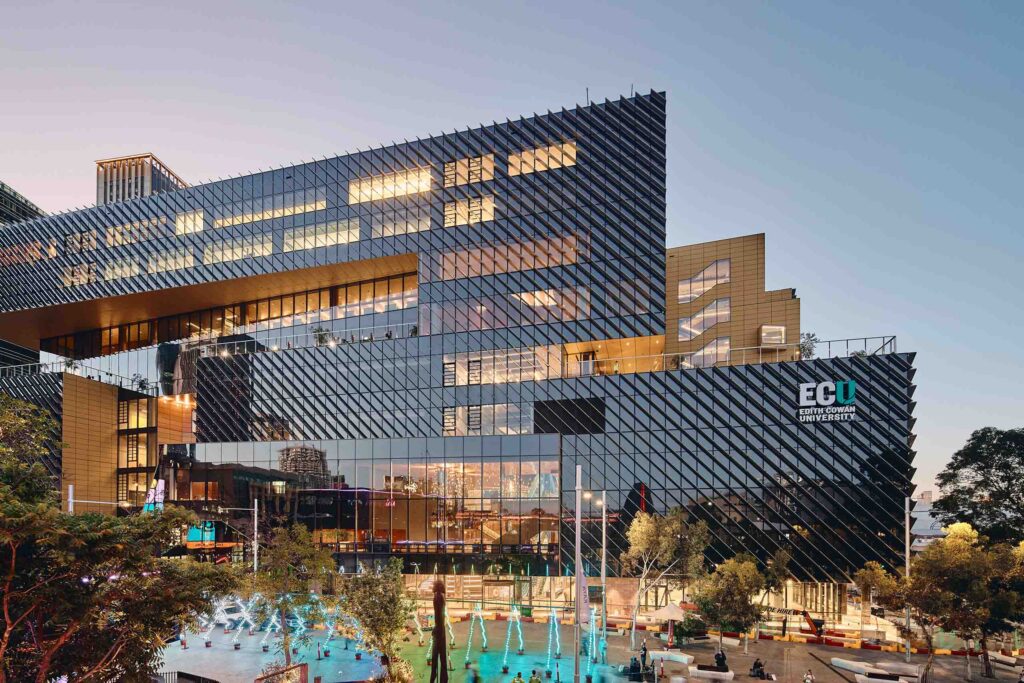
- National Award: ECU City — Lyons with Silver Thomas Hanley and Haworth Tompkins
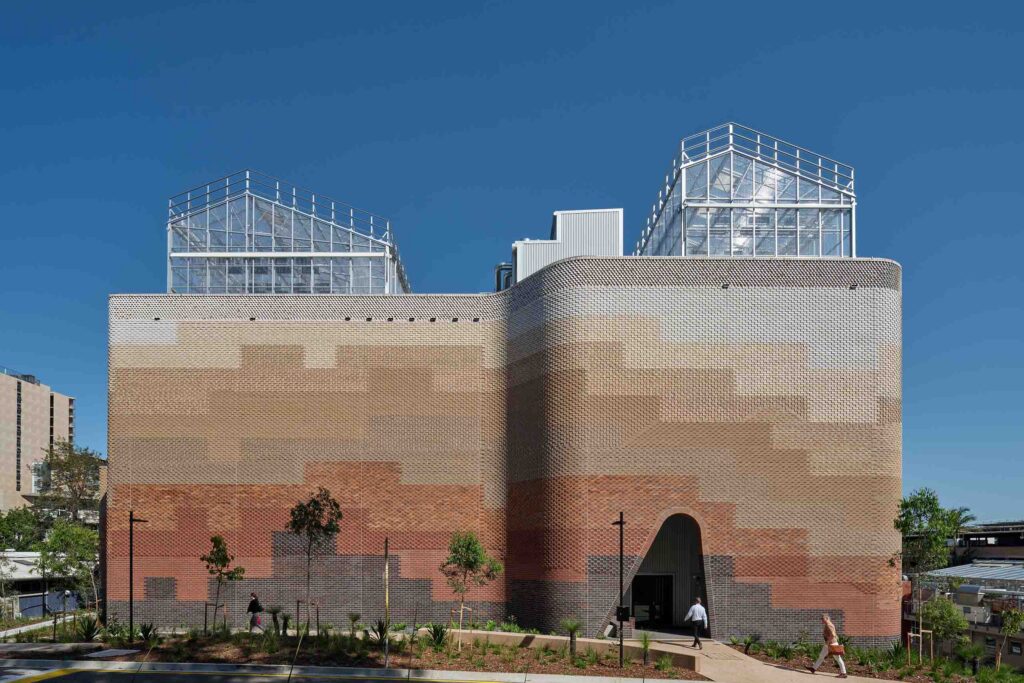
- National Award: Plant Futures Facility — m3architecture
- National Award: The Forest — Woods Bagot
Enduring architecture
- National Award for Enduring Architecture: Clubbe Hall — AJC Architects
Heritage
- Lachlan Macquarie Award for Heritage: Adelaide Town Hall — Swanbury Penglase
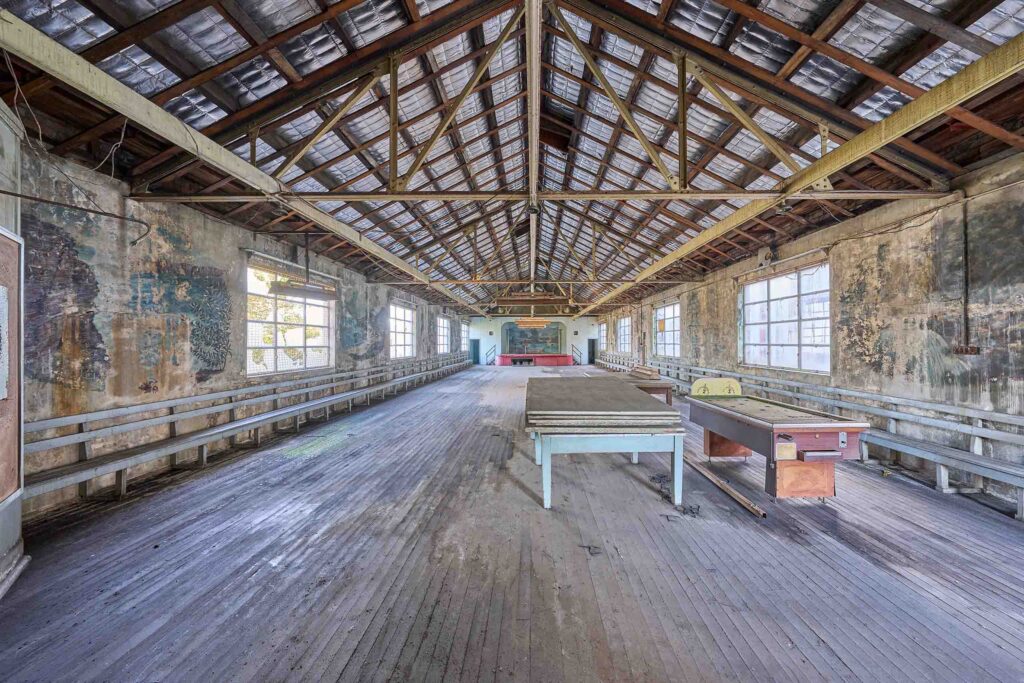
- National Award: Entertainment Hall White Bay — DunnHillam Architecture + Urban Design with Placemaking NSW
- National Commendation: The Lands by Capella — Hassell in collaboration with Purcell Architecture
Interior architecture
- Emil Sodersten Award for Interior Architecture: Studio8 — Partners Hill
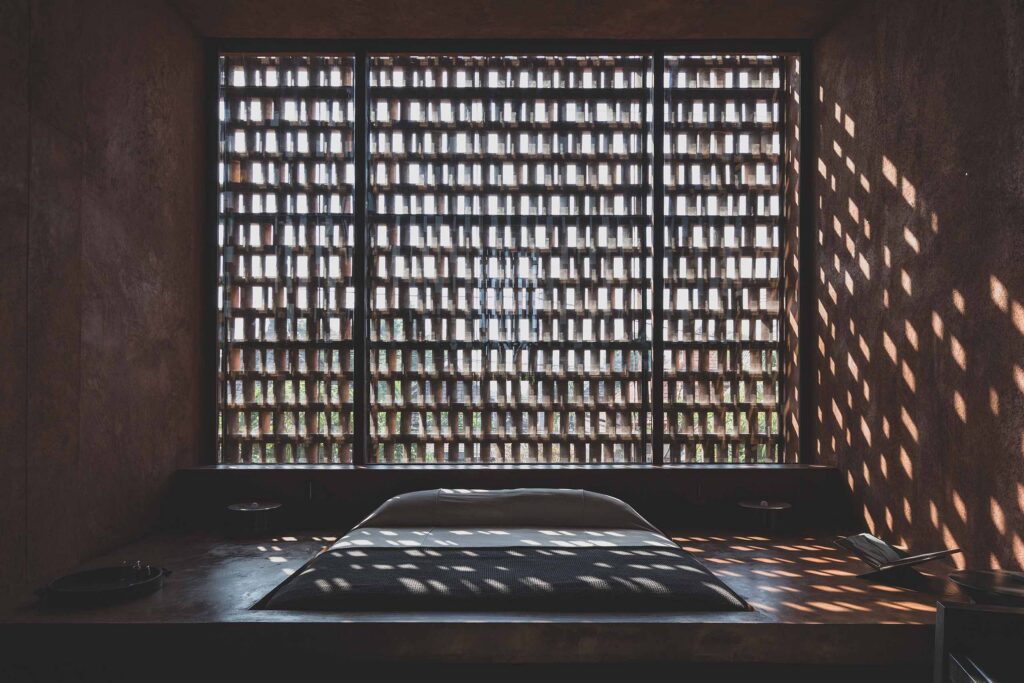
- National Award: GOLDEN AVENUE — J.AR Office
- National Commendation: Gugan Gulwan — COX Architecture with ck architecture Australia
International architecture
- Jørn Utzon Award for International Architecture: Santa Monica Vermont Apartments — KoningEizenberg Architecture
- Australian Award: Further — MORQ
- Australian Commendation: TDX Ice Factory — NU architecture & design
Public architecture
- Sir Zelman Cowen Award for Public Architecture: Yitpi Yartapuultiku (The Soul of Port Adelaide) — Ashley Halliday Architects together with the Yitpi Yartapuultiku Aboriginal Working Group and Wax Design
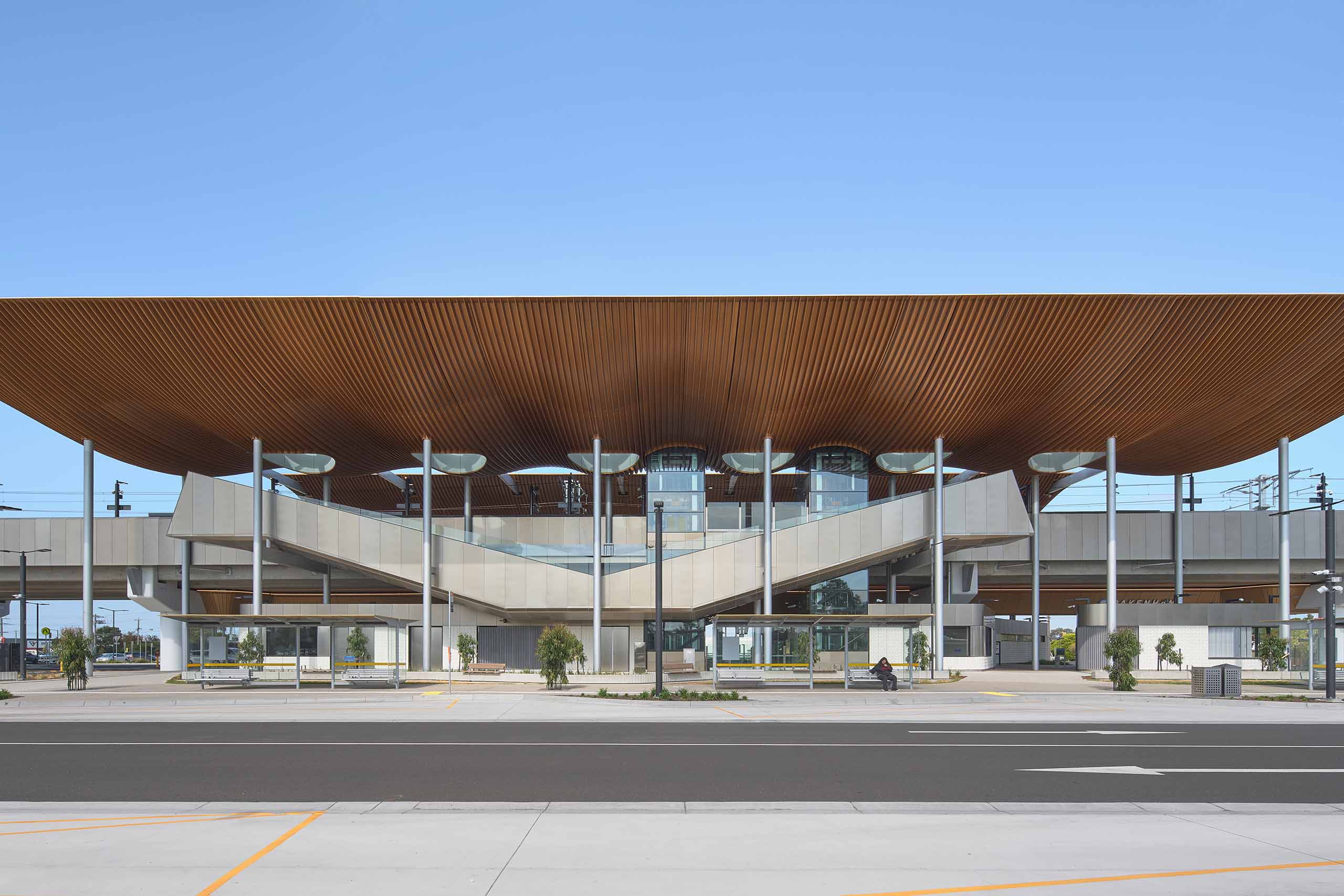
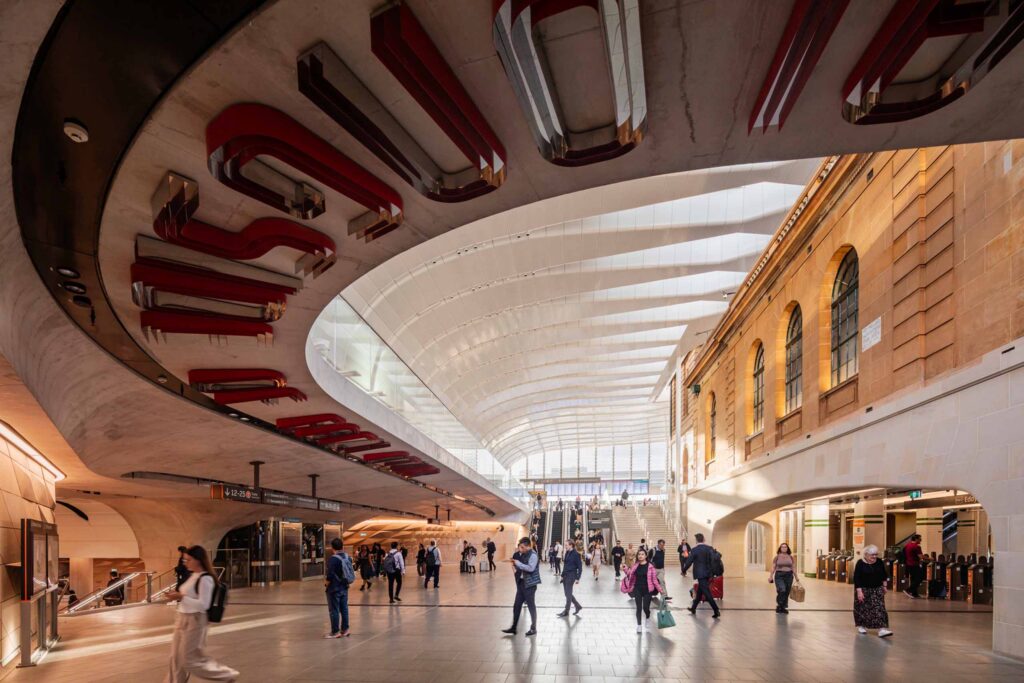
- National Award: Central Station — Woods Bagot in collaboration with John McAslan + Partners
- National Award: New Footscray Hospital — COX Architecture and Billard Leece Partnership
- National Commendation: Pier Pavilion — Besley & Spresser
Residential architecture – houses (alterations and additions)
- Eleanor Cullis-Hill Award: Woodside Cottage — ME
- National Award: Palmerston Street House — Robert Simeoni Architects
- National Award: Stuartholme House — Nielsen Jenkins with Michael Lumby
Residential architecture – houses (new)
- Robin Boyd Award: Eric Street — Officer Woods Architects
- National Award: EA House — Bokey Grant
- National Commendation: eton — vittinoAshe architects
- National Commendation: Birdwood — Peter Besley
Residential architecture – multiple housing
- Frederick Romberg Award: Lacebark — Smart Design Studio
- National Award: 443 Queen St — WOHA with Architectus & Kris Kowalski Architects
- National Award: 9 Wilson Ave — MA+Co
- National Award: Merri Northcote — Six Degrees Architects
- Commendation: Habilis — Collins and Turner
Small project architecture
- Nicholas Murcutt Award for Small Project Architecture: St Thomas More Columbarium — Simon Pendal Architect
- National Award: Magenta Outhouse — Atelier Marks Gaal
- National Award: The Ablutions at Wybalenna — Taylor and Hinds Architects with the Aboriginal Land Council of Tasmania
Sustainable architecture
- David Oppenheim Award for Sustainable Architecture: Yitpi Yartapuultiku (The Soul of Port Adelaide) — Ashley Halliday Architects together with the Yitpi Yartapuultiku Aboriginal Working Group and Wax Design
- National Award: The Forest — Woods Bagot
- National Award: Younghusband — Woods Bagot
Urban design
- Walter Burley Griffin Award for Urban Design: Sydney Harbour Bridge Northern Access Cycleway — Collins and Turner with Aspect Studios, Eckersley O’Callaghan and Design 5 – Architects
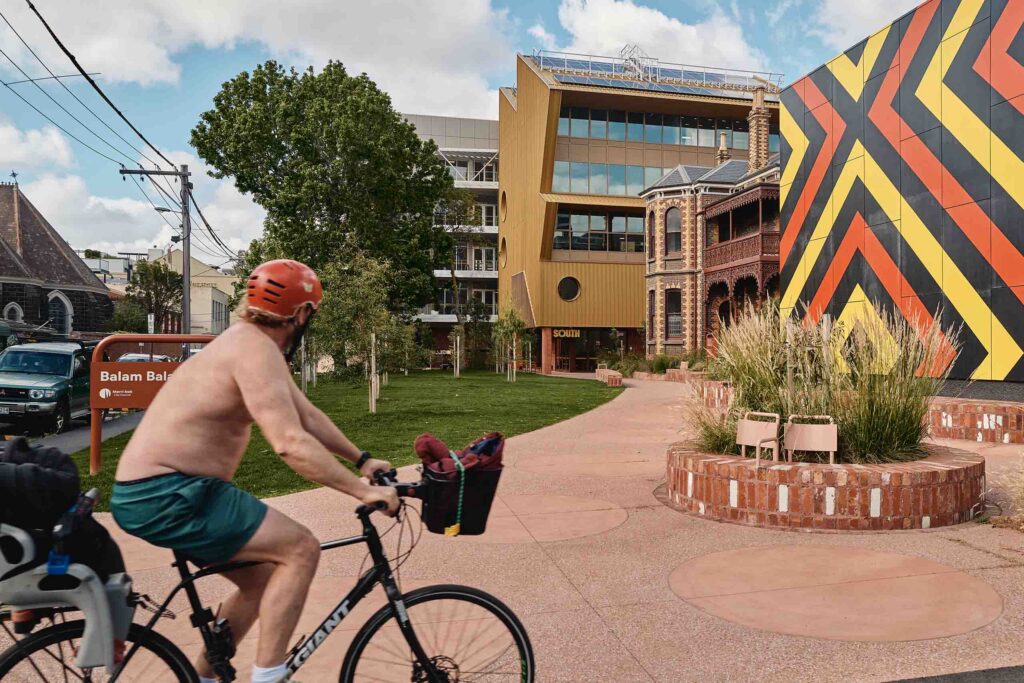
- National Award: Balam Balam Place — Kennedy Nolan
- National Commendation: St Kilda Pier Redevelopment — Jackson Clements Burrows Architects with Site Office Landscape Architecture and AW Maritime
Special Jury Prize
- Special Jury Prize: The Ablutions at Wybalenna & The Homestead Renewal at Wybalenna — Taylor and Hinds Architects with the Aboriginal Land Council of Tasmania
Australian Institute of Architects
architecture.com.au