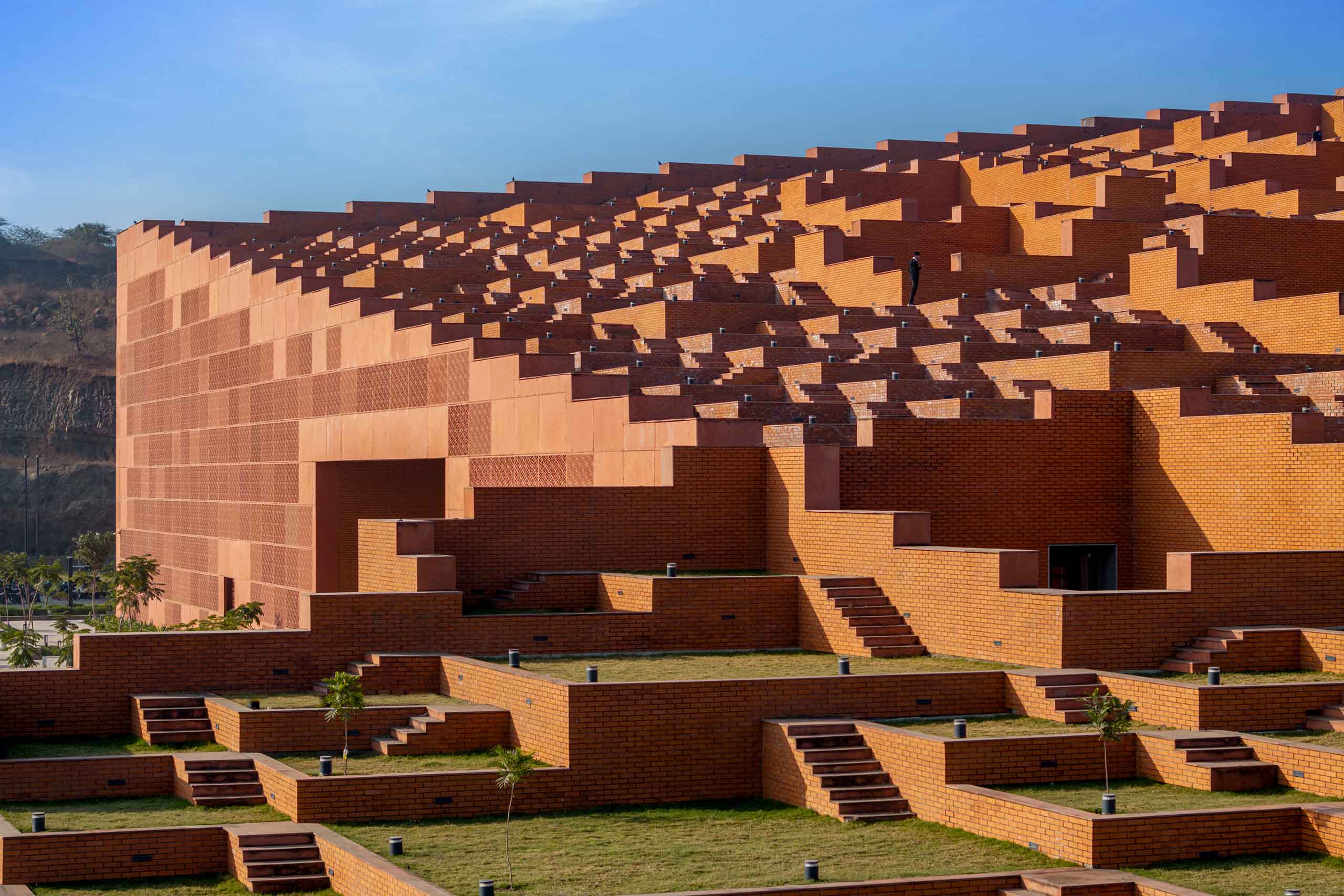
Prestige University by Sanjay Puri Architects has been named World Building of the Year at the 2026 World Architecture Festival (WAF), adding to its Best of the Best win at this year’s INDE.Awards. The result marks a significant crossover between the two awards programs, with Sydney Fish Market also recognised at both.
Held in Fort Lauderdale, Florida, from 18th to 20th November, the festival brought together architects from around the world for more than 400 live presentations assessed by over 130 international judges. Now in its 19th edition, WAF recognised projects across 42 categories spanning completed buildings, future projects, interiors and landscape, before announcing its overall winners at the closing gala.
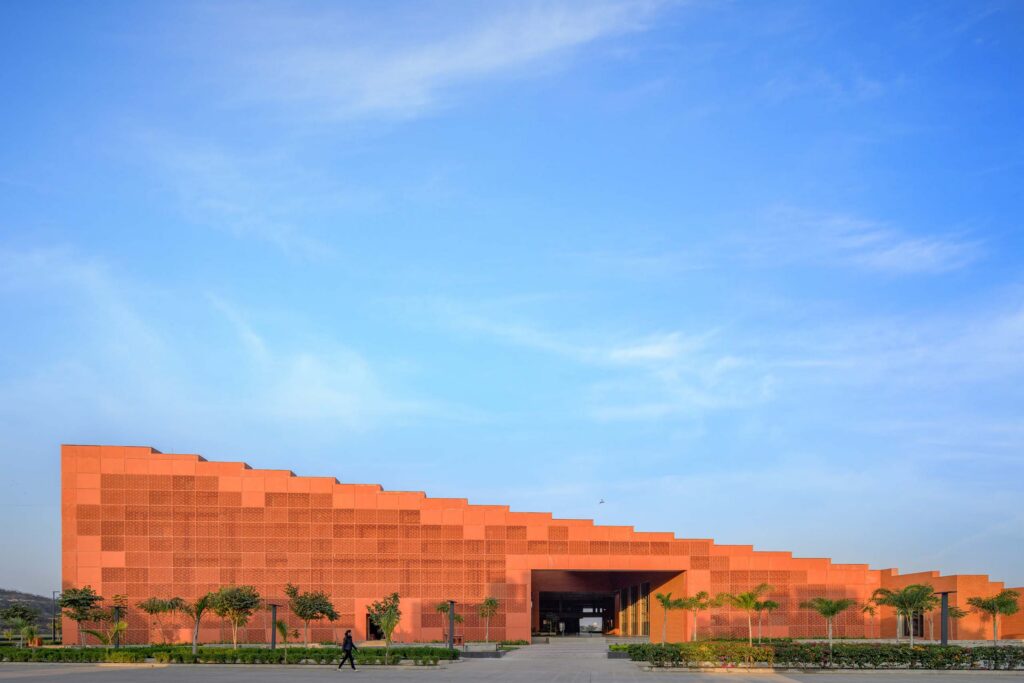
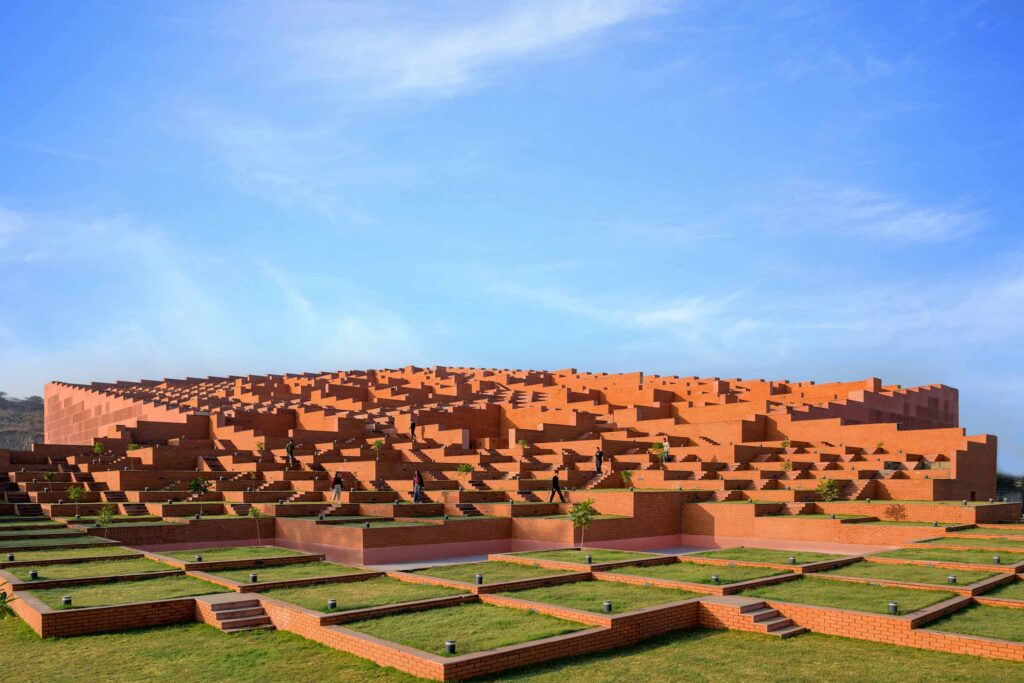
Located in Indore, India, Prestige University occupies a 32-acre campus, with its striking stepped form drawing inspiration from the country’s historic stepwells. Designed by Sanjay Puri Architects, the building accommodates administration offices, seminar halls, a library, cafeteria and open-air auditorium, with terraces that can seat up to 9,000 students during large events.
The architecture responds to a climate where temperatures reach 30 to 40 degrees Celsius for much of the year. Landscaped courtyards bring indirect daylight and natural ventilation into the building, reducing reliance on artificial lighting and air conditioning while providing shaded spaces for students to gather.
Paul Finch, WAF Programme Director, highlighted the project’s integration of architecture, landscape and learning, noting its potential to inform future development in challenging climates. “The welcome provision of shaded courtyards throughout the project at every level shows that natural ventilation can be achieved in extreme conditions,” he said. “This is a daring and confident project which is the antithesis of the double-loaded corridor.”
Related: Apartment living, beyond the floor plan
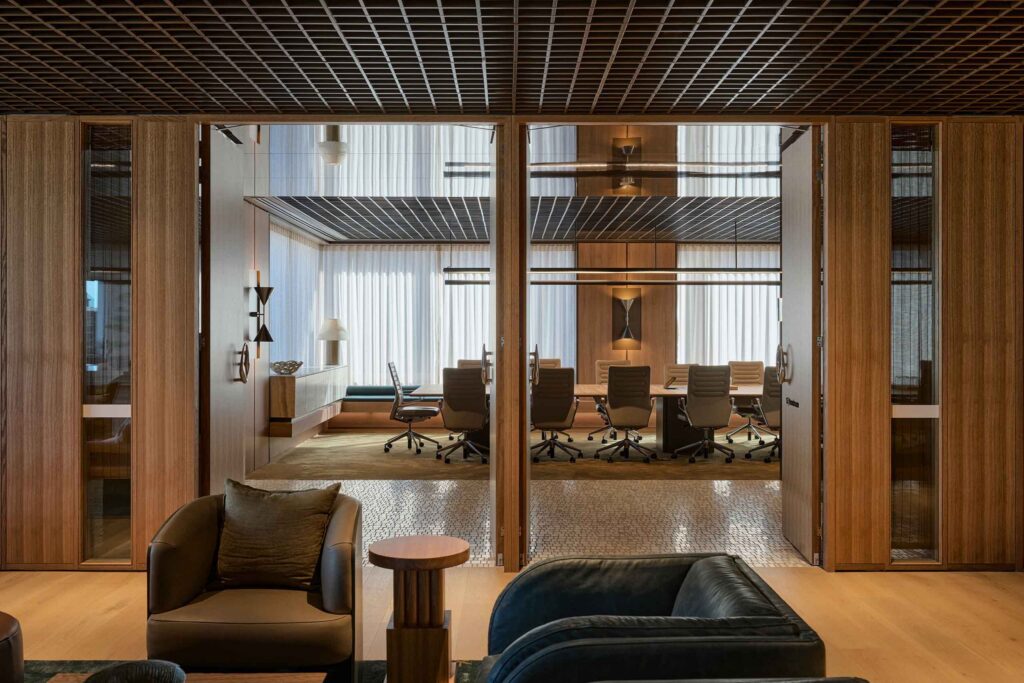
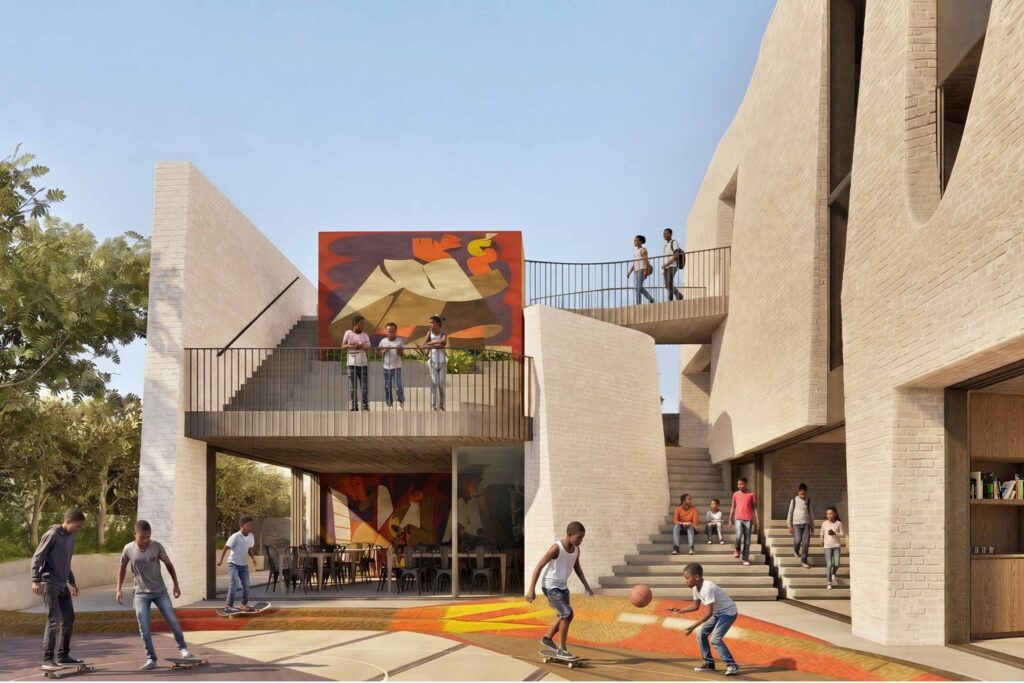
The award follows Prestige University’s success at the 2026 INDE.Awards, where it received both the Best of the Best and The Influencer accolades. Its recognition at WAF reinforces the international relevance of work celebrated through the Indo-Pacific awards program.
Another shared winner was Sydney Fish Market, designed by 3XN GXN in association with BVN Architecture and Aspect Studios. Having received The Building award at the 2026 INDE.Awards, the waterfront development has now won WAF’s Completed Buildings – Mixed-Use category.
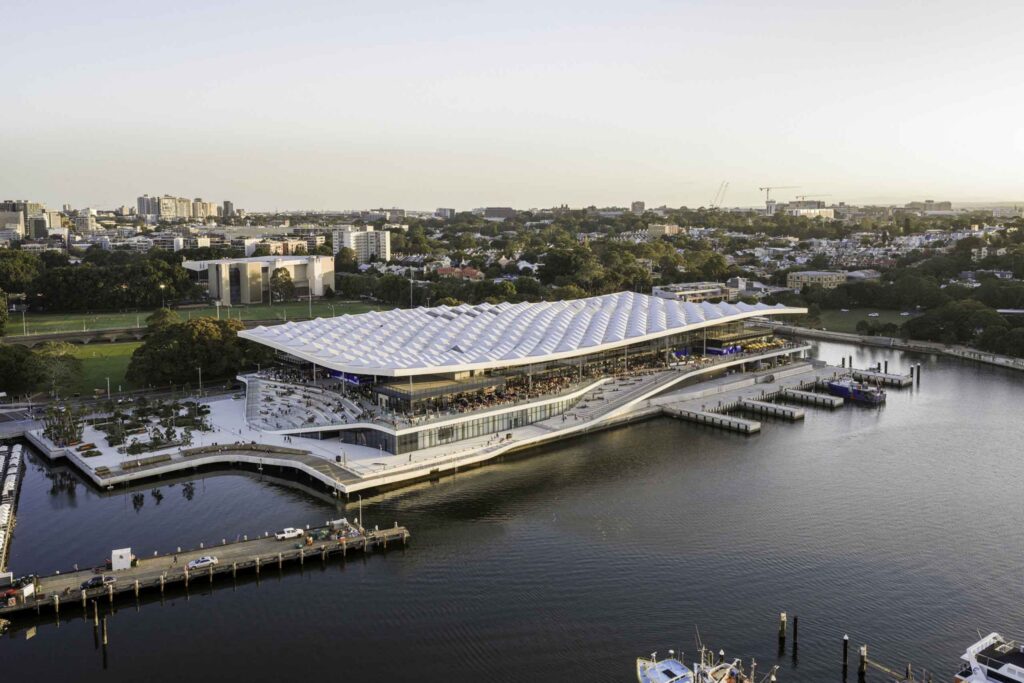
The two projects provide a direct connection between the regional and international awards, with both recognised for their approaches to public architecture and the relationship between buildings and their wider communities.
Elsewhere, World Interior of the Year was awarded to &Matcha Three Yards by MLA at Home in Davao, the Philippines. At just 100 square metres, the tea shop uses courtyards, water and open spaces to create an environment shaped by changing light, weather and the surrounding landscape.
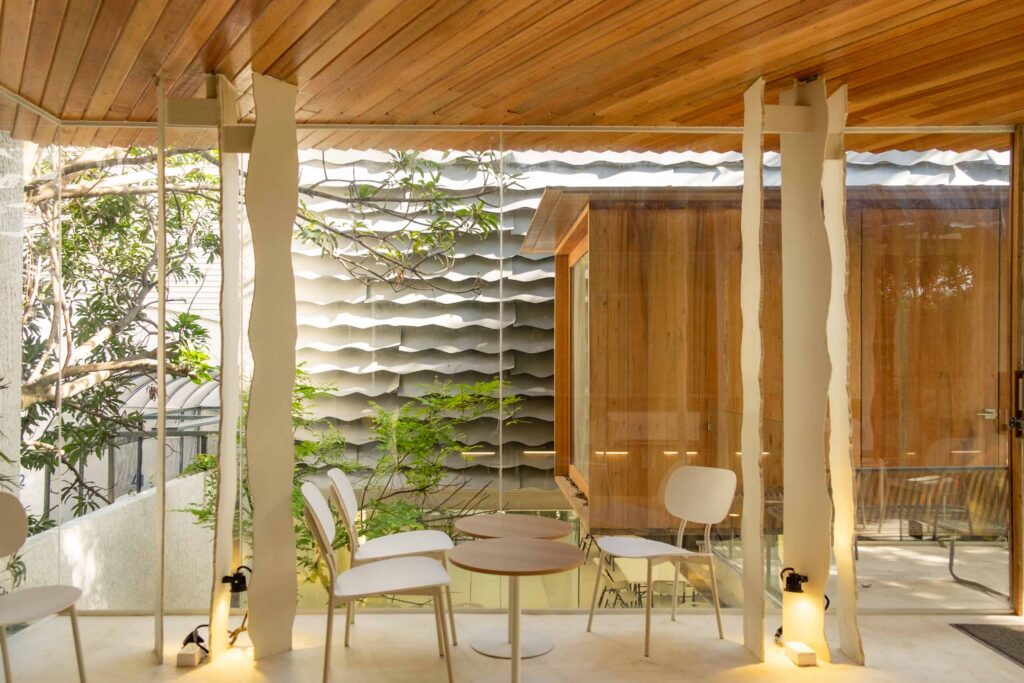
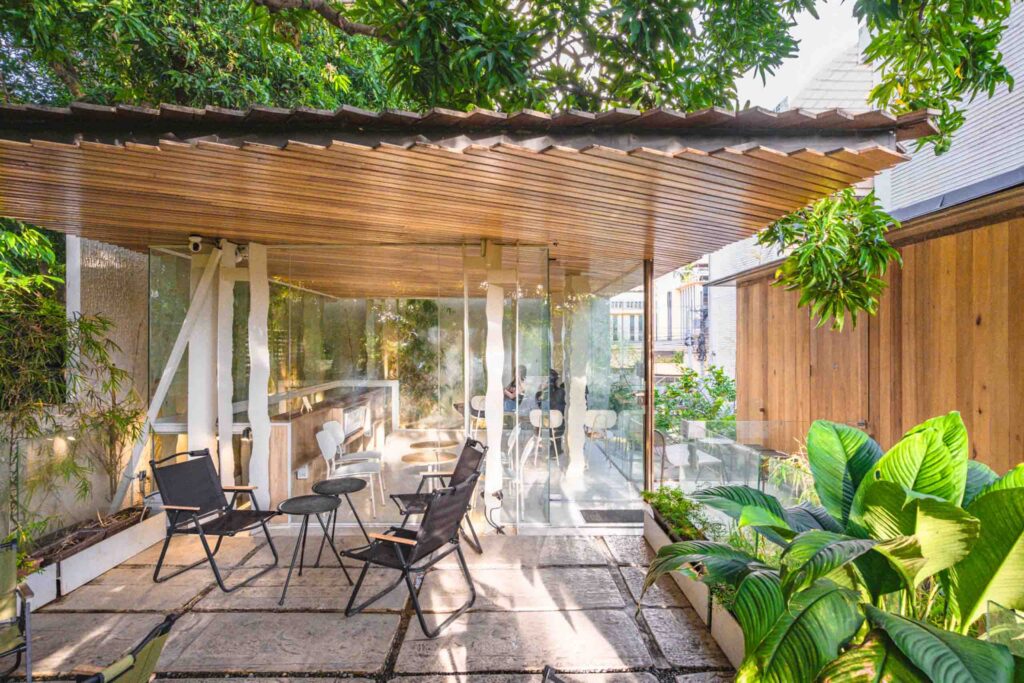
A floating tea chamber sits at the centre of the project, surrounded by water and trees, while movable furniture allows visitors to occupy the space in different ways. The jury praised its interpretation of wabi-sabi principles and its experimental approach to materials.
Future Project of the Year went to Coding Kelp: Artificial Reef and Data Archive by Terreform ONE, proposed for Vancouver Island, Canada. The experimental project combines a 3D-printed calcium carbonate reef with engineered kelp and microalgae, exploring the potential for biological systems to support carbon sequestration and long-term information storage. It also received the overall WAFX Prize, recognising future projects addressing major global challenges.
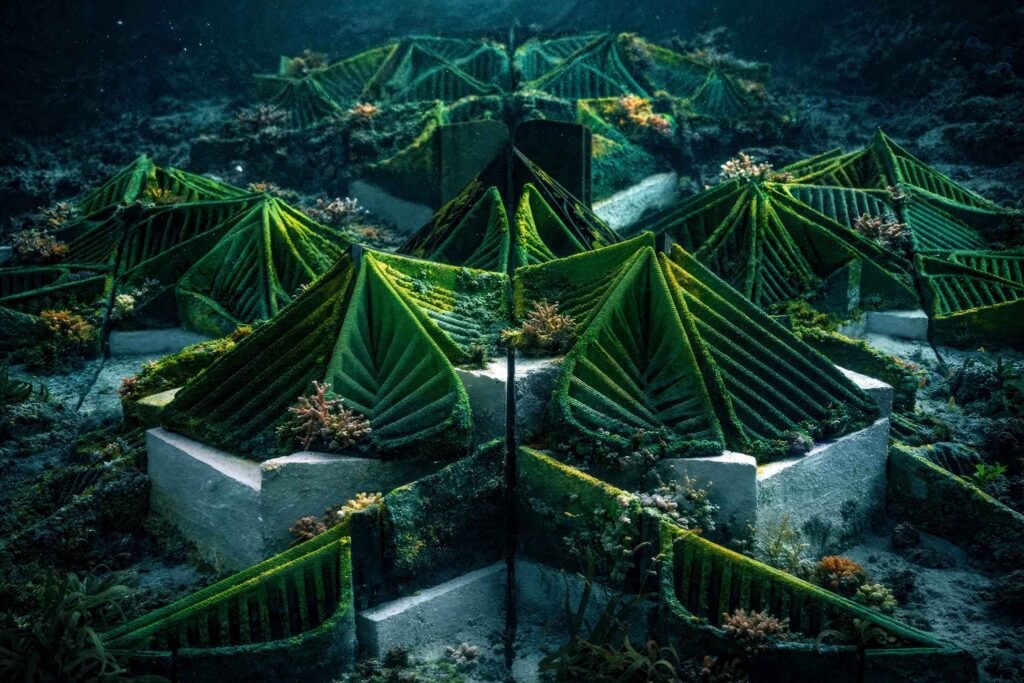
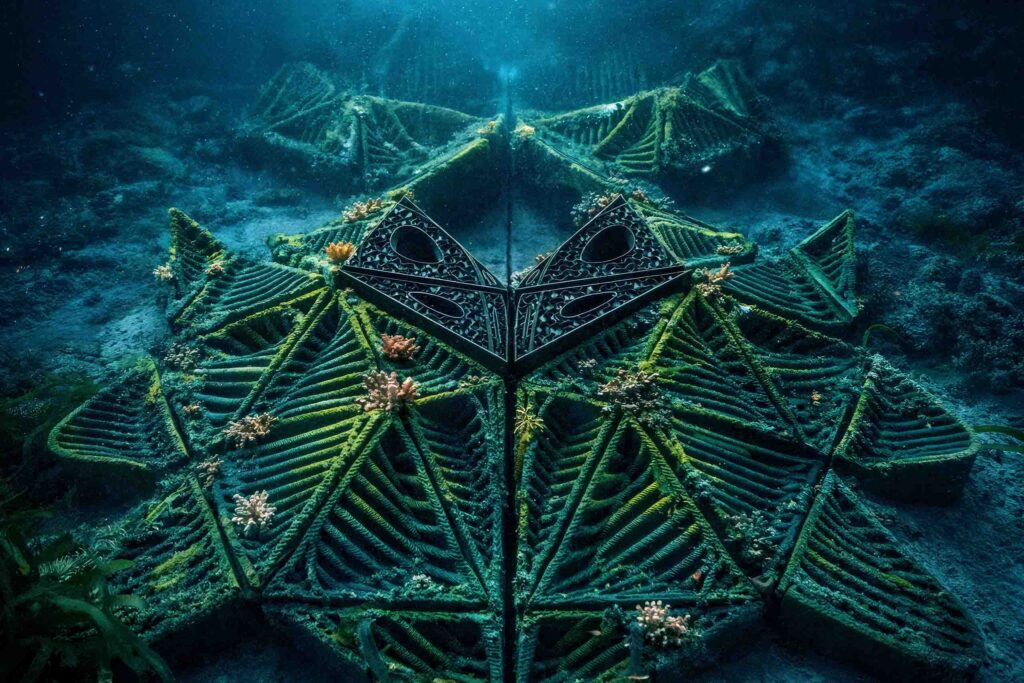
Landscape of the Year was awarded to Doca Linear Park by Natureza Urbana in Brazil, adding another public realm project to the festival’s major winners.
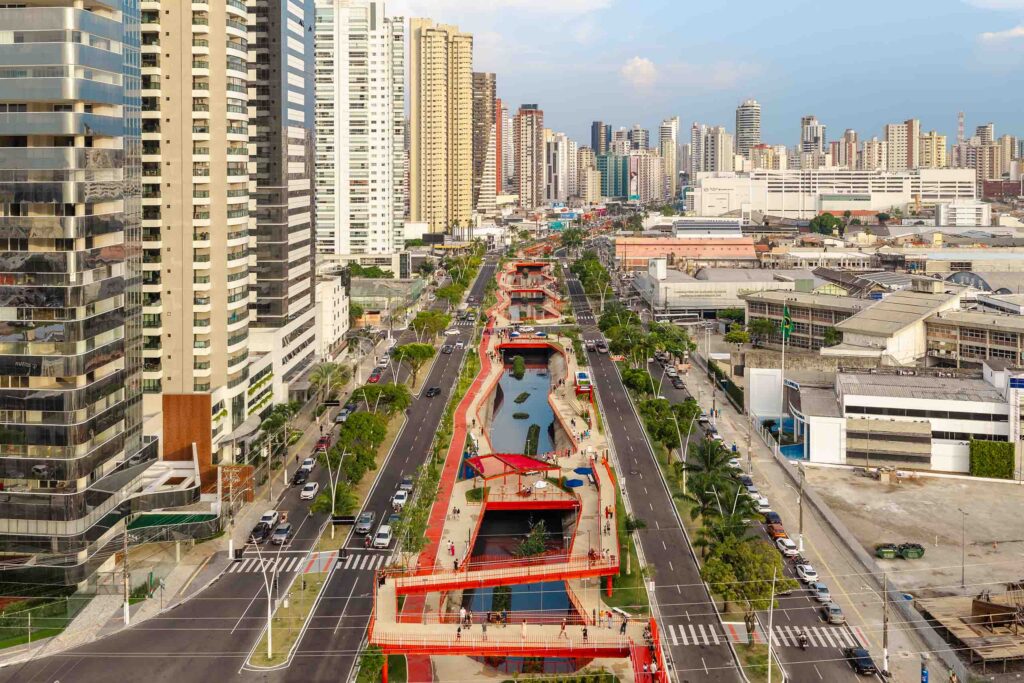
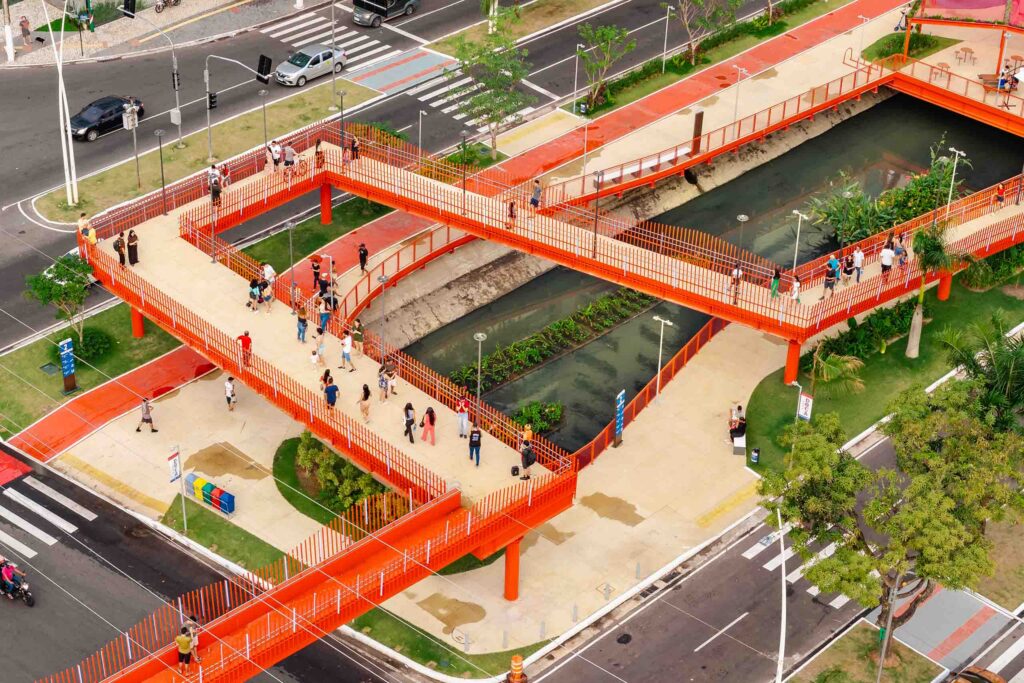
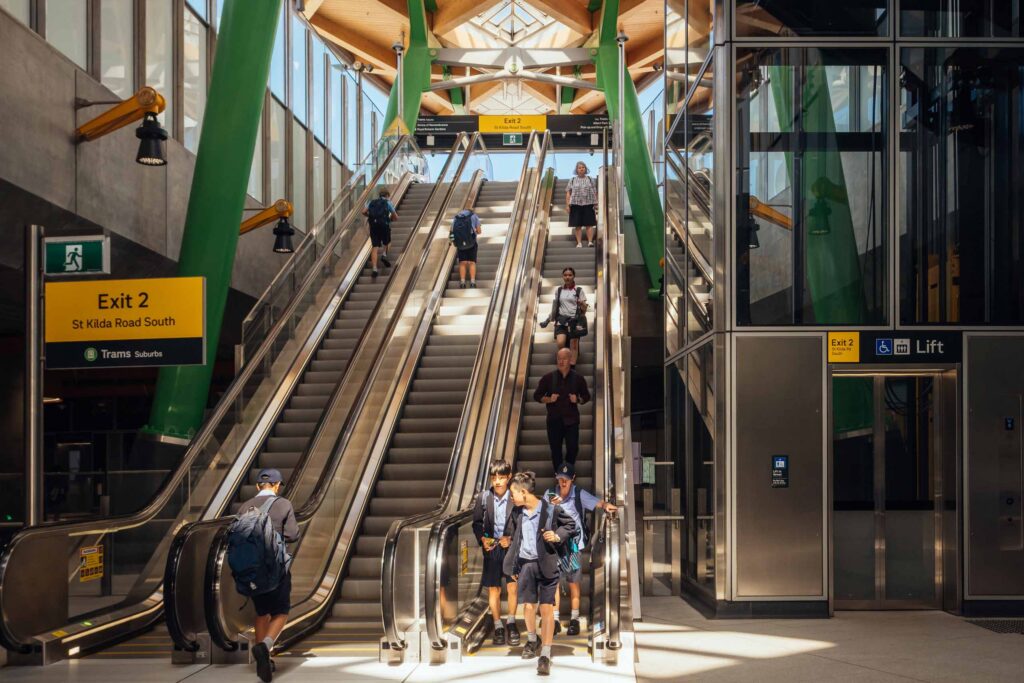
Australian architecture featured prominently throughout the category awards, with Melbourne’s Metro Tunnel Project by RSHP, Hassell and WW+P receiving the Completed Buildings – Transport award. The project also won the special prize for Best Use of Natural Light, recognising its approach to bringing daylight into underground station environments.
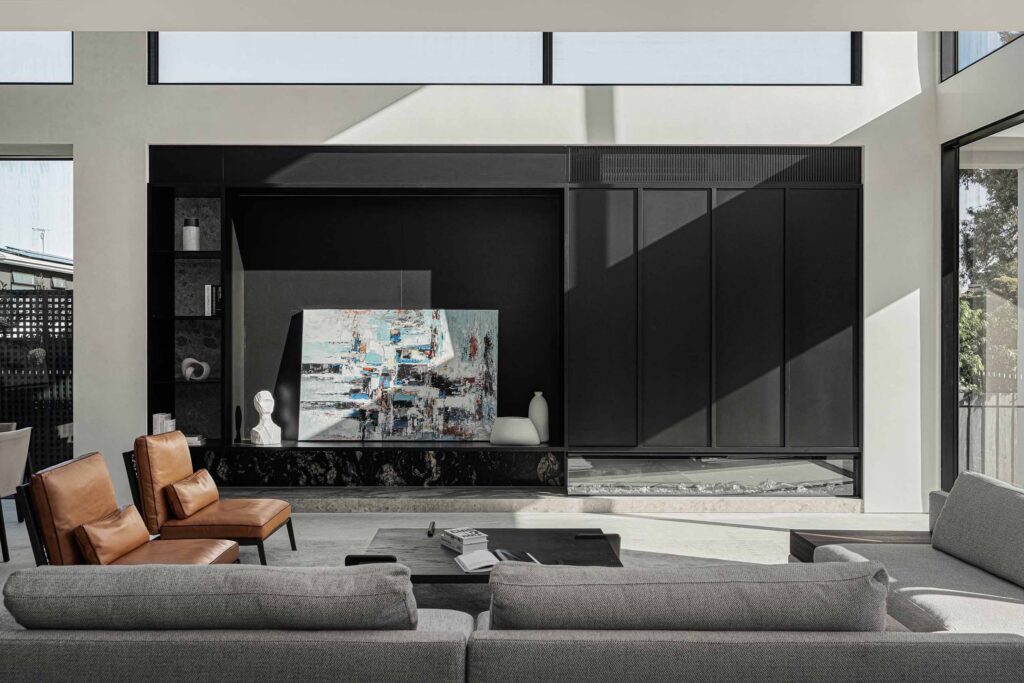
In Sydney, BVN’s GPT Headquarters won the Interiors – Workplace (Large) category, while Rowen House by Wang Architects in South Melbourne received the Interiors – Residential (Single Dwelling) award.
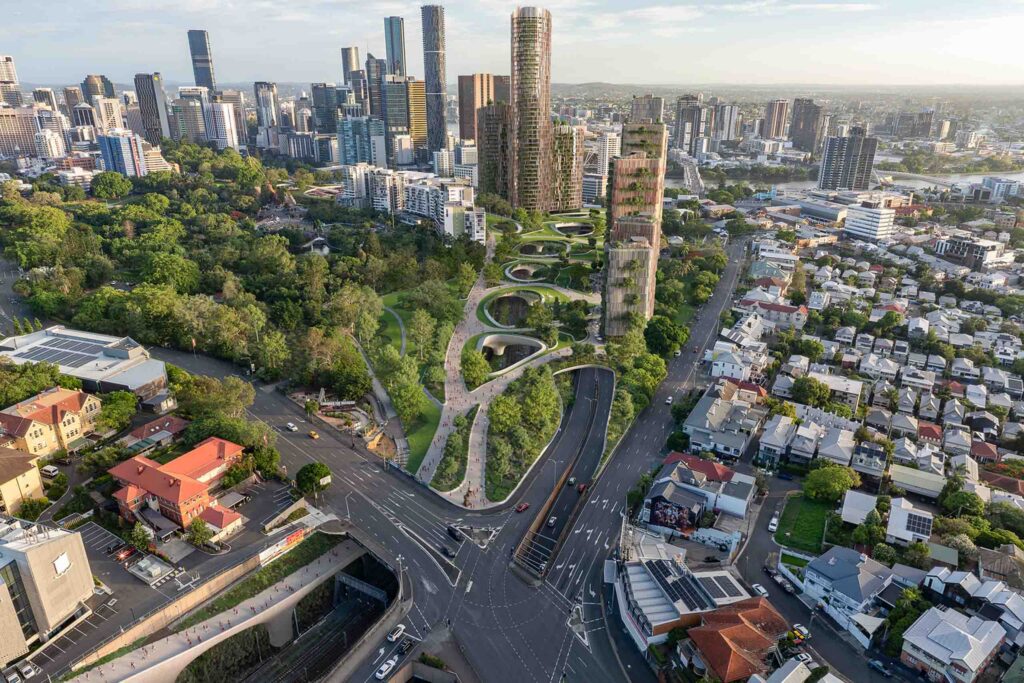
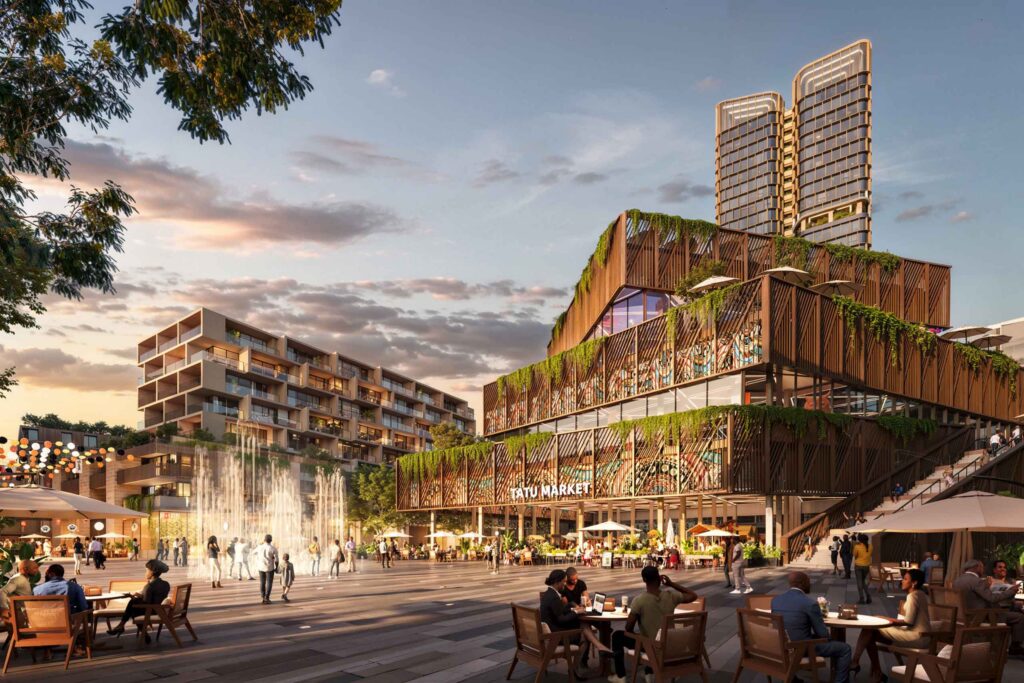
Australian practices also found success in the future projects program. Roma Street Canopies by Bureau Proberts in Brisbane won Future Projects – Urban Design, while ClarkeHopkinsClarke Architects received the Masterplanning award for Tatu City Masterplan in Kenya.
Warren and Mahoney’s Te Papa Spirit Collection in Wellington, New Zealand, was named the winner of Future Projects – Education, further extending the representation of practices from the region.
Several Australian projects were also highly commended. Sydney Children’s Hospital Stage 1 & Minderoo Children’s Comprehensive Cancer Centre by Billard Leece Partnership received recognition for Best Use of Colour, while Lithgow Street by Warren and Mahoney in Melbourne was highly commended in Future Projects – Residential.
Woods Bagot’s 85 Gracechurch Street in London was also highly commended in Future Projects – Office.
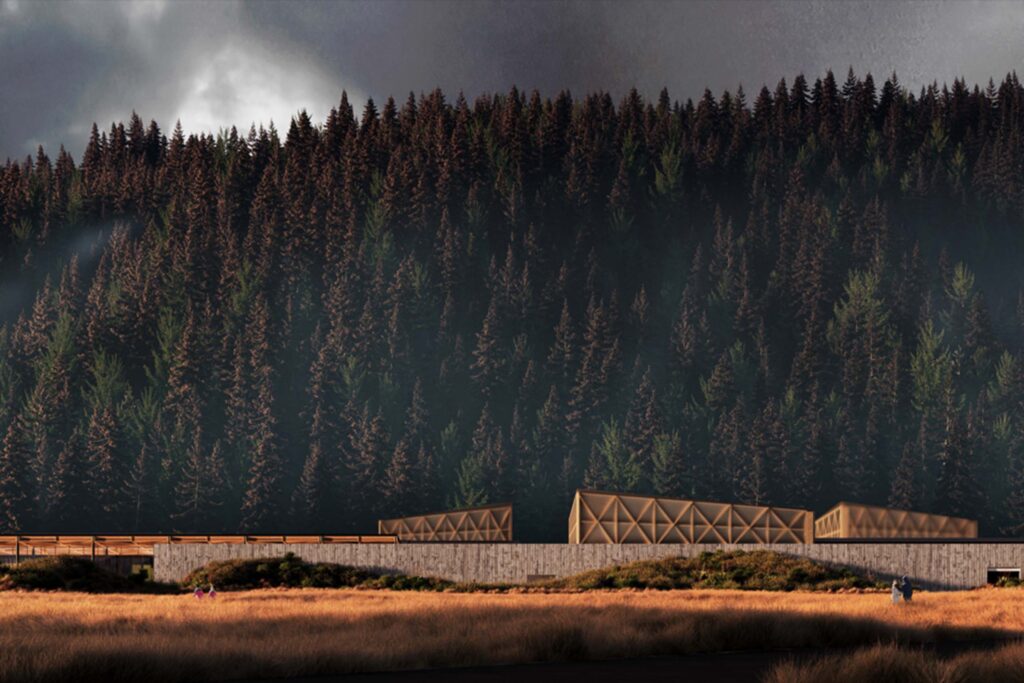
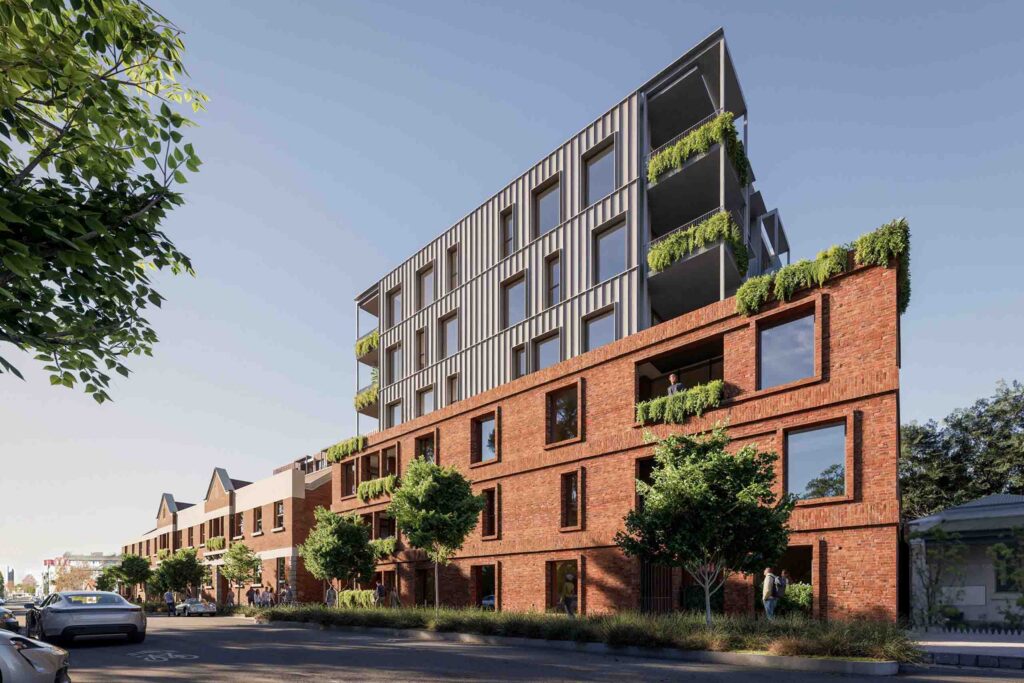
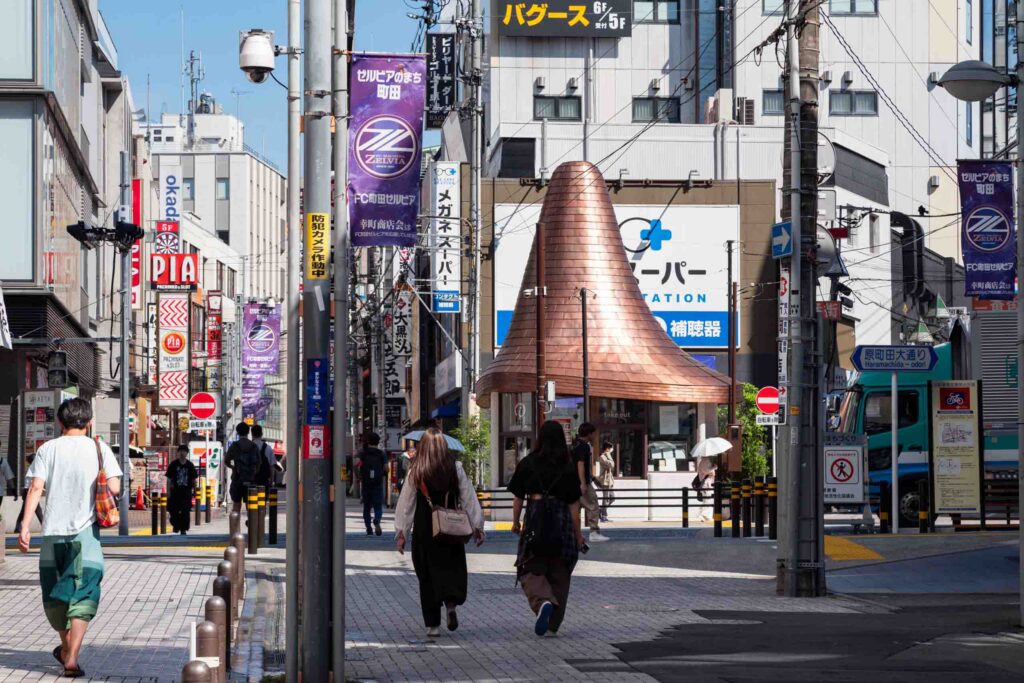
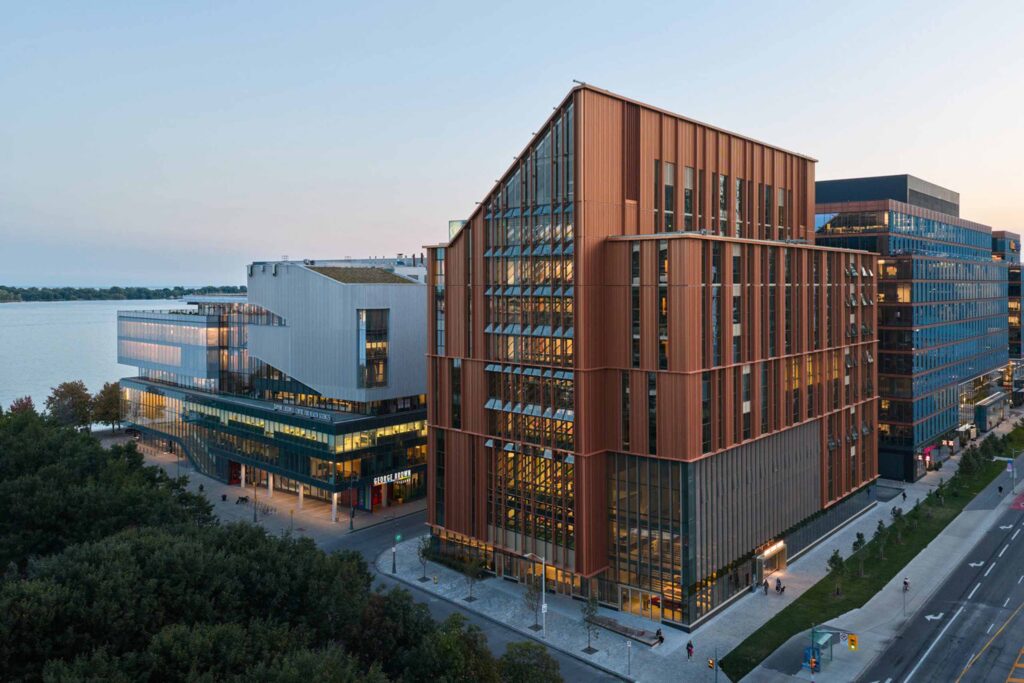
Among the special prizes, Limberlost Place by Moriyama Teshima Architects and Acton Ostry Architects in Toronto received the Sustainability Prize, while Hatmachida by Nikken Sekkei in Tokyo was named Small Project of the Year. The Melvin Prize was awarded to 9Miles Learning Centre by SAOTA in Cape Town, South Africa.
Across the winners, this year’s festival recognised projects addressing climate responsiveness, adaptive reuse, material innovation and the role of architecture in public life. From Prestige University’s shaded courtyards to the urban infrastructure of Sydney Fish Market and Melbourne’s Metro Tunnel, the results reflect the breadth of contemporary architectural practice.
For the INDE.Awards, the success of Prestige University and Sydney Fish Market is particularly notable. Both projects have now received recognition from judging panels operating across different geographical scales, demonstrating the international reach of architecture emerging from the Indo-Pacific.
The World Architecture Festival will return to Barcelona in 2027 for its 20th anniversary, returning to the city where the festival was first held.