The home of architecture and design in the Asia-Pacific
Get the latest design news direct to your inbox!

Get the latest design news direct to your inbox!
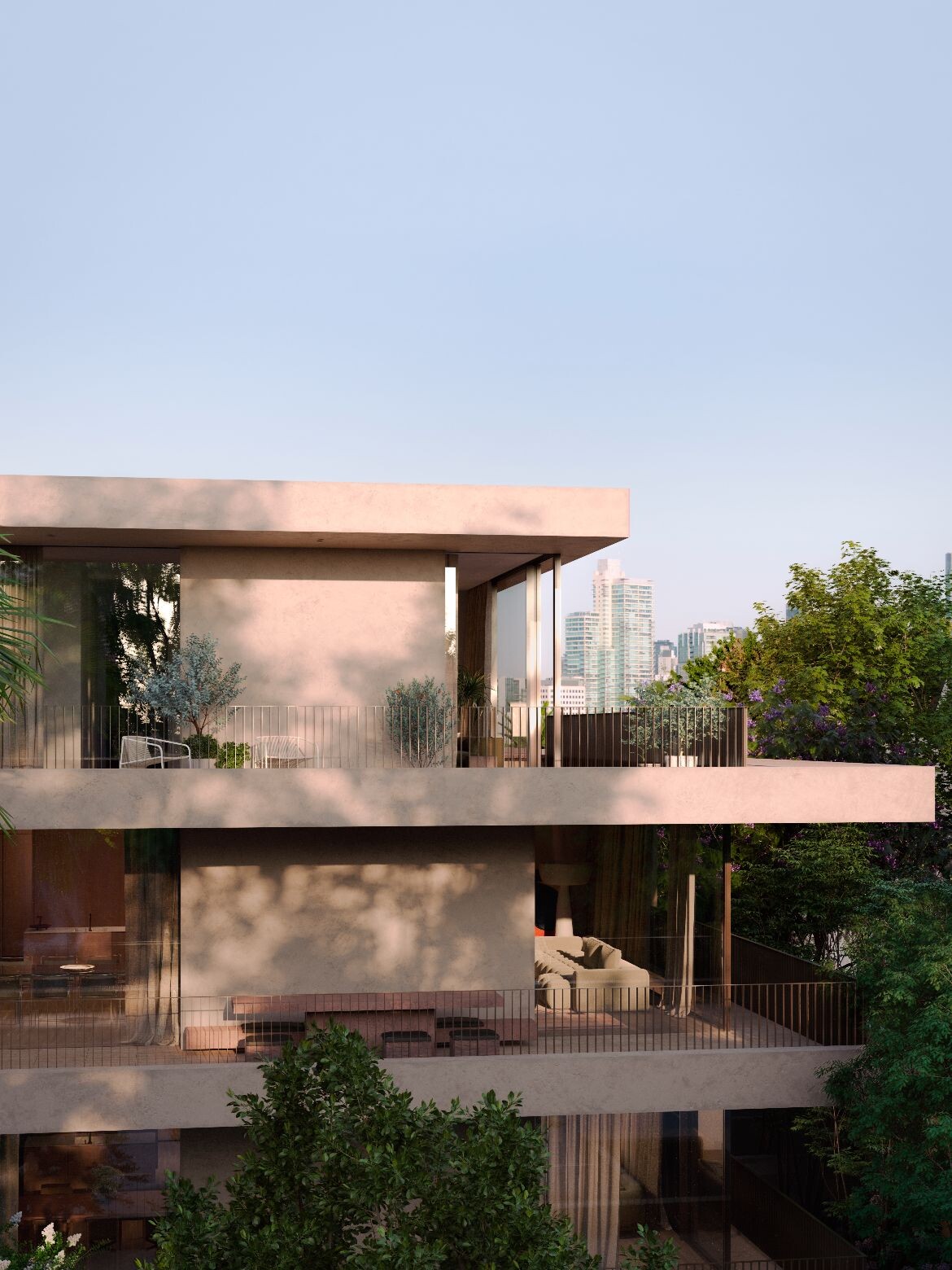
From six-pack flats to design-led city living, Neometro’s four-decade trajectory offers a lens on how Melbourne learned to see apartment living as a cultural and architectural aspiration rather than a temporary compromise.
January 12th, 2026
In the 1980s, apartment living in Melbourne was rarely aspirational. “They were flats, six-packs or twelve-packs,” recalls Jeff Provan, director and co-founder of Neometro. “People bought them until they could afford a house.”
At the time, inner-city suburbs such as Fitzroy and Collingwood were defined by fading industry, low rents and a transient mix of artists, migrants and students. Apartments were functional and temporary rather than a lifestyle choice. Four decades on, Melbourne’s relationship with apartment living has shifted dramatically, shaped by design culture, density and a growing desire to live closer to work, culture and community.
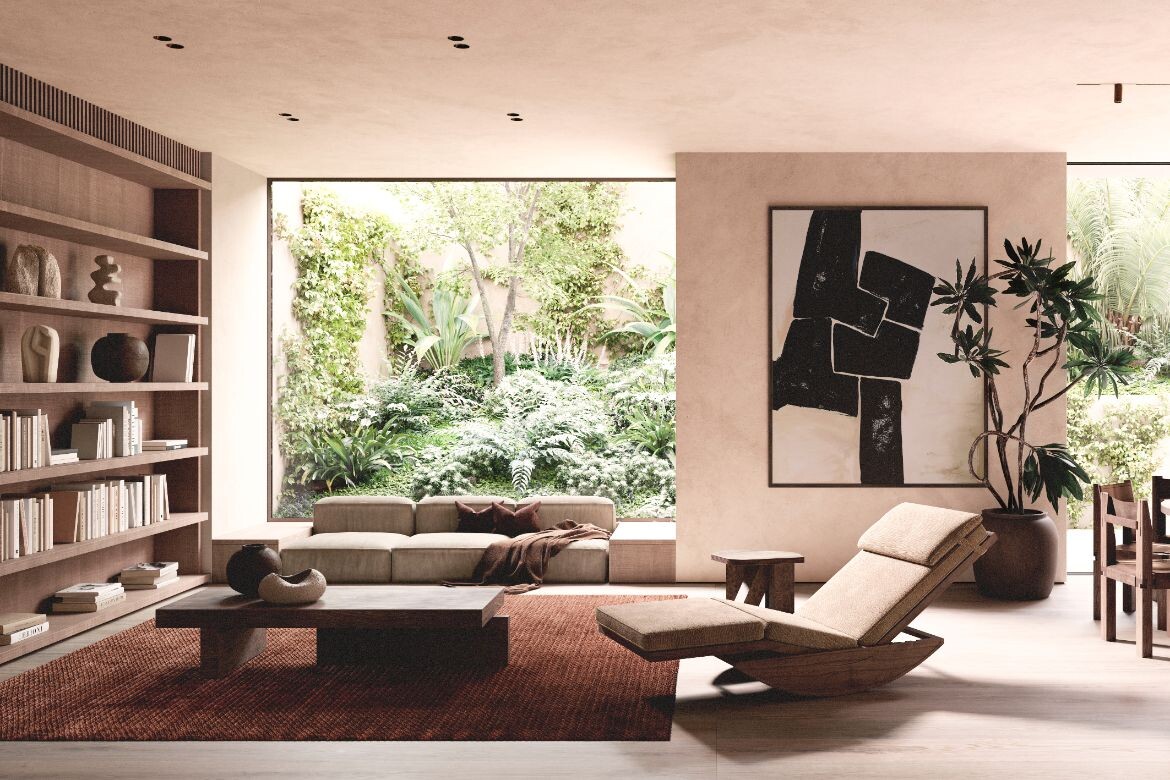
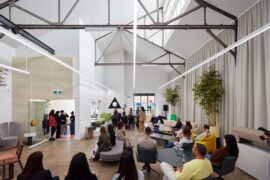
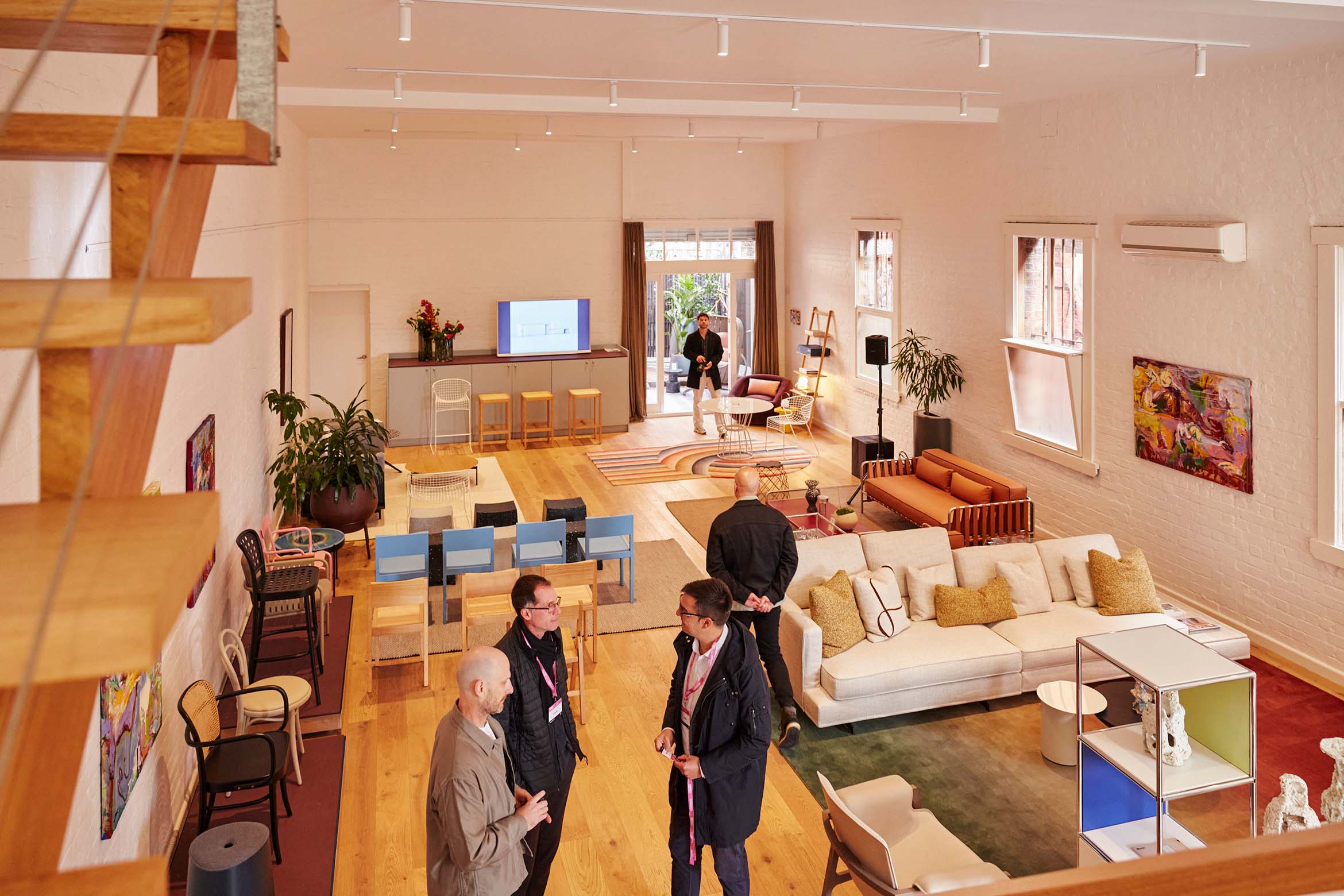
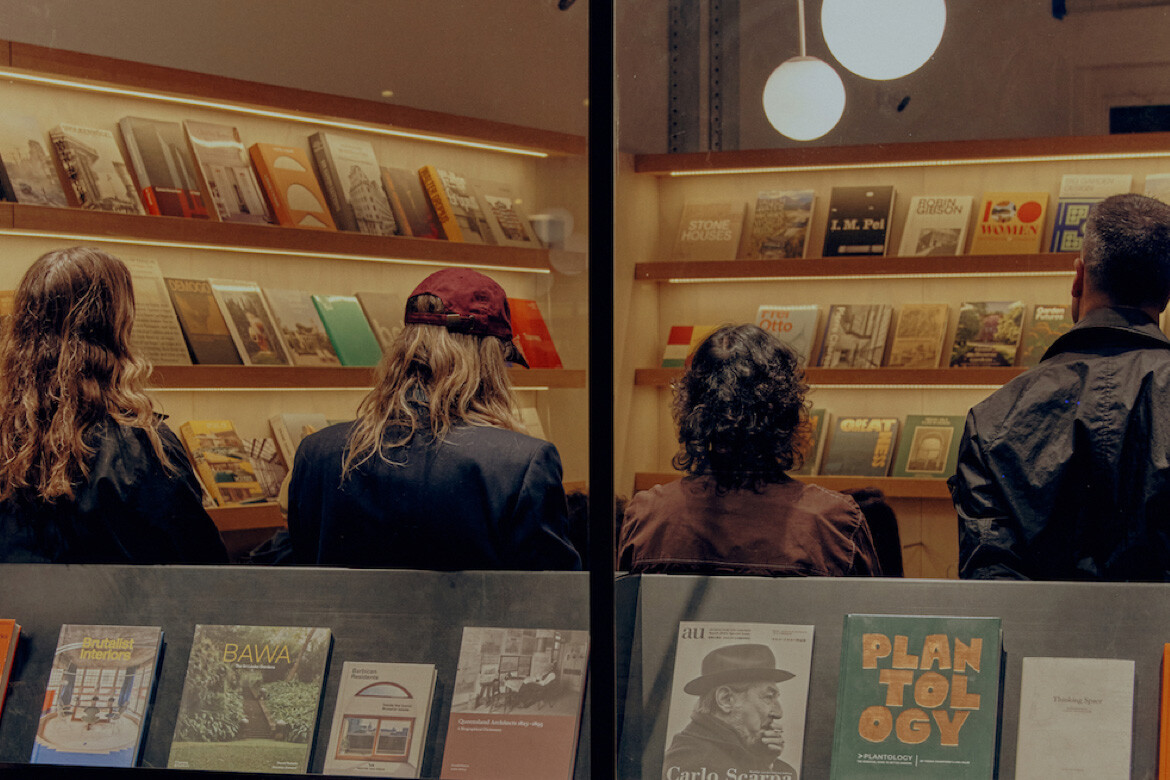
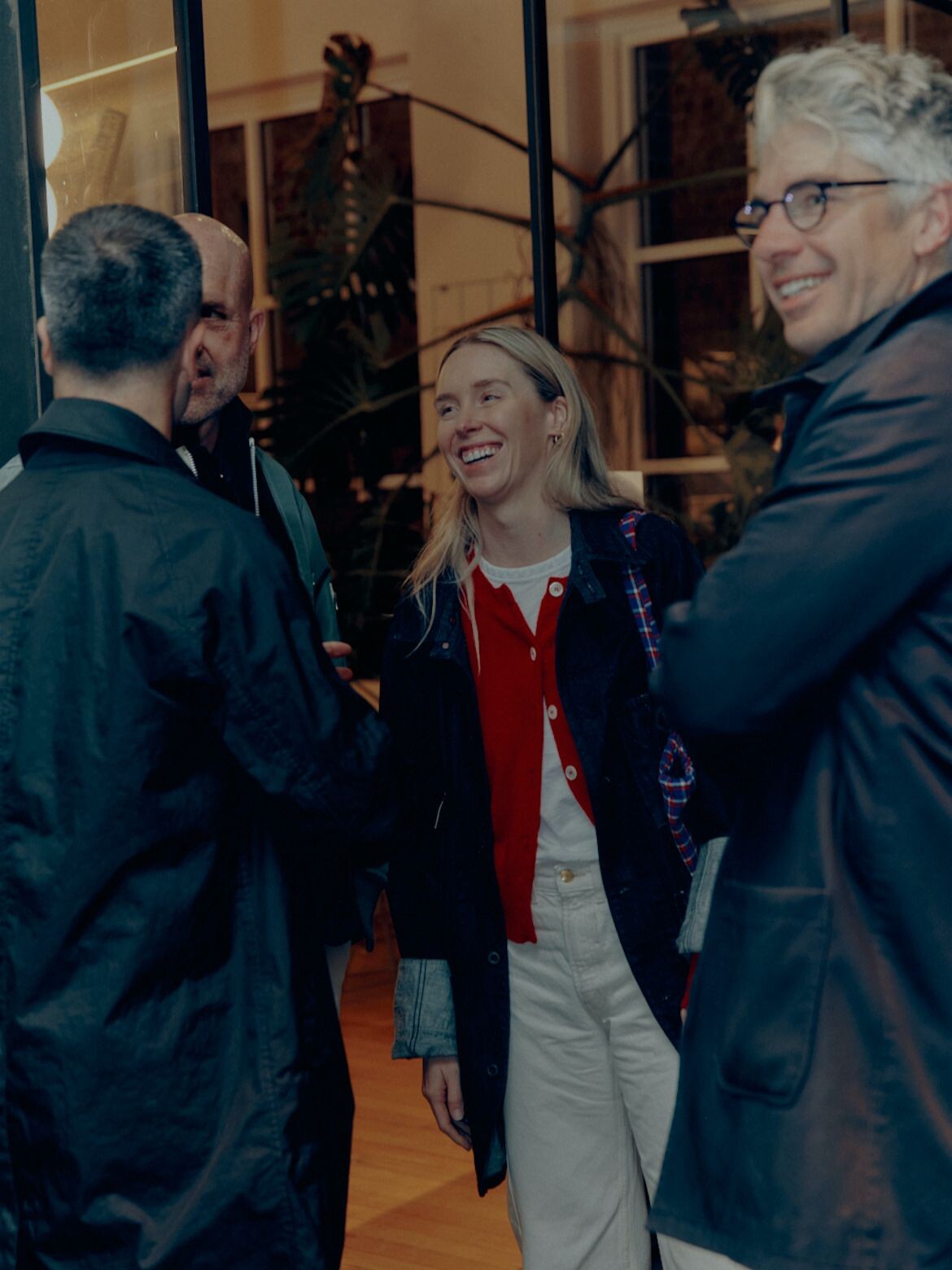
This transformation was the focus of a recent discussion at Bookshop by Uro, which brought together Provan and Neometro director James Tutton with architect Simon Knott of BKK Architects. The conversation traced how Melbourne’s housing models and cultural identity have evolved in tandem, moving from necessity-driven density to a more considered and design-led approach to city living.
Knott reflects that the late 1980s and early 1990s marked a turning point for Melbourne’s inner city. “It doesn’t seem radical now,” he says, “but the idea of combining developer, builder and architect within the one company was unheard of at the time.” Neometro’s early structure, bringing design, construction and development together, challenged the industry’s traditionally siloed way of working and allowed for greater experimentation.
Related: Integrating Japanese bathing rituals into bathroom design
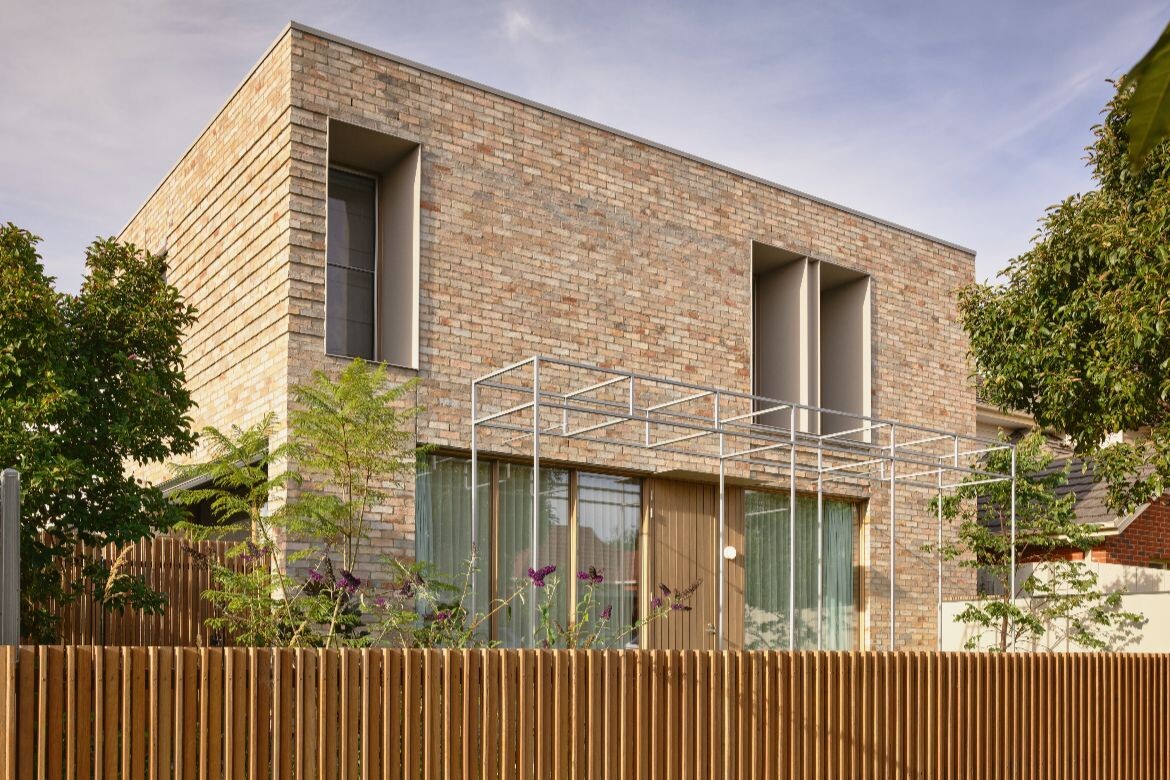
Provan describes those early years as largely self-taught. “We didn’t set out to disrupt anything,” he says. “It just made sense to do it all together. We could control quality, test ideas and build what we liked. We were making it up as we went.” With fewer financial and regulatory constraints than exist today, early projects became opportunities to explore materials, layouts and new ways of living at higher density. “Every building became a prototype for the next one,” Provan says. “We learned by doing.”
For Tutton, that period was defined as much by naivety as by ambition. “Too much knowledge is the backbone of paralysis,” he says. “A little ignorance is fertile soil for creativity.” He suggests that the willingness to proceed without over-analysing risk allowed space for invention. “There’s success in adventure,” he adds. “If you restrict yourself too much by analysing things, you don’t take risks. You have to have the confidence to work it out as you go.”
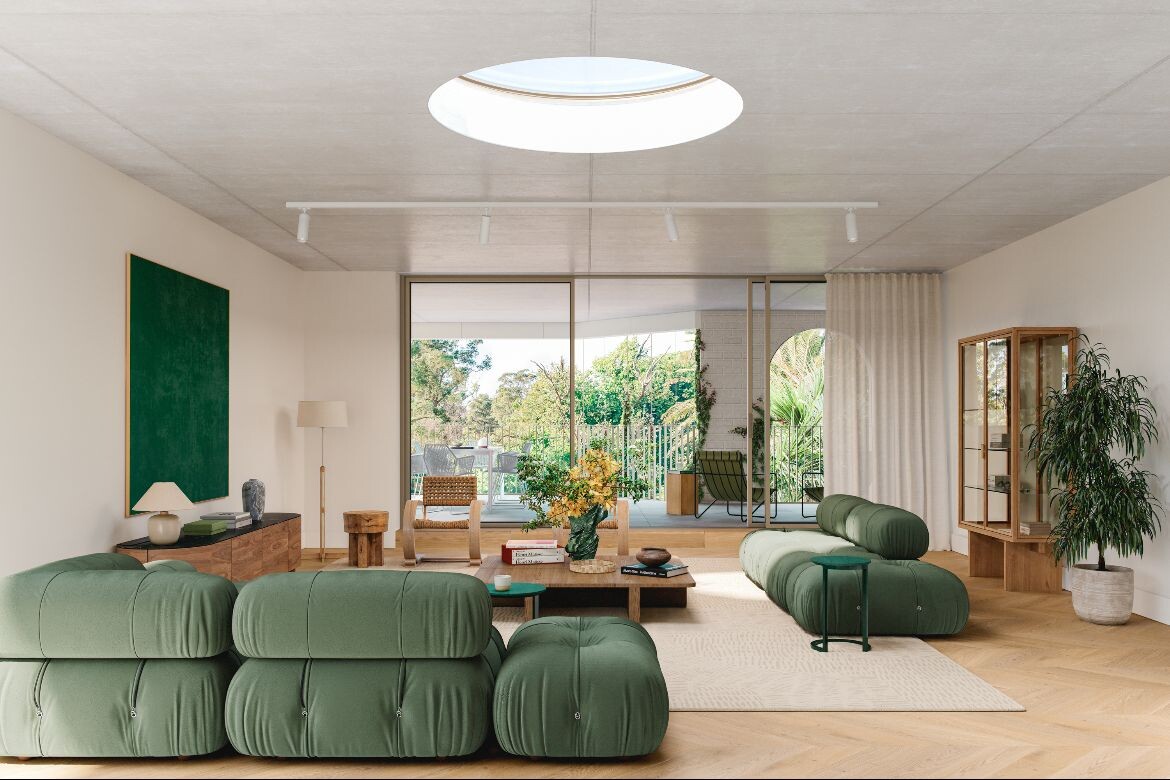
That mindset, Tutton argues, mirrored Melbourne’s broader evolution. “When I finished university in the 90s, Melbourne was a sleepy town,” he says. “Now it’s a design city. That cultural and economic shift is tied to how we live.” As apartment living became more established, ideas around community also began to change. While now a common talking point in development language, Tutton is sceptical of attempts to manufacture it. “Community can’t be imposed,” he says. “It comes from a mix of design, like-minded residents and how people treat each other.”
Both Provan and Tutton suggest that denser living can, in some cases, encourage stronger social connections than suburban models. Shared spaces, proximity and repeated encounters can foster familiarity and interaction in ways that sprawling neighbourhoods sometimes do not. What matters, they argue, is not density alone but how it is designed and supported.

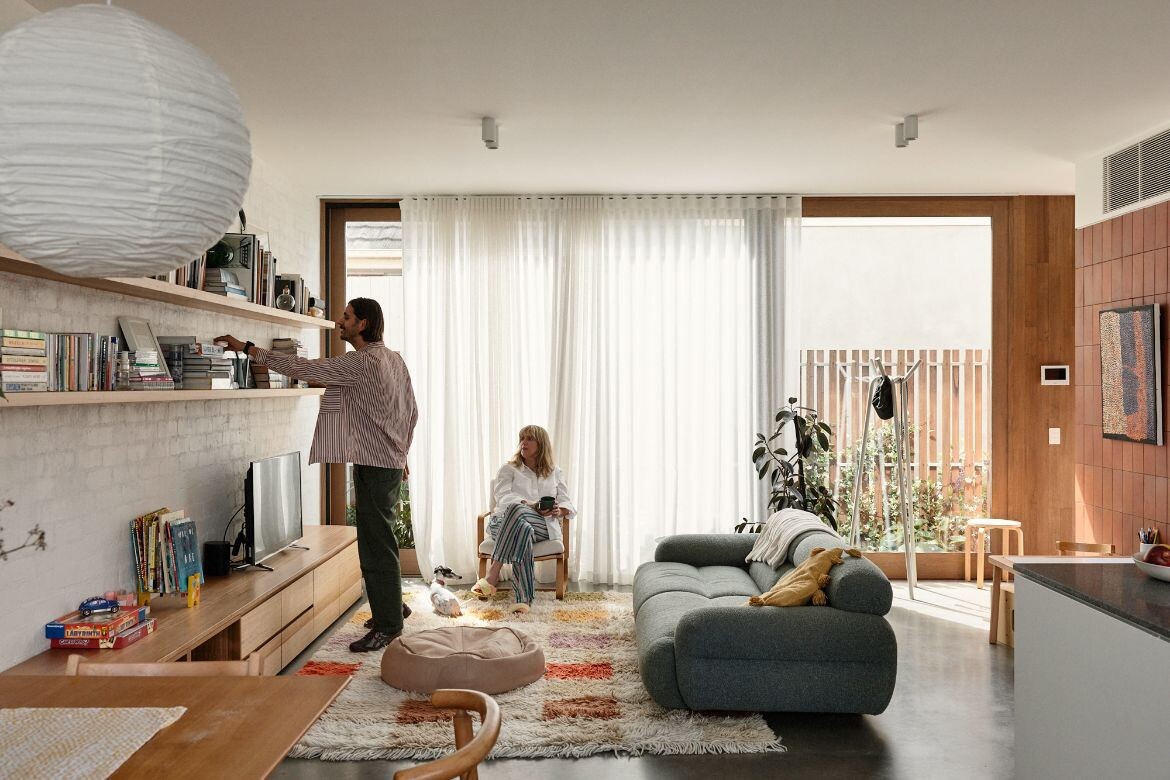
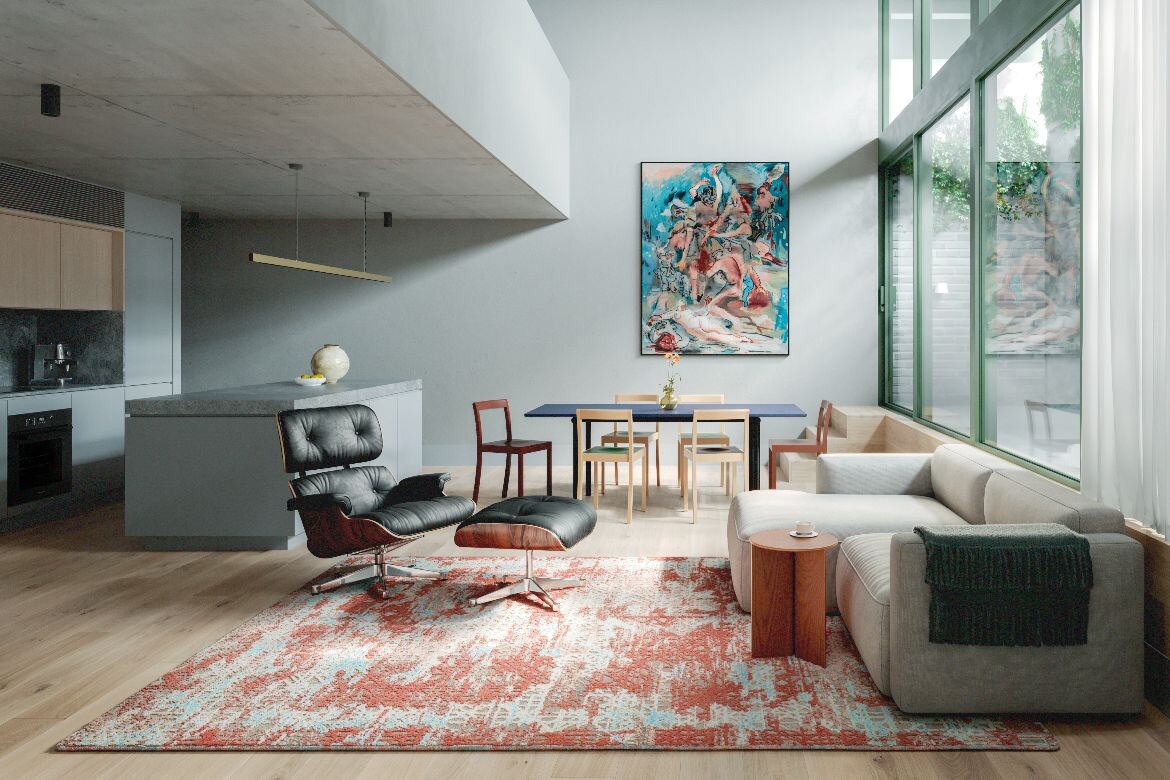
Today, Melbourne’s apartment culture is defined by diversity rather than a single typology or aesthetic. Provan notes that while people’s fundamental needs have remained constant — a place to eat, sleep and wash — the way amenity and meaning are integrated into apartments continues to evolve. Tutton points to increasingly design-literate buyers who expect more from their homes. “People know and want good design,” he says, adding that this has placed greater scrutiny on developers and designers alike.
What was once viewed as transitional housing has become, for many, a deliberate and long-term choice. Proximity, lifestyle and design quality now play a far greater role than affordability alone. Four decades on, Melbourne’s shift from flats to city living reflects not just a change in housing type, but a broader cultural recalibration — one that continues to shape how the city grows, densifies and imagines life in the inner city.
Neometro
neometro.com.au


INDESIGN is on instagram
Follow @indesignlive
A searchable and comprehensive guide for specifying leading products and their suppliers
Keep up to date with the latest and greatest from our industry BFF's!
The internet never sleeps! Here's the stuff you might have missed